
 Sagoh
Sagoh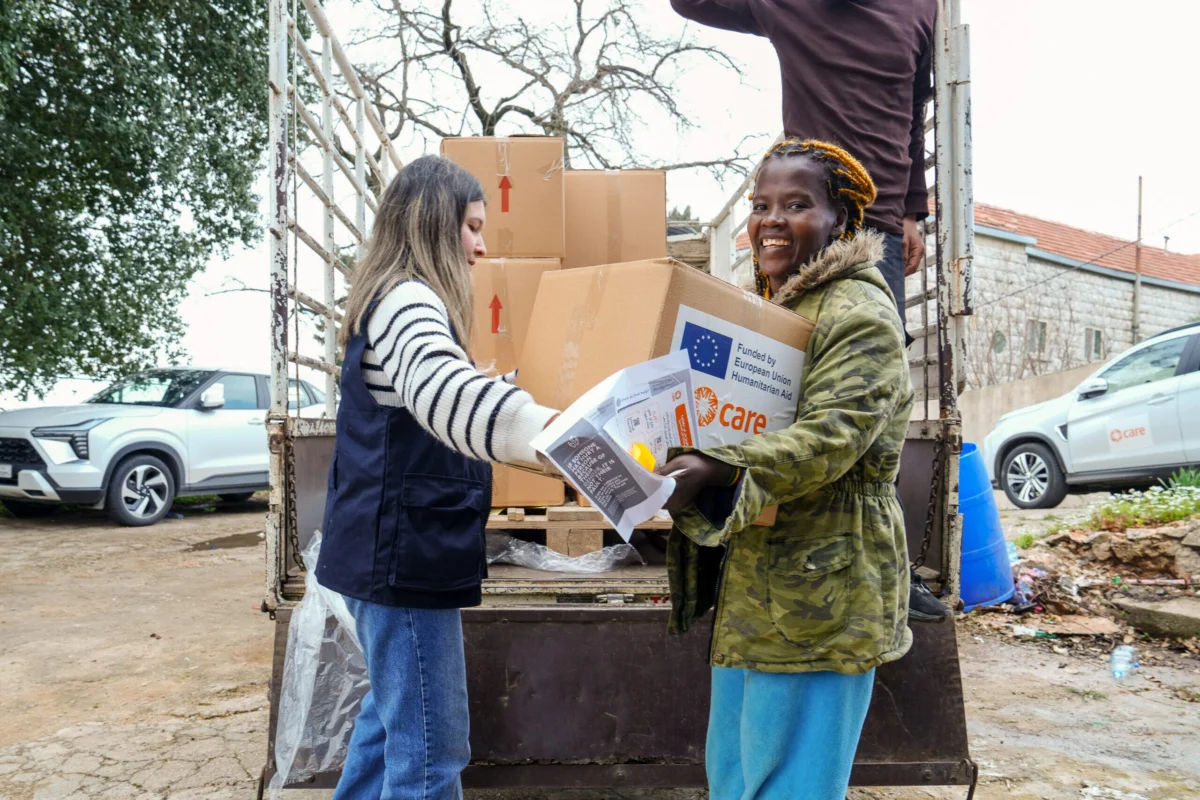
By CARE Staff | June 4, 2026
For nearly eight decades, the CARE Package has served as more than just a delivery of essential supplies; it has functioned as a universal shorthand for human solidarity. From the ruins of post-World War II Europe to the modern displacement camps of Lebanon and beyond, the iconic cardboard box has become a global symbol of hope, bridging the gap between those with abundance and those facing the existential threats of war, famine, and disaster.
As of 2026, the CARE Package remains a potent cultural and humanitarian touchstone, representing a legacy of American benevolence that has transcended politics, borders, and generations.
The Genesis of a Humanitarian Icon (1945–1946)
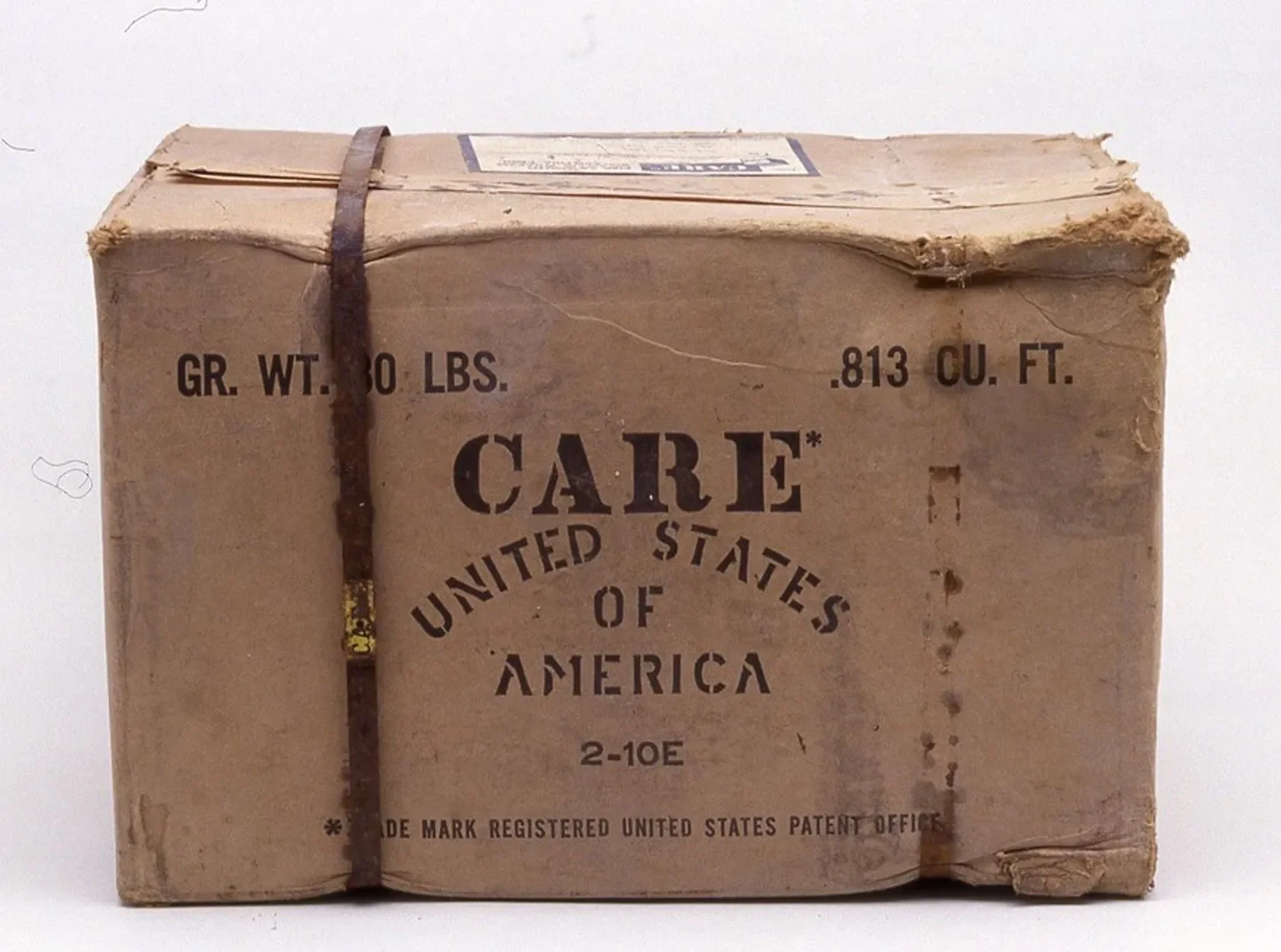
The story of the CARE Package begins in the dying embers of World War II. In 1945, as the scale of the devastation in Europe became clear, 22 American humanitarian organizations formed a coalition known as the Cooperative for American Remittances to Europe (CARE). Their mandate was as urgent as it was straightforward: to mobilize the vast surplus of American military food rations to feed a starving continent.
In May 1946, the first official shipment arrived in Le Havre, France. Each package was a lifeline, calibrated to provide a full meal for ten people. It contained essential nourishment—flour, sugar, dried milk, and fats—that acted as the bridge between immediate survival and the slow process of rebuilding a society.
A Chronology of Impact
- 1946: The first CARE Packages are delivered in Le Havre, France, setting a precedent for emergency food relief.
- 1948: During the Berlin Blockade, the packages become symbols of resilience, famously dropped via "raisin bombers" to sustain the beleaguered population.
- 1962: The term "CARE Package" is officially added to the Merriam-Webster dictionary, cementing its place in the American lexicon.
- 1986: President Ronald Reagan acknowledges the organization’s 40-year impact, noting its "worldwide reputation for timely and effective assistance."
- 2026: CARE initiates a major scale-up, aiming to distribute 1 million specialized packages to displaced families globally, including in conflict zones like Lebanon.
Supporting Data: From Rationing to Modern Emergency Response
The evolution of the CARE Package reflects the changing nature of global crises. While the original boxes were focused on postwar caloric intake, the modern version is a marvel of logistical precision.
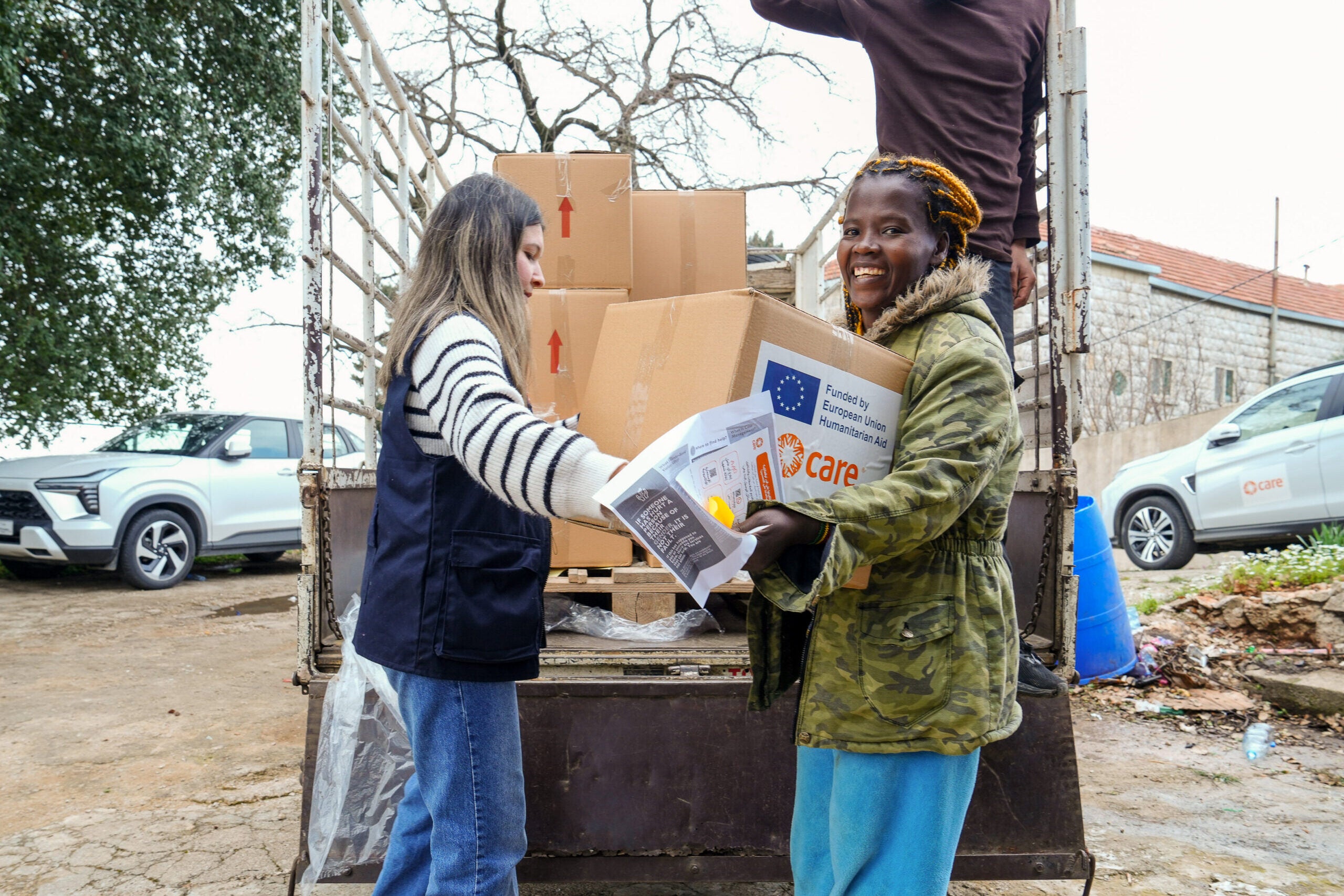
In 2026, a standard CARE Package for Emergencies contains up to 40 items curated to sustain a family during the first, most chaotic weeks of a disaster. These include:
- Shelter essentials: Tarps, rope, and blankets.
- Sanitation: High-grade hygiene kits to prevent the spread of disease.
- Utility: Solar lighting and cooking tools that function in environments with zero infrastructure.
- Communication: Basic items that allow families to stay connected during periods of displacement.
Data from the field confirms the efficacy of this approach. For a father like Karim, a recent recipient of a 2026 package in Lebanon, the aid was not merely "supplies." It was, as he described, "a moment where, after having nothing, we felt that we had not been forgotten."
Official Responses and Diplomatic Standing
The CARE Package has enjoyed consistent, bipartisan support throughout its 80-year history. Since the Truman administration, American presidents have viewed the organization as an extension of the nation’s "generous heart."
President Harry S. Truman famously stated that the package should remain a permanent symbol of the American concern for one’s "fellow man." This sentiment was echoed decades later by George W. Bush, who framed the organization as a "wonderful ambassador for [the American] spirit throughout the world."
The global impact was recognized at the highest levels of moral and political authority early on. In 1946, Pope Pius XII granted a formal blessing to CARE’s work, famously describing it as "the noble flame of brotherly love." Furthermore, the organization’s nomination for the Nobel Peace Prize in both 1949 and 1951 solidified its status as a pillar of international humanitarian architecture.
Cultural Implications: More Than a Box
The transformation of the CARE Package from a logistical tool to a cultural icon is a unique phenomenon. It is one of the few humanitarian interventions to penetrate the popular consciousness so deeply that it changed the way Americans communicate.
By the mid-20th century, the phrase had entered the household vernacular. Parents sent "CARE packages" to college-bound students; friends sent them to those grieving or recovering from illness. The package became an American idiom for "I am thinking of you," and "you are not alone."
Hollywood played a significant role in this transition. Icons like Ingrid Bergman, Whoopi Goldberg, and Jamie Lee Curtis utilized their platforms to turn abstract geopolitical crises into human narratives. By featuring the packages in public service announcements and televised appeals, they invited the American public to participate in the act of giving. This effectively moved humanitarian aid from the realm of government policy to the realm of individual participation.
Reimagining the Future: The 2030 Goal
As we look toward 2030, the mission of the CARE Package is being reimagined for an era defined by climate-induced migration and protracted conflict. The modern challenges of the 21st century—where disasters are more frequent and displacement is often multi-year rather than temporary—require a different kind of resilience.
The organization’s current initiative to distribute one million packages worldwide is a testament to this evolution. The goal is not just to provide temporary relief, but to provide a foundation upon which families can begin to rebuild their lives.
Why It Still Matters
The success of the CARE Package has always rested on the premise that aid must be personal. In an increasingly digital and automated world, the act of receiving a physical, thoughtfully curated box creates a profound psychological shift. It provides:
- Dignity: The knowledge that resources have been provided without the dehumanizing loss of agency.
- Continuity: A tangible link to a world that remains supportive despite the immediate environment of collapse.
- Human Connection: The realization that a stranger thousands of miles away invested time, money, and care into their survival.
As we look back at 80 years of history, it is clear that the cardboard box is not the important factor. It is the intent behind it. The CARE Package survives because it is a material manifestation of an intangible truth: that human beings have a duty to one another.
"If it was not for NGOs like CARE, I don’t know what my trajectory would have been," says Iman, a CARE Global Advocate. Her sentiment is shared by millions who, at their lowest point, found a box waiting for them—a box that told them they were seen, they were valued, and they were not alone.
As we move forward, the commitment remains the same. Whether in the ruins of 1946 Europe or the displacement camps of 2026, the promise holds: someone, somewhere, cares enough to act. Because in the end, it is not the box that matters—it is what is inside that counts.
Want to be part of the next 80 years of this legacy?
The needs of the world are changing, but the necessity of compassion remains constant. You can help provide that lifeline to families in need by donating a CARE Package today. Your contribution helps rebuild communities, restores hope, and continues a tradition of global solidarity that has defined the very best of the American experience.


 Ali Ikhwan
 Raul Delapena Setiawan