



 Reynand Wu
In the modern nursery, plastic is an almost inescapable architectural element. From the synthetic fibers of a crib mattress to the polycarbonate of a bottle and the polypropylene layers of a disposable diaper, infants are born into an environment saturated with petroleum-derived materials. While these materials offer unparalleled convenience and hygiene, a growing body of pediatric research and environmental science suggests that the "plasticization" of infancy may carry silent costs.
As parents and healthcare providers increasingly scrutinize the chemical composition of everyday items, the focus has shifted toward endocrine-disrupting chemicals (EDCs) like phthalates and the emerging threat of microplastics. This report examines the risks associated with plastic exposure in early childhood, the innovative industry responses—such as the development of cotton-lined diapers—and practical strategies for harm reduction in an era of synthetic ubiquity.
Main Facts: The Chemical Landscape of Infancy
The primary concern regarding plastics in baby products is not the polymer itself, but the additives used to give plastic its desired properties. Phthalates, a family of chemical compounds used primarily as plasticizers to make polyvinyl chloride (PVC) flexible and resilient, are among the most scrutinized. Because phthalates are not chemically bound to the plastics they soften, they can leach out over time, especially when subjected to heat, agitation, or enzymatic activity (such as saliva).
Infants are uniquely vulnerable to these exposures for three primary reasons:
- Developmental Windows: Their neurological and reproductive systems are in states of rapid flux. Small hormonal disruptions during these "critical windows" can have outsized effects on long-term health.
- Metabolic Rates: Babies breathe more air, drink more water, and eat more food per pound of body weight than adults, leading to a higher relative intake of environmental toxins.
- Behavioral Patterns: The oral-fixation stage of development means that toys, blankets, and even hands—which may have touched synthetic carpets or plastic surfaces—frequently enter the mouth.
Recent studies have linked high levels of phthalate exposure to a range of adverse outcomes, including altered thyroid function, changes in reproductive hormone levels, and developmental variations in anogenital distance (AGD), a biomarker for prenatal androgen exposure.
Chronology: From Glass and Cloth to the Synthetic Revolution
To understand the current saturation of plastics, one must look at the mid-20th-century shift in childcare philosophy.
- Pre-1950s: Childcare was dominated by natural materials. Glass bottles, rubber nipples, and cotton cloth diapers were the standard. While sustainable, these required significant labor, involving constant boiling, washing, and drying.
- 1960s – 1970s: The "Plastic Age" arrived. The introduction of the first mass-market disposable diapers replaced cloth for many families. These early versions used paper pulp but quickly integrated plastic backsheets to prevent leaks. Simultaneously, lightweight, shatterproof plastic bottles began to replace glass.
- 1980s – 1990s: The development of Super Absorbent Polymers (SAP) allowed diapers to become thinner and more efficient. However, this also led to the increased use of synthetic non-woven fabrics (polypropylene and polyethylene) in the "topsheet"—the layer in direct contact with the infant’s skin.
- 2000s – Present: The "Green Revolution" in baby gear began as a reaction to BPA (Bisphenol A) scares in the mid-2000s. Parents began demanding "BPA-free" and "phthalate-free" labels. This era saw the rise of "eco-friendly" disposables and the resurgence of modern cloth diapering, culminating in recent innovations like the first 100% cotton-lined disposable diapers.
Supporting Data: Quantifying the Exposure
The scale of plastic exposure in infancy is highlighted by several key data points from recent environmental health studies.
The Microplastic Ingestion Crisis
A landmark study published in Nature Food (and highlighted by NPR) revealed a startling reality regarding bottle-feeding. Researchers found that the process of sterilizing plastic bottles and preparing formula with hot water causes the plastic to shed millions of microplastic particles.
- The Findings: Polypropylene bottles can release up to 16 million microplastic particles per liter.
- The Result: The average bottle-fed infant may be consuming roughly 1.5 million microplastic particles daily. While the long-term health effects of ingesting microplastics are still being studied, the sheer volume of foreign material entering a developing system is a point of significant clinical concern.
The Diaper Dilemma
A baby will wear approximately 2,500 to 3,000 diapers in their first year of life. In traditional disposables, the topsheet is typically a plastic mesh. This means the most sensitive and permeable skin on a human body is in near-constant contact with synthetic polymers for 24 hours a day, three years straight.
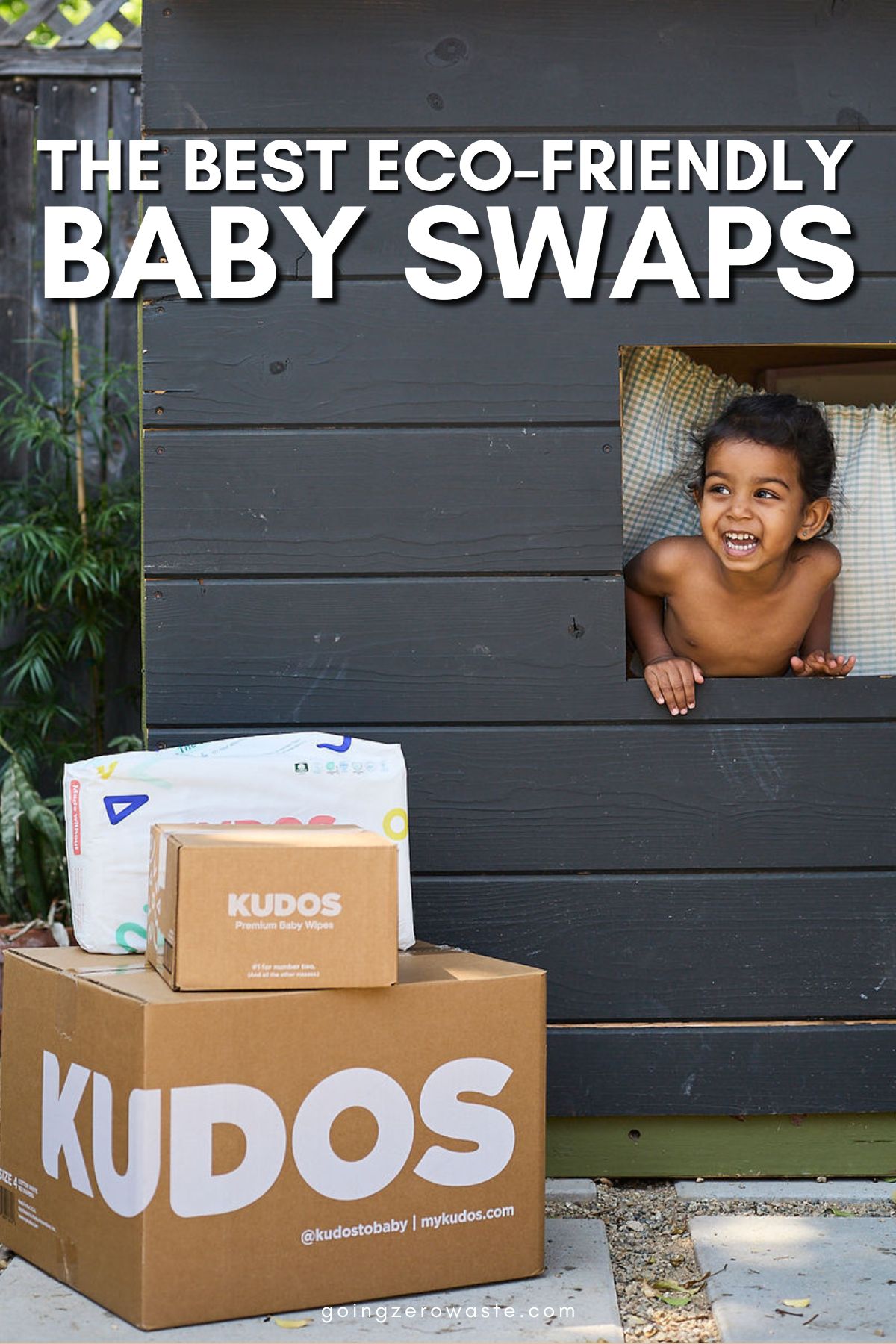
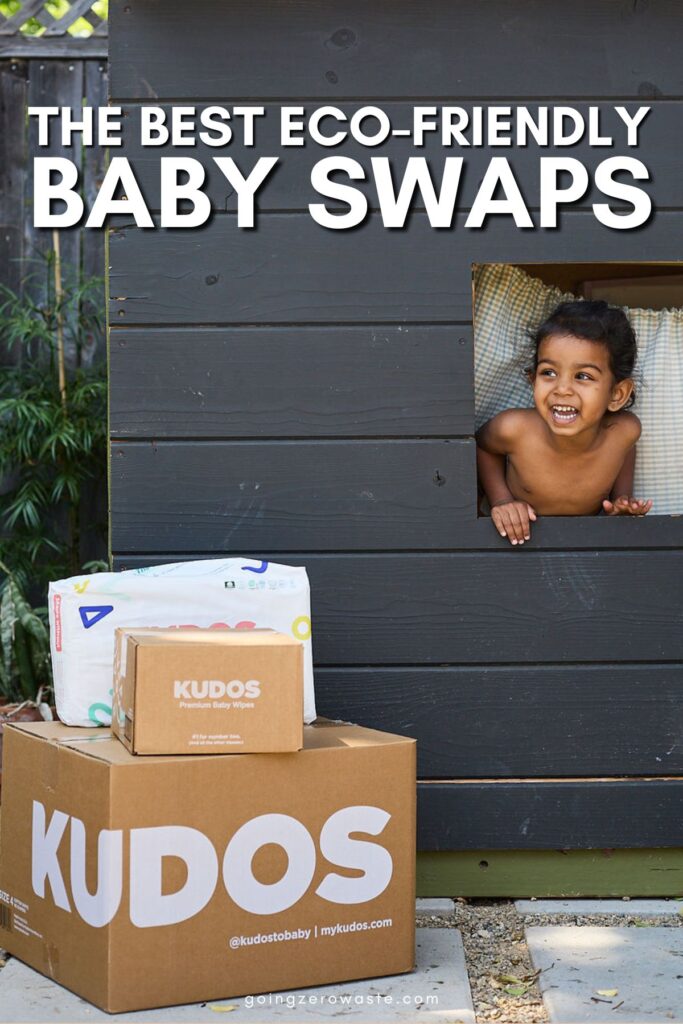
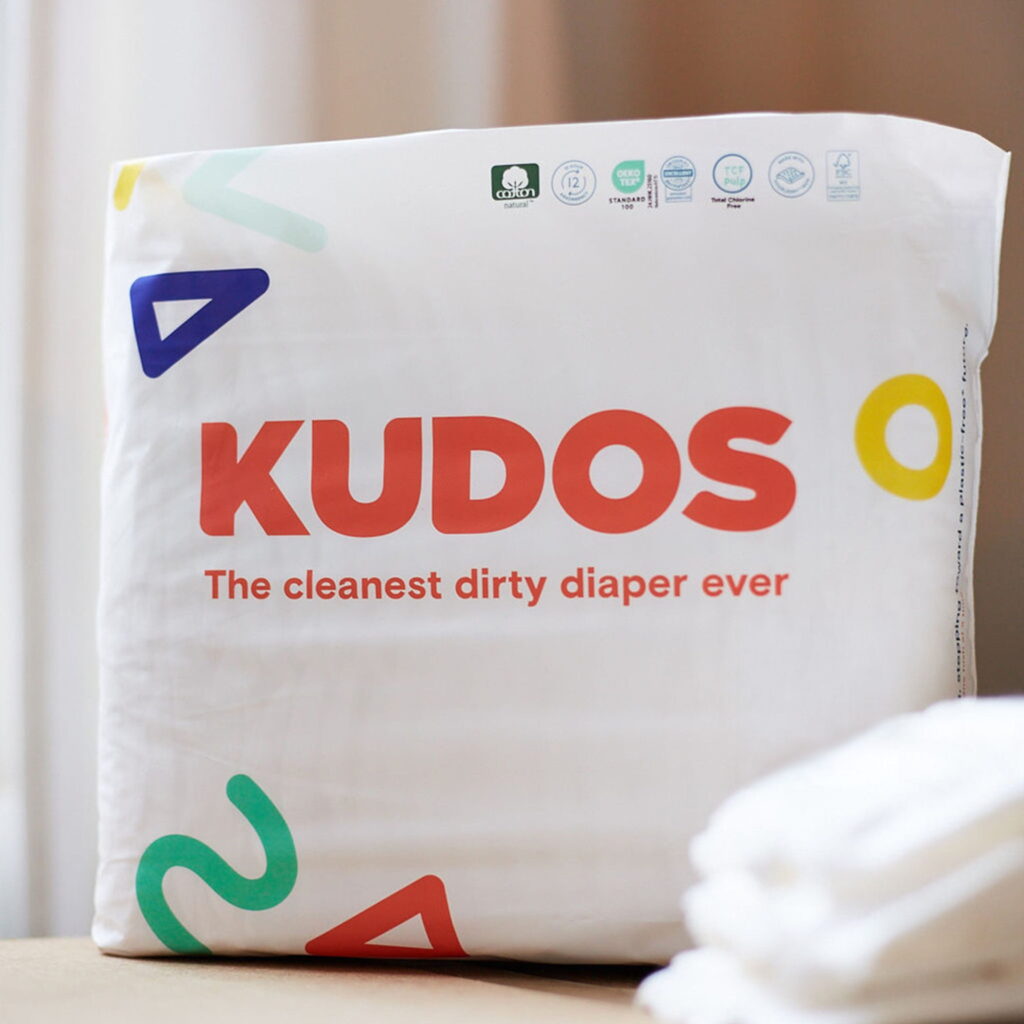
- The Innovation: Companies like Kudos have addressed this by engineering a 100% cotton topsheet. By utilizing U.S.-sourced cotton processed without harsh chemicals or water, they eliminate the plastic-to-skin contact point while maintaining the efficacy of a disposable.
Textiles and Dust
Synthetic carpets and polyester clothing are major contributors to indoor "dust" in nurseries. This dust is often a cocktail of flame retardants, microplastic fibers, and phthalates. Because infants spend the majority of their time on the floor (tummy time and crawling), their inhalation and dermal absorption rates are significantly higher than those of adults in the same environment.
Official Responses and Industry Context
The regulatory landscape regarding plastics in baby products is a patchwork of international standards.
Regulatory Oversight
The U.S. Consumer Product Safety Commission (CPSC) has permanently banned several types of phthalates in children’s toys and childcare articles at concentrations greater than 0.1%. Similarly, the European Union’s REACH (Registration, Evaluation, Authorisation, and Restriction of Chemicals) standards are among the strictest in the world, often leading the way in phasing out harmful additives.
Third-Party Certifications
In the absence of a total ban on plastics, third-party certifications have become the "gold standard" for safety-conscious parents:
- OEKO-TEX STANDARD 100: This certification ensures that every component of a product—from the thread to the button—has been tested for harmful substances.
- FSC (Forest Stewardship Council): Often found on high-end diapers, this ensures that the wood pulp used in the absorbent core is sourced from responsibly managed forests.
- TCF (Totally Chlorine Free): This indicates that no chlorine was used in the bleaching process of the diaper’s pulp, preventing the formation of dioxins, which are potent carcinogens.
The "Clean Label" Movement in Childcare
Industry leaders are increasingly moving toward "radical transparency." For example, the brand Kudos, founded by an MIT engineer, emphasizes its rejection of lotions, fragrances, parabens, and natural latex. This "medical-grade" approach to consumer goods reflects a broader shift where parents treat baby gear with the same scrutiny as organic food.
Implications: A Strategy for Harm Reduction
Eliminating plastic entirely from a modern lifestyle is a logistical impossibility for most families. However, the move toward "plastic-minimalism" is gaining traction as a viable public health strategy.
Practical Interventions for Parents
- Thermal Management: The most immediate way to reduce microplastic exposure is to avoid heating plastic. Formula should be mixed in glass containers and cooled before being transferred to a bottle. Microwaving plastic containers of baby food should be strictly avoided.
- Material Substitution: When selecting toys and teethers, natural rubber, silicone (which is more stable than plastic), and unfinished wood are superior alternatives to PVC. For textiles, prioritizing organic cotton and wool over polyester fleece can reduce the "shedding" of microfibers in the home.
- Diapering Choices: For parents who cannot commit to the labor of cloth diapers, choosing disposables that prioritize natural fibers (like cotton liners) and carry TCF and OEKO-TEX certifications represents a significant reduction in chemical load.
- The "Dust" Factor: Frequent HEPA vacuuming and switching to natural fiber play mats (such as those made from cotton or cork) can significantly lower the phthalate-heavy dust an infant encounters during floor play.
The Psychological Component: Avoiding "Parental Guilt"
A critical implication of this research is the potential for "eco-anxiety" among new parents. Experts emphasize that the goal should be harm reduction, not perfection. The stress of trying to eliminate every molecule of plastic can be as detrimental to the family dynamic as the chemicals themselves. Choosing one or two "high-impact" swaps—such as glass bottles or cotton-lined diapers—can provide a significant margin of safety without overwhelming the household.

Conclusion
The prevalence of plastic in infant care is a byproduct of a society that values convenience and low-cost manufacturing. However, as the scientific understanding of the "exposome"—the measure of all the exposures of an individual in a lifetime—matures, it is becoming clear that the first 1,000 days of life require special protection. By supporting innovations like chemical-free cotton diapers and returning to time-tested materials like glass and wood, the industry and parents together can begin to de-plasticize the cradle, ensuring a healthier foundation for the next generation.


 Azzam Bilal Chamdy
 Lina Hope