
 Nila Kartika Wati
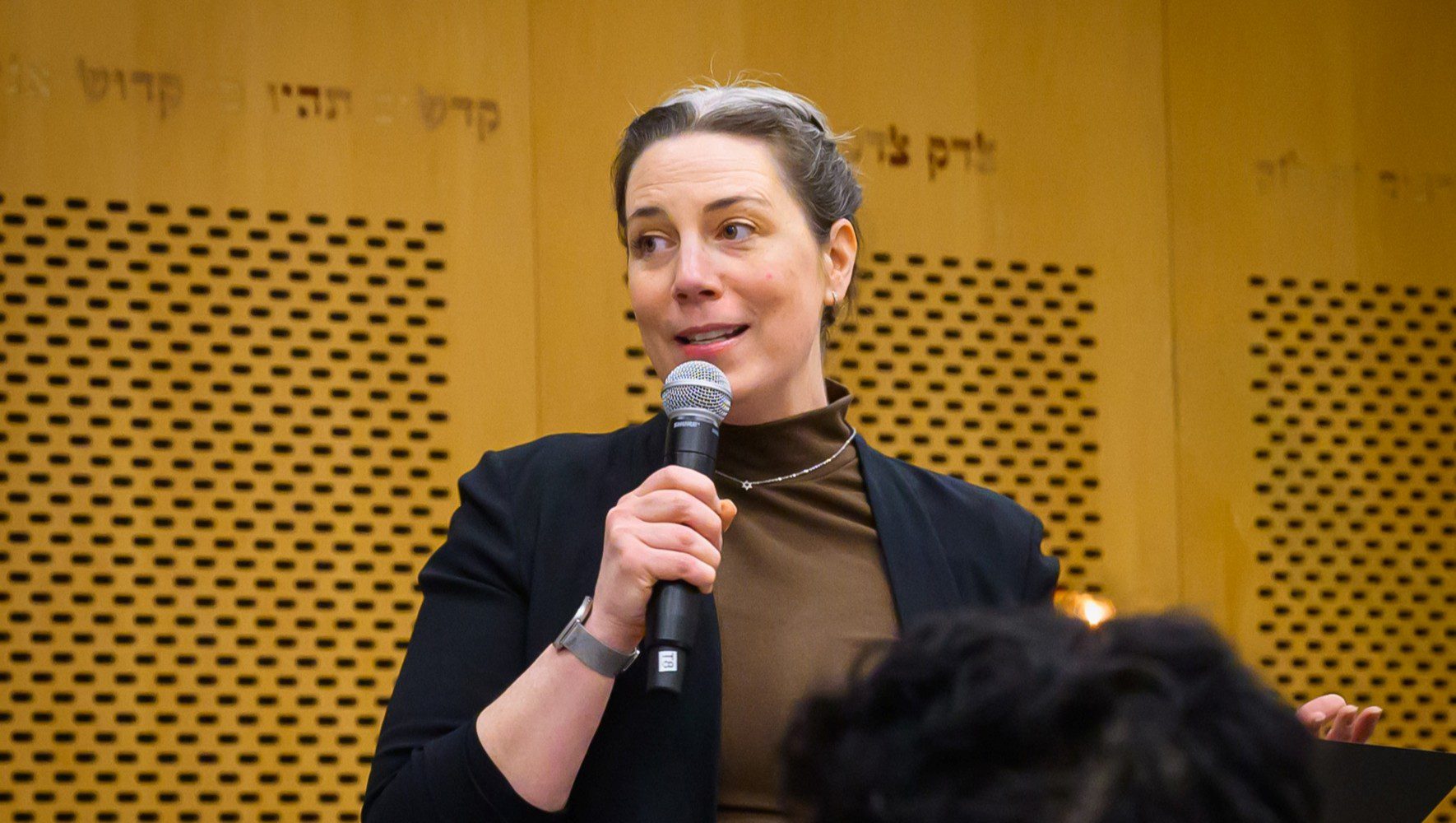
By Sarah Bassin, Rabbi-in-Residence, HIAS
September 2, 2026
As the Jewish community turns its attention toward the solemnity of Rosh Hashanah and the subsequent High Holiday season, the period known as the “Ten Days of Awe” serves as more than just a liturgical marker; it is a profound invitation to introspection. We stand at the precipice of the year 5787, a moment that demands we look backward to build a vision capable of propelling us forward. In this reflective space, we are tasked not merely with refining our individual characters, but with the collective, heavy labor of ensuring the world reflects the values we hold most sacred: justice, welcome, and the inherent dignity of every human being.
However, as we enter this new cycle, the task feels increasingly daunting. The global landscape is currently defined by a troubling backsliding—a retreat from the post-World War II commitment to universal human rights and a slide toward xenophobic nativism, authoritarian impulses, and the mainstreaming of antisemitism.
The Global Landscape: A World in Regression
We are currently witnessing a phenomenon that historians and sociologists have long feared: the erosion of the post-1945 international order. For decades, the global community operated under the shared assumption—however imperfectly realized—that societies should aspire toward inclusion, pluralism, and compassion. Today, these values are being systematically reframed by populist movements as weaknesses to be discarded.
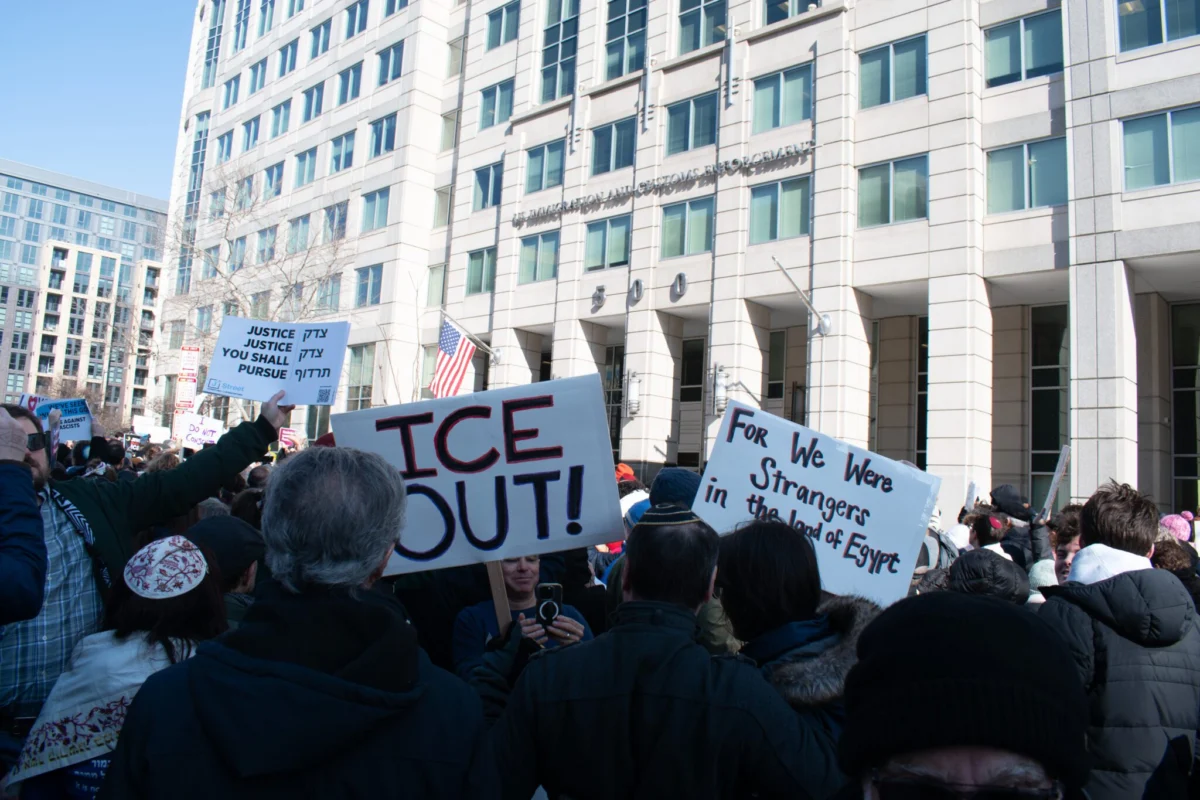
The resurgence of exclusionary nationalism is not confined to a single border. From the halls of power in Washington to the political movements sweeping across Europe and beyond, we see a growing rejection of the “other.” This is characterized by the mainstreaming of dehumanizing rhetoric against migrants, refugees, and minorities. For the Jewish people, this shift is felt viscerally; history has taught us that when a society turns toward nativism and authoritarianism, it is rarely long before the safety of the Jewish community is also compromised.
Chronology of a Crisis: From Hope to Legal Chaos
The trajectory of the current humanitarian landscape has been marked by a transition from potential progress to systemic obstruction.
- The Post-War Promise (1945–2010s): Following the atrocities of the Holocaust, the international community, including the United States, established a framework for refugee protection. Organizations like HIAS worked within this system, believing that the “doors of welcome” were an immutable pillar of democracy.
- The Shift in Policy (2020s): The last few years have seen a marked devolution. What was once a system of legal pathways has been replaced by a culture of slammed doors. The introduction of mass deportation campaigns and arbitrary detention facilities has fundamentally undermined the due process that once defined the American immigration system.
- The Current Reality (2026): We are now operating in a state of “legal chaos.” Families who once had clear, legitimate pathways to seek asylum or remain safely in the United States have been rendered vulnerable overnight. The systematic stripping of legal status has created a climate of fear that ripples through communities, leaving refugees questioning whether the promise of safety they were offered was ever legitimate.
Supporting Data: The Human Cost of Policy Shifts
The consequences of these policy changes extend far beyond legislative technicalities. When the government announces new restrictions on asylum or shifts in deportation priorities, the human impact is immediate and often devastating.
Recent data from advocacy groups and humanitarian observers indicates that:
- Trauma Proliferation: The uncertainty surrounding immigration status creates a chronic state of stress for families, leading to long-term psychological impacts on children and adults alike.
- Erosion of Due Process: The dismantling of legal aid and the acceleration of court proceedings have made it nearly impossible for asylum seekers to present their cases, effectively stripping them of their right to be heard.
- Generational Setbacks: Experts estimate that reversing the current legal chaos will require years of legislative work, while rebuilding faith in the promise of the United States—once a beacon for the persecuted—will take decades. The psychological and social trauma inflicted upon these communities will likely reverberate for generations.
Official Responses and the Moral Imperative
HIAS, as the world’s oldest refugee agency, remains steadfast in its mission. Our stance is clear: we stand for refugees regardless of the political climate or the administration in power. Our commitment to those fleeing violence and persecution is not a political bargaining chip; it is an expression of our deepest values.
“The work of welcome does not end when others abandon it,” note leaders within the refugee advocacy space. Official responses from humanitarian organizations have emphasized that the legal system is currently being used as a weapon to discourage those seeking safety. By narrowing the definition of who qualifies for protection and increasing the physical and administrative barriers to entry, the current policy regime is intentionally creating an environment where seeking asylum is equated with criminality.
Implications: The Evolution of Tikkun Olam
In the face of these challenges, the tradition of tikkun olam (repairing the world) takes on a new, urgent significance. Historically, the Aleinu prayer—which first introduced the phrase tikkun olam—was a recognition of human powerlessness. It suggested that perfection was a divine prerogative, leaving humanity to merely cheer from the sidelines.
However, as theologian Elliot Dorff and others have noted, our understanding of this concept has evolved. In the 16th century, the mystic Isaac Luria reframed the concept, suggesting that human beings, through the observance of commandments, could actively repair the brokenness of the world. In the modern era, this has shifted into a robust, social-action-oriented mandate.
Some critics argue that this modern interpretation is an innovation rather than an ancient truth. Yet, a commitment to spiritual stagnation in a rapidly changing world is both unfeasible and morally untenable. The tradition of lo bashamayim hee (the law is not in heaven) reminds us that the responsibility for justice is not in the hands of the divine; it is in ours. It is with us.
The Path Forward: Spiritual Chutzpah
We find ourselves in a moment where faith in progress has been shaken. Many of us once believed that the arc of the moral universe bent inevitably toward justice. Now, we are confronted with the reality that progress is not guaranteed; it must be fought for, maintained, and sometimes reclaimed from the ashes of regression.
Jewish responsibility was never contingent upon optimism. It was never a reward for easy times. Rather, it is a covenantal obligation. We are called to recover a “spiritual chutzpah” that is older and more resilient than hope itself. This is the conviction that we remain responsible for the world, even when we cannot yet see how to repair it in full.
As we enter this new year, we must look back to mine our tradition for every ounce of that fortitude. The path may grow longer, the gates may be shuttered, and the work may feel never-ending, but our mandate remains unchanged. The obligation to pursue justice does not disappear when the path grows difficult.
Conclusion: How to Take Action
The daunting task of “turning the ship around” requires us to act with both historical perspective and immediate urgency. As we contemplate the year ahead, we invite you to join us in the essential work of welcoming the stranger.
Whether through advocating for policy reform, supporting legal aid for asylum seekers, or providing direct assistance to those displaced by conflict, our actions are the building blocks of the future we wish to see. The promise of the United States—and the promise of a just world—is not a static reality that we inherit; it is a dynamic creation that we must build, day by day, through persistent, compassionate, and courageous action.
As we stand at the start of 5787, let us commit ourselves not to the comfort of hope, but to the labor of responsibility. Let us move forward with the knowledge that while we may not be able to finish the work of repairing the world, we are not free to desist from it.

 Ali Ikhwan

 Nana Wu