




 Dwi Wanna
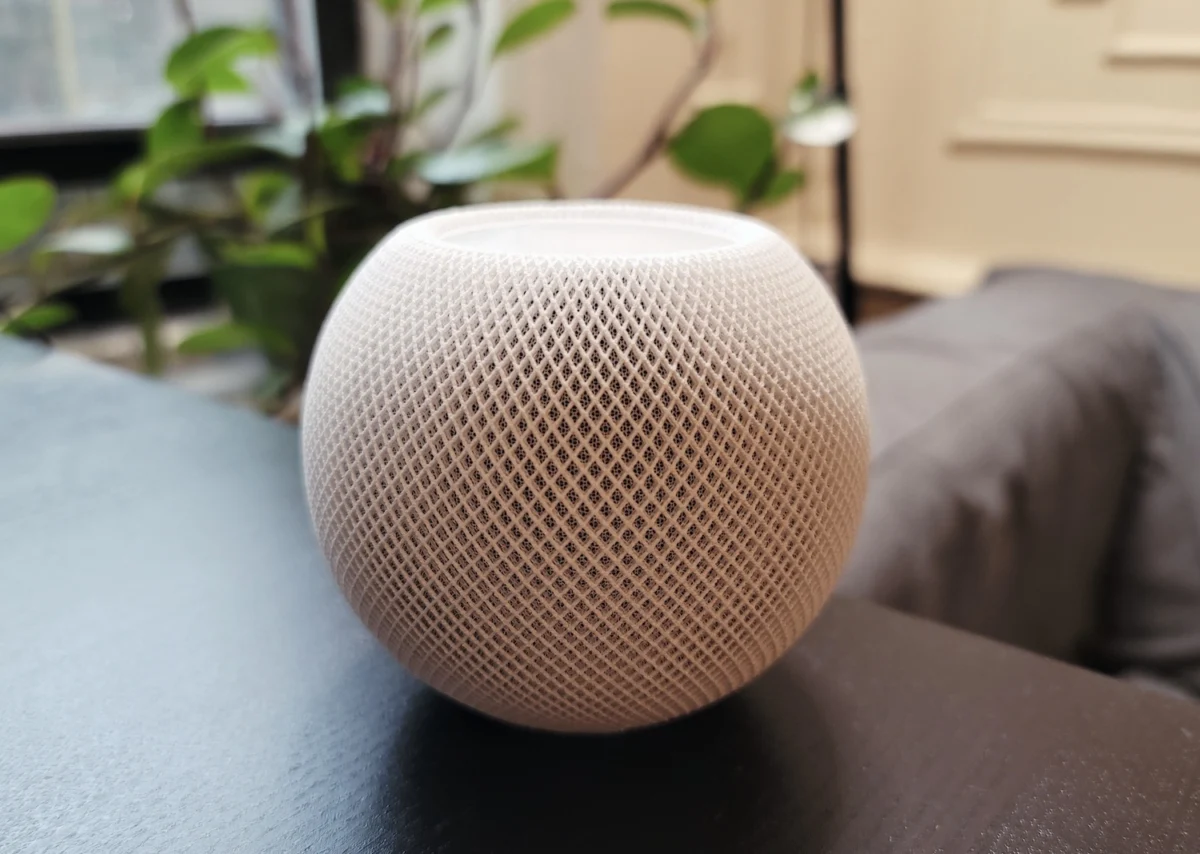
In a significant move to reclaim its standing in the increasingly crowded smart home ecosystem, Apple is set to unveil its latest hardware innovation, the "HomeView," this coming Tuesday. According to reports from Bloomberg’s Mark Gurman, the device represents the most substantial effort by the Cupertino-based tech giant to centralize the modern home experience under the Siri-powered banner.
For years, Apple has navigated the smart home landscape with a mix of cautious experimentation and occasional missteps. With the introduction of the HomeView, the company appears ready to shift from a peripheral player—relying on the niche appeal of the HomePod and the software-heavy HomeKit framework—to a dominant orchestrator of the domestic digital environment.
Main Facts: What We Know About HomeView
The HomeView is described as a dedicated smart home hub, designed to serve as the "brain" of the household. Unlike the HomePod, which prioritized high-fidelity audio, the HomeView is built around a visual interface, signaling a shift toward a display-centric user experience.
Key technical specifications reported include:
- The A18 Processor: The integration of the A18 chip, the same silicon powering Apple’s latest flagship smartphones, suggests that the device will be capable of sophisticated on-device machine learning and high-performance image processing. This is a critical departure from previous smart speakers, which relied heavily on cloud-based processing.
- Form Factor Versatility: Apple intends to market the HomeView in two distinct configurations. One model is designed for countertop placement, catering to kitchen or office desk usage, while a second variant is engineered specifically for wall mounting. This duality implies a vision of the device as both a decorative household object and a functional, omnipresent control panel.
- Siri Integration: Central to the device is a revamped version of Siri. By leveraging the A18’s computational power, the assistant is expected to handle complex, multi-step home automation tasks with significantly lower latency than previous iterations.
A Chronology of Apple’s Smart Home Ambitions
To understand the weight of this announcement, one must look back at the arduous journey Apple has taken to reach this point.
2014: The Launch of HomeKit. Apple introduced its smart home software framework with the goal of creating a secure, unified ecosystem. However, the strict privacy and security requirements—while beneficial for the user—made it difficult for third-party manufacturers to adopt the standard, leading to a fragmented user experience.
2018: The HomePod Era. Apple entered the smart speaker market with the original HomePod. While it was lauded for its audio engineering, its high price point and the comparative limitations of Siri against competitors like Amazon’s Alexa and Google Assistant hindered its mass-market adoption.
2021–2024: The Period of Uncertainty. During this time, multiple industry reports suggested that Apple was experimenting with various form factors, including a device that combined an iPad with a robotic arm or a standalone wall-mounted display. Development was reportedly slowed by the rapid evolution of Large Language Models (LLMs) and the company’s internal debate over how to integrate generative AI into a household setting.
2025: Strategic Re-evaluation. Reports surfaced in March 2025 that Apple’s smart home hardware projects were facing significant delays. Sources indicated that the engineering teams were struggling to optimize Siri for a home-hub interface, pushing the launch window back and forcing a total overhaul of the software stack.
October 2026: The HomeView Breakthrough. Following years of iterative design and technological pivots, the HomeView has emerged as the definitive solution to the company’s "smart home problem," with a retail launch slated for mid-November.
Supporting Data: The Competitive Landscape
Apple’s entry into the smart home hub market comes at a time when the sector is facing a plateau in consumer enthusiasm, often attributed to the lack of interoperability between brands.
Recent market analysis indicates that the "connected home" space is dominated by Amazon and Google, which have successfully utilized low-cost, high-volume hardware to capture market share. Apple, conversely, has maintained a premium positioning. The HomeView appears to be a direct challenge to the Amazon Echo Show and the Google Nest Hub.

However, Apple has a unique ace up its sleeve: the integration of the A18 chip. By keeping most data processing local, Apple is betting that consumers—increasingly wary of cloud-based privacy intrusions—will pay a premium for a hub that keeps their household activity private. The collaboration with LG to launch a suite of smart appliances (including locks, thermostats, and doorbells) provides the necessary peripheral ecosystem that Apple previously lacked. By "owning" both the interface (HomeView) and the hardware endpoints (LG appliances), Apple is attempting to replicate the "walled garden" success of the iPhone in the living room.
Official Responses and Corporate Stance
While Apple has maintained its traditional "no comment" stance on unannounced products, the internal signals have been clear. Executives have spoken at recent developer conferences about the importance of "ambient computing"—a vision where technology recedes into the background until needed.
Industry analysts interpret the upcoming event not just as a product launch, but as a strategic correction. Sources close to the company suggest that Apple CEO Tim Cook views the smart home as the "final frontier" of the Apple ecosystem. Having already integrated the company into the user’s pocket (iPhone), ear (AirPods), and wrist (Apple Watch), the home is the logical, albeit difficult, next step.
Implications for the Industry and Consumers
The arrival of the HomeView could trigger several significant shifts in the smart home market:
1. Standardization and Interoperability
With Apple’s newfound push for a hardware hub, there is a renewed urgency for the industry to rally around the "Matter" connectivity standard. If the HomeView can seamlessly communicate with non-Apple devices, it could act as the catalyst that finally bridges the gap between competing ecosystems.
2. The Privacy Premium
Apple’s decision to bake an A18 chip into a wall-mounted display is a gamble on the consumer’s desire for privacy. If the HomeView can perform facial recognition or voice analysis entirely on-device, it will set a new industry benchmark for security. Competitors may be forced to abandon their data-harvesting business models or risk obsolescence in the high-end market.
3. A New Revenue Stream
For Apple, the HomeView represents a way to deepen its "Services" revenue. By controlling the primary interface in the home, Apple gains better visibility into user behavior, allowing it to optimize its subscription services—such as Apple Music, Apple TV+, and potentially new home-specific health and security services—more effectively.
4. The End of the "Dumb" Home
For the average consumer, the HomeView represents a shift away from the frustration of voice-only controls. The combination of a visual interface and AI-driven automation could move the smart home from being a gimmick to a functional necessity. By allowing users to see their home’s status at a glance—rather than asking a speaker for an update—Apple is betting on the human preference for visual information.
Looking Ahead: The October 13th Milestone
The October 13th announcement will be a litmus test for Apple’s engineering prowess and its ability to listen to market feedback. By bundling the HomeView launch with updates to the Apple TV and the HomePod mini, Apple is signaling a total commitment to the category.
As we approach the mid-November retail rollout, the question remains whether the HomeView can overcome the skepticism built up by years of fragmented home strategies. However, with the backing of the A18 chip, a robust partnership with LG, and a refined software experience, Apple appears to have finally constructed the foundation it needs to turn the "smart home" into a truly "Apple home."
Whether this hardware will capture the imagination of the public as the iPhone once did remains to be seen. But one thing is certain: the era of the "connected" home is about to get much more sophisticated, and Apple is clearly playing for keeps.


 Iffa Jayyana

 Suro Senen






