



 Jia Lissa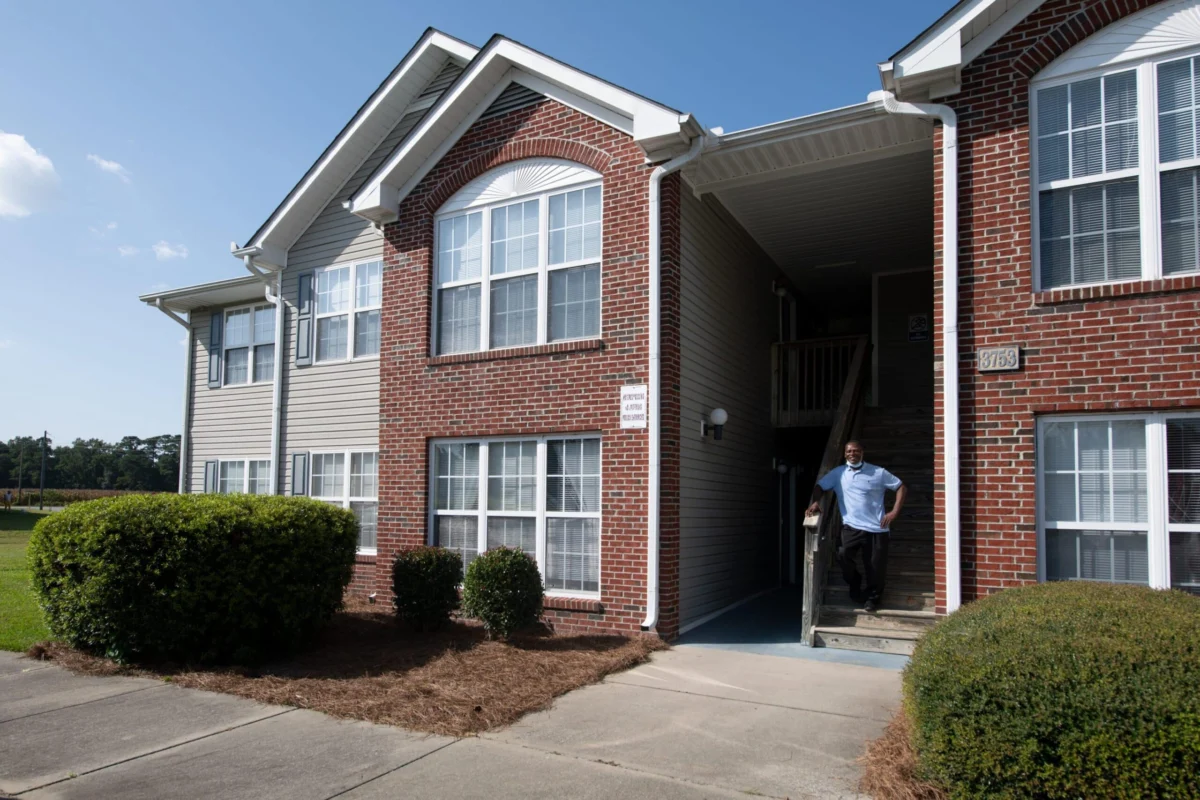
Across the vast landscape of rural America, a quiet but profound crisis is unfolding. While national media often focuses on the high-profile housing shortages in coastal cities and major metropolitan hubs, a critical piece of the nation’s social safety net—the federal Section 515 rural rental housing program—is slowly fading into history. For hundreds of thousands of low-income families, older adults, and people with disabilities, the potential expiration of this program represents more than just a policy shift; it represents the potential loss of their only viable housing option.
As federal lawmakers grapple with the 21st Century ROAD to Housing Act, a crucial provision known as the Rural Housing Service Reform Act (H.R. 4957) has emerged as a lifeline. By modernizing how the United States Department of Agriculture (USDA) manages its rental assistance, this legislation could prevent a catastrophic loss of affordable housing units that serve as the bedrock of rural stability.
The Main Facts: The Intersection of USDA and Rural Survival
For decades, the responsibility for rural housing has sat outside the traditional jurisdiction of the Department of Housing and Urban Development (HUD). Instead, the USDA’s Rural Housing Service (RHS) has acted as the primary architect of rural affordability. The Section 515 program, established in 1963, provided the capital necessary to build over 533,000 rental units across the United States.
These properties are not merely real estate assets; they are essential infrastructure for communities where the private market has failed to provide safe, sanitary, and rent-restricted housing. Most residents in these properties are among the most vulnerable in the country. Data from 2024 shows that the average household income for a Section 515 tenant is approximately $17,188. For these individuals, the USDA’s project-based rental assistance—which bridges the gap between their income and actual operating costs—is the only thing preventing homelessness.
However, the program is built on a structural paradox: the rental assistance is legally tied to the existence of an active USDA mortgage. As these 30-to-50-year loans reach maturity, the affordability requirements expire. Without intervention, as the mortgages disappear, so does the federal obligation to provide rental subsidies, leaving residents exposed to market-rate rent hikes they cannot afford.
A Chronology of the Rural Housing Decline
To understand the urgency of the current reform effort, one must look at the arc of the program’s development and subsequent stagnation.
- 1963: The Section 515 program is inaugurated, designed to incentivize the construction of rural rental housing through below-market-rate loans.
- 1970s–1990s: The "Golden Age" of rural housing production. During this period, the program saw its highest volume of activity. In 1979 alone, 38,000 new units were added to the national inventory.
- 2011: A definitive halt. Following a long period of declining production, new construction under the Section 515 program effectively hit zero. No new units have been financed through this specific mechanism since.
- 2018–Present: Advocates and policy researchers begin sounding the alarm as the "maturity wall" approaches. Projections indicate that by 2050, nearly all current Section 515 mortgages will have matured, effectively ending the federal mandate for rent restrictions on these properties.
- 2025–2026: Introduction of the Rural Housing Service Reform Act (H.R. 4957) and its inclusion in the broader 21st Century ROAD to Housing Act, marking the most significant legislative attempt to preserve the program in over a decade.
Supporting Data: The Scale of the Vulnerability
The numbers behind the crisis are sobering. According to the Housing Assistance Council (HAC), there are currently nearly 400,000 remaining Section 515 units providing homes for more than 750,000 people.
The demographics of these residents highlight why the preservation of these units is a matter of both economic and social urgency. A large plurality of residents are either elderly or living with permanent disabilities. In many rural counties, these apartments are the only multifamily complexes available. If these properties transition to market-rate housing or fall into disrepair due to a lack of capital for maintenance, the residents have no nearby alternative, often forcing them into long-distance displacement or extreme housing cost burdens.
Furthermore, the aging of the housing stock creates a "double-threat" scenario. Not only are the affordability covenants expiring, but the physical buildings themselves are reaching the end of their operational lifecycles. Without the ability to leverage new financing—specifically through the Low-Income Housing Tax Credit (LIHTC) program—owners lack the capital to renovate these properties. The current legal framework, which forbids the decoupling of rental assistance from the mortgage, makes it nearly impossible for owners to attract the private equity needed for modern repairs.
Official Perspectives and Legislative Hurdles
The Rural Housing Service Reform Act is not merely a bureaucratic adjustment; it is a fundamental shift in how the government views its commitment to rural America. By allowing the USDA to administer stand-alone, project-based rental assistance contracts, the bill would decouple the subsidy from the mortgage.

Why This Matters for Policy
Mark Kudlowitz, a senior director of policy at the Local Initiatives Support Corporation (LISC), notes that this decoupling is a "win-win." It would allow property owners to maintain operating assistance while simultaneously securing new, long-term capital for renovations. This creates a sustainable path for property preservation that benefits the landlord, the government, and—most importantly—the tenant.
The Legislative Landscape
The inclusion of this act in the 21st Century ROAD to Housing Act is a significant victory for rural advocates, as it places rural housing concerns on the same footing as urban supply challenges. While both the House and the Senate have shown bipartisan appetite for addressing housing supply, the broader legislative package faces the typical headwinds of a polarized Washington. Despite overwhelming support for the individual components of the housing bills, the final passage of the package remains in flux.
The Implications: Why Failure is Not an Option
The failure to pass these reforms would have immediate and long-term consequences for the American interior.
1. The Erosion of Community Stability
In many rural towns, the local apartment complex serves as a hub for the community’s workforce, seniors, and families. The loss of these units would lead to a decline in rural population density, further hollowing out small-town tax bases and service economies.
2. Escalating Costs for Taxpayers
If these 400,000 units are lost, the cost of addressing the resulting homelessness or housing instability will eventually fall back on the federal government. Emergency interventions are far more expensive than the systemic preservation of existing assets.

3. A Moral Obligation
The United States has a long-standing commitment to ensuring that its citizens in rural areas are not left behind. The Section 515 program was the promise of that commitment. To allow it to expire through administrative neglect, rather than through a conscious policy shift, would be a failure of governance.
Conclusion: A Path Forward
The path to preserving rural housing is clear: modernize the USDA’s authorities, decouple rental assistance from maturing mortgages, and empower rural owners to reinvest in their properties. The Rural Housing Service Reform Act provides the necessary legal framework to achieve these goals.
As Congress continues to debate the 21st Century ROAD to Housing Act, the eyes of rural advocates, property owners, and hundreds of thousands of tenants remain fixed on Capitol Hill. The legislation represents a rare opportunity to fix a broken system before the "maturity wall" becomes a reality. If the goal of federal housing policy is to ensure that every American has access to a safe and stable home, then the preservation of rural rental housing must be considered a top-tier national priority.
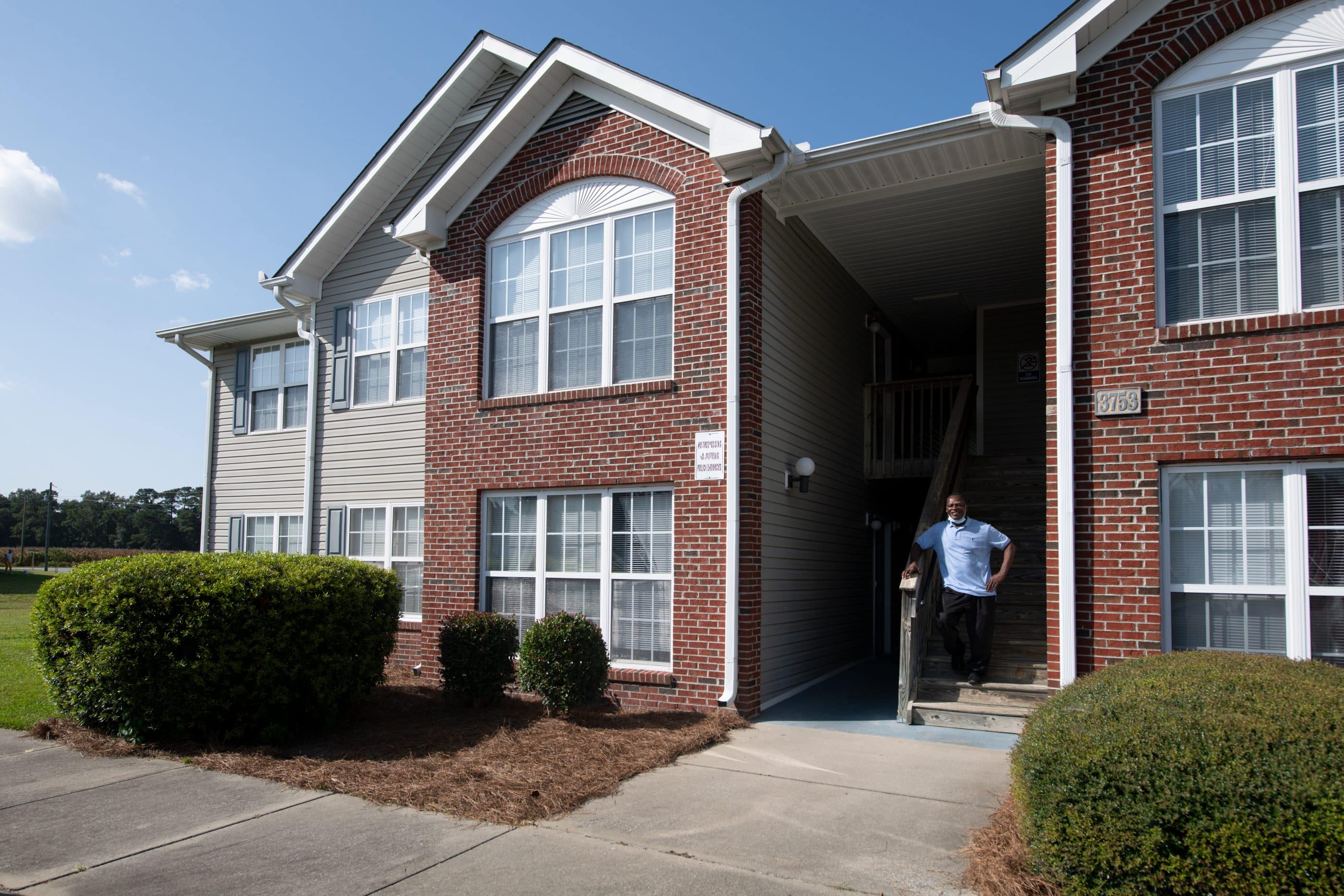
The time for incrementalism has passed. With the clock ticking toward 2050, the legislative window to save these properties is narrow. Protecting the residents of Hunters Ridge in North Carolina and thousands of similar properties across the heartland is not just good policy—it is essential for the future of rural America.

 Muslim
 Asro
Asro