


 Rifan Muazin
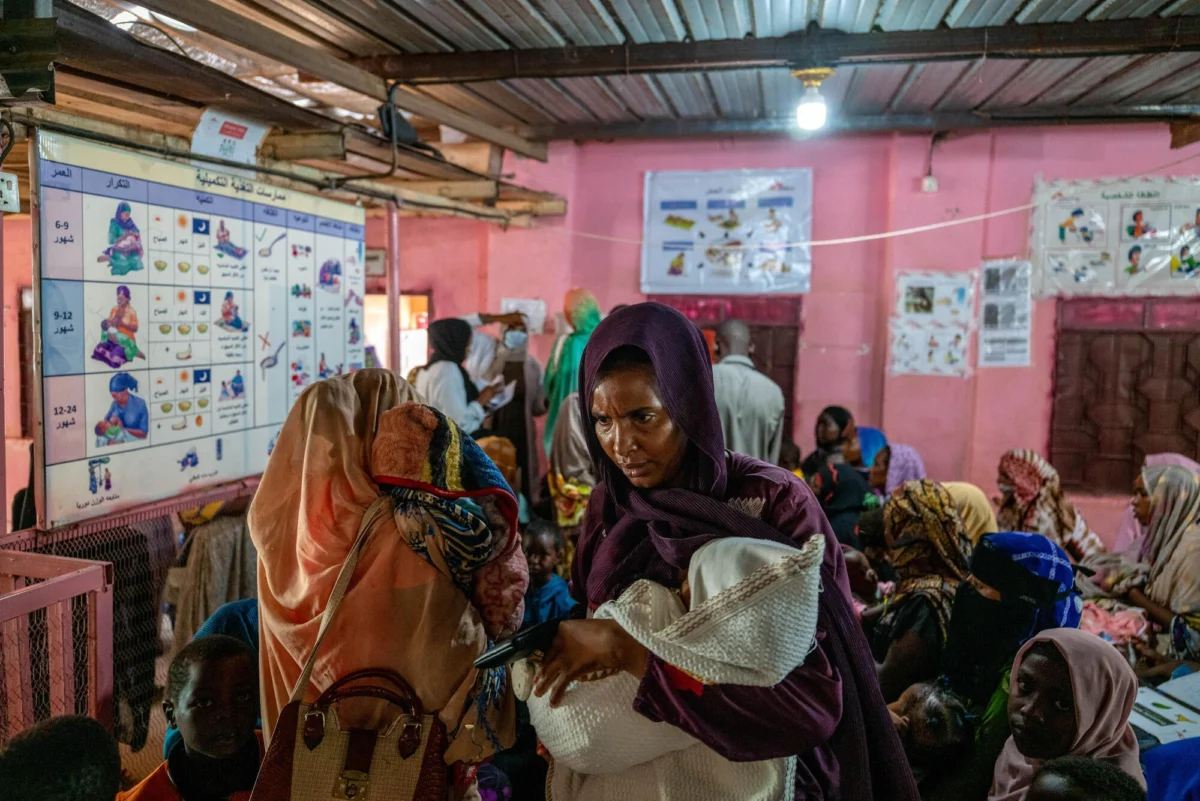
Introduction: A Nationwide Medical Emergency
As Sudan continues to grapple with the devastating consequences of protracted conflict, the medical landscape remains precarious for millions of civilians. Médecins Sans Frontières (MSF) has emerged as a cornerstone of the humanitarian response, deploying more than 1,700 dedicated staff across 10 of Sudan’s 18 states. Operating a complex network that includes two hospitals and two clinics under direct management, while providing critical technical and material support to an additional 13 hospitals and 18 primary health care centers, MSF is currently the primary provider of life-saving medical care in some of the country’s most volatile regions.
Between January and July 2026, the organization’s footprint has expanded to address a multifaceted crisis characterized by mass displacement, the collapse of public health infrastructure, and a surge in infectious diseases.
The Geography of Need: Regional Breakdown
Khartoum State: Maintaining the Urban Lifeline
In the epicenter of the conflict, Khartoum state remains a priority for MSF. Despite the immense security risks, teams continue to deliver essential services at four major hospitals and primary health centers. The focus remains on stabilizing a shattered health system, with teams providing emergency and surgical care, maternal and pediatric services, and specialized treatment for infectious diseases and malnutrition. Operations in Omdurman, Khartoum city, Bahri, and Jabal Awliya serve as a testament to the resilience of local and international staff working under constant threat.
The Blue Nile and Gedaref: Battling Disease and Displacement
In the Blue Nile state, MSF is the primary operator of the malnutrition ward at the main state hospital. Beyond clinical care, the organization has taken a leading role in epidemic surveillance and mental health support. A particular focal point is the Karama camp, home to over 110,000 displaced people, where MSF manages a comprehensive suite of services, including reproductive health, vector control to prevent insect-borne diseases, and critical water, sanitation, and hygiene (WASH) interventions.
Meanwhile, in Gedaref, MSF teams are confronting the "double burden" of conflict and chronic disease. Gedaref serves as a global hotspot for kala azar (visceral leishmaniasis), and MSF continues to run two dedicated treatment projects for the disease alongside emergency and maternity care. The state’s hospitals are also critical nodes for cholera treatment, as teams work tirelessly to manage outbreaks among both local populations and displaced communities.
White Nile: Rapid Response and Surveillance
The White Nile state has become a hub for emergency preparedness. MSF has focused its resources on strengthening community surveillance networks. By supporting two rapid response teams, the organization ensures that potential disease outbreaks are identified early, facilitating swift case management and efficient referral pathways to regional health facilities.
The Kordofan Region: Breaking Barriers to Access
In North Kordofan, after months of painstaking negotiations with local authorities, MSF launched an emergency response in El Obeid in January 2026. This move followed a grim assessment in late 2025 that identified systemic failures in water and sanitation infrastructure.
In South Kordofan, the focus is on the town of Abu Jubeiha, a transit point for continuous waves of displaced people. MSF is currently rehabilitating the local hospital’s emergency department, positioning staff to provide surgical and trauma care, and spearheading vaccination campaigns to prevent the spread of preventable diseases in overcrowded displacement sites.
The Darfur Crisis: A Frontline of Conflict
The situation across the five Darfur states represents the most acute humanitarian challenge in Sudan.
- Central and West Darfur: MSF supports four hospitals and a primary health center in areas including Foro Baranga, Zalingei, and El Geneina. Most notably, the organization continues to operate in the northern Jebel Marra—a region held by the neutral-declared SLA-AW—providing care for survivors of sexual violence, malnutrition, and trauma.
- North Darfur: The security situation has deteriorated sharply due to intensified drone strikes in Tina and Karnoi. Following the suspension of operations at the Zamzam camp in February 2025, MSF shifted its focus to a 200-bed hospital in Tawila. This facility remains a beacon of hope for the 600,000 to 800,000 displaced people in the vicinity, serving as the only large-scale epidemic response center in the region.
- South Darfur: In the isolated regions of Nyala, Kas, and South Jebel Marra, MSF provides the only reliable pediatric, neonatology, and maternity care. Beyond the wards, the organization has undertaken the arduous task of repairing water infrastructure, including hand pumps and urban networks destroyed by heavy artillery and sustained combat.
Chronology: The First Seven Months of 2026
- January: Launch of the emergency response in El Obeid (North Kordofan) following successful access negotiations.
- February: Sustained escalation of drone strikes in North Darfur necessitates a strategic shift in emergency medical resources toward Tawila.
- March – May: Expansion of cholera and kala azar treatment programs in Gedaref and Blue Nile to combat seasonal spikes in transmission.
- June: Completion of the emergency department rehabilitation in Abu Jubeiha (South Kordofan).
- July: Intensive focus on maternal and pediatric care across all Darfur operations as displacement numbers reach new peaks.
Supporting Data and Humanitarian Metrics
While individual medical outcomes are tracked daily, the macro-level indicators paint a grim picture:
- Displacement Impact: Operations in camps like Karama and Tawila serve populations exceeding 100,000 and 600,000 respectively, highlighting the sheer scale of the humanitarian burden.
- Specialized Care: The treatment of kala azar in Gedaref and the management of trauma cases in Darfur represent specialized medical interventions that would be entirely unavailable without MSF’s presence.
- Infrastructure Repair: Beyond medicine, the restoration of water systems in South Darfur is a vital public health intervention that directly reduces the incidence of waterborne diseases like cholera.
Official Responses and Operational Philosophy
MSF maintains a position of strict neutrality, which is essential for accessing hard-to-reach areas like the Jebel Marra. In statements regarding their operations, MSF spokespeople have consistently emphasized that medical care is a universal right, regardless of the political or military affiliations of the territory. The organization has repeatedly called for the protection of medical facilities and the cessation of attacks on healthcare workers, noting that the "drone strikes affecting civilian areas" have severely complicated the logistics of transporting life-saving medicines and supplies.
Implications: The Future of Health in Sudan
The ongoing conflict in Sudan is not merely a military confrontation; it is a profound public health catastrophe. The implications of the current situation are twofold:
- The "Silent" Epidemics: As the international community focuses on the conflict’s political aspects, diseases like measles, cholera, and kala azar are thriving in the vacuum created by the collapse of the state health system. MSF’s current efforts are preventing an even greater loss of life, but the organization notes that their capacity is stretched to its absolute limit.
- Systemic Collapse: The rehabilitation of water networks and the training of local health staff in emergency medicine suggest that the path to recovery will require more than just emergency aid. There is a pressing need for sustained, long-term investment in local infrastructure that can survive the volatility of the ongoing war.
As of mid-2026, MSF remains the final line of defense for millions. The organization’s ability to pivot—from treating war-wounded in North Darfur to managing clean water projects in the South—highlights the adaptability required to operate in one of the world’s most dangerous environments. However, without a broader international commitment to humanitarian access and the protection of medical neutral zones, the medical crisis in Sudan threatens to deepen, further eroding the foundation of the country’s future.

 Reynand Wu
 Layla Zulfa