
 Muslim
By HIAS Staff
September 25, 2026
The western provinces of Colombia are currently grappling with the most profound humanitarian crisis in recent memory. On August 10, 2026, a devastating 7.4 magnitude earthquake struck near San José del Palmar in the Chocó province, sending shockwaves across the region and fundamentally altering the landscape of the country’s western corridor. More than six weeks after the earth stopped shaking, the scale of the destruction remains staggering. With over 466,000 individuals still identified as affected and more than 200,000 homes sustaining varying degrees of structural damage, the nation is in the midst of a complex, long-term recovery effort.
As relief organizations, government agencies, and international partners struggle to address the immense needs of the displaced, the role of humanitarian actors like HIAS Colombia has become increasingly critical. From immediate emergency relief to long-term community stabilization, the response to this disaster serves as a testament to the resilience of the Colombian people and the urgent need for sustained international solidarity.
The Chronology of a Catastrophe
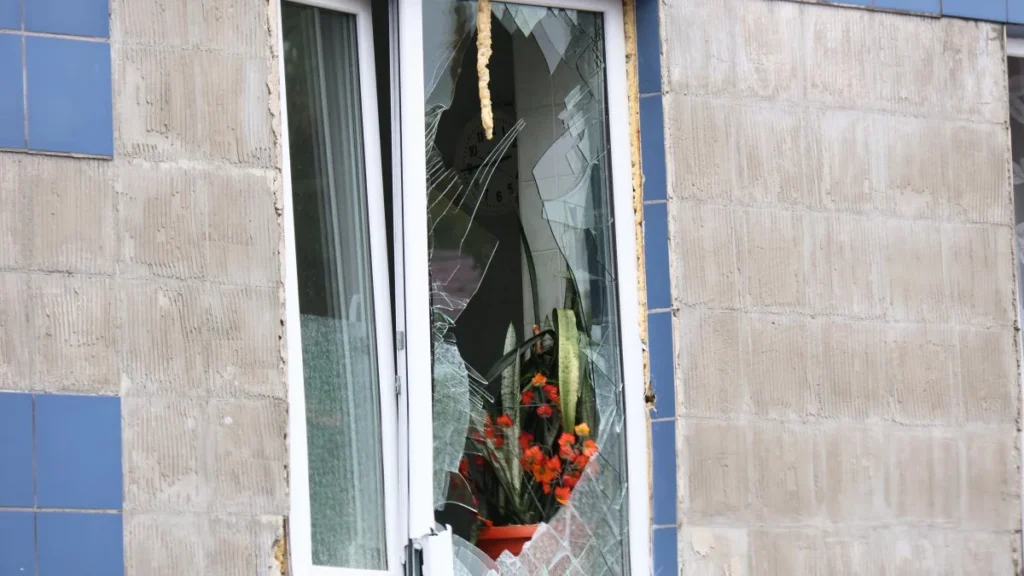
The disaster began on the morning of August 10, when seismic activity—rarely felt with such ferocity in the region—leveled infrastructure and trapped residents beneath rubble. The immediate hours following the quake were characterized by chaos, as communication networks collapsed and rural roads were severed by landslides, isolating some of the most vulnerable communities in Chocó and surrounding provinces.
By August 12, international aid agencies, including HIAS, had begun to mobilize. The primary challenge during this initial phase was the "last mile" delivery of aid. Because of the mountainous terrain and the destruction of local bridges, access to rural zones like Naranjal and Primavera remained precarious.
By the end of August, the focus shifted from search-and-rescue to stabilization. Reports from the United Nations Office for the Coordination of Humanitarian Affairs (OCHA) confirmed that the impact was not merely localized but systemic, affecting the education, healthcare, and economic viability of multiple departments, including Risaralda, Valle del Cauca, Quindío, and Caldas. Today, as of late September, the emergency response has evolved into a secondary phase, focusing on temporary housing and the mental health of displaced populations.
Supporting Data: The Human Cost of the Quake
To understand the magnitude of the disaster, one must look at the grim statistics emerging from the region. The earthquake is now documented as one of the deadliest in Colombia’s modern history, with at least 331 confirmed fatalities. The human toll extends far beyond those who lost their lives: more than 4,500 people were injured, many requiring specialized medical attention that local health centers, themselves damaged by the tremor, have been unable to provide.
Furthermore, 111 individuals remain missing, leaving families in a state of agonizing uncertainty. The displacement figures are equally sobering. With 200,000 homes damaged or destroyed, hundreds of thousands of people are currently living in makeshift shelters, with host families, or in temporary housing units. In rural sectors, the lack of basic utilities—potable water, electricity, and telecommunications—has effectively turned the recovery into a struggle for basic survival.
A Convergence of Crises: The "Polycrisis" Effect
What makes the 2026 earthquake particularly devastating is the context in which it occurred. Colombia was already grappling with a "polycrisis"—a convergence of environmental and social stressors that have stretched the government’s response capacity to its absolute limit.
The earthquake hit while the country was already battling the adverse effects of El Niño, which has triggered severe drought, wildfires, and localized flooding in different parts of the nation. These climate-linked events have decimated agricultural yields, making food security a primary concern for earthquake survivors. Moreover, the regions impacted by the earthquake were already dealing with high rates of conflict-related displacement. For families who were already refugees or internally displaced persons (IDPs), the earthquake served as a "second disaster," stripping them of the limited stability they had managed to build.
The combination of seismic destruction, climate instability, and pre-existing humanitarian displacement has created a logistical nightmare for relief agencies, who must now deliver aid to people who are not just victims of a quake, but victims of a broader, systemic breakdown of safety and resources.
Official Responses and Humanitarian Mobilization
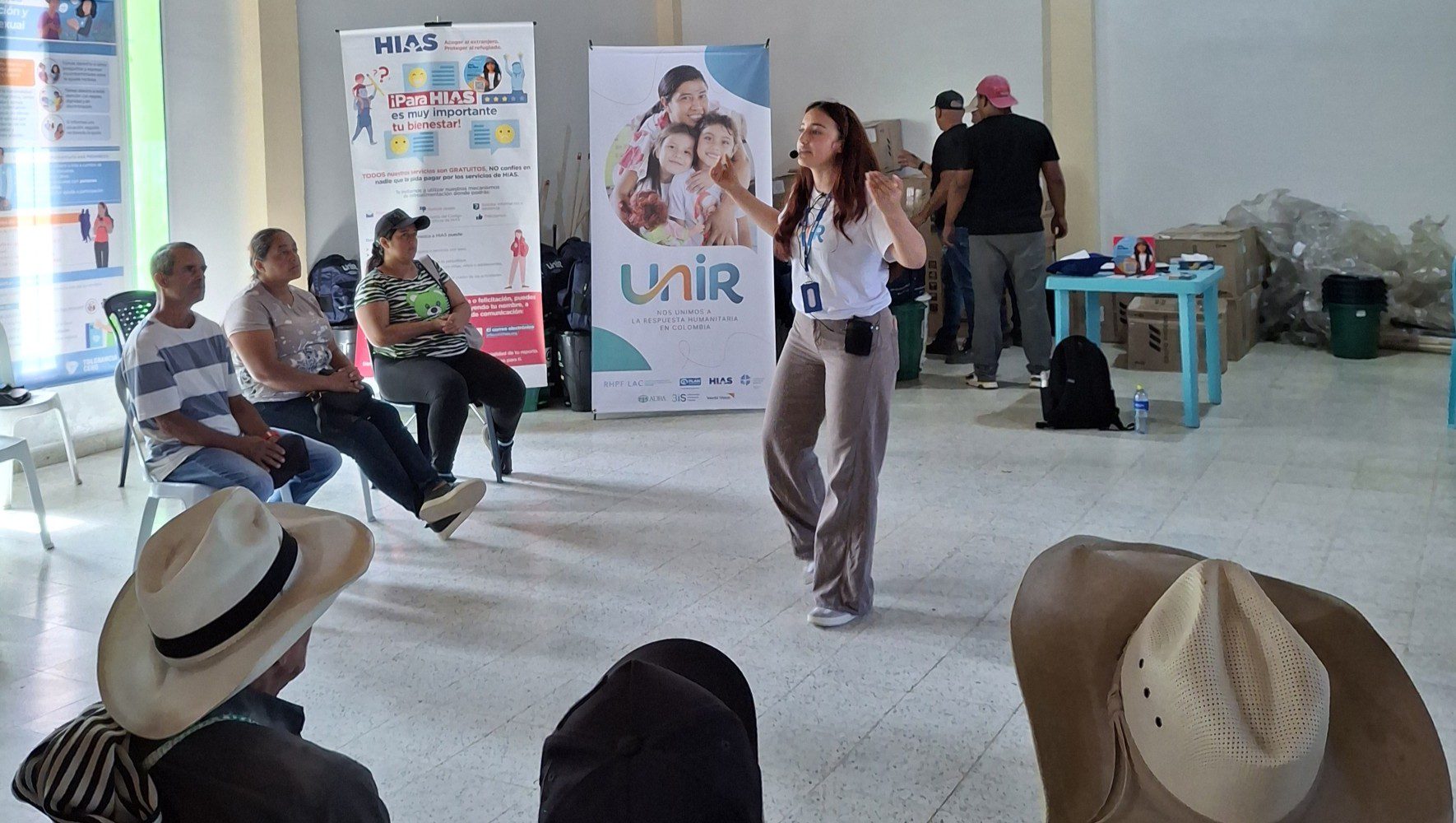
The response from the Colombian government, supported by the international community, has been comprehensive yet hampered by the sheer scale of the needs. HIAS Colombia, leveraging its deep local roots, has played a pivotal role in the front-line response. Working within the UNIR consortium and supported by the Colombia Humanitarian Fund, HIAS has prioritized the most vulnerable: families with children, individuals with disabilities, and those at risk of gender-based violence.
Strategic Intervention: Cash and Housing
HIAS has adopted a two-pronged strategy: immediate relief and dignified recovery. Direct cash assistance has been a cornerstone of this effort. By providing cash rather than just physical goods, HIAS empowers survivors to prioritize their own needs—whether that is purchasing medicine, repairing a roof, or buying food that meets specific dietary requirements.
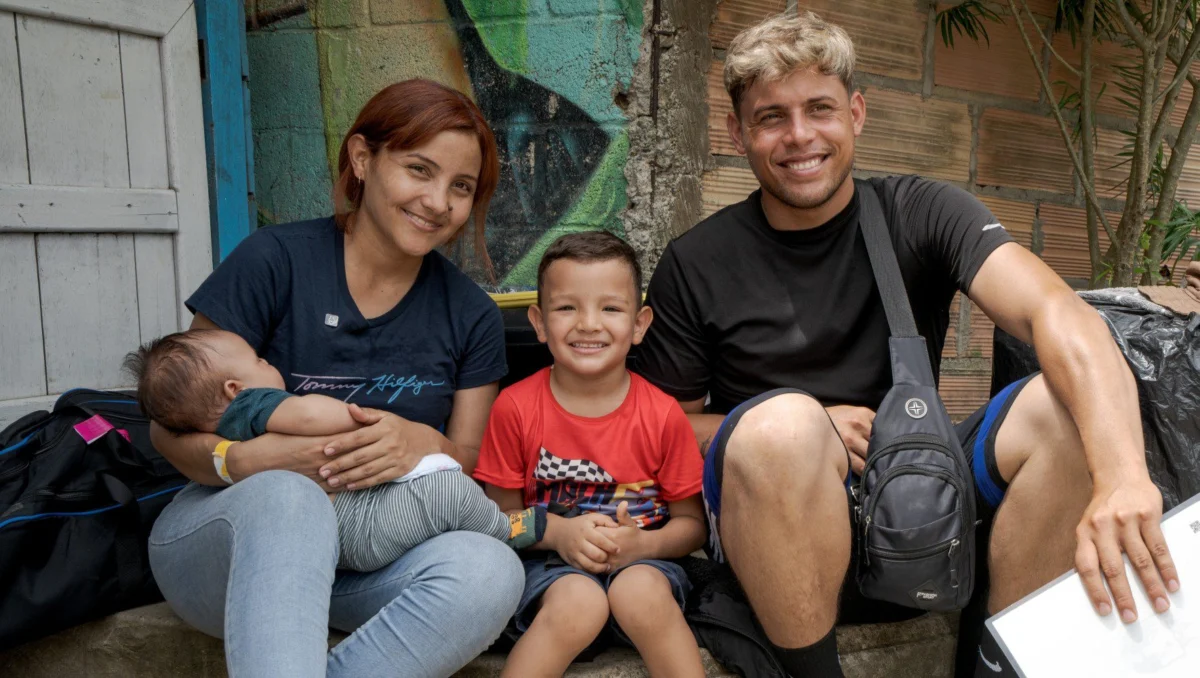
Perhaps the most innovative component of the response is the partnership with Airbnb. Recognizing that traditional emergency shelters can sometimes be overcrowded and lack privacy, HIAS has facilitated temporary housing solutions in cities like Cali. One beneficiary, Catherine, a mother who lost her home, was able to secure 28 days of safe, stable housing for her and her children. This partnership provides more than just a roof; it provides the psychological space necessary for survivors to plan their next steps without the immediate fear of homelessness.
Education and Community Resilience
Beyond physical aid, HIAS is conducting community-led workshops. These sessions are vital for long-term health and safety, focusing on:
- Hygiene and Sanitation: Training on safe water use and waste management to prevent the spread of disease in post-disaster conditions.
- Health and Nutrition: Guidance on healthy eating under constrained circumstances.
- Self-Care and Psychosocial Support: Helping survivors process the trauma of the disaster, which is essential for community rebuilding.
Implications: The Road Ahead
The long-term implications of the August 10 earthquake are significant. The destruction of educational institutions and health clinics means that a generation of children may face interruptions in their schooling, and rural populations will continue to struggle with access to healthcare for months, if not years, to come.
The government faces the monumental task of reconstruction, which will require significant investment in infrastructure that is seismically resilient. However, the true success of the recovery will be measured by the ability to rebuild social cohesion. As communities in Naranjal and Primavera attempt to pick up the pieces, they do so with the knowledge that their vulnerability is high.
For the international community, the lesson of the 2026 Colombia earthquake is clear: humanitarian assistance must be multifaceted. It is no longer enough to provide tents and food. True recovery requires an integrated approach that accounts for climate change, pre-existing displacement, and the specific needs of vulnerable demographics.
Your Support Matters
More than a month has passed, but for the survivors in Chocó and beyond, the emergency is far from over. Thousands still lack safe, permanent housing, and the psychological scars of the disaster are only beginning to surface. The road to recovery is long, and the resources required are vast.
HIAS Colombia remains on the ground, assessing needs and providing support where it is needed most. However, we cannot do this alone. Your contribution enables the provision of life-saving humanitarian assistance, ensuring that families like Catherine’s are not left behind.
To learn more about our work in the region or to contribute to the emergency relief efforts, please visit the HIAS Colombia website. Every donation—no matter the size—strengthens the fabric of a community struggling to rebuild, providing hope, dignity, and a path toward a safer future. As the world’s attention shifts, let us remain committed to the people of Colombia until the last home is rebuilt and the last survivor is back on their feet.

 Asro
 Lina Hope






