
 Ammar Sabilarrohman
By Lul Ali and Pauline Hurungudo
September 24, 2026
Main Facts: The Power of Light
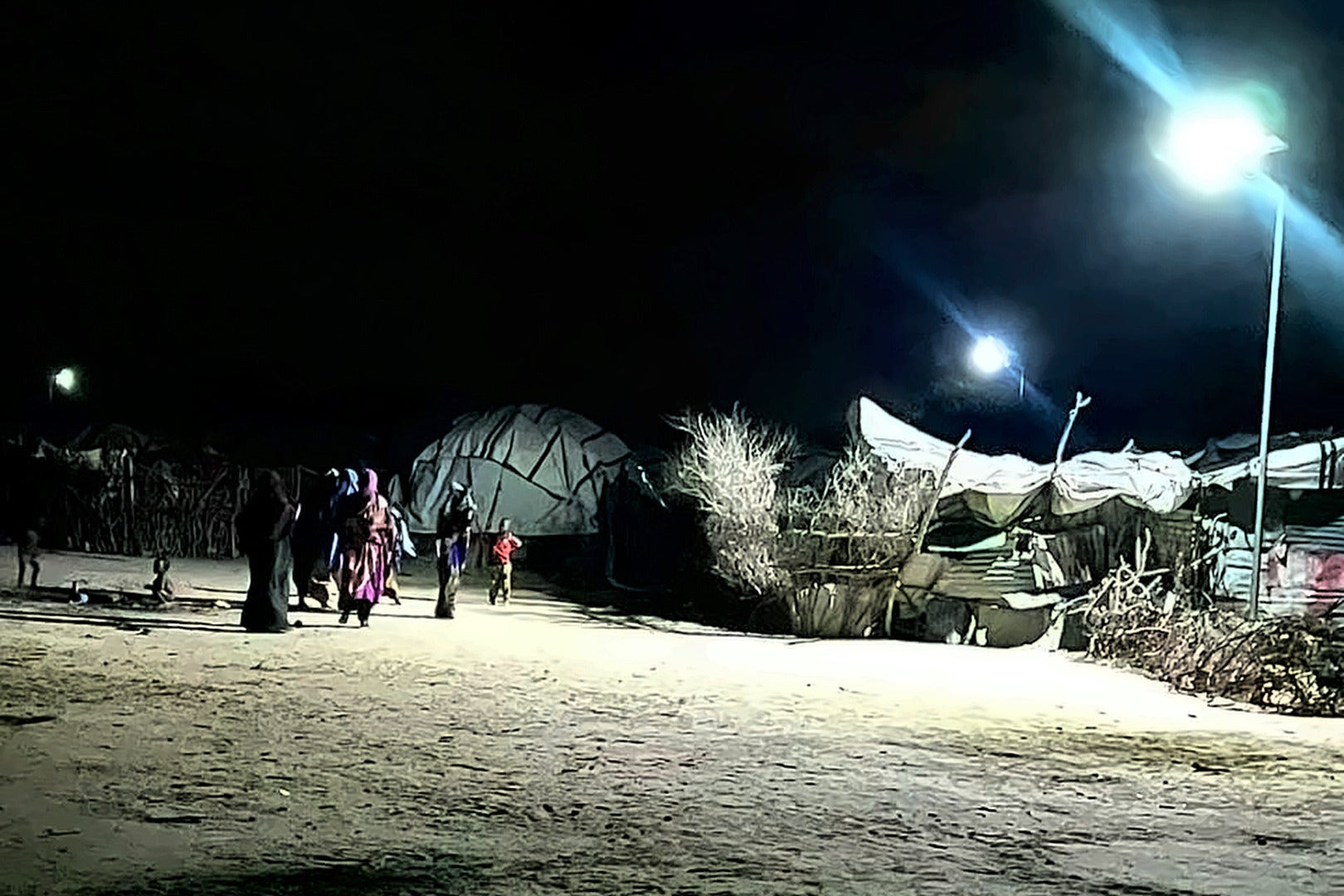
In the sprawling Daryel displacement camp in Somalia’s Lower Juba region, the setting sun used to signal a mandatory lockdown for its 2,200 residents. For women like Kusey Ali Abdi, a mother of seven, the transition from dusk to darkness was not merely a change in time, but a radical narrowing of her world. Without electricity or street lighting, the camp’s narrow pathways became zones of anxiety, where simple tasks—fetching water or visiting a latrine—carried the shadow of potential harassment or violence.
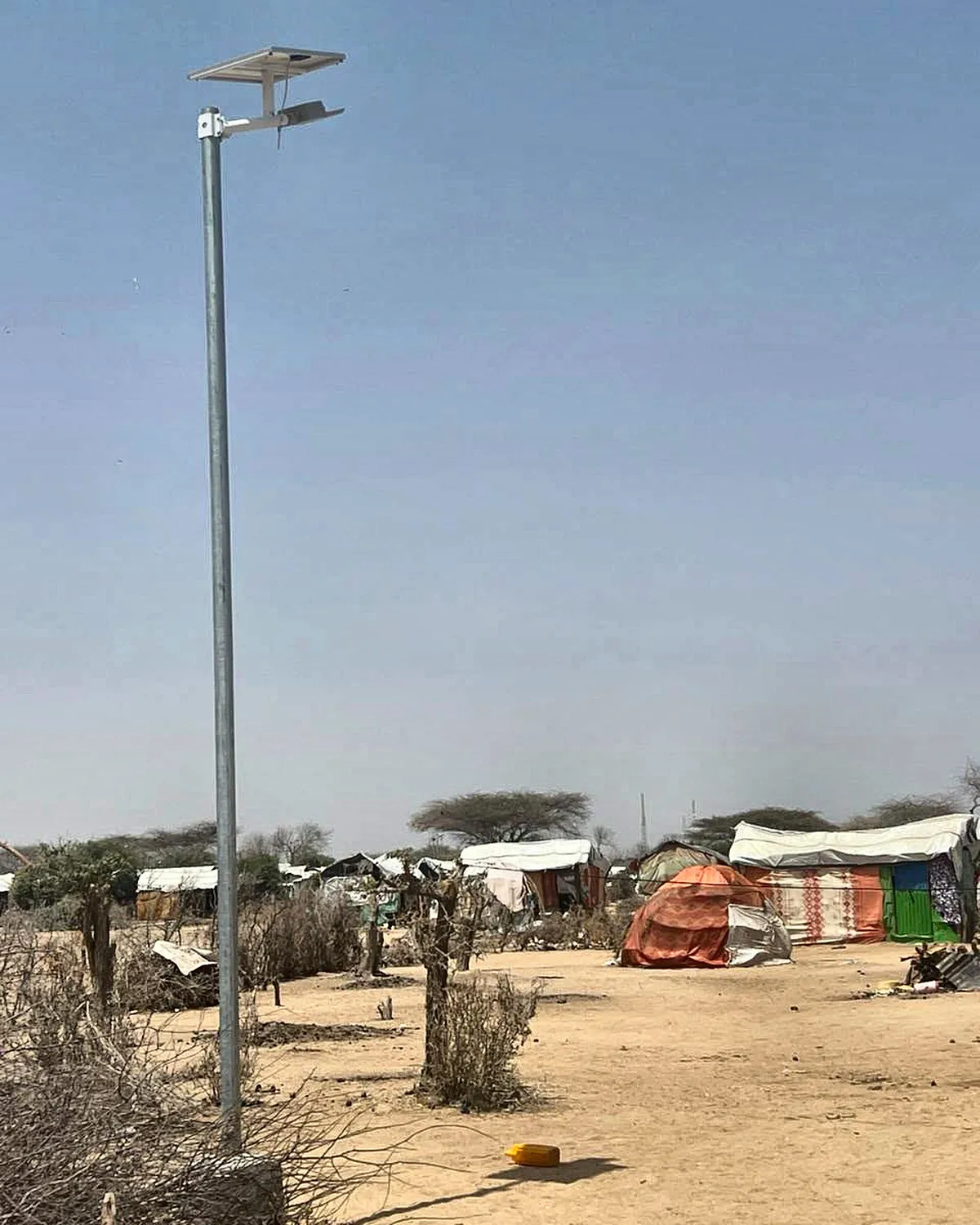
Today, that narrative is shifting. Through a strategic intervention, four solar-powered streetlights have been installed at critical junctions throughout the camp. This initiative, part of a broader humanitarian effort, has transformed the nocturnal landscape of Daryel, granting women the agency to navigate their community after dark and fostering a newfound sense of collective security.
Chronology of a Crisis and a Solution
The struggle for security in Daryel is deeply rooted in the broader Somali conflict. Kusey Ali Abdi’s journey began in Marka, southwest Somalia. Her family, once self-sufficient farmers, were forced to abandon their land when armed groups seized control, stripping them of their livelihood and safety. Like thousands of others, they fled to Daryel, hoping to find a stable environment for their children.
However, displacement brings its own set of dangers. In the early days of the camp, life was dictated by the sun. Residents relied on the fleeting light of dusk or the unreliable glow of small, handheld torches.
The timeline of change:
- The Problem Identification Phase: Following concerns raised by residents regarding protection risks, CARE, in collaboration with the Jubaland Commission for Refugees and Internally Displaced Persons (JUCRI), conducted a participatory assessment. Unlike top-down projects, this intervention prioritized the voices of those most affected: the women and girls of the camp.
- The Planning Phase: Through community forums, women identified the "hotspots" of danger—areas near water points, sanitation facilities, and shared gathering spaces that were pitch-black after sunset.
- The Implementation Phase: Over the summer of 2026, four high-visibility solar streetlights were installed.
- The Handover: After two months of successful operation, the management of these lights was formally handed over to local camp leadership, ensuring that maintenance and minor repairs are handled by the community itself in coordination with JUCRI.
Supporting Data: A Landscape of Displacement
The installation of four streetlights may seem like a modest intervention, but it occurs within the context of one of the world’s most acute humanitarian crises. According to the United Nations High Commissioner for Refugees (UNHCR), the first three months of 2026 alone saw over 511,000 internal displacements across Somalia.
The demographics of this displacement are stark: women and children account for approximately 85% of those forced from their homes. These families are frequently left in a state of perpetual limbo, relying on communal infrastructure that is rarely designed with long-term safety in mind.
When researchers at the site interviewed residents, the correlation between light and safety was undeniable. Before the solar installation, a significant percentage of female residents reported avoiding communal areas entirely after dark. Post-installation, the usage of water points and community spaces during evening hours has increased significantly, indicating that the light has served as a tangible barrier against protection risks such as theft and gender-based violence.
Official Responses and Community Impact
The project is a cornerstone of CARE’s Integrated Support through Protection and Resilience Action for Crisis-Affected and Displaced Communities in Lower Juba.
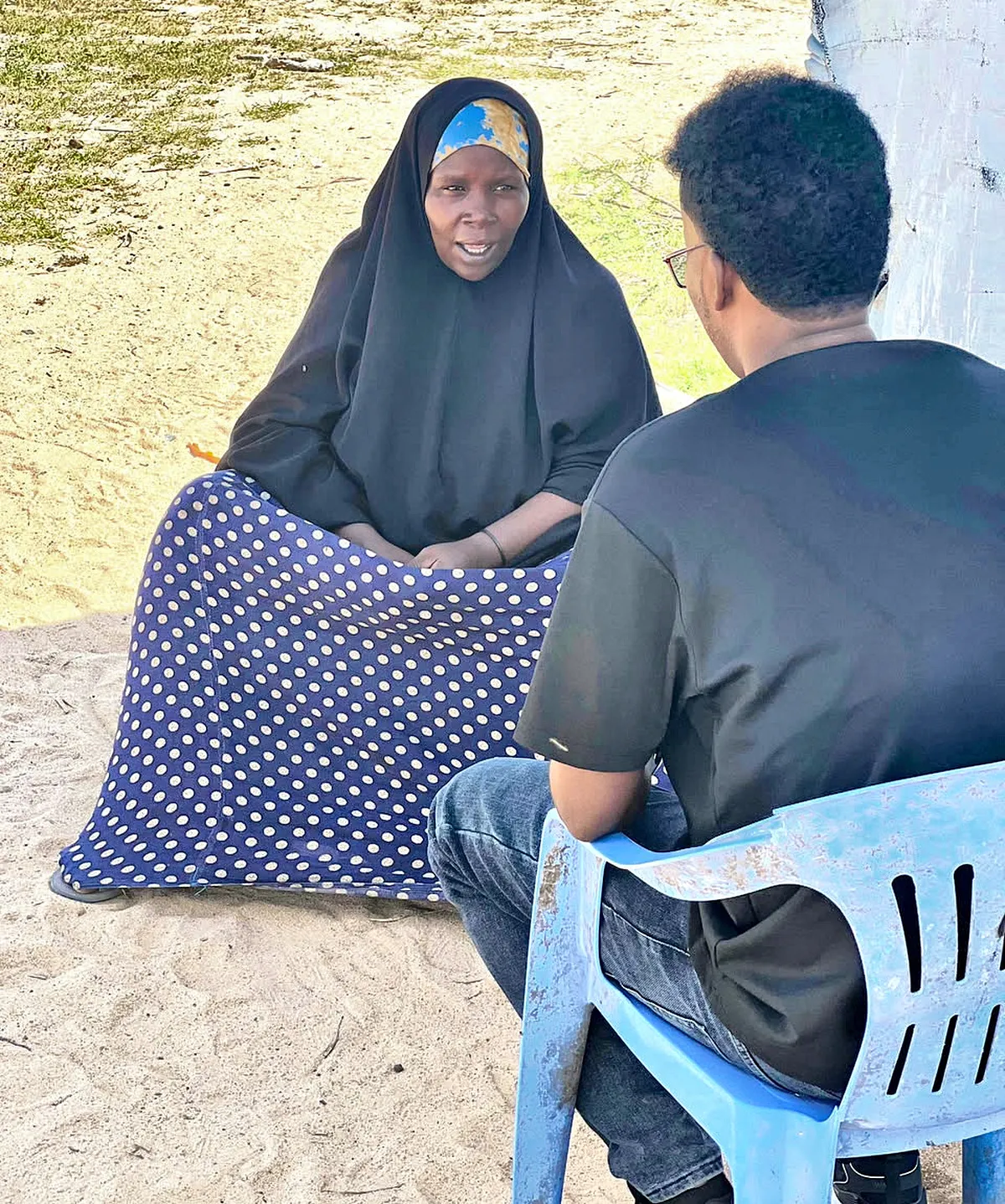
"The lights have given us freedom we didn’t have before," Kusey noted during a follow-up interview with a CARE psychosocial support counselor. "I can collect water when it is less crowded, and I attend meetings with other women in the community. I can go out at night without fear."
Local authorities and aid workers emphasize that while light is not a panacea for the root causes of displacement, it is a vital tool for human dignity. By involving the community in the placement of the lights, the project ensured that the intervention addressed the specific, lived realities of the residents.
"The light doesn’t just illuminate a path; it illuminates the possibility of a normal life," says a local project coordinator. "When you can see your neighbor, when you can watch your children play after the sun goes down, the feeling of ‘displacement’ starts to diminish, replaced by a feeling of ‘community.’"
The Broader Implications: Beyond the Bulb
While the solar panels provide energy, the social impact is arguably more profound. The installation has fostered a ripple effect throughout Daryel:
- Increased Social Cohesion: Neighbors who previously retreated behind tarpaulin walls now gather under the glow of the lights to share news and support one another.
- Child Welfare: For the first time, children have a safe, communal space to play in the evenings, providing a small but necessary reprieve from the stresses of camp life.
- Governance and Ownership: By handing over maintenance duties to camp leaders, the project has built a model of local resilience. If a light flickers or fails, the community knows exactly who to contact, fostering a sense of civic responsibility.
Addressing the Larger Crisis
Despite these improvements, the humanitarian sector remains cautious. The reality for families in Daryel is still defined by the lack of permanent housing, food insecurity, and the ongoing trauma of conflict. The solar lights are a temporary, albeit essential, adaptation to a chronic situation.
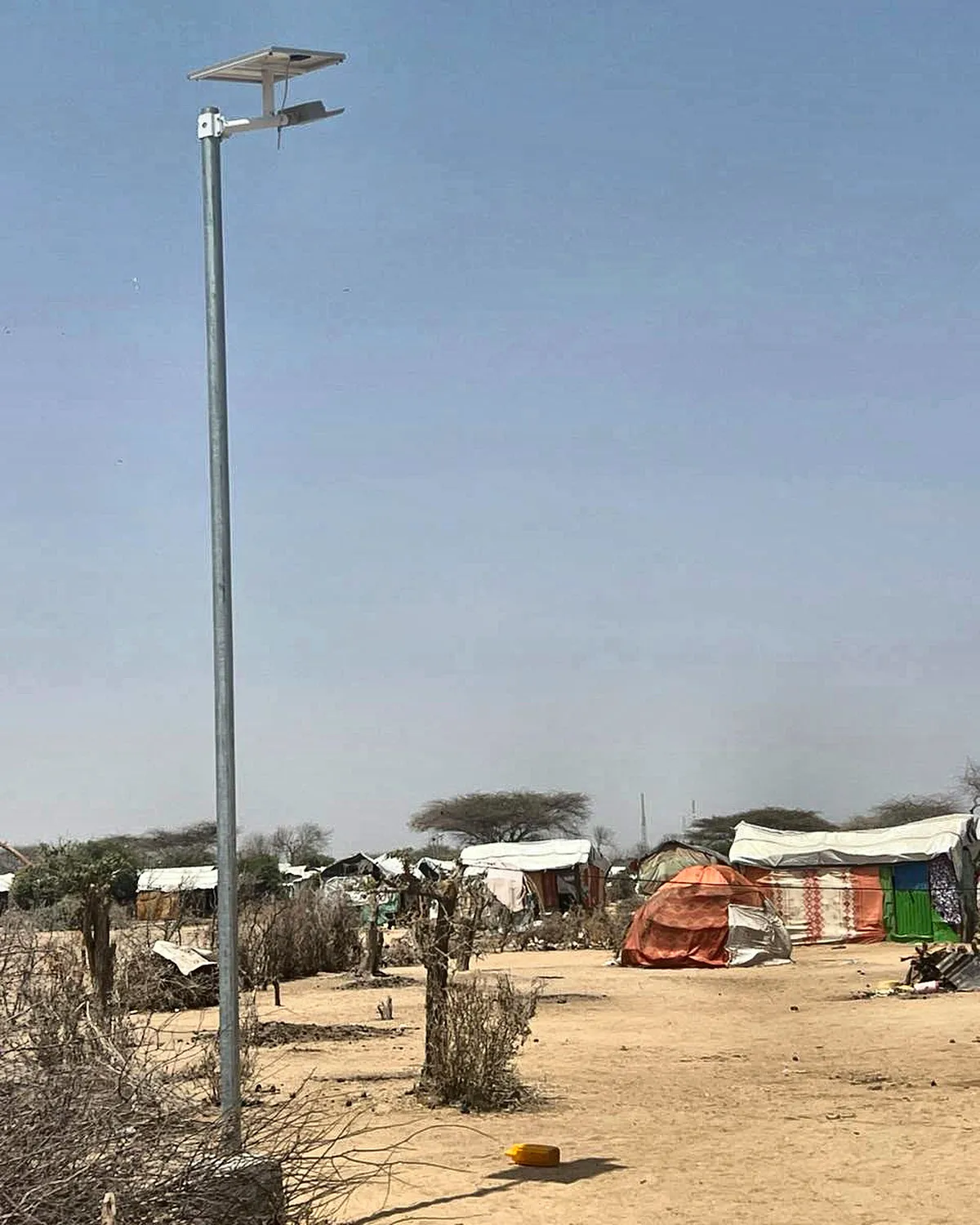
"Four streetlights cannot address the circumstances that displaced Kusey’s family," the project report acknowledges. The crisis in Somalia remains complex, driven by a volatile mix of climate-induced drought, catastrophic flooding, and persistent conflict. Humanitarian organizations like CARE continue to lobby for long-term solutions, including land tenure, sustainable economic opportunities, and health infrastructure.
However, in the absence of a comprehensive political solution, such small-scale interventions provide a lifeline. They demonstrate that in the middle of a massive, overwhelming crisis, there is still room for precision-based humanitarian aid that directly targets the daily, lived experiences of women.
As night falls over the Lower Juba region, the solar lights in Daryel flicker on—a small, bright testament to the idea that even in the darkest of circumstances, a little light can change everything. For Kusey Ali Abdi and her children, the evening is no longer a time of fear, but a time of community, rest, and hope.
Since 1981, CARE has worked in Somalia to provide lifesaving humanitarian assistance and support communities facing conflict, displacement, drought, hunger, and other crises. Today, the organization works alongside local partners in regions including Puntland and Somaliland to improve access to health and nutrition services, clean water, and economic opportunities, with a persistent, unwavering focus on the protection and empowerment of women and girls.
To learn more about how you can support families in crisis, visit CARE’s website and join the movement to provide sustainable, long-term humanitarian support.

 Ali Ikhwan

 Nana Wu