
 Jia Lissa
WASHINGTON – A high-stakes legal battle over the integrity and accessibility of the American electoral process has reached a critical turning point. A powerful coalition of civil rights organizations—including the Lawyers’ Committee for Civil Rights Under Law, the NAACP, Common Cause, and the Black Voters Matter Fund—has filed an amended complaint in federal court, escalating their challenge against the current administration’s executive actions regarding mail-in voting.
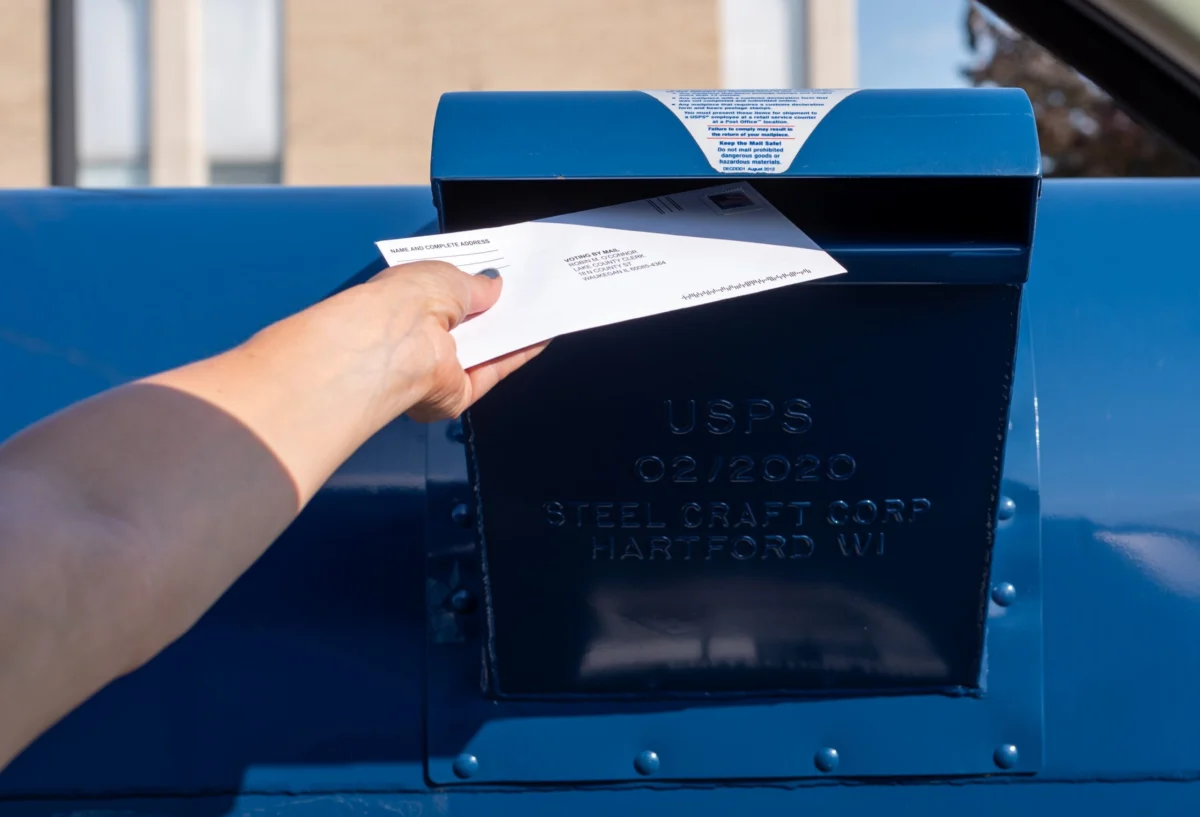
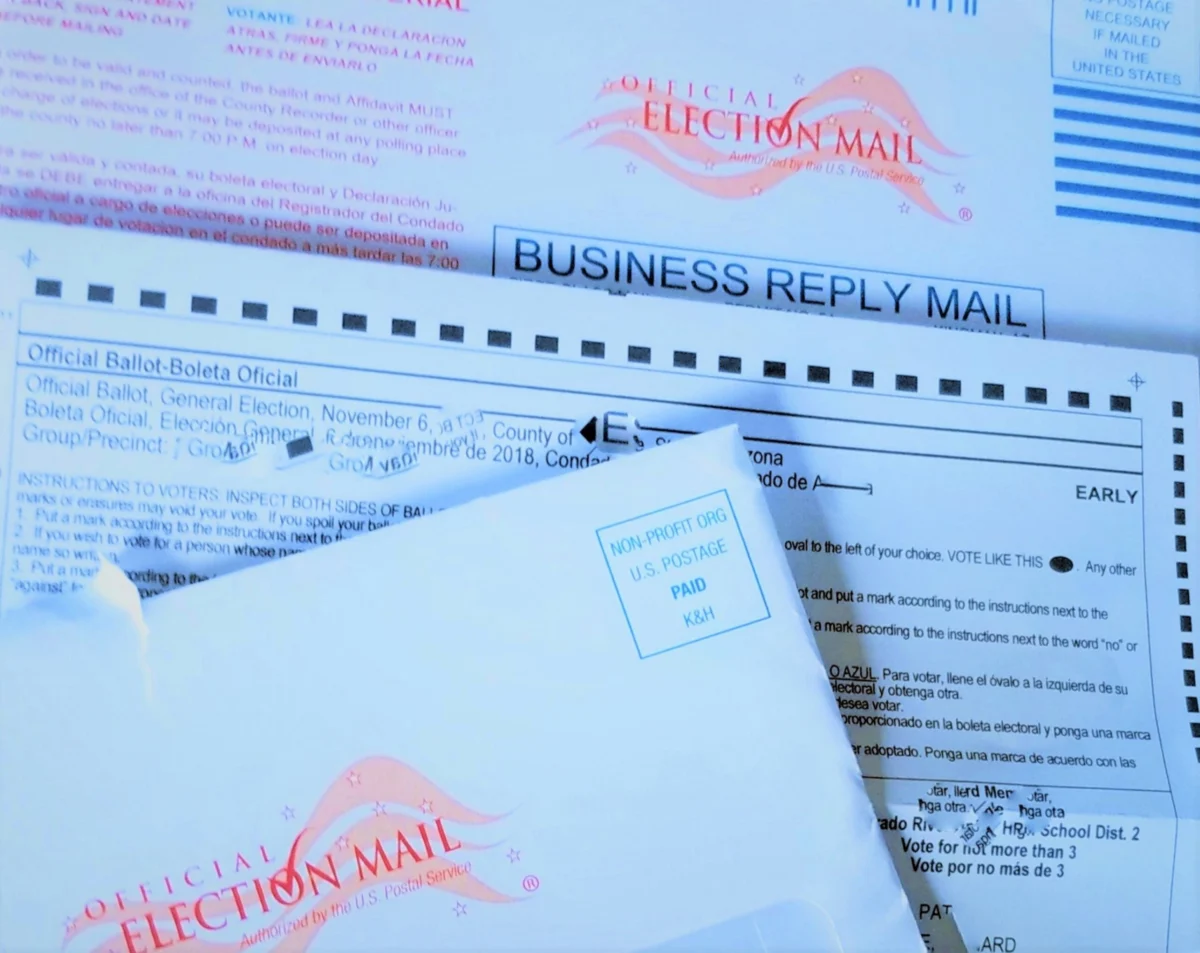
The focal point of this new legal action is a recently issued directive by the United States Postal Service (USPS) that imposes stringent, and according to the plaintiffs, "illegal" restrictions on the processing and delivery of mail-in ballots. As the nation approaches the November election, this filing seeks an immediate judicial injunction to halt the implementation of these rules, which critics argue are designed to systematically disenfranchise millions of eligible voters.
The Core Conflict: A New Hurdle for Democracy
The dispute centers on the authority of a federal agency—the USPS—to unilaterally implement operational changes that directly impact the administration of state-run elections. The plaintiffs contend that the new USPS rule will cause widespread disruption to the mail-in voting process, effectively overriding state-level election statutes that have long governed how ballots are cast and collected.
By creating last-minute hurdles, the coalition argues, the federal government is weaponizing the postal system to favor specific political outcomes. The potential impact is vast, threatening the participation of marginalized communities, including Black voters, seniors, individuals with disabilities, rural residents, and military personnel serving overseas, all of whom disproportionately rely on mail-in ballots to exercise their constitutional right to vote.
Chronology: From Executive Order to Federal Litigation
The current legal confrontation is the culmination of months of friction between civil rights groups and the administration. The trajectory of this litigation highlights the escalating tensions regarding election security and access:
- April 2026: The coalition launched the original lawsuit, challenging the president’s executive order concerning mail-in voting. At that time, a federal judge paused the proceedings, citing that the restrictions were not yet finalized or actively enforced, rendering the case "not yet ripe" for judicial intervention.
- Summer 2026: Throughout the intervening months, reports surfaced regarding internal shifts within the USPS. Despite the pending legal questions, the Postal Service moved forward with drafting and finalizing new operational rules that impact the transit and prioritization of election mail.
- Late Summer 2026: The USPS rule was finalized, providing the legal "trigger" needed for the coalition to return to court.
- Present Day: The coalition filed their amended complaint, directly targeting the finalized USPS rule and requesting an emergency hearing to place the regulations on hold before the upcoming November elections.
Supporting Data: The Scope of Reliance on Mail-In Ballots
To understand the scale of the potential disenfranchisement, one must look at the reliance on mail-in voting in recent cycles. An amicus brief filed by the Lawyers’ Committee and partner organizations during a separate Supreme Court case underscores the demographic reality of absentee voting.
Data from the 2024 election cycle indicates that in 32 states, absentee voting accounted for approximately 31 percent of all votes cast. This represents a massive shift in how Americans participate in democracy. Specifically, the data highlights that:
- Nearly 2 million Black voters utilized mail-in ballots.
- Nearly 3 million Asian voters relied on the system.
- Over 4 million Hispanic voters cast their ballots via mail.
These figures illustrate that any systemic disruption to the postal service is not merely a bureaucratic inconvenience; it is an effective form of voter suppression that disproportionately targets voters of color. The plaintiffs argue that these rules, presented under the guise of "election security," are functionally designed to create barriers where none existed previously.
Official Responses: A Call to Protect Fundamental Freedoms
The leaders of the participating organizations have issued scathing rebukes of the administration’s actions, framing the situation as a direct threat to the democratic process.
Damon Hewitt, president and executive director of the Lawyers’ Committee for Civil Rights Under Law, emphasized the strategic nature of the interference. "The administration is trying to limit access to the ballot, sow confusion at the polls, and use the ensuing chaos as an excuse to exert power over agencies and processes in a politicized way," Hewitt stated. "We will not let this or any administration further undermine our democratic process."
Derrick Johnson, president and CEO of the NAACP, echoed these sentiments, labeling the rule a "direct assault on the fundamental freedoms of millions of Americans." He stressed that the timing—just weeks before a critical election—is particularly egregious, suggesting an intentional attempt to silence specific segments of the electorate.
Virginia Kase Solomón, president and CEO of Common Cause, pointed to the irony of the situation, noting, "Mail-in voting is so safe that even the president has used it twice this year." She characterized the move as the weaponization of a public service agency, asserting that the Postal Service exists to facilitate communication and democratic participation, not to act as a partisan tool.
Cliff Albright and LaTosha Brown, co-founders of the Black Voters Matter Fund, addressed the broader "playbook" behind such policies. "This is the same old playbook—manufacture confusion, create unnecessary hurdles, and chip away at voting access," they noted. They further highlighted the hypocrisy of politicians who utilize mail-in voting for their own convenience while restricting it for the general public, calling for a transparent commitment to equal access.
Legal Implications and Broader Consequences
The amended complaint presents a two-pronged legal argument. First, it asserts that the Postal Service lacks the statutory authority to regulate or interfere with the administration of elections, a power traditionally reserved for the states. Second, it argues that even if the agency had such authority, the specific implementation of these rules violates constitutional protections by creating an undue burden on the right to vote.
If the court grants the injunction, it would force the USPS to revert to established operational standards, potentially safeguarding the millions of ballots expected to be mailed this November. Conversely, if the court allows the rules to stand, the implications for the election could be seismic.
Beyond the immediate legal outcome, the case serves as a warning about the fragility of federal institutions. When administrative agencies are utilized to influence election outcomes, the precedent set could echo for decades, further eroding public trust in both the postal system and the electoral process itself.
Resources for Voters
As the litigation proceeds, the coalition is urging voters to remain vigilant and informed. Confusion and administrative errors are often the primary tools of voter suppression. The Lawyers’ Committee for Civil Rights Under Law continues to operate the Election Protection Hotline at 866-OUR-VOTE. Voters who experience difficulties with mail-in ballots, or who have questions regarding their state’s current rules and deadlines, are encouraged to reach out to this resource for nonpartisan assistance.
As the nation watches this case move through the federal court system, the central question remains: will the judiciary act to preserve the integrity of the ballot, or will the final weeks of the election season be defined by a massive, state-sanctioned disruption of the American vote? For now, the Lawyers’ Committee, the NAACP, and their partners remain committed to their mission: ensuring that every eligible citizen has the opportunity to have their voice heard, regardless of their race, their location, or their method of casting a ballot.

 Raul Delapena Setiawan
 Pevita Pearce