


 Nana Wu
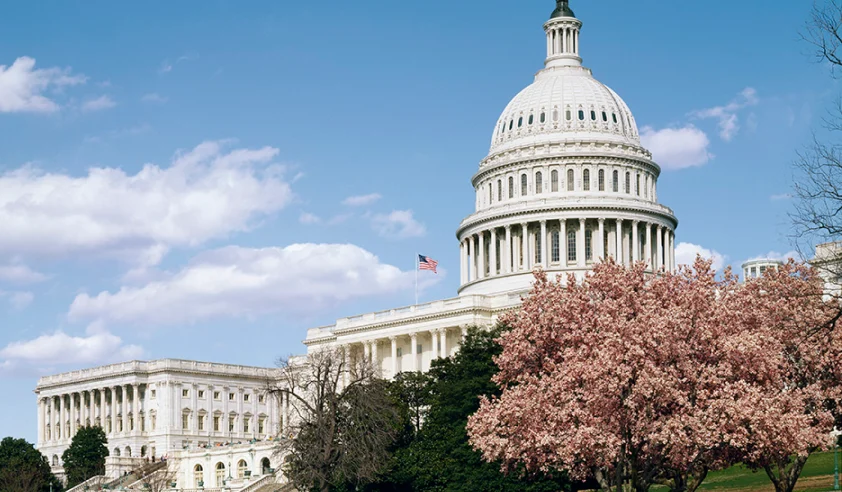
As the 2026 midterm elections approach, the integrity of the American democratic process is facing its most significant stress test in modern history. A coordinated series of efforts by the Trump administration and its political allies has created an environment of uncertainty, characterized by administrative maneuvers, legal challenges, and rhetoric that critics argue is designed to sow doubt and suppress voter turnout.
In response, the American Civil Liberties Union (ACLU) has launched its most extensive election safeguarding initiative to date. With a $24.5 million investment and a nationwide network of thousands of staff, volunteers, and legal experts, the organization is mounting a robust defense of the constitutional right to vote. The following report details the current threats to the ballot, the legal battles underway, and the steps voters can take to ensure their participation is protected.
The Landscape of Interference: A Coordinated Challenge
The current political climate is marked by a multi-front campaign to influence election administration. Federal authorities have engaged in strategies that include attempts to restrict mail-in voting, the pursuit of sensitive voter registration data, and the deployment of federal agents in ways that have raised alarms regarding voter intimidation.
The ACLU asserts that these actions are not mere policy disputes but a systematic attempt to undermine the decentralized nature of American elections. The Constitution explicitly reserves the power to run elections to the states, guided by local officials and state laws. Despite this, the current administration has sought to assert federal authority in areas historically beyond its reach, prompting the ACLU to file more than 80 legal actions since January 2025, with nearly half specifically targeting federal administrative overreach.
Chronology of Legal Defense: From USPS to Statehouses
The legal battle for the 2026 midterms has been building for over a year. Since the start of the current administration’s term in 2025, the judicial system has become the primary arena for defending election integrity.
- Spring 2025: The ACLU initiated litigation against the Department of Justice (DOJ) to block the federal government from creating a centralized national voter database, arguing that such a move would facilitate illegal mass purges of voter rolls.
- Late 2025 – Early 2026: Legal experts focused on state-level barriers. In New Hampshire, the ACLU successfully challenged a restrictive law that required excessive citizen documentation for registration. A federal court blocked the law, ensuring that thousands of eligible voters would not be disenfranchised by bureaucratic hurdles.
- Summer 2026: In Montana, the ACLU secured a victory against legislation that would have drastically curtailed Election Day registration, a move that would have disproportionately affected rural and Native American voters.
- September 2026: The Supreme Court declined to intervene in a lower court ruling that blocked the administration’s attempt to weaponize the U.S. Postal Service (USPS) against mail-in ballots. This ruling effectively solidified mail-in voting as a secure and protected option for the 2026 midterms.
Data Security and the Role of the DOJ
One of the most contentious issues in the lead-up to the midterms has been the Department of Justice’s demand for sensitive voter data. The DOJ has requested information including names, addresses, dates of birth, driver’s license numbers, and partial Social Security numbers from various states.
While approximately a dozen states complied with these requests, the majority resisted. In the subsequent legal battles, the DOJ has lost every case decided so far. The ACLU, participating as a "friend of the court" in over two dozen of these cases, has successfully argued that these seizures violate voter privacy and exceed federal authority.
Crucially, experts emphasize that even in states where data was shared, it does not impact a voter’s registration status. Federal law contains a "90-day window" prior to a federal election, during which states are prohibited from performing systematic purges of voter rolls. That period is currently in effect, providing a legal shield for eligible voters against arbitrary removal.
Voting by Mail and Election Logistics
Despite repeated political rhetoric questioning the security of mail-in ballots, the legal reality remains firmly on the side of the voter. Mail-in voting is a proven, secure, and reliable method of participating in the democratic process.
The ACLU’s victory at the Supreme Court level regarding the USPS ensures that the postal service remains a viable avenue for casting a ballot. Election officials advise that voters should treat mail-in ballots with the same diligence as in-person voting: request them early, complete them accurately, and return them as soon as possible—either via mail or through authorized, secure drop boxes where available.
Confronting the Threat of Intimidation
A significant concern for many voters is the potential for federal agent presence at polling sites. The ACLU has been clear: the deployment of immigration enforcement (ICE), federal officials, or military personnel to interfere with elections is illegal.
The presence of armed agents at the polls is explicitly prohibited by federal law. If a voter encounters such an environment, the ACLU advises them to remain calm, document the situation if it is safe to do so, and contact the non-partisan Election Protection Hotline at 866-OUR-VOTE.
To prepare, the ACLU has conducted virtual and in-person "Know Your Rights" sessions across the country, training thousands of volunteers to recognize and report voter intimidation. For those who may feel unsafe in public settings, the organization encourages the use of mail-in or early voting options, which allow for participation without the need to navigate the crowds and potential tensions of Election Day.
The Certification Process and Safeguards
The final, and perhaps most critical, step of the election cycle is the certification of results. By law, local election officials have a mandatory duty to verify and certify the counts once they are finalized. They are not empowered to exercise personal discretion over which outcomes to accept.
To prevent the obstruction of this process, the ACLU is preparing a "post-election" monitoring program. This includes training observers to monitor counting centers and certification boards. The organization has already established a legal precedent for holding officials accountable; in 2024, the ACLU successfully sued to ensure that a Michigan county board member would adhere to the law and certify the election results, a tactic they are prepared to replicate should similar defiance occur in 2026.
Implications for the Future of Democracy
The implications of the 2026 midterms extend far beyond the specific offices on the ballot. This election is being viewed as a referendum on the resilience of the American electoral system itself.

The coordinated effort to cast doubt on election outcomes serves a dual purpose: to influence the current results and to lay the groundwork for future attempts to erode public trust in democracy. The ACLU argues that the most effective counter-measure is high voter participation. When turnout is high and the margin of victory is clear, it becomes significantly harder for bad actors to successfully interfere with the results.
How to Protect Your Vote
The ACLU emphasizes that voters are not helpless. The following steps are recommended to ensure that every vote is counted:
- Check Your Registration: Visit official state portals to ensure your registration is current and active.
- Make a Plan: Decide whether you will vote by mail, early in person, or on Election Day. Familiarize yourself with the specific rules in your jurisdiction.
- Track Your Ballot: If your state provides a ballot-tracking tool, use it to confirm when your ballot is received and counted.
- Know the Resources: Save the number for the Election Protection Hotline (866-OUR-VOTE). This is the primary resource for reporting issues or asking questions about polling place procedures.
- Stay Informed: Rely on official sources—your local county or state election office—rather than social media rumors when seeking information about voting procedures.
Conclusion
The freedom to vote is the bedrock of the American experience. While the 2026 midterms face unprecedented challenges, the legal and organizational safeguards built by the ACLU and its partners are designed to hold the line against executive overreach and political intimidation.
The message from civil rights advocates is clear: the Constitution does not permit the president to cancel elections, nor does it allow federal officials to override the will of the voters. As the nation approaches the polls, the focus remains on ensuring that every eligible citizen has the opportunity to exercise their voice. The power of the American ballot remains firmly in the hands of the people, provided they remain vigilant, prepared, and ready to participate.

 Muslim
 Basiran