


 Dwi Wanna

You have 847 posts saved in your “Inspo” folder, yet every morning, you find yourself staring blankly into a closet full of clothes, convinced you have nothing to wear. This is the modern paradox of personal style: we are more “inspired” than any generation in history, yet we feel less connected to our own aesthetic than ever before.
Finding your personal style does not require a sprawling mood board, a high-priced image consultant, or another two hours lost to the infinite scroll of social media rabbit holes. It requires roughly 20 minutes of reflection and some brutally honest answers. It is a process that is far less painful—and far more rewarding—than it sounds.

The Main Facts: Why Your Pinterest Board is Not You
The central tension in contemporary fashion is the divide between fantasy and identity. The aesthetics you obsess over—the crisp Danish minimalism, the effortless French-girl nonchalance, the "coastal grandmother" trend—look impeccable on a curated camera roll. However, they often bear zero connection to your actual existence.
Social media platforms are not designed to help you find yourself; they are engineered to optimize for aspirational engagement. When you scroll through Instagram or Pinterest, you are not being presented with outfits that suit your budget, your professional demands, your body type, or your genuine personality. You are being fed content that triggers desire through high-performance visual stimuli. According to data from the Pew Research Center, roughly seven in ten American adults use social media regularly, and these platforms rely on algorithms built to surface content that keeps users in a state of perpetual wanting. Saving photos of other people’s wardrobes is a hobby; developing a personal style is an act of self-definition.

A Chronology of Style Erosion
To understand how we lost our way, we must look at the timeline of the "aestheticization" of daily life.
- The Pre-Digital Era: Style was localized. It was dictated by your immediate environment, your local culture, and the constraints of what was physically available in your local shops.
- The Rise of the Blogger (2010–2015): As fashion blogs gained traction, the concept of the "personal" style icon shifted from celebrities to relatable, everyday people. While more accessible, this introduced the first wave of comparative anxiety.
- The Algorithmic Saturation (2016–Present): With the rise of short-form video and aggressive recommendation engines, trends began to move at breakneck speed. The "micro-trend" cycle replaced personal identity, forcing consumers to constantly pivot their look to remain "relevant."
We have moved from a model of "building a wardrobe" to "buying a look." This shift has created a feedback loop of decision fatigue, a psychological phenomenon documented by the New York Times, where the abundance of choices leads to paralysis and dissatisfaction. When you have too many options that don’t belong to you, you become incapable of choosing anything at all.
Supporting Data: The Cost of Disconnection
The disconnect between our digital "inspo" and our physical closets has measurable consequences.
- The "Never Worn" Gap: Studies on consumer behavior suggest that the average person wears only 20% of their wardrobe 80% of the time. This 80/20 rule is a direct byproduct of buying for the person we want to be, rather than the person we actually are.
- Psychology of Performance: Psychology Today has highlighted the tangible link between clothing and cognitive performance. When we wear clothes that are uncomfortable or incongruent with our self-perception, we experience "enclothed cognition" interference. If you are constantly tugging at a hemline or adjusting a collar that doesn’t fit your body, your focus is diverted from your work and your interactions.
- Sustainability Metrics: As reported by The Guardian, the most sustainable—and stylish—wardrobes are those that are deliberate. Buying less, but buying better, is not just an environmental imperative; it is a psychological one. A smaller, curated collection reduces the mental load of getting dressed, transforming a morning chore into a seamless, high-confidence routine.
The Quick Self-Audit: A Methodology for Truth
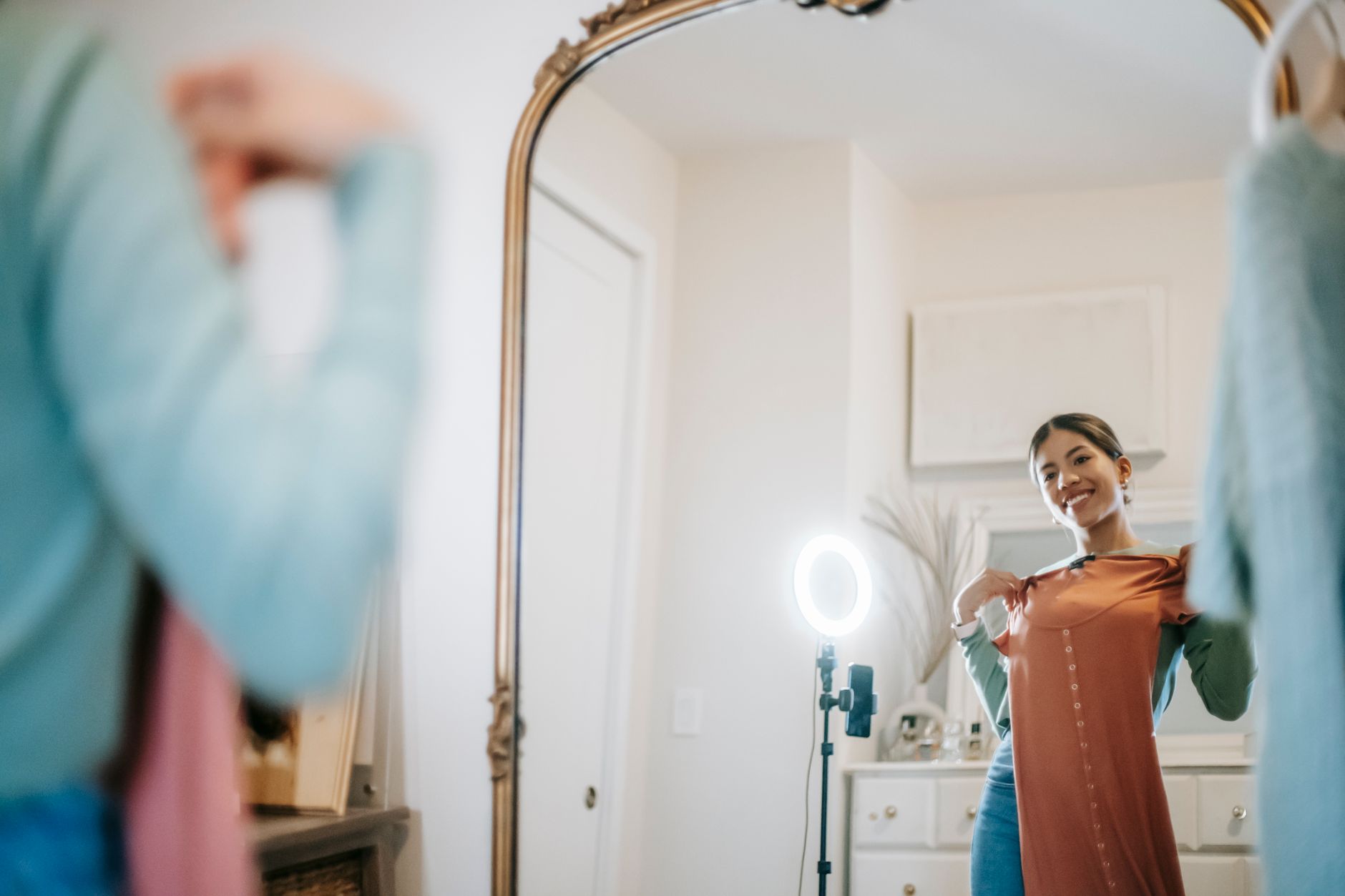
Before you purchase another item, you must perform a forensic audit of your current belongings. Ignore the pins and the bookmarks. Focus exclusively on the physical garments hanging in your closet.

The Evidence-Based Audit
- The "Feel-Good" Pile: Identify the last five items you wore that made you feel genuinely confident—not "fine for a Tuesday," but the items that made you stand a little taller. Look for patterns: Is it a specific fabric? A silhouette? A color family?
- The "Dead Weight" Pile: Pull out the last five things you bought but rarely wear. What do they have in common? This is where your style confusion lives. Did you buy them because they looked good on a mannequin or an influencer, even though they felt restrictive on you?
- The Decision Filter: By cross-referencing these two piles, you identify the "gap." Closing this gap—the distance between what you buy and what you actually reach for—is the key to personal style.
Three Essential Questions for Personal Calibration
Discovery does not require a 50-point personality quiz. It requires three fundamental inquiries:
- The Emotional Goal: What do you want people to feel when they see you? Do you want to project authority, approachability, creativity, or calm? Your clothes are a non-verbal communication tool. Define the message before you choose the medium.
- The Reality Check: What is your actual life? If you spend 80% of your time in a home office, a high-fashion, high-maintenance wardrobe is a vanity project, not a practical solution. Dress for your Tuesday. Your wardrobe should reflect the reality of your schedule, not the fantasy of your future social calendar.
- The Comfort Prerequisite: If you are physically uncomfortable, you will never appear stylish. Confidence is the byproduct of ease. If an item requires constant maintenance while you wear it, it is a failed investment, regardless of how "on-trend" it is.
Implications: Building Your Personal Filter
Once you have your answers, you can construct a rigid filter for all future purchases. This is not about restricting your creativity; it is about protecting your identity.
- Color Cohesion: Choose three core colors. A cohesive palette ensures that your pieces can be mixed and matched, reducing the cognitive load of outfit creation.
- The Two-Silhouette Rule: Master two silhouettes (e.g., one fitted/one loose, or one structured/one soft). Variety should come from texture and layering, not from chasing every shape that hits the runway.
- The Signature Anchor: Adopt one "anchor" piece—be it a specific style of shoe, a type of jewelry, or a consistent layer like a blazer. This creates a through-line in your look that makes you instantly recognizable.
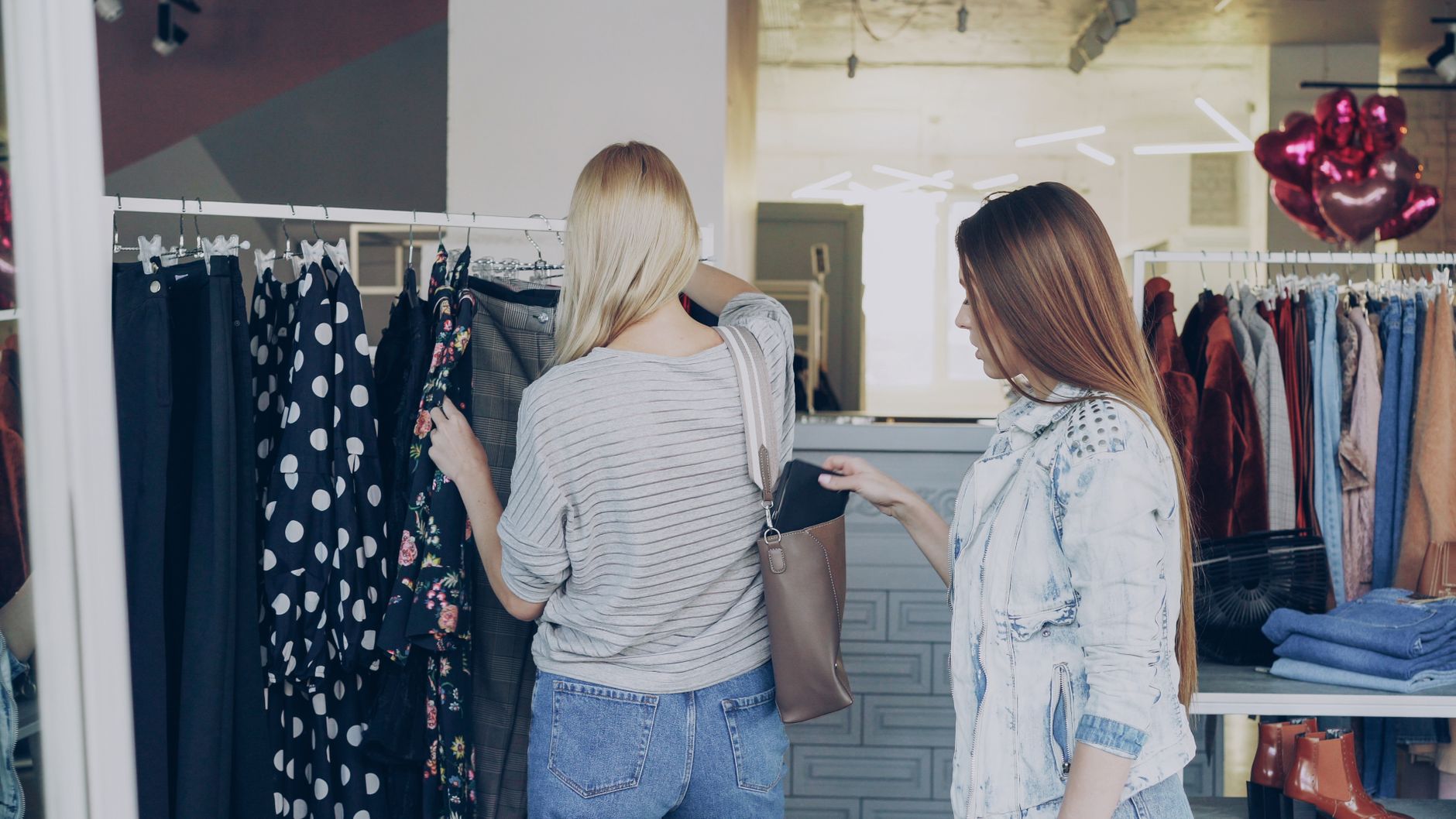
- The 48-Hour Rule: Never buy on impulse. If you see something that fits your criteria, wait 48 hours. If you are still thinking about it, it’s a match. If you’ve forgotten about it, it was merely an algorithmic suggestion.
Conclusion: Reclaiming Your Identity
Finding your personal style is not a creative act in the sense of inventing something from thin air. It is a process of curation and subtraction. You already have a style; it is simply buried under the noise of digital trends and the pressure to be someone else.
By ignoring the "inspo" folders and looking at the evidence already present in your life, you shift from being a consumer of trends to an architect of your own image. As the Mayo Clinic notes regarding self-esteem, feeling "at home" in your own skin—and by extension, your own clothes—is a cornerstone of psychological well-being.
Confidence is not a style; it is what happens when your outer presentation finally aligns with your inner reality. Close the apps. Walk to your closet. Your style has been there the whole time, waiting for you to stop looking elsewhere.


 Muslim

 Suro Senen