

 Nana Muazin
The modern professional landscape is undergoing a tectonic shift. No longer satisfied by traditional metrics of corporate success—quarterly dividends and market share—a growing segment of the global workforce is pivoting toward "impact careers." These are roles specifically designed to address systemic environmental, social, and governance (ESG) challenges.
This week’s survey of the impact job market reveals a sector in transition. While macroeconomic headwinds have tightened budgets in certain tech-adjacent sectors, the demand for high-level expertise in climate tech, social equity, and sustainable finance remains robust. As we analyze the latest opportunities crossing our desk, a clear pattern emerges: the "impact" sector is professionalizing, moving from grassroots advocacy to institutionalized, data-driven operational roles.
The Main Facts: Defining the Modern Impact Landscape
Impact jobs, broadly defined, are positions within organizations—ranging from non-profits and B-Corps to impact-investment firms and sustainability departments of multinational corporations—that prioritize a "double bottom line": financial viability and measurable social or environmental benefit.
As of this week, the job market for these roles is characterized by three primary drivers:
- Regulatory Pressure: The introduction of the EU’s Corporate Sustainability Reporting Directive (CSRD) and evolving SEC climate disclosure rules in the U.S. have created an urgent demand for "sustainability controllers" and "impact auditors."
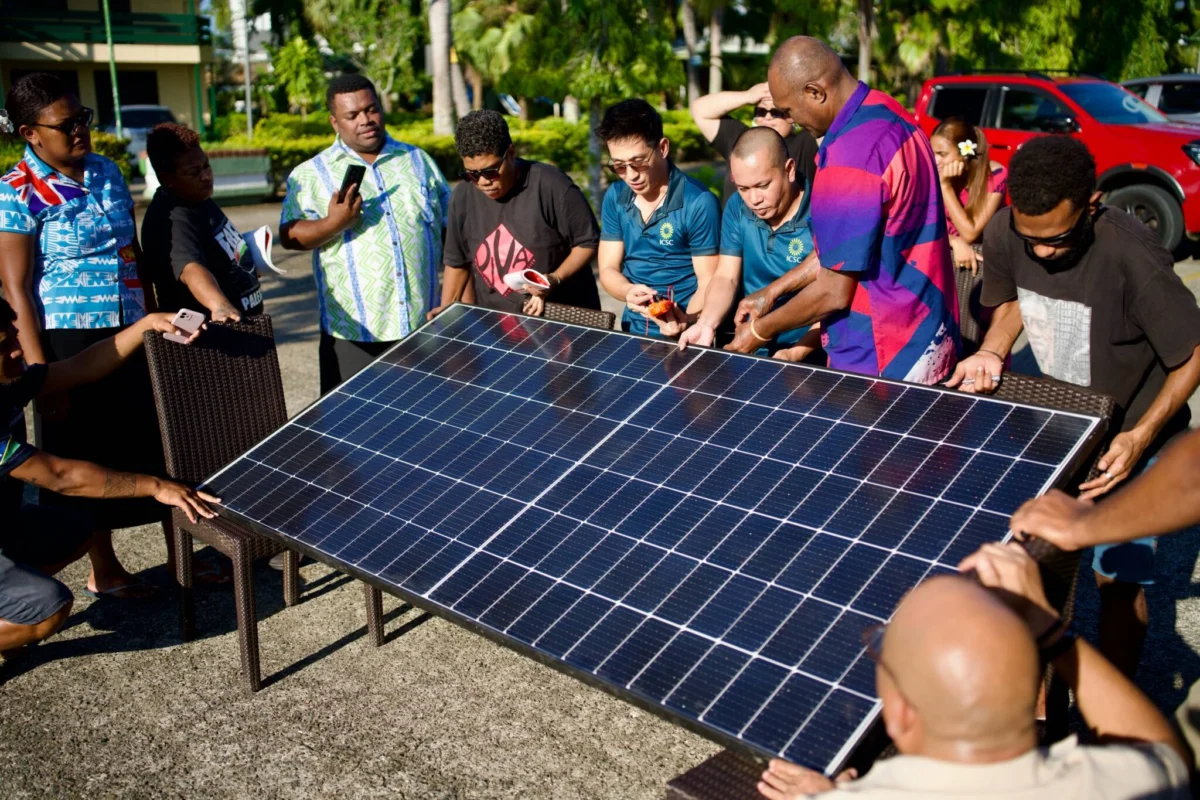
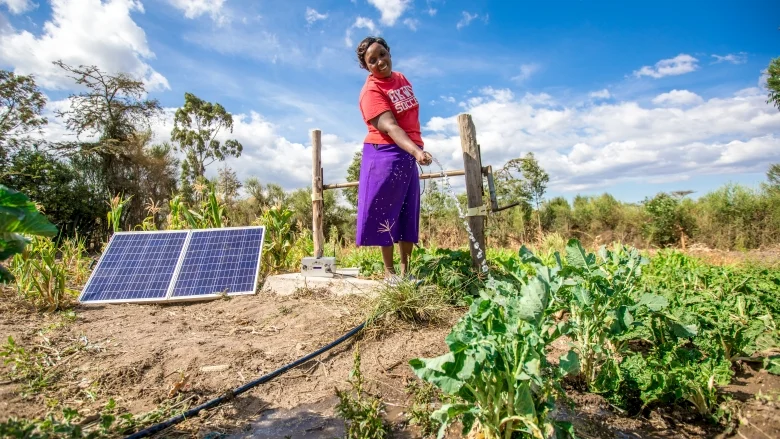
- The Energy Transition: As global economies attempt to pivot away from fossil fuels, firms are aggressively recruiting engineers, policy experts, and project managers with experience in grid modernization, renewable energy infrastructure, and circular economy supply chains.
- Social Equity Integration: Organizations are shifting focus from superficial Diversity, Equity, and Inclusion (DEI) statements to operationalizing equity through human resources, community engagement, and inclusive supply chain management.
Chronology of the Shift: From Niche to Necessity
To understand where the impact sector is heading, we must look at how we arrived here. The trajectory of purpose-driven work has accelerated in three distinct phases over the last decade.
Phase 1: The Grassroots Era (2010–2015)
During this period, impact roles were largely sequestered within non-profit organizations or corporate social responsibility (CSR) departments that functioned primarily as philanthropic arms. These roles were often underfunded and peripheral to the core business strategy.
Phase 2: The Mainstream Integration (2016–2020)
The 2015 Paris Agreement and the launch of the UN Sustainable Development Goals (SDGs) catalyzed a change. Corporations began to realize that sustainability was not just a branding exercise but a risk-mitigation strategy. Impact roles began appearing in finance, legal, and operational departments.
Phase 3: The Professionalization Epoch (2021–Present)
We are currently in the era of "Hard Impact." The roles we see this week are technical. We are no longer looking for "advocates"; we are looking for climate scientists who understand carbon markets, data analysts who can map supply chain footprints, and legal experts who can navigate global human rights legislation. The impact sector has effectively become a specialized industrial pillar of the global economy.
Supporting Data: Where the Growth Lies
Data from recent employment trends indicates that while total job postings across the broader economy have fluctuated, "green" and "social impact" job postings have demonstrated remarkable resilience.
According to labor market analytics, roles requiring "green skills" grew by nearly 15% year-over-year. Furthermore, the compensation gap between traditional corporate roles and impact roles is narrowing. For instance, a Senior Sustainability Manager at a Fortune 500 firm now commands a salary package competitive with a traditional Operations Director—a stark contrast to the "passion tax" of previous decades.
Key Sectors for Recruitment This Week:
- Renewable Infrastructure: A 22% increase in project manager roles focusing on battery storage and solar integration.
- Sustainable Finance: A 14% uptick in ESG analyst roles within private equity and venture capital firms.
- NGO Operations: A stabilization in hiring for programmatic roles, with a shift toward digital transformation specialists.
Official Responses: What Employers Are Seeking
We reached out to hiring managers and talent acquisition leads at leading impact-focused organizations to determine the qualities they are prioritizing in the current recruitment cycle.
The Rise of the "T-Shaped" Employee
"We aren’t just looking for people who care about the planet," says Sarah Jenkins, Head of Talent at a major impact-investment fund. "We are looking for ‘T-shaped’ employees: people who have a broad passion for our mission but possess deep, vertical expertise in a specific technical area—be it blockchain for transparency, carbon accounting, or legislative lobbying."
The Emphasis on Measurability
Employers are increasingly wary of "impact washing." As a result, the interview process has become significantly more rigorous. Candidates are now expected to provide case studies on how they have utilized quantitative data to measure the effectiveness of their previous initiatives. "If you can’t show me the data, you can’t lead the project," noted one Chief Impact Officer.
Implications: The Future of the Impact Economy
The maturation of the impact job market carries significant implications for the workforce and for corporate culture at large.
Implications for Talent
The era of entering the impact sector based solely on enthusiasm is ending. Professionals seeking to transition into this space must now invest in formal education or professional certifications (such as the CFA Institute’s Certificate in ESG Investing or specialized sustainability MBAs). The barrier to entry is rising, but the reward—a career that aligns with global needs—is higher than ever.
Implications for Corporate Strategy
Companies that fail to integrate impact into their core business model will likely face a "brain drain." Top-tier talent, particularly from the Gen Z and Millennial cohorts, is increasingly prioritizing employer values. Organizations that do not offer meaningful work are finding it increasingly difficult to compete for high-performing employees.
Implications for Global Policy
As these roles become more institutionalized, they will inevitably influence how global policy is shaped. When sustainability experts are embedded in the boardrooms of the world’s largest companies, the dialogue between the private sector and regulators changes from adversarial to collaborative.
Conclusion: A Call to Action
The impact jobs that crossed our desk this week are not merely administrative roles; they are the front-line positions of a global economic transformation. Whether it is through optimizing a carbon-neutral logistics chain or ensuring that supply chains are free of forced labor, these professionals are doing the quiet, technical work required to build a more sustainable future.
For those currently in traditional roles, the transition to impact is no longer a leap into the unknown—it is a calculated move into the fastest-growing sector of the 21st-century economy. The skills you have honed in the corporate world—project management, data analysis, strategic planning, and leadership—are the exact tools needed to solve the world’s most pressing challenges.
As the market continues to evolve, our commitment remains the same: to curate and highlight the opportunities that matter. In the coming weeks, we will continue to monitor these trends, providing the analysis you need to navigate the intersection of career and conscience.
Strategic Recommendations for Prospective Applicants:
- Audit your skill set: Identify how your current technical skills translate into impact outcomes.
- Focus on measurable impact: In your resume and cover letters, use quantitative metrics to describe your achievements.
- Network within the sector: Engage with impact-focused professional groups and industry-specific conferences to understand the current pain points in the field.
- Stay informed: Follow regulatory developments, as these dictate where the next wave of hiring will occur.
The transition to a purpose-driven economy is not a trend; it is the new standard of global operation. The question is no longer whether you should work in impact, but rather, how you will apply your unique talents to lead the way.


 Pevita Pearce
 Jia Lissa