




 Asro
Fall layering should be a curated expression of personal style—not a frantic guessing game that ends with you feeling like you’ve raided a lost-and-found bin. The boundary between "effortlessly styled" and "wearing my entire closet at once" is thinner than most realize, yet it is a boundary that can be mastered with a few fundamental principles of design, proportion, and color theory.
When approached with intention, layering is the most functional and fashionable tool in your sartorial arsenal. It allows for seamless transitions between the crisp chill of a morning commute and the warmth of a heated office. By understanding the physics of fabric and the geometry of fit, you can clear the hurdle of "bulk" and achieve a silhouette that is both cozy and impeccably polished.
The Science of Silhouette: Why Layering Doesn’t Have to Mean Bulk
The misconception that layering inherently adds bulk stems from the "random stack" approach. When garments are piled on without regard for their interaction, the result is a shapeless, visually heavy mess. Professional stylists argue that the secret to a flattering layered look lies in treating each garment as a node in a cohesive system rather than an isolated add-on.
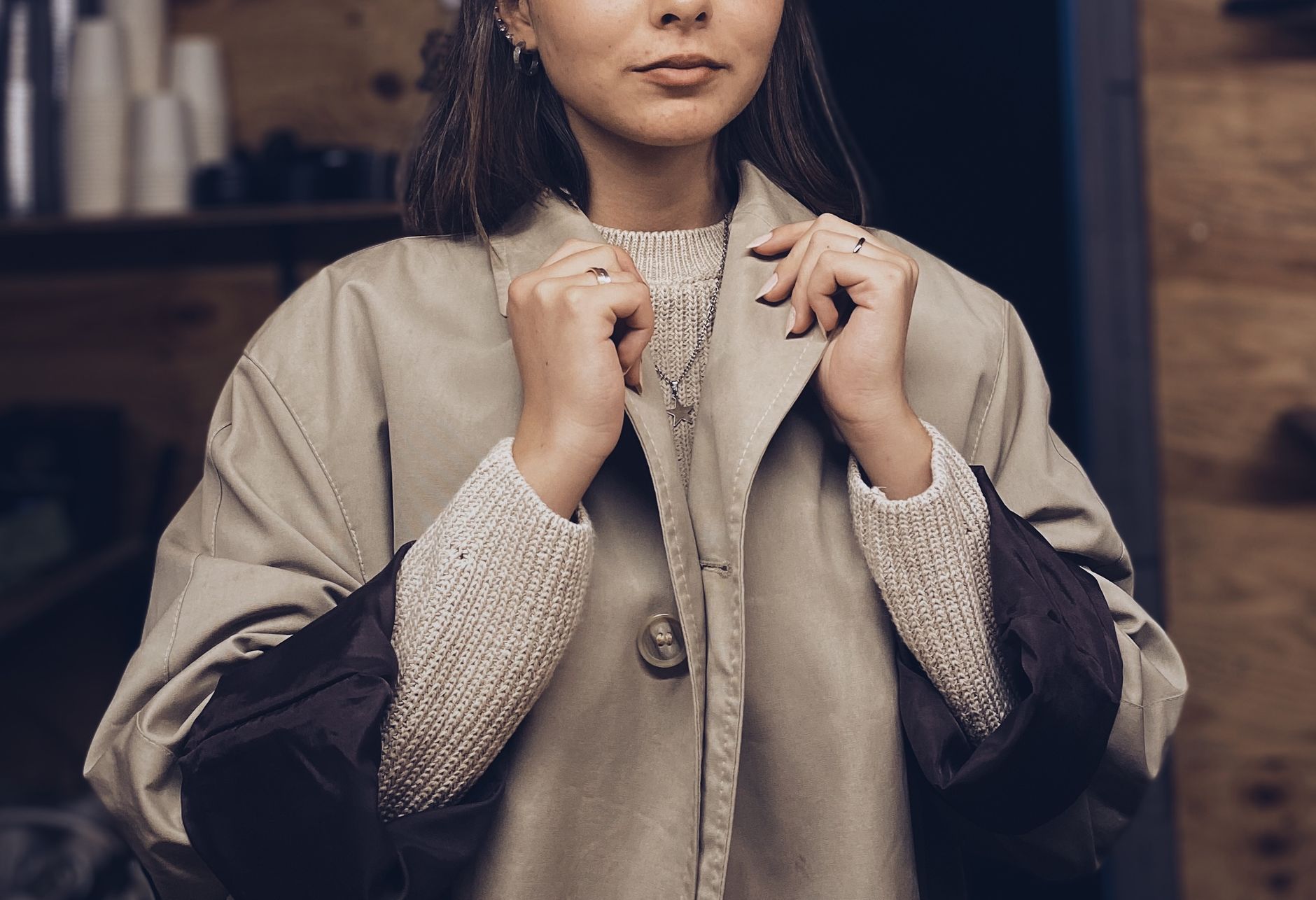
According to insights from Vogue, the most successful layered ensembles share a common denominator: a clear, consistent visual line. This line is typically established through a deliberate color palette or a strategic contrast in fit. When you treat your outfit as a unified architectural structure, you move away from the "padded room" effect and toward a sophisticated "street style" aesthetic.
The Chronology of Dressing: Establishing a Foundation
To build an outfit that maintains its shape, you must respect the order of operations. The process begins with the base. Your base layer is the anchor of the look; it must be fitted—think slim-fit turtlenecks, high-quality ribbed tanks, or lightweight long-sleeve tees. A streamlined base provides a clean foundation that prevents the accumulation of excess fabric around the torso.
The logic here is foundational: every subsequent layer takes the shape of the garment underneath it. If your base layer is voluminous, every layer added thereafter will be amplified. By starting with a slim silhouette, you ensure that you are building upon a structured canvas, allowing for heavier, more textured pieces to drape naturally without compromising your physique.
Proportional Harmony: The Great Balancing Act
The most transformative principle in styling is the "one fitted, one relaxed" rule. This is the cornerstone of visual balance. If you are opting for a slouchy, oversized cable-knit sweater, it should be anchored by slim or straight-leg trousers. Conversely, if you are wearing a pair of wide-leg, flowy wool pants, the top half of your body should remain streamlined and fitted.
This push-pull dynamic is essential for all body types, but it is particularly critical for those with petite frames. Real Simple suggests that petite individuals benefit most from maintaining vertical continuity. A cropped jacket or a tucked-in shirt helps define the waistline, preventing the outfit from cutting the body into disparate, disjointed segments. Good Housekeeping’s style team reinforces this, suggesting that when in doubt, you should always contrast your volumes rather than matching them. The golden rule is simple: if the top is big, the bottom must be lean. If the bottom is expansive, the top must be disciplined.
Color Theory: The Power of Monochromatic Depth
Color is a potent tool for creating the illusion of height and intentionality. There are two primary schools of thought here: monochromatic layering and intentional color blocking.

The Monochromatic Advantage
Monochromatic dressing—the art of wearing various shades and textures of the same color family—is arguably the most efficient way to achieve a "put-together" look. By layering camel over cream, or burgundy over rust, you create an unbroken vertical line that elongates the frame. Glamour has frequently highlighted this technique as the ultimate "low-effort, high-impact" hack, as it requires minimal coordination while yielding maximum elegance.
Navigating Color Blocking
While color blocking can be visually striking, it is inherently risky in a layered ensemble. Each color transition acts as a horizontal "cut" on the body. If you choose to color block, limit your palette to two primary colors and be mindful of where the breaks land. A safer, more sophisticated alternative is the use of "warm neutrals." By working with an earthy palette of chocolate, olive, taupe, and ivory, you create a harmonious spectrum where pieces mix effortlessly without the need for strict color matching.
The "Oversized" Dilemma: How to Maintain Structure
The oversized trend remains a permanent fixture of autumn fashion, yet it is frequently misunderstood. Wearing "big" clothes does not mean wearing "shapeless" clothes. The trick to pulling off an oversized aesthetic lies in the strategic use of volume control—most notably, the tuck.
The "front tuck" (or French tuck) is a revolutionary tool for the layered dresser. By tucking the front of a shirt or sweater while leaving the back loose, you immediately define your waist and create a sense of movement. InStyle has long championed the half-tuck as a bridge between comfort and couture, noting that it breaks up the fabric mass and prevents the wearer from being "swallowed" by their own clothes.
Other methods for controlling oversized pieces include:
- Cinching with Belts: A slim leather belt over a cardigan can instantly reintroduce a waistline.
- The Cuff: Rolling up the sleeves of an oversized blazer or sweater exposes the wrists, which are among the thinnest parts of the body, creating an illusion of overall slimness.
- Structure over Softness: If you wear an oversized coat, ensure the shoulder seams are structured or padded to provide a sharp frame for the softness underneath.
Textural Interest: Elevating the Visual Experience
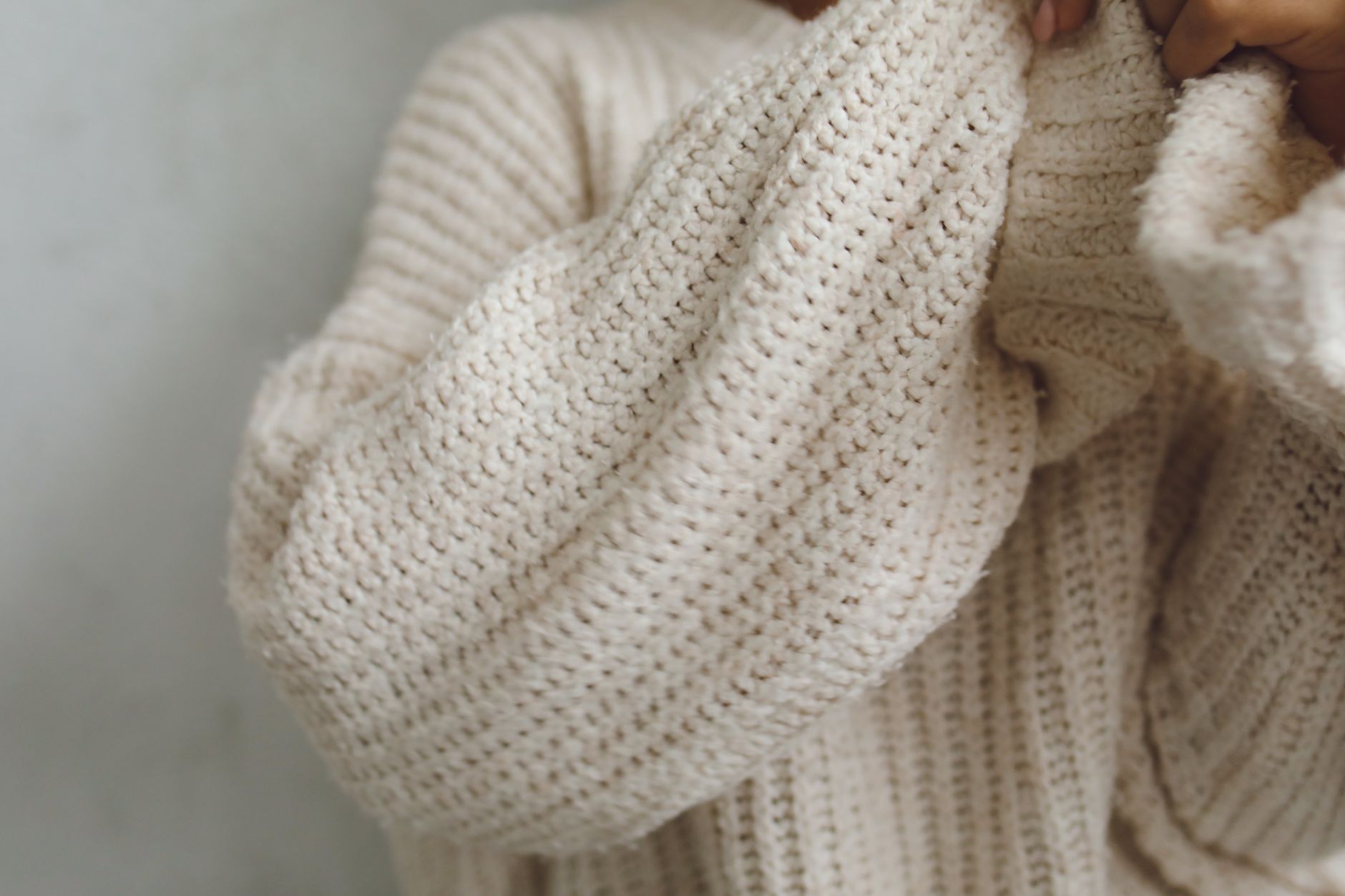
Texture is what separates a basic outfit from a high-fashion look. However, texture must be placed with intention. Smooth, flat fabrics like silk, cotton twill, or fine-gauge merino wool stay close to the body and should be used as your base. Chunky, airy textures—such as sherpa, bouclé, or heavy cable knits—add physical and visual weight and should be reserved for your outer, final layers.
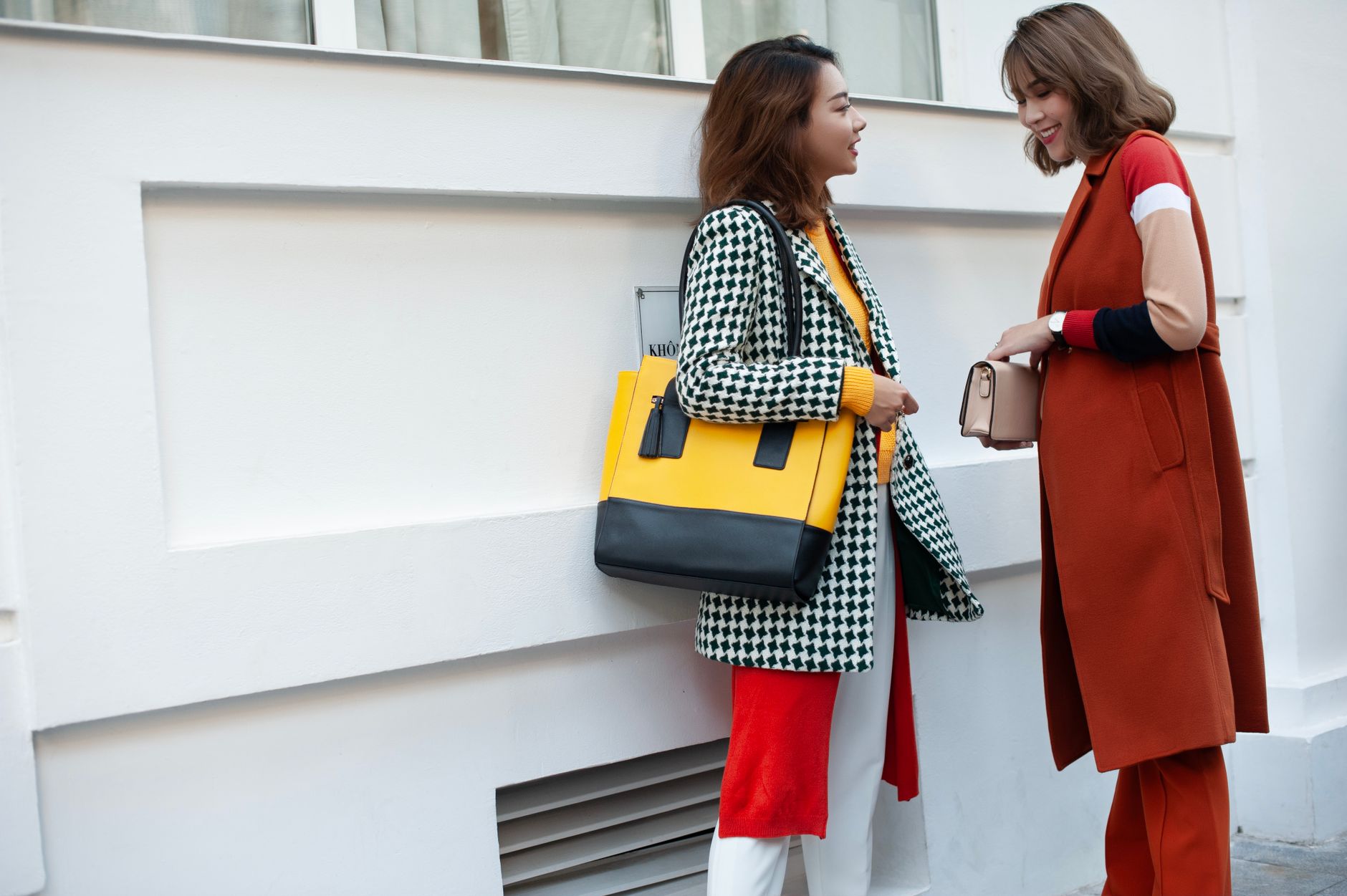
Who What Wear emphasizes that the transitional phase of autumn is the perfect time to experiment with lightweight textures. You want pieces that offer the appearance of richness without the stifling weight of mid-winter gear. The "ribbed knit under a blazer" combination is a classic for a reason: it offers a sleek, professional, and warm aesthetic that feels intentional from the moment you step out the door.
Implications for the Modern Wardrobe
Ultimately, the goal of mastering fall layering is not to accumulate more clothing, but to understand how your current pieces interact. A wardrobe built on versatility is superior to one built on volume. When you invest in a "capsule" of high-quality, complementary basics, the morning routine becomes a matter of selection rather than trial and error.
The Fall Layering Checklist: A Final Summary
If you find yourself standing in front of the mirror doubting your ensemble, consult this checklist:
- The Base: Is it fitted? Does it provide a clean, thin foundation?
- The Balance: Have you contrasted a loose piece with a fitted one?
- The Color: Are you staying within a monochromatic or neutral palette to elongate the frame?
- The Texture: Is your heaviest, most voluminous texture on the outer layer?
- The Edit: Can you remove one item and have the outfit look cleaner? (If the answer is yes, take it off).
This final step—the edit—is perhaps the most vital. In the world of high fashion, "less" is rarely more, but "the right amount" is everything. By removing the unnecessary, you allow the quality of your remaining pieces to shine through.
As the temperature drops, don’t let the weather dictate your style. Use these principles of proportion, color, and texture to build looks that are as comfortable as they are sophisticated. Whether you are navigating a bustling city center or heading to a quiet cafe, your layered outfit should reflect a sense of calm confidence—a clear indicator that you didn’t just grab what was on the couch, but that you have mastered the art of the fall.


 Pevita Pearce





