



 Sagoh
The modern grocery store, once a symbol of post-war abundance and convenience, has evolved into a primary engine for two of the world’s most pressing environmental challenges: plastic pollution and organic waste. From cucumbers shrink-wrapped in polyethylene to pre-cut melons encased in rigid clamshells, the ubiquity of single-use plastic is nearly impossible to escape. However, as global food prices continue to climb and landfills reach capacity, a growing movement of "zero-waste" consumers and policy advocates is demanding a systemic overhaul of how we buy, store, and consume our food.
Main Facts: The Scale of the Waste Epidemic
The environmental footprint of the global food system is defined by staggering statistics. According to data from Our World in Data, plastic food packaging accounts for approximately 40% of all plastic waste generated globally. The primary contributors to this crisis are the world’s largest economies—the United States, Europe, and China—where the infrastructure of convenience relies heavily on non-biodegradable polymers.
Parallel to the plastic crisis is the equally devastating issue of food waste. In the United States, an estimated 40% of the total food supply is discarded. This waste occurs at every link in the supply chain, from farms and retail centers to domestic kitchens. For the average consumer, this inefficiency is becoming a significant financial burden. The United States Department of Agriculture (USDA) predicts that food prices will continue their upward trajectory, with a projected increase of 3.6% in 2026. In an era of high inflation, the economic argument for zero-waste shopping is becoming as compelling as the environmental one.
Chronology of Waste: From Farm to Landfill
To understand the necessity of zero-waste shopping, one must trace the chronological journey of food and its packaging through the modern industrial complex.
- The Production and Packaging Phase: In the pursuit of shelf-life extension and aesthetic uniformity, producers utilize heavy amounts of plastic. This phase introduces the first layer of waste: the carbon-intensive manufacturing of single-use plastics that will often be used for less than 48 hours but persist in the environment for centuries.
- The Retail Selection Process: Once produce reaches the grocery store, it undergoes a rigorous "beauty standard" screening. Retailers frequently discard perfectly edible fruits and vegetables simply because they fail to meet arbitrary size, shape, or color requirements. This "aesthetic waste" accounts for a significant portion of retail-level loss.
- The Point of Sale: Consumers, conditioned by retail displays, often contribute to the cycle by avoiding "lonely" produce—such as single bananas detached from a bunch—which are then discarded by staff to make room for fresh clusters.
- Domestic Mismanagement: After purchase, food enters the home, where improper storage and lack of meal planning lead to the final stage of waste. Items are lost in the depths of refrigerators or expire before they can be used, ultimately being diverted to the trash.
- The Landfill Culmination: When food waste reaches a landfill, it is deprived of oxygen. Instead of decomposing naturally, it undergoes anaerobic digestion, releasing methane—a greenhouse gas significantly more potent than carbon dioxide in the short term.
Supporting Data: The Economics of Inefficiency
The data surrounding waste suggests that the current model is unsustainable for both the planet and the household budget. When 40% of food is wasted, the average American family is essentially discarding hundreds of dollars every month.
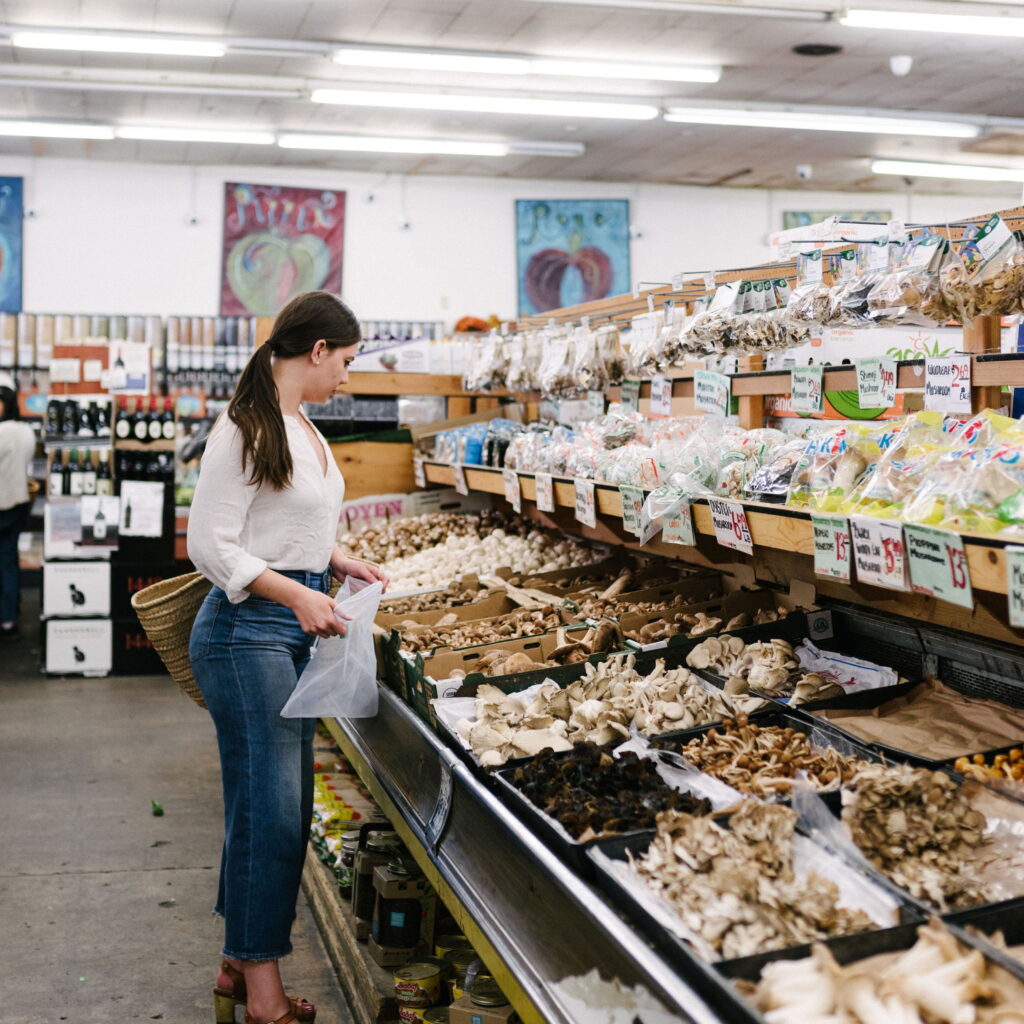
Furthermore, the "naked produce" movement—selling fruits and vegetables without packaging—has shown that plastic is often redundant. Studies have indicated that while some plastics extend the life of produce, the environmental cost of the waste often outweighs the marginal gain in freshness, especially when better domestic storage techniques are applied. The reliance on bulk bins and "refilleries" offers a data-backed alternative; these systems allow consumers to purchase exactly the quantity they need, reducing the likelihood of items expiring in the pantry.
Official Responses and Industry Context
Governmental and corporate entities are beginning to respond to the public outcry regarding packaging. In Europe, several nations have moved to ban plastic packaging on various types of produce. In the United States, individual states are exploring Extended Producer Responsibility (EPR) laws, which hold manufacturers financially accountable for the end-of-life management of their packaging.
On the retail side, the rise of "ugly produce" subscription services and the integration of bulk sections in mainstream supermarkets signal a shift. However, critics argue that these measures are often "greenwashing" unless accompanied by a total reduction in plastic production. The USDA’s Economic Research Service continues to monitor food price outlooks, suggesting that waste mitigation is a key component of national food security.
Implications for the Consumer: A Guide to Zero-Waste Intervention
For the individual looking to combat these systemic issues, the transition to zero-waste grocery shopping requires a strategic shift in behavior. This intervention can be categorized into four key pillars: Planning, Procurement, Preservation, and Processing.
I. Strategic Planning and Budgeting
The most effective way to reduce waste is to prevent it before entering the store.
- Inventory Management: Consumers are encouraged to "shop their fridge" first. Checking existing stock prevents the accidental purchase of duplicates.
- Ingredient-Based Meal Planning: Rather than planning rigid meals, experts suggest planning around versatile ingredients. This allows for flexibility based on what is available (and potentially on sale) at the market.
- The Cash Strategy: To manage budgets amidst rising food costs, using cash for grocery runs can prevent the "invisible" overspending common with credit cards.
II. Conscious Procurement
Changing how we shop is essential to reducing plastic demand.
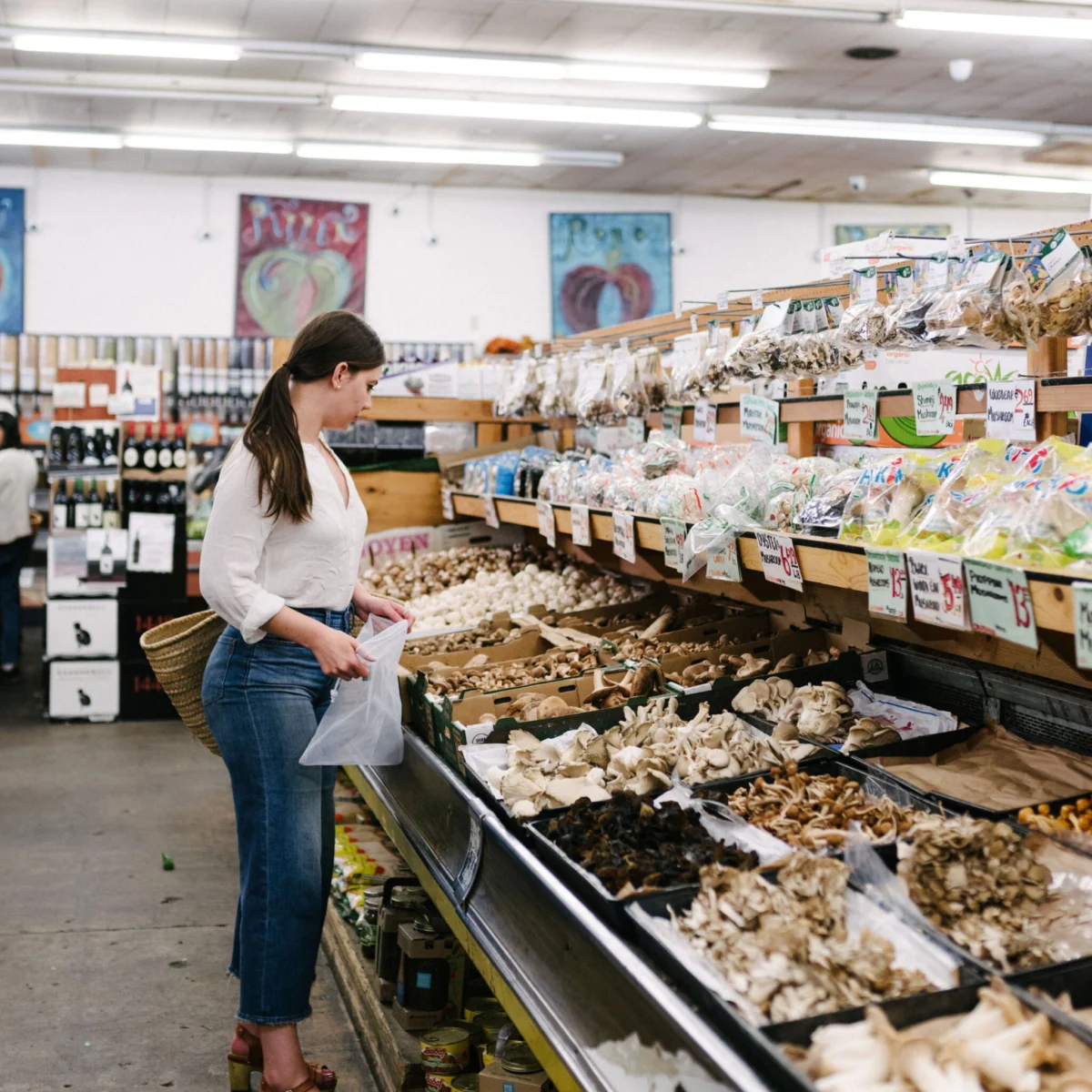
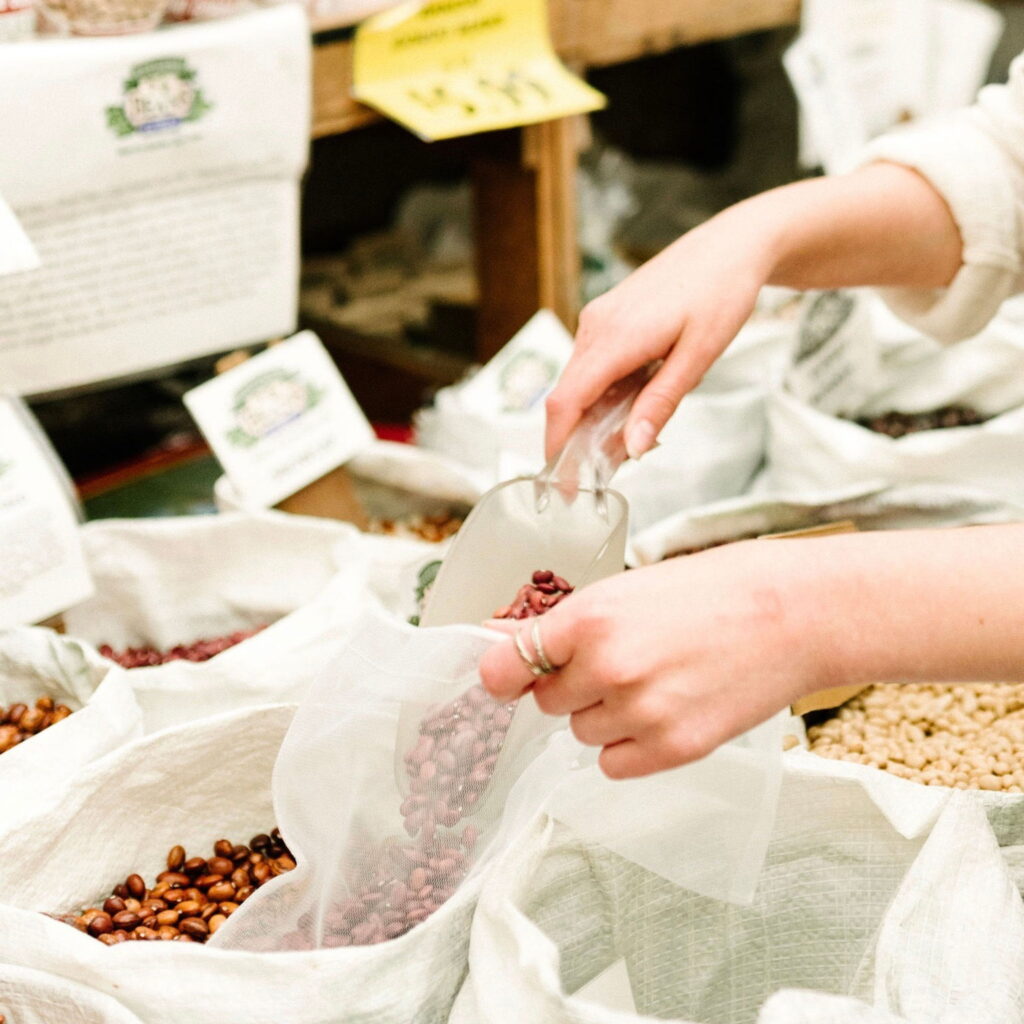
- The Refillery Movement: Utilizing bulk bins for dry goods like beans, grains, and spices allows shoppers to use their own containers. This eliminates the need for the multilayered plastic bags typically used for these items.
- Farmers Markets: These venues often bypass the rigid beauty standards of traditional retail. Produce is typically sold "naked," and berries are often found in compostable paper cartons rather than plastic clamshells.
- Packaging Hierarchy: When plastic-free options are unavailable, consumers should prioritize materials with higher recycling rates or lower environmental impact, such as glass, metal, paper, and cardboard.
III. Science-Based Preservation
Extending the life of food at home is a critical component of the zero-waste cycle.

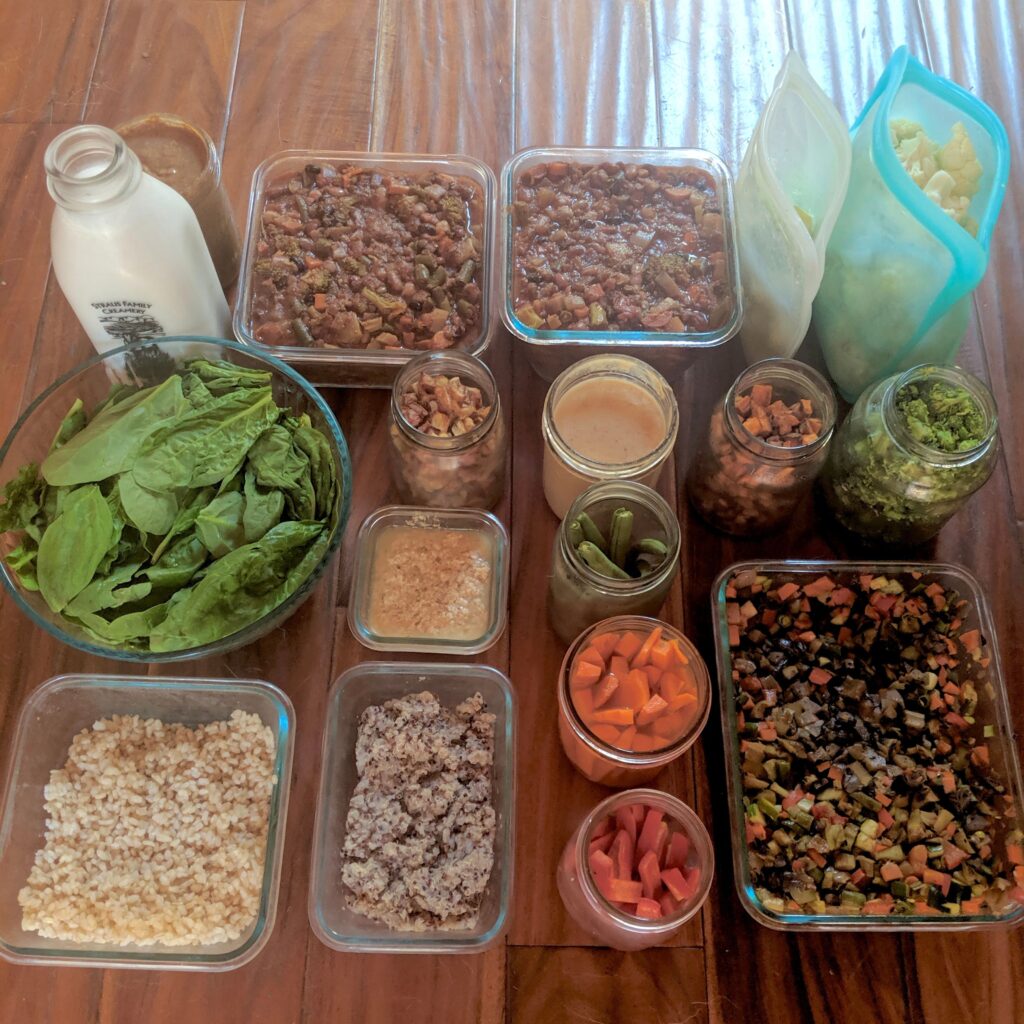
- Hydration Techniques: Hard vegetables like carrots and celery stay crisp significantly longer when chopped and stored in glass jars filled with water.
- Temperature Management: Understanding fridge zones is vital. The refrigerator door is the warmest area and should be reserved for stable condiments, while the back of the lower shelves is the coldest.
- Ethylene Awareness: Certain fruits release ethylene gas, which accelerates the ripening (and eventual rotting) of nearby produce. Storing these items separately in high-humidity crisper drawers can prevent premature spoilage.
IV. Creative Processing and Composting
The final stage of the zero-waste philosophy involves "closing the loop" on organic matter.
- Upcycling Scraps: Many parts of vegetables traditionally considered waste are edible. Carrot tops can be converted into pesto; strawberry tops can infuse simple syrups; and vegetable peels can be simmered into nutrient-dense stocks.
- Composting as a Last Resort: When food is truly inedible, it must be diverted from the landfill. Whether through backyard tumblers, "Bokashi" fermentation systems, or municipal curbside collection, composting returns nutrients to the soil without the methane emissions associated with landfills.
The Path Forward
The transition to a zero-waste grocery system is not merely a lifestyle trend; it is a necessary adaptation to a world of dwindling resources and rising costs. As the USDA’s 2026 projections loom, the ability to extract maximum value from every purchase becomes a survival skill.
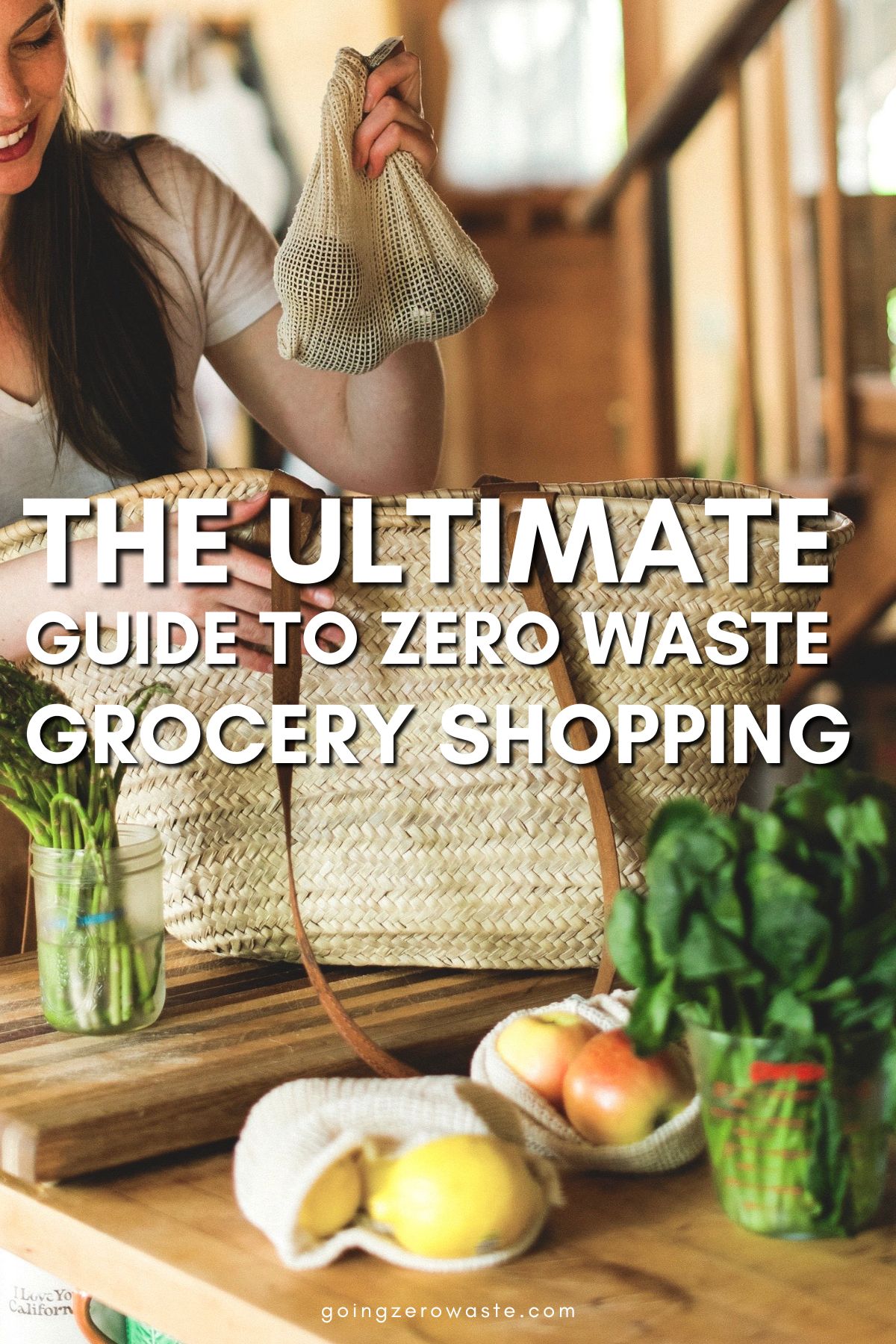
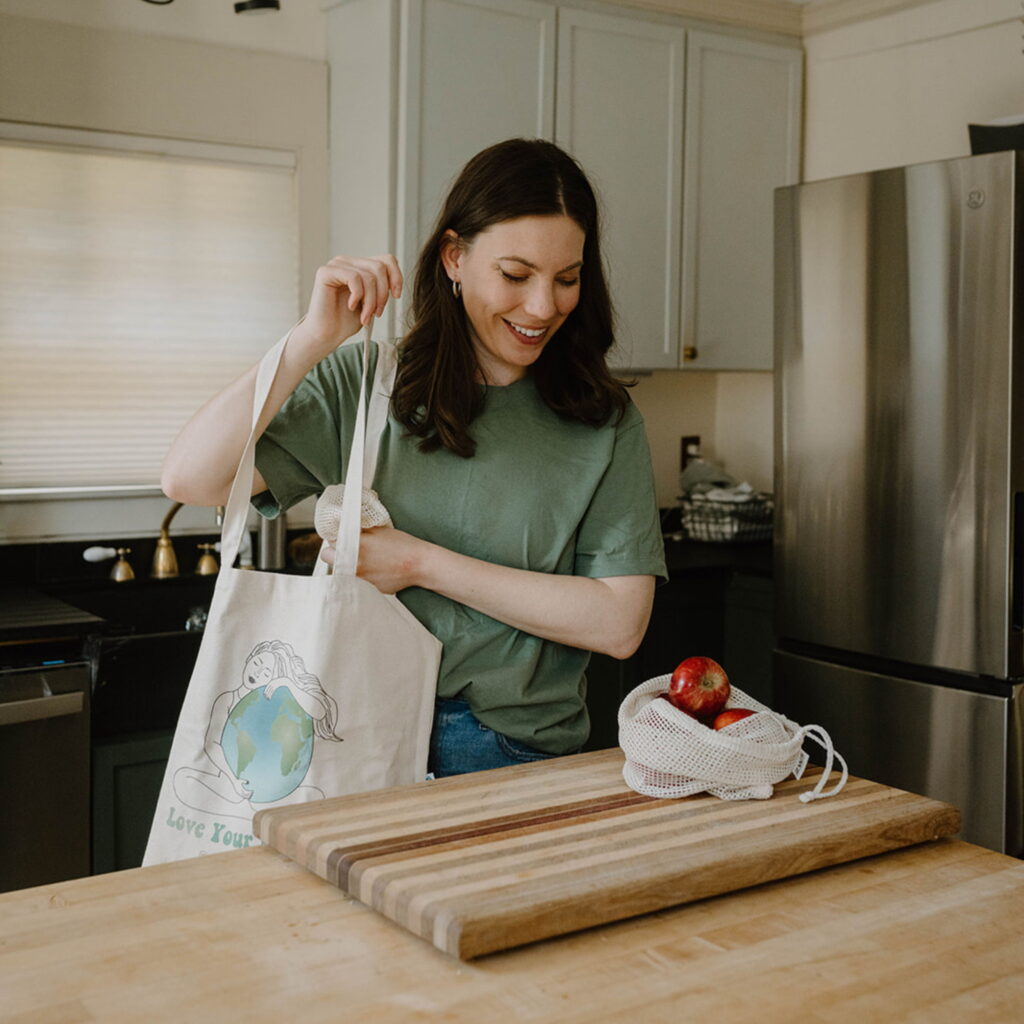
While individual actions—such as bringing mesh cotton bags to the store or storing carrots in water—are impactful, the ultimate solution lies in a combination of consumer demand and legislative pressure. By rejecting the "clamshell culture" and demanding naked produce and bulk options, consumers can force a retail evolution that prioritizes the planet over convenience. The goal of zero-waste shopping is not perfection, but a conscious participation in a circular economy that respects the true value of the food we eat.

 Nana

 Ammar Sabilarrohman






