


 Dwi Wanna
By Shelby R. King
Enterprise Community Partners, a titan in the American nonprofit housing sector, has announced its total divestment from Bellwether Enterprise (BWE), a for-profit commercial and multifamily mortgage lender that has long functioned as a significant, yet controversial, engine of the nonprofit’s financial growth.
For years, Enterprise has positioned itself as a champion of "home and community as places of pride, power, and belonging." However, the organization’s long-standing financial marriage to BWE—a firm that aggressively financed manufactured-home park consolidators—has drawn fierce criticism from housing advocates. The impending sale, which marks the complete departure of Enterprise from BWE’s ownership and governance structure, arrives in the wake of mounting scrutiny regarding the human cost of the lender’s portfolio.
As Enterprise moves to convert its BWE stake into seed money for a permanent endowment, affected residents and housing advocates are asking a pointed question: Can a nonprofit build its own financial legacy on the back of profits generated from a system that often displaces the very people it claims to serve?
A Structural Shift in Ownership
Under the terms of the deal announced on July 22, the majority stake in BWE will transfer to Bayview Asset Management, a powerhouse investment firm managing $44.7 billion in debt-based assets. Joining the acquisition is Springmont Capital, the private investment office of the family behind Morgan Properties, the nation’s second-largest apartment owner.
Morgan Properties’ business model is famously optimized for "value-add repositioning," a industry term that frequently translates to rent hikes, fee structures, and aggressive management practices designed to maximize cash flow. For Enterprise, the sale represents a definitive exit. By this fall, pending regulatory approval, the nonprofit will relinquish all ownership and voting rights in the entity it helped form in 2012.
The stated goal for the proceeds of this sale is the creation of Enterprise’s first permanent endowment. CEO Shaun Donovan has framed the move as a step toward "greater independence and flexibility." However, the disconnect between the source of these funds and the organization’s mission remains a point of contention for those who witnessed the direct impact of BWE’s lending practices on the ground.
Chronology of a Controversial Partnership
2012: The Merger
Enterprise Community Investment, the for-profit arm of the nonprofit, merged its multifamily mortgage business with Bellwether Real Estate Capital. The move was publicly sold as a way to "diversify revenue streams" and bolster the nonprofit’s capacity to finance workforce and commercial housing.
2016–2022: The Era of Aggressive Consolidation
During this period, BWE became a primary lender for Havenpark Communities, an aggressive consolidator of manufactured-home parks. Shelterforce investigations revealed that BWE facilitated over 100 Fannie Mae-backed loans for Havenpark entities. During this time, residents of these parks reported a pattern of steep rent hikes, sudden fees, and declining maintenance—all while Enterprise continued to receive a significant share of BWE’s profits.
2022–2024: Public Pressure and Internal Acknowledgement
When questioned about the Havenpark loans, Enterprise initially maintained that BWE was an "independent subsidiary" that operated without the nonprofit’s input. As advocacy groups like MHAction and investigative reports pressed the organization on its oversight responsibilities, the narrative shifted. In late 2024, Enterprise admitted that it had, in fact, used its ownership position to influence and "strengthen" BWE’s underwriting standards for manufactured housing, though it never disclosed the nature of these changes or their efficacy.
2025: The Final Divestment
With the announcement of the sale to Bayview and Springmont, the era of the Enterprise-BWE partnership is coming to a close. The nonprofit now seeks to transition the capital accumulated through this partnership into an endowment intended to secure its future.
Supporting Data: The Cost of "Profit-Driven" Lending
The financial scale of this partnership is significant. By 2025, Enterprise reported $186.5 million in gains from BWE’s mortgage-banking activities, a substantial increase from $141 million the previous year. For decades, this profit stream was integral to the nonprofit’s balance sheet.
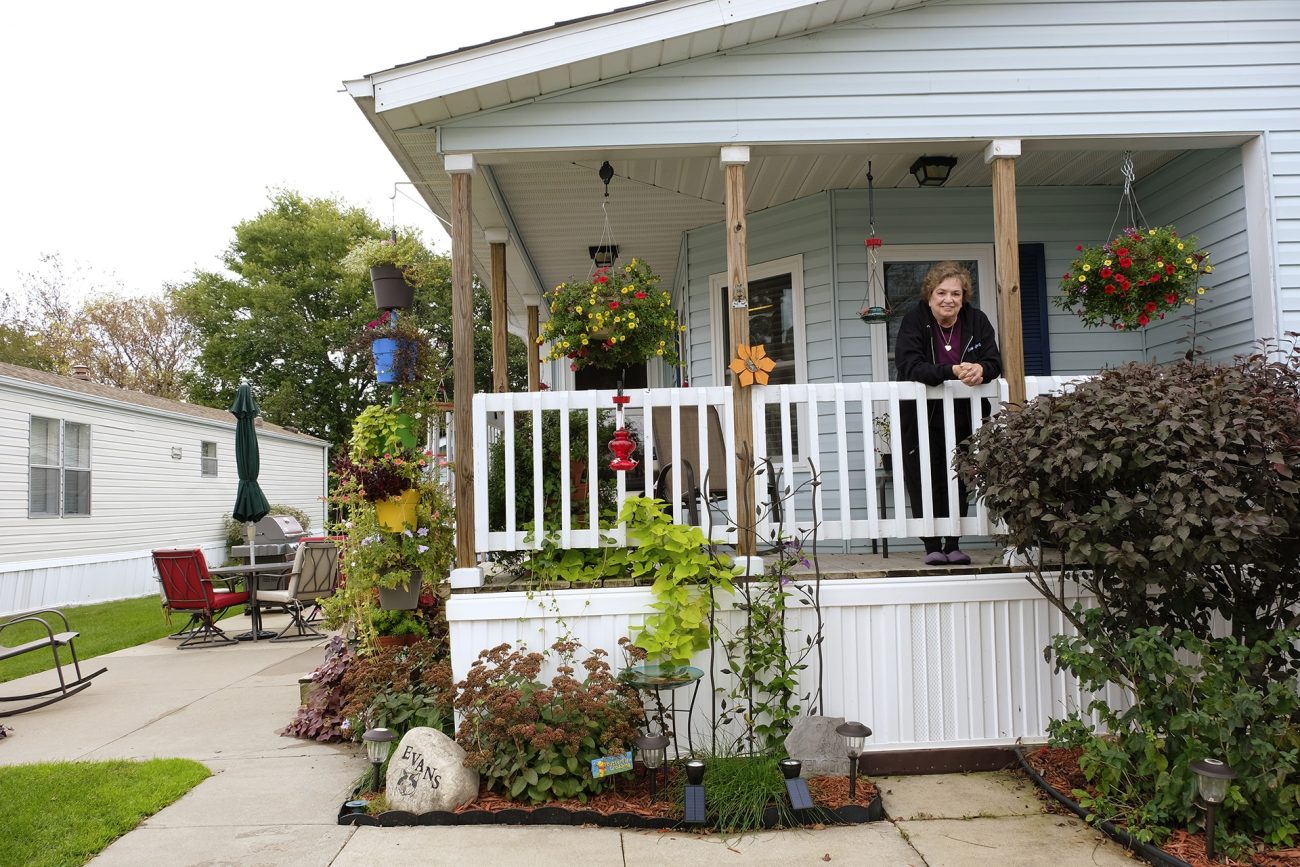
Yet, for residents like Candi Evans, who has lived at the Golfview Mobile Home Park in Iowa for over two decades, those numbers represent a different reality. During the years of Havenpark’s ownership—facilitated by BWE financing—Evans saw her lot rent increase by 98 percent, while essential services and maintenance were neglected.
"It was a pretty healthy profit at the expense of low-income homeowners," Evans stated. Her experience highlights the disconnect between the corporate metrics of success—loan volume, cash flow, and interest yields—and the social metrics of housing stability. While BWE has claimed a commitment to affordability, the reality for residents in many of its financed communities suggests that the "value-add" philosophy of commercial lenders often directly undermines the security of long-term residents.
Official Responses and Strategic Ambiguity
Enterprise has consistently maintained that the decision to sell is part of a "broader strategic assessment" of its long-term priorities. When asked about the impact of the Havenpark controversy or the pressure from advocates, the organization reiterated that BWE operated with its own governance and lending practices.
BWE, for its part, has labeled the acquisition as a "mission-aligned" move. In a press release, the firm touted its ability to create a "stronger platform to serve borrowers." However, when pressed on whether its previous "affordability promises"—such as the commitment to allocate 45 percent of profits to affordable housing—would survive under the new ownership, BWE declined to provide specifics. Representatives from Bayview Asset Management and Springmont Capital have remained silent on the record, leaving a cloud of uncertainty over the future of the underwriting standards that Enterprise claims to have improved.
Implications: A Legacy of Unresolved Debt
The sale of BWE raises profound questions about the responsibilities of mission-driven organizations when they enter the for-profit financial sector.
1. The Accountability Gap
If a nonprofit maintains a controlling interest in a for-profit lender, it cannot easily claim detachment from the outcomes of those loans. Enterprise’s eventual admission that it could influence BWE’s underwriting suggests that the nonprofit held the power to stop predatory lending but chose to exercise that power only under significant external pressure. The sale leaves the future of these "strengthened" standards in doubt, as they remain largely confidential and tethered to a corporate structure that is now being handed over to private equity-focused investors.
2. The Use of "Mission" Proceeds
Enterprise intends to use the sale proceeds to build a permanent endowment. Housing advocates like Jordan Ash, director of the Private Equity Stakeholder Project, argue that this is a missed opportunity. If the wealth was generated in part through the consolidation and destabilization of manufactured-home communities, justice suggests that some portion of that capital should be reinvested into those specific communities. This could take the form of funding for resident-owned cooperatives, local housing trust funds, or legal defense funds for tenants facing eviction.
3. The Future of Manufactured Housing
Manufactured housing is widely recognized as the nation’s largest source of unsubsidized affordable housing. The transition of BWE into the hands of firms focused on "maximizing cash flow" is a worrying indicator for the sector. Without the "counterweight" of a mission-driven partner like Enterprise, the risk of further aggressive rent hikes and displacement may increase.
Conclusion: A Call for Transparency
As the dust settles on this transaction, the burden of proof shifts to the new owners of BWE. If the firm truly wishes to be "mission-aligned," it must move beyond marketing rhetoric. Transparency regarding its underwriting standards, an open dialogue with resident organizations, and a commitment to enforceable tenant protections are the bare minimum requirements for a lender claiming to serve the public interest.
For Enterprise, the transition to an endowment is a significant milestone, but it is one shadowed by its history with BWE. Candi Evans and thousands like her remain in the communities that were once the collateral for these financial gains. As Evans suggests, "at the very least, it would be great if some of the lost equity in our homes could be compensated."
The sale may be the end of a business deal for Enterprise, but for the residents whose homes were caught in the crosshairs of BWE’s growth, the consequences of that era are far from over. Whether this transition leads to a more stable future for manufactured-home owners or simply marks the next chapter of private equity expansion remains to be seen. The true test of Enterprise’s commitment to "pride, power, and belonging" will be found in how it chooses to deploy its new endowment—and whether it finally acknowledges the debt it owes to the communities that paid the price for its past success.

 Neng Nana
 Ammar Sabilarrohman






