



 Nana
By Hillol Sobhan | October 13, 2026
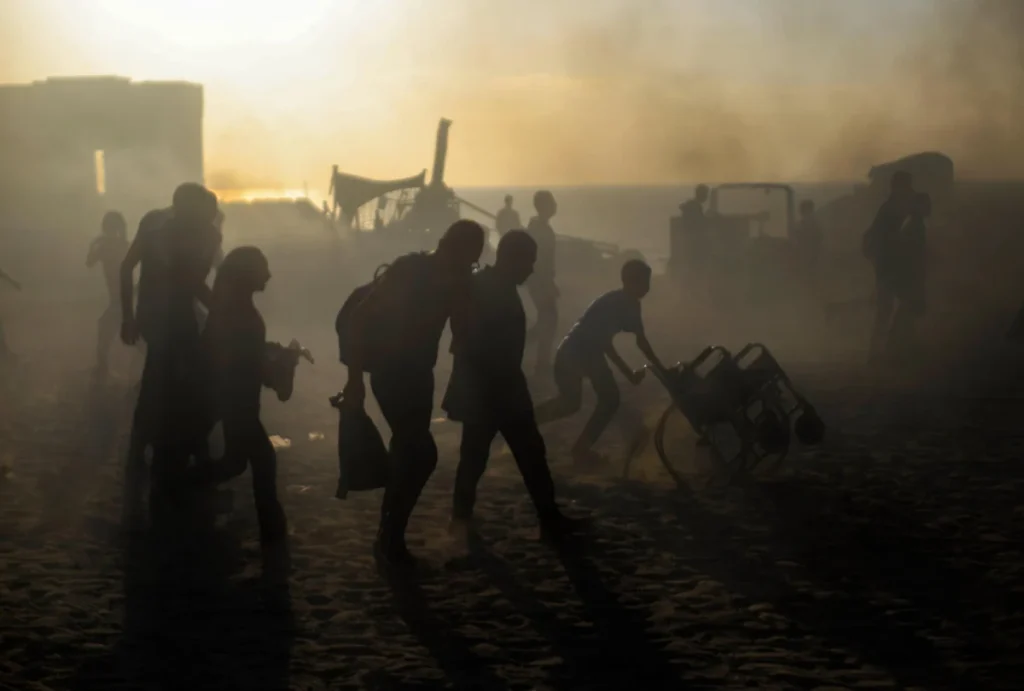
The silence of the Yemeni desert is deceptive. Beneath the arid landscape of the Taiz governorate, a human tragedy of immense proportions is unfolding. Since September 3, 2026, a sudden and violent escalation in the decade-long Yemen conflict has uprooted more than 200,000 people, forcing families into a desperate struggle for survival. As Houthi forces have pushed down the Red Sea coast, thousands have been compelled to flee with nothing but the clothes on their backs, seeking refuge in overcrowded and under-resourced displacement sites.
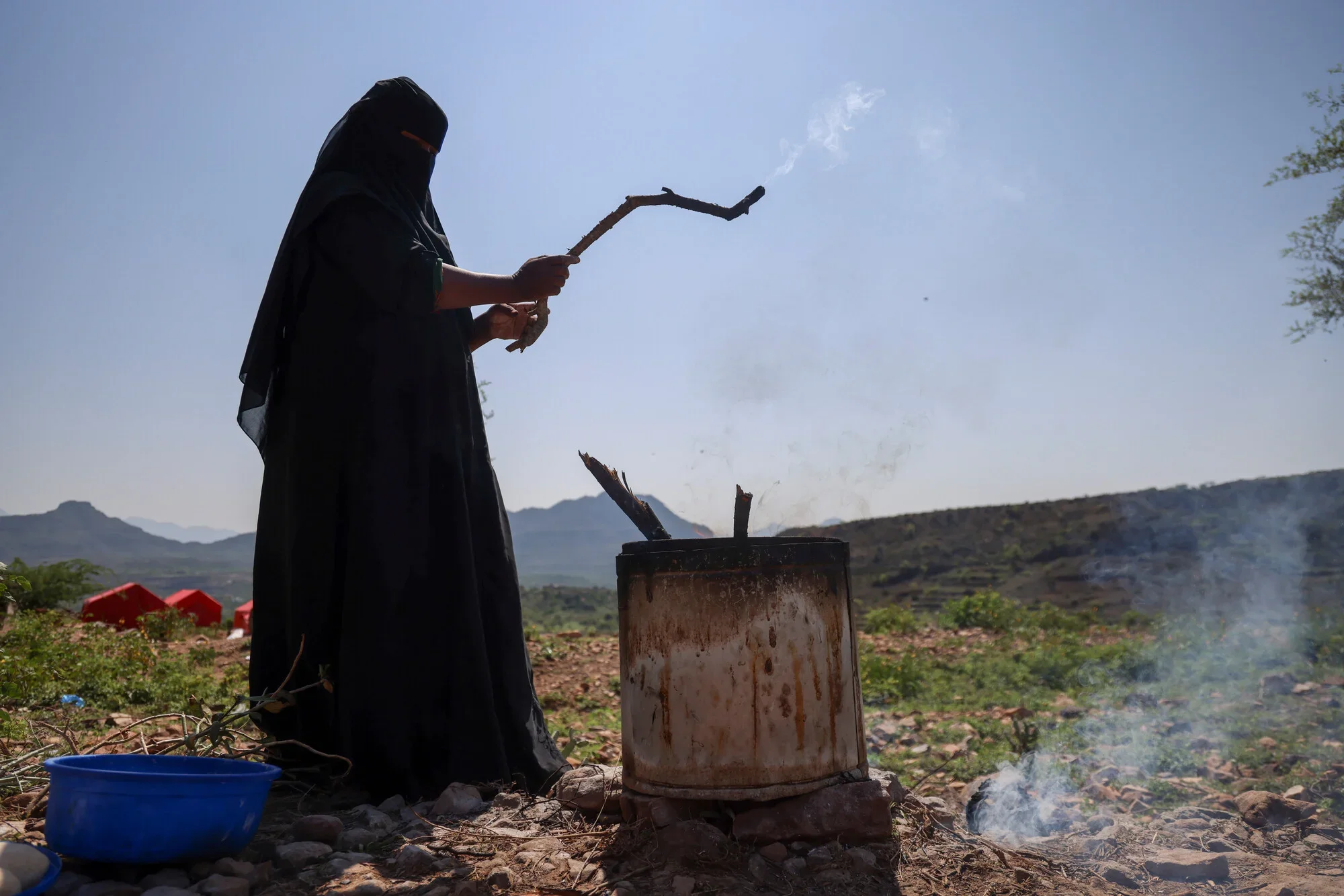
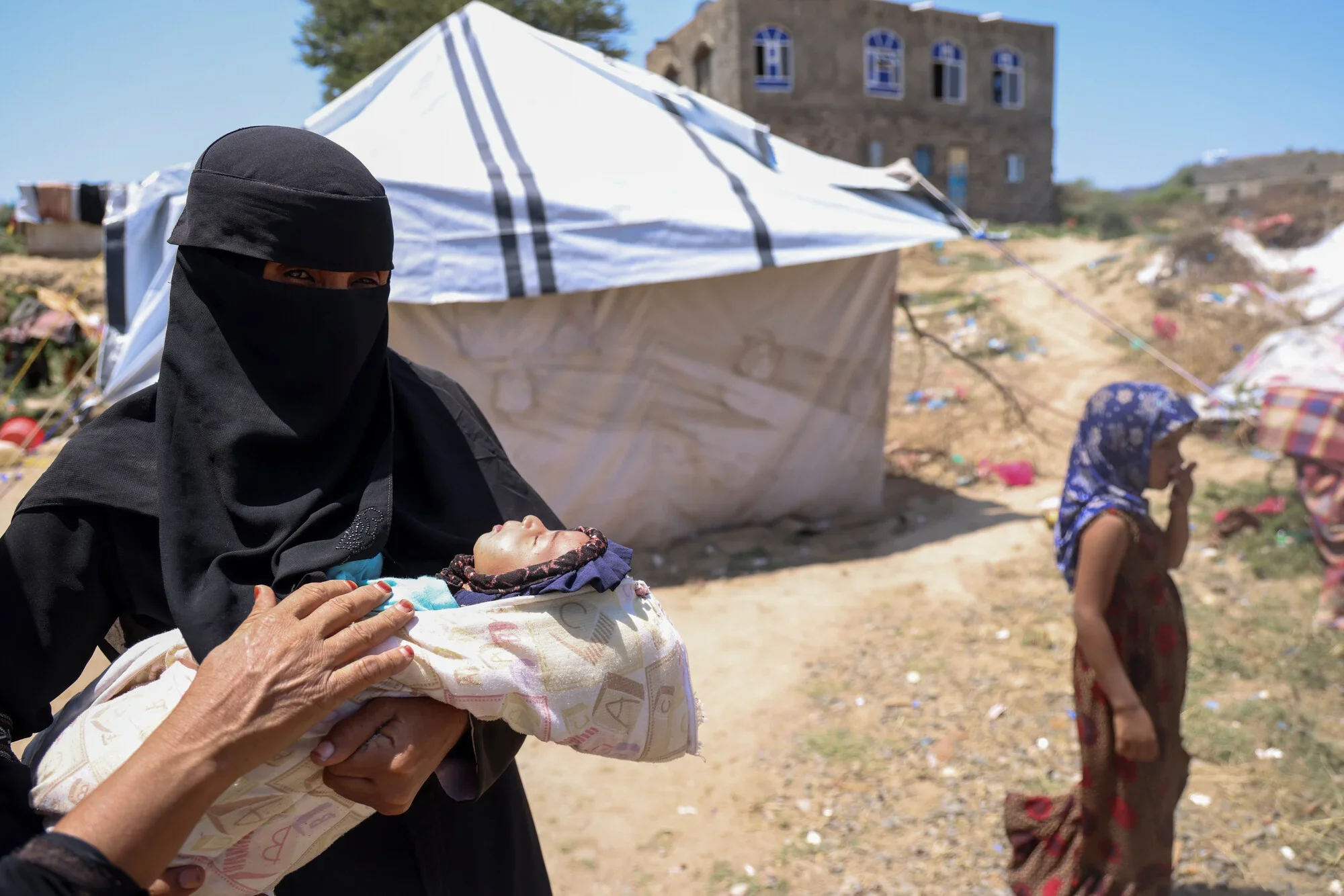
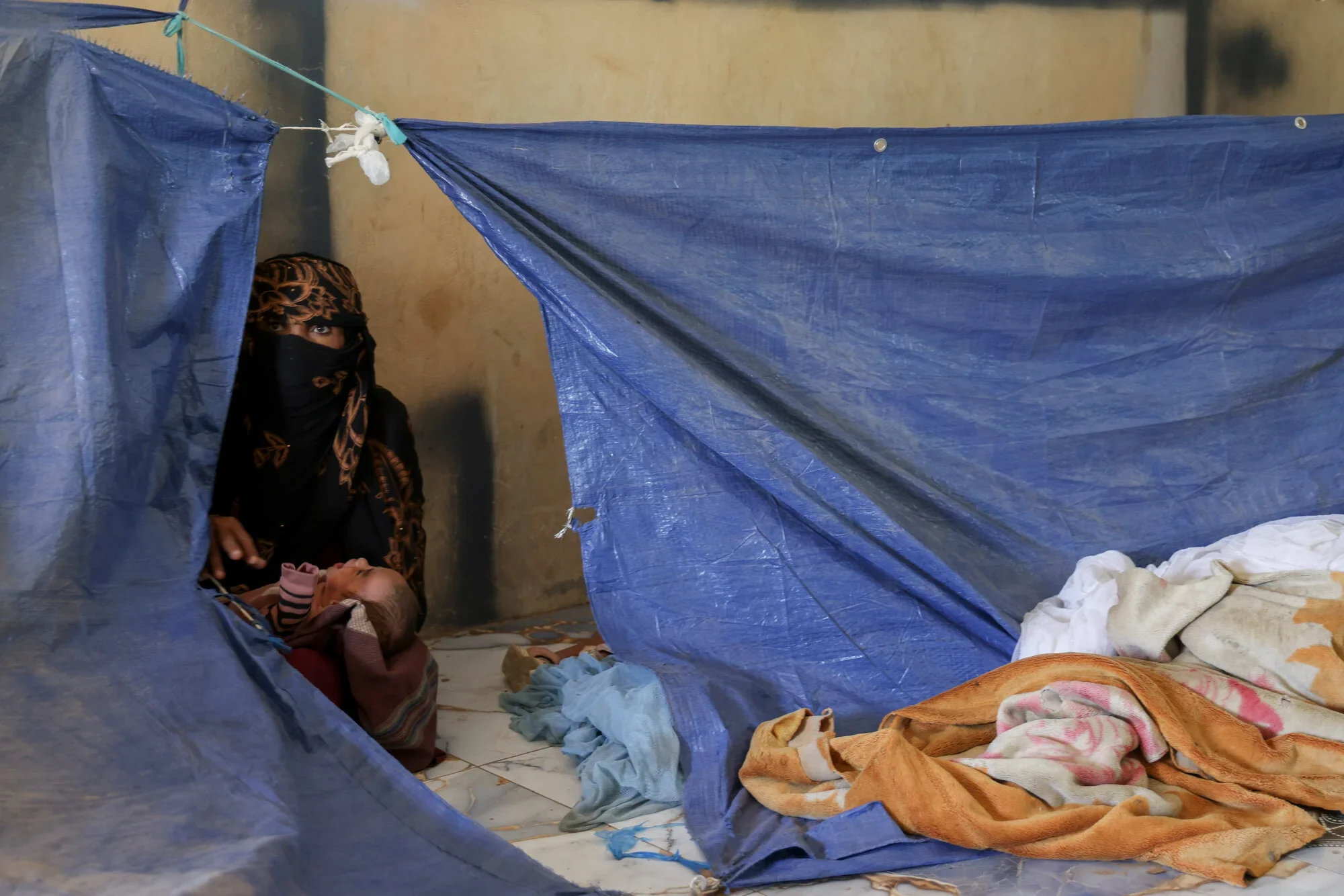
For women like Morada, a mother currently sheltering in the outskirts of Taiz, the reality of this displacement is measured in hunger and exposure. "When the war reached our village, we had to flee, leaving everything behind," she says. "When we arrived here, we slept hungry on the bare ground, shivering in the cold, with no mattresses to lie on and rain falling over us. My children go to sleep crying from hunger."
A Decade of Instability: The Context of the 2026 Escalation
To understand the severity of the current crisis, one must look at the trajectory of the Yemeni conflict. Since 2014, when Houthi forces seized the capital, Sanaa, the nation has been locked in a grinding war that eventually drew in a Saudi-led coalition. While a U.N.-brokered truce in 2022 provided a fragile window of relative calm, it failed to resolve the underlying political and military tensions.
The events of September 2026 mark the most significant breakdown in security since the truce began. The recent Houthi offensive toward the Red Sea coast has sent shockwaves through the region, particularly impacting Taiz, the country’s third-largest city. This movement of forces has effectively turned quiet rural communities into frontlines overnight. According to the World Health Organization (WHO), the escalation has already claimed 959 lives and left over 4,200 individuals injured. For a country where more than two-thirds of the 35 million population already required humanitarian assistance, this surge in violence is a catastrophic blow to a society already operating on the brink of total collapse.
Chronology of the Crisis: From Stability to Displacement
- 2014–2015: Conflict erupts with the Houthi takeover of Sanaa and the subsequent intervention of a Saudi-led military coalition.
- 2022: A historic U.N.-brokered truce is established, significantly reducing violence but failing to achieve a lasting political settlement.
- September 3, 2026: A major escalation begins as Houthi forces launch a military offensive along the Red Sea coast, triggering a fresh wave of mass displacement.
- Mid-September 2026: Refugee camps in Taiz and surrounding areas reach critical capacity. Reports of food shortages and limited access to clean water emerge from WFP field teams.
- October 2026: Humanitarian organizations report that over 200,000 individuals have been displaced, with road blockades and economic collapse exacerbating the suffering of the most vulnerable.
The Human Toll: Women and Children at the Epicenter
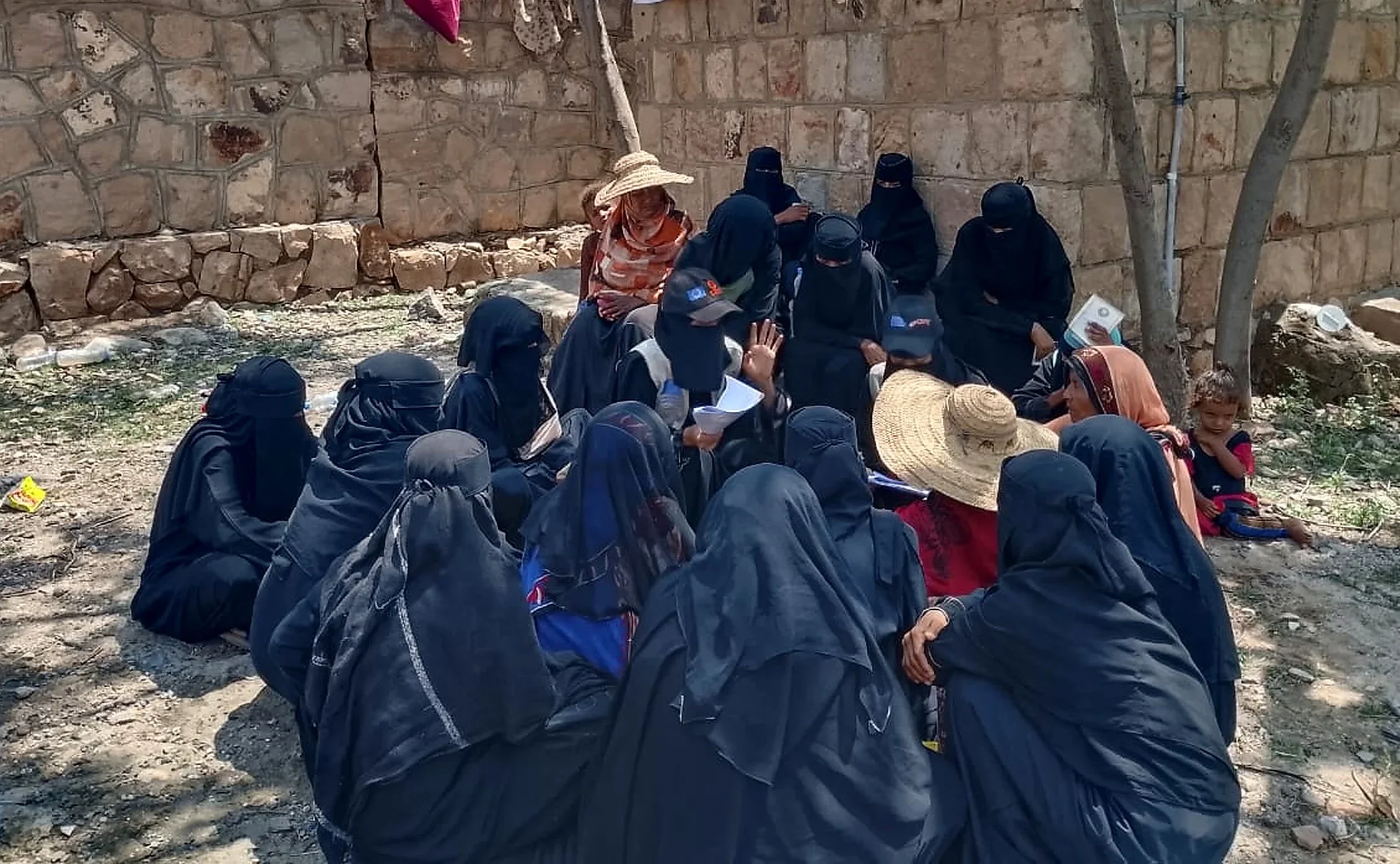
The burden of this conflict is not distributed equally. CARE’s internal assessments reveal that women and children are disproportionately impacted by the lack of basic infrastructure. At displacement sites in Taiz and Aden, thousands of pregnant women have arrived after days of walking, many showing signs of severe undernourishment.
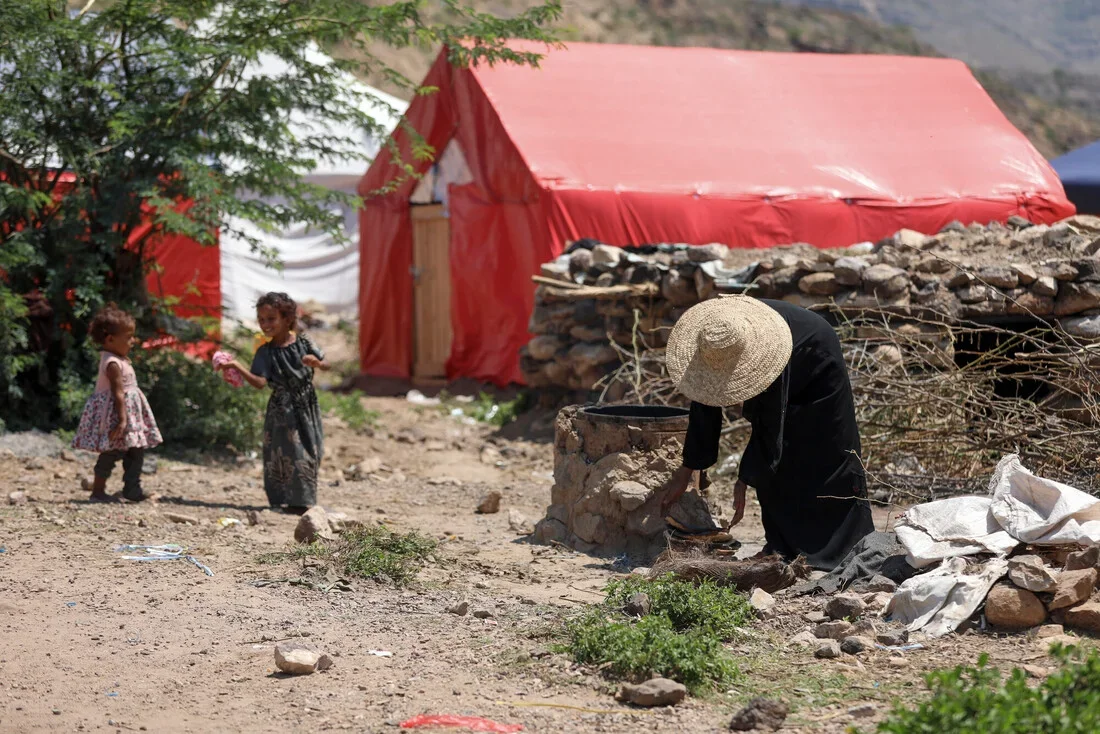
The lack of gender-sensitive facilities is a glaring issue. In many makeshift camps, there is a total absence of private washing spaces, toilets, or adequate lighting. "Some families are sheltering in places without toilets, private washing spaces, or lighting at night," says Iman Abdullahi, CARE Yemen country director. "Women need support that protects their health, safety, and dignity."
The physical dangers are compounded by the psychological trauma of constant displacement. Many families, like Morada’s, are experiencing their second or third migration. The incident Morada describes—where her daughter fell from a hillside while searching for firewood—is emblematic of the daily dangers displaced people face just to secure basic survival items.
Supporting Data: A Nation in Debt and Despair
The economic fabric of Yemen has been shredded by years of war, and the recent fighting has accelerated this decline. CARE’s research in the Al Ma’afer district of Taiz paints a grim picture:
- 95% of households are in debt.
- 92% of households have been forced to borrow food or rely entirely on the charity of struggling relatives.
- 57,000 children have been displaced since early September.
- 7,800 cholera cases have been confirmed across the country this year, with alerts rising in displacement camps.
The financial barriers are also staggering. In Taiz, the cost of diesel has skyrocketed by 500% compared to pre-crisis levels, and the price of wheat flour has doubled. With major transit routes into Taiz City blocked, the supply chain for essential aid has been severely disrupted, leaving residents trapped and reliant on increasingly expensive and scarce goods.
Official Responses and the Funding Gap
The humanitarian response is currently being hampered by a historic lack of funding. The 2026 U.N. Humanitarian Response Plan for Yemen requested $2.16 billion to assist 12 million people. However, as of mid-year, only 20% of that funding had been secured—marking the lowest level of financial support in a decade.
The United Nations High Commissioner for Refugees (UNHCR) faces an even steeper challenge; of the $194 million requested for its Yemen operations, it received only $34 million before the September escalation even began. This shortfall means that local women-led organizations, which are often the first to reach those in need, are operating with insufficient resources to provide dignity kits, hygiene supplies, or emergency obstetric care.
Implications for the Future: A Call for Access and Dignity
The long-term implications of this crisis are grave. Education has been severely disrupted, with many schools that previously hosted learning programs now repurposed for military use, leaving thousands of children out of the classroom. Furthermore, the reliance on cash assistance as a primary aid tool is threatened by the volatility of local markets and the closure of key roads.
Humanitarian organizations are calling for immediate, unhindered access to conflict-affected areas. "As displacement continues to grow and needs emerge across the country, humanitarian organizations must have safe access and the flexibility to respond quickly," says Abdullahi.
The international community stands at a crossroads. Without a renewed commitment to funding and a concerted push for the protection of civilians, the situation for millions of Yemenis will continue to deteriorate. The plea from those on the ground is simple and urgent. As one partner from a local Yemeni civil society organization stated: "My message to decision-makers and to the world is this: women and girls displaced from Taiz do not need sympathy alone. They need real protection and tangible support that secures a safe and dignified life for them."
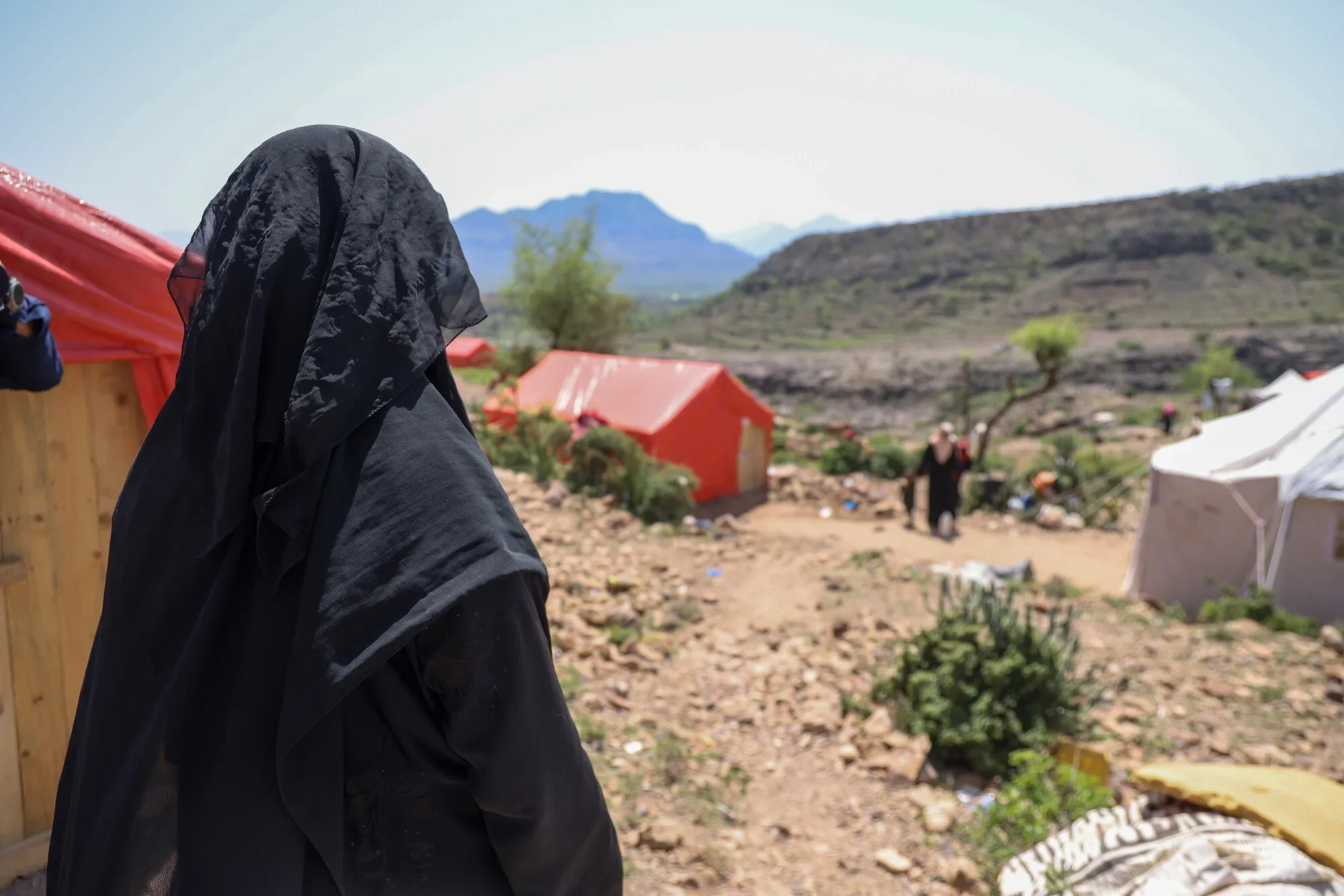
For the families living in the shadow of the mountains, surviving on the edge of a conflict they did not start, time is running out. They require not only the basics of survival—food, gas, and shelter—but the recognition of their right to live with safety and dignity. As the world turns its gaze toward other crises, the people of Yemen remain in a cycle of suffering that requires global attention, sustained funding, and a commitment to peace that has, for far too long, remained out of reach.


 Reynand Wu
 Jia Lissa






