



 Iffa Jayyana
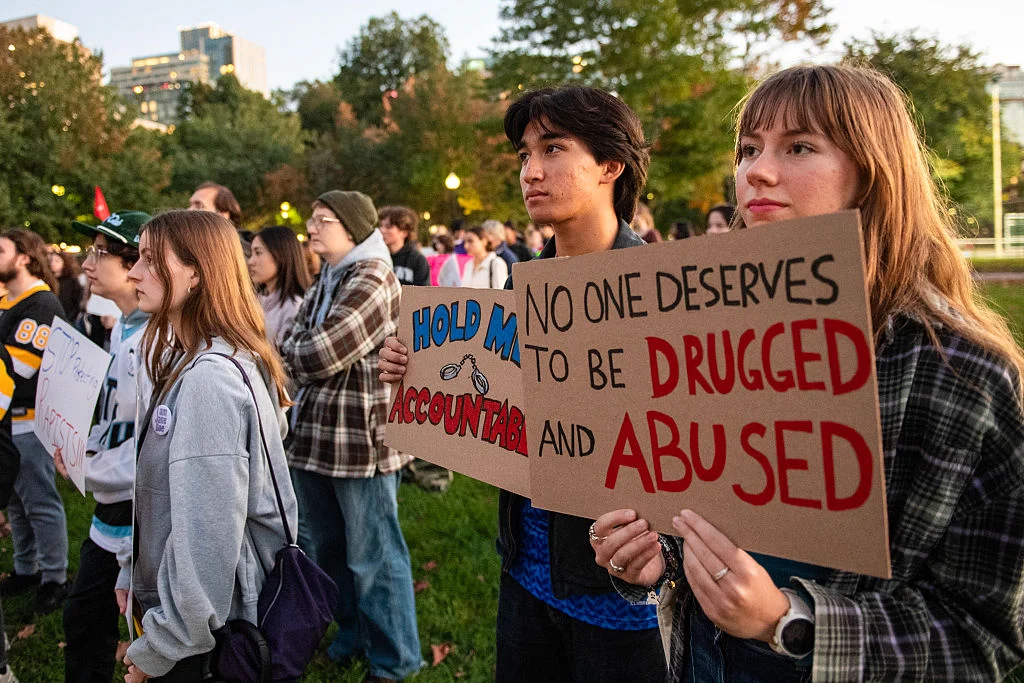
The recent, harrowing lawsuit involving a Cornell University student—identified only as "Jane Doe"—has sent shockwaves through the American educational landscape and ignited a fierce national conversation regarding the epidemic of sexual violence. As the legal battle unfolds, the case has become a focal point for #MeToo 2.0, forcing a reckoning not only with the specific allegations against a group of fraternity members but with the broader cultural mechanisms that enable, ignore, and even protect perpetrators of gender-based violence.
The Allegations: A Pattern of Entitlement and Coercion
According to the lawsuit, Jane Doe alleges that she was targeted by members of a Cornell fraternity, who coerced her into consuming drugs before subjecting her to hours of sustained sexual assault. The suit details a coordinated effort by these individuals, who allegedly took turns violating her, reinforcing a "twisted sense of male entitlement."
The harrowing nature of the allegations is underscored by a chilling detail: throughout the hours-long ordeal, not a single participant intervened or shouted for the abuse to stop. This silence is the crux of the problem. It highlights that such violence is rarely the result of a single "bad apple," but rather the product of a collective environment where power is used to dehumanize others. As activists have noted for years, rape is fundamentally an act of power and control, not desire. The Cornell case, like those before it, appears to be a manifestation of this toxic dynamic.
A Chronology of Institutional Failure
The Cornell case is, unfortunately, the latest in a long, tragic timeline of systemic failures on college campuses and within our social institutions.
- 2010 (Cleveland, Texas): Nineteen men and boys gang-raped an 11-year-old girl, bringing the horrors of collective violence into the public consciousness.
- 2012 (Steubenville, Ohio): Star high school football players sexually assaulted a 16-year-old girl while she was incapacitated, an incident that became a national flashpoint when classmates were found to have filmed the assault rather than intervening.
- 2014 (Columbia University): Student Emma Sulkowicz began carrying her mattress across campus to protest the university’s handling of her sexual assault case, turning her own body and the instrument of her trauma into a powerful symbol of institutional indifference.
- 2015 (Stanford University): A star swimmer was convicted of sexually assaulting an unconscious woman, a case that drew international outrage when the perpetrator received a lenient sentence, only to be stopped by two alert bystanders.
- 2026 (Cornell University): The current case, which has prompted a resurgence of the "I am Jane Doe" movement, where thousands of women have declared solidarity, signaling that the public is no longer willing to tolerate the shielding of abusers.
The Roots of the Crisis: Socialization and the "Manosphere"
The recurring nature of these events suggests a deeply rooted problem in how boys are socialized. From a young age, the pressure to "toughen up," repress emotions, and reject "feminine" traits creates a fertile ground for toxic masculinity. This socialization often manifests in the "manosphere"—an online ecosystem that promotes misogyny and reinforces the idea that women are objects to be conquered rather than equals to be respected.
When we consider that these fraternity members were once four-year-old boys, we must ask: What were they taught about empathy, consent, and the dignity of others? Current policy spends billions of dollars reacting to the aftermath of violence, but almost nothing on the front-end, preventative work of social and emotional education. There is an urgent need for a national study into how preschool and primary education can nurture sensitive, compassionate boys and courageous, empowered girls.
The Political Dimension: Power, Silence, and Leadership
The conversation surrounding the Cornell case is occurring against a backdrop of national political turmoil. The presence of leadership that has openly boasted about sexual misconduct and maintained decades-long, well-documented ties to convicted sex offender Jeffrey Epstein sends a dangerous message to young men: that power protects those who abuse women.
When federal juries and courts weigh in on cases involving high-profile figures, the outcomes are often obscured by political polarization. The fact that thousands of pages from the Epstein files remain withheld by the government suggests that the systemic protection of powerful men is not merely a historical relic, but an ongoing political project. This "top-down" example of impunity provides a blueprint for peer-to-peer abuse on campuses across the country.
The Role of Male Allies: Moving Beyond Empty Gestures
A common pitfall in the movement to end sexual violence is the "empty gesture"—the individual man who claims he would never act that way while failing to challenge the system that makes such violence possible.
The feminist men’s movement has been working for decades to change this. Organizations such as A Call to Men, Mentors in Violence Prevention Strategies, Next Gen Men, and the White Ribbon Campaign have been building a framework for masculinity that is rooted in accountability rather than dominance.
However, these organizations often operate in the shadows, receiving little media coverage and minimal institutional funding. To move the needle, society must stop viewing this as a "women’s issue" and start recognizing it as a systemic crisis of masculinity that men must actively dismantle. Being an ally is not a passive identity; it is a proactive, daily commitment to calling out misogyny, holding peers accountable, and transforming the cultural scripts that govern male behavior.
Institutional Responsibility: Moving From Adjudication to Prevention
Colleges, the military, and police departments have historically shielded themselves from liability by focusing on the adjudication of sexual assault rather than its prevention. As highlighted in the documentary The Hunting Ground, universities often treat survivors as public relations liabilities rather than students in need of justice.
The military, while complex, has shown glimpses of progress. In 2012, after then-Defense Secretary Leon Panetta viewed the documentary The Invisible War, he initiated significant reforms to how the military handles sexual assault cases. While far from perfect, it proves that when institutional leadership prioritizes the issue, change can happen.
For universities like Cornell, the path forward requires:
- Investment in Prevention: Shifting funding from legal defense and bureaucratic adjudication toward robust, mandatory education on consent and healthy masculinity.
- Transparency: Abandoning the "reputation-first" model that suppresses reports of assault.
- Support for Male Allies: Integrating programs that teach men how to intervene when they see their peers engaging in abusive behavior or predatory language.
Conclusion: A Call for a New Language
We have a language for the worst of manhood—"toxic masculinity" and "the manosphere"—but we lack a common language for the men who are transforming it. We need a vocabulary of courage that recognizes the men who stand with survivors.
The courage of Jane Doe has provided an opportunity to pivot. As we look at the path ahead, it is clear that outrage alone will not suffice. We need a systemic overhaul that starts in our homes, our schools, and our government.
For men who wish to be part of the solution, the time for silence has passed. It is time to join the chorus of survivors, to support the initiatives that are already working, and to commit to the long-term, difficult work of cultural change. We cannot simply be "not that guy"—we must be the men who ensure that "that guy" no longer has a platform, a fraternity, or an institutional shield to hide behind. The future of our culture depends on our willingness to move from passive belief to active, collective transformation.

 Muslim

 Reynand Wu