

 Siti Muinah
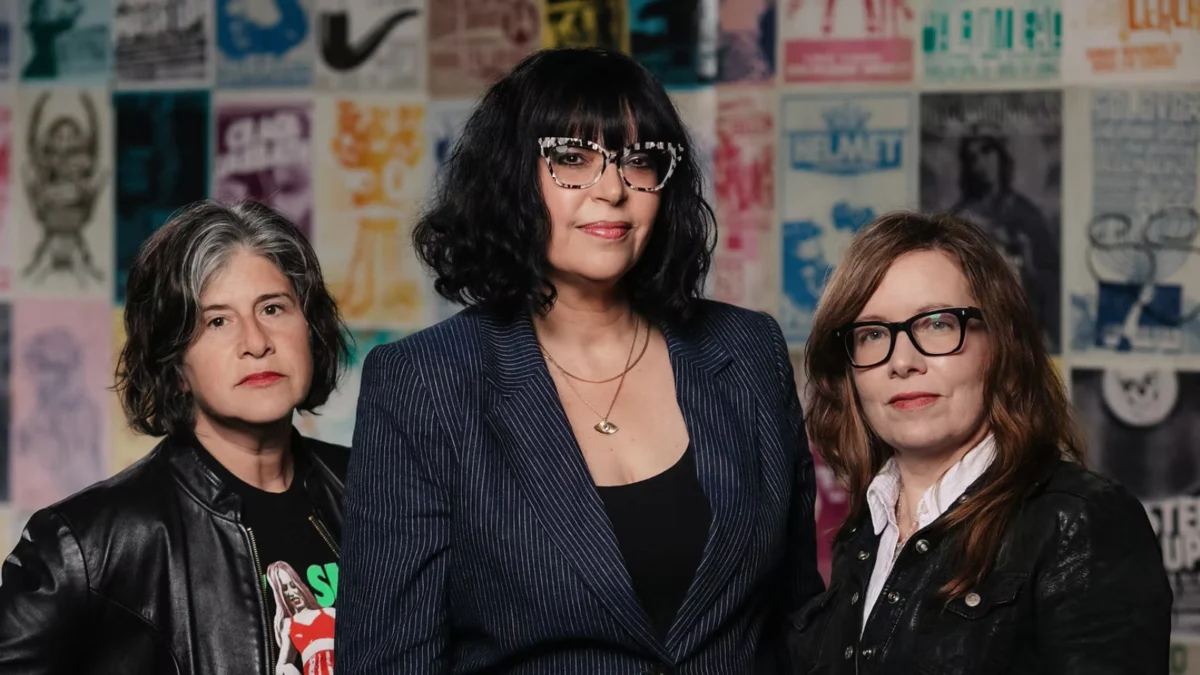
For decades, the experience of menopause has been shrouded in silence, stigma, and systemic medical negligence. For millions of women, the transition into this life stage has been met with dismissed symptoms, a lack of informed medical guidance, and an antiquated "grin and bear it" attitude. However, a burgeoning movement known as the Menopunks is challenging this status quo, demanding a fundamental restructuring of how society—and the medical establishment—views hormonal health.
What began as a documentary project by filmmaker Alicia J. Rose, focused on the intersection of women musicians and menopause, has rapidly evolved into a militant advocacy platform for "hormonal justice." Today, Menopunks stands as a vocal collective, complete with a weekly podcast and a definitive "Bill of Hormonal Rights," aimed at ensuring that women can age with dignity, agency, and, most importantly, evidence-based care.
The Catalyst for Change: Addressing a Generational Injustice
The urgency of the Menopunks movement was underscored in November 2025, when the U.S. Food and Drug Administration (FDA) made a landmark decision: the removal of the long-standing "black box" warning label from all estrogen-based menopause hormone therapy (MHT) products.
For years, this warning had tethered hormonal treatment to a narrative of inherent danger and increased risk, a medical dogma that left millions of women suffering from debilitating symptoms—such as cognitive fog, severe hot flashes, and loss of bone density—without effective relief. The FDA’s decision was not merely a regulatory update; it was an admission of a massive, systemic failure.
As the then-FDA commissioner noted, "Tragically, tens of millions of women have been denied the life-changing and long-term health benefits of hormone replacement therapy because of a medical dogma rooted in a distortion of risk."
For the Menopunks, the removal of the warning is a victory, but it is also a starting point for interrogation. The group is asking the uncomfortable questions: How did such a profound distortion of medical science persist for so long? Who is held accountable for the decades of denied care? And how do we ensure that such a generational injustice is never repeated?
Chronology: From Medical Dogma to the Call for Revolution
The history of menopause treatment is a study in medical paternalism.
- The Early 2000s: The Women’s Health Initiative (WHI) study was released, creating a firestorm of fear regarding hormone therapy. While later analysis showed the study’s data had been misinterpreted and applied to a broader population than it should have been, the damage was done. The "black box" warning became the standard, effectively scaring both patients and physicians away from prescribing essential hormones.
- 2024–2025: A growing chorus of activists, scientists, and journalists began to dismantle the "distortion of risk" narrative. Online communities and advocacy groups began sharing peer-reviewed data, highlighting that for many, the benefits of hormone therapy significantly outweigh the risks when initiated at the right time.
- November 2025: The FDA formally acknowledges the distortion, removing the black box warning and signaling a pivot toward evidence-based, individualized care.
- 2026–Present: The Menopunks formalize their platform, launching their "Bill of Hormonal Rights" to ensure that the FDA’s policy shift translates into actual changes in clinical practice and workplace culture.
The Menopunks Bill of Hormonal Rights: A Blueprint for the Future
The Menopunks have drafted a 10-article "Bill of Hormonal Rights" that serves as the cornerstone of their activism. This document is not just a list of demands; it is a manifesto for bodily autonomy.
1. The Right to Quality of Life and Representation
The movement asserts that wellbeing is not a luxury. Article I declares that sleep, sexual health, mental clarity, and vitality are essential components of longevity. This is further supported by Article VI, which demands that medical research be intersectional. For too long, clinical trials have failed to prioritize the aging female body, leading to a massive gap in pharmaceutical development tailored to the hormonal transitions of midlife.
2. The Right to Be Heard and Informed
Article II and Article III address the gaslighting that many women face in doctors’ offices. The movement insists on the right to have symptoms investigated rather than dismissed as "part of aging." Furthermore, they demand access to current, science-based information that is not clouded by outdated stigmas.
3. The Right to Hormonal Healthcare as Preventative Medicine
The Menopunks argue that hormones should be viewed as preventative healthcare. Article IV and Article IX emphasize that when hormone therapy is medically appropriate, it should be accessible, covered by insurance, and treated with the same seriousness as other preventative treatments.
4. Workplace Protections and Structural Change
One of the most radical aspects of the Menopunks’ platform is the call for workplace accommodations. Article VII states that women have a right to work in environments that recognize the hormonal spectrum. This includes policies that prevent discrimination or career penalties based on the physiological realities of aging.
Official Responses and the Medical Shift
The medical community is currently in a state of adjustment. Major gynecological and endocrinological associations have begun updating their guidelines to align with the FDA’s 2025 decision. However, the Menopunks argue that policy changes are insufficient if they are not met with a radical shift in provider education.
Article V of their Bill of Rights—"The Right to Hormonally Radicalized Educated Providers"—targets the systemic lack of training in medical schools. Even with the removal of black box warnings, many primary care physicians remain ill-equipped to guide patients through the nuances of perimenopause and menopause. The movement is now pushing for mandatory continuing education requirements that focus specifically on the complexities of hormonal health across the human lifespan.
Implications: A Global Movement for Hormonal Justice
The implications of the Menopunks movement extend far beyond the doctor’s office. By framing menopause as a stage of life that can be "championed" rather than "managed," they are challenging the broader societal narrative that equates aging with decline.
The Economic Impact
When women are forced to navigate debilitating symptoms without support, they often experience "career stalls" or are forced into early retirement. By demanding workplace protections and better medical care, the Menopunks are advocating for the economic health of women. Ensuring that women have the hormonal support to maintain their health and vitality is not just a private concern; it is a workforce imperative.
The Cultural Shift
Perhaps the most significant implication is the cultural shift toward "hormonal radicalization." By encouraging women to connect, share their stories, and demand answers, the Menopunks are breaking the culture of silence that has traditionally surrounded midlife. They are replacing shame with community, and passivity with activism.
Conclusion: An Unfinished Business
As the Menopunks note in their ratification, the movement is "unfinished business." The path to hormonal justice requires more than just policy shifts—it requires a complete reimagining of the medical establishment’s relationship with women.
As of late 2026, the movement continues to gain momentum. Through their podcast, documentary, and grassroots organizing, the Menopunks are ensuring that the conversation around menopause is no longer a whisper, but a roar. They are defying patriarchal control and insisting that the aging process—and the hormonal support required to thrive within it—is a basic human right.
In the words of founder Alicia J. Rose, "Every woman has the right to define aging on their own terms." As the Menopunks continue to advocate for their Bill of Rights, it is clear that they are not just seeking better care—they are seeking to reclaim their lives, their bodies, and their futures. The revolution is here, and it is hormonal.


 Reynand Wu
 Jia Lissa






