

 Lina Hope
WASHINGTON D.C. — In a landmark acknowledgment of what scientists are calling an "invisible health crisis," the United States government has committed $144 million to a pioneering program designed to detect, measure, and ultimately extract microplastics from the human body. Launched in April 2026, the Systematic Targeting Of MicroPlastics (STOMP) program, managed by the Advanced Research Projects Agency for Health (ARPA-H), signals a paradigm shift in how federal agencies view plastic pollution—moving it from an environmental nuisance to a primary threat to human longevity.
“Nobody wants unknown particles accumulating in their body,” stated ARPA-H Director Alicia Jackson during the program’s inauguration. Her sobering mandate highlights a terrifying reality: while science has confirmed that microplastics have infiltrated every major human organ, there is currently no validated medical procedure to remove them.
Main Facts: The Ubiquity of Synthetic Contamination
Microplastics—defined as plastic particles smaller than five millimeters—have transitioned from a theoretical concern to a documented biological inhabitant. Even more concerning are nanoplastics, particles smaller than one micrometer, which are invisible to the naked eye and capable of crossing the blood-brain barrier and the placental wall.
Recent clinical data has painted a grim picture of human bioaccumulation:
- Cardiovascular Risk: A 2024 study published in The New England Journal of Medicine revealed that patients with microplastics in their arterial plaque were at a significantly higher risk for nonfatal heart attacks, strokes, or death.
- Organ Infiltration: Research from the University of New Mexico found that human brain tissue contains higher concentrations of microplastics than other organs. Furthermore, 100% of human testicle samples in a recent study showed plastic contamination.
- Maternal Health: Plastics have been detected in human blood, lung tissue, breast milk, and placentas, suggesting that humans are now born "pre-polluted."
The STOMP program arrives as the scientific community warns that while the long-term effects are still being mapped, the immediate indicators point toward chronic inflammation, endocrine disruption, and heightened cardiovascular vulnerability.
Chronology: From Ocean Debris to Human Tissue
The trajectory of microplastic awareness has accelerated rapidly over the last decade.

2015: The Microbead Ban
The US Congress passed the Microbead-Free Waters Act, banning plastic microbeads in "rinse-off" cosmetic products like face scrubs and toothpaste. At the time, the focus was primarily on protecting aquatic life.
2019–2021: The Discovery of Human Ingestion
Studies began confirming that humans were not just surrounded by plastic but were actively consuming it. Research in Environmental Science & Technology suggested that the average person ingests tens of thousands of particles annually through food, water, and air.
2024: The Clinical Breakthrough
The aforementioned New England Journal of Medicine study provided the first direct link between plastic accumulation in the body and specific, life-threatening health outcomes, transforming microplastics from an "emerging concern" to a clinical priority.
2025: Legislative Precedents
France became the first nation to mandate microfiber filters in all new washing machines, targeting the 35% of ocean microplastics derived from synthetic textiles.
April 2026: The Launch of STOMP
The US federal government formally recognizes the inability of the human body to naturally expel these particles, launching the $144 million STOMP initiative to find a biological or mechanical solution for "human plastic extraction."
Supporting Data: Identifying the Primary Vectors of Exposure
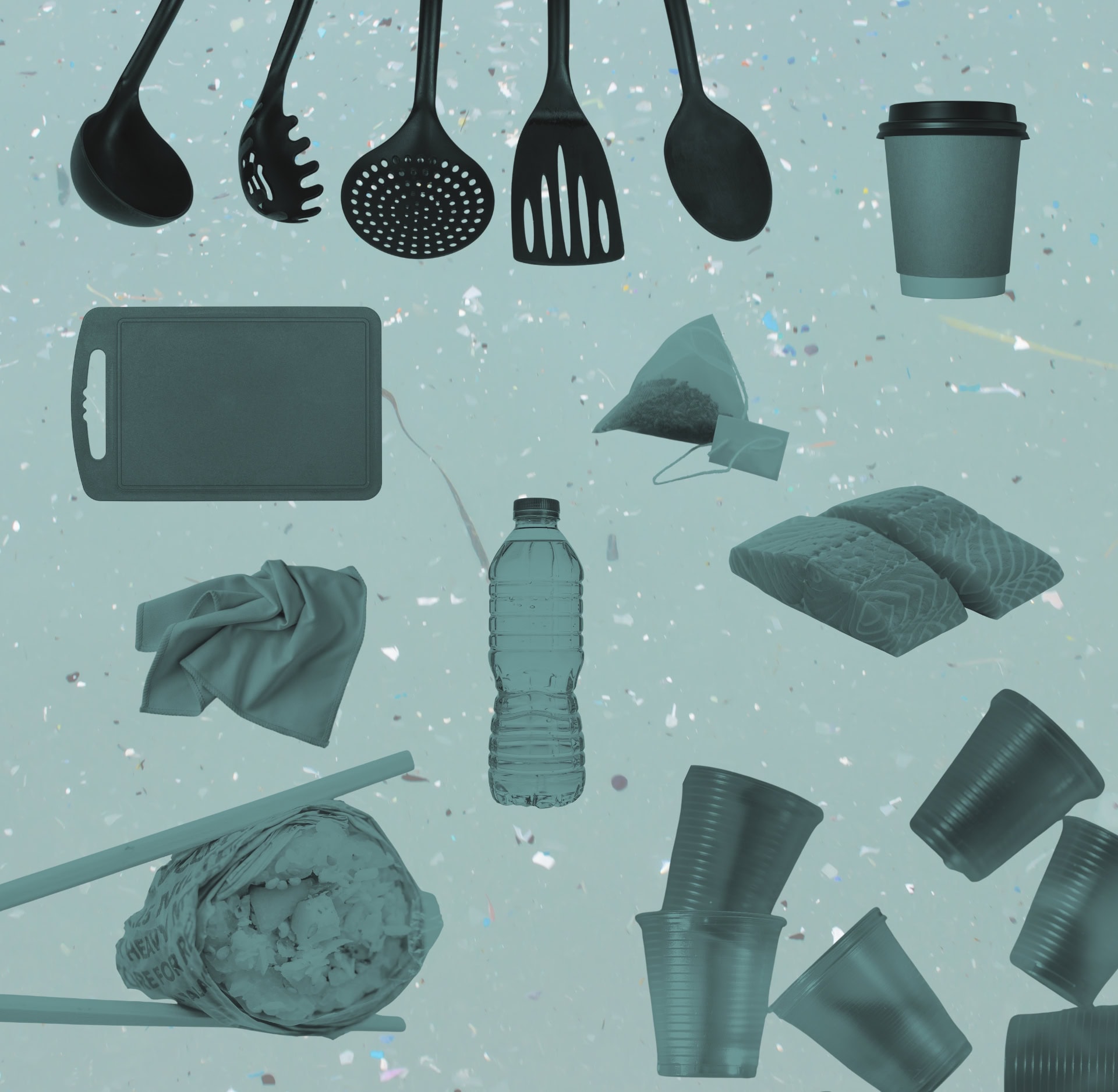
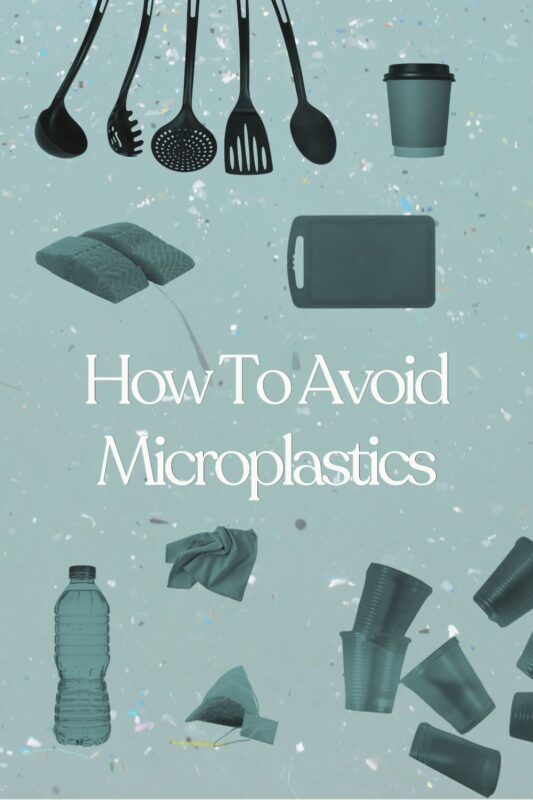
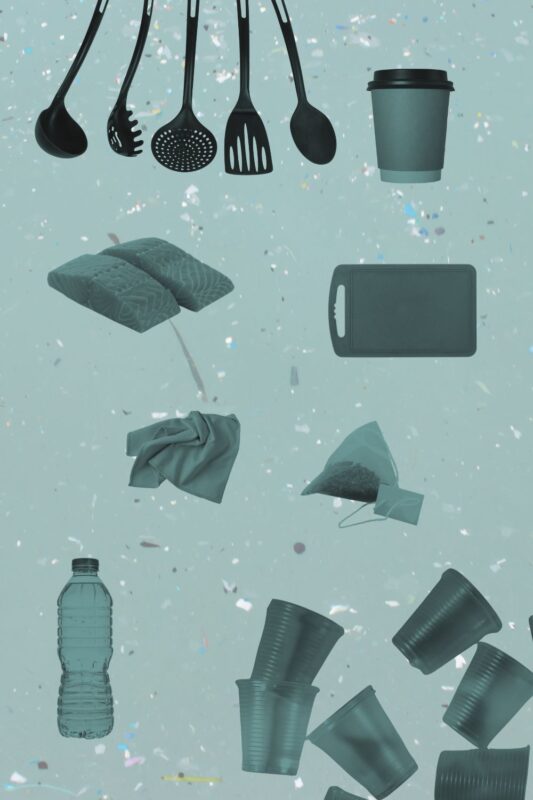
To mitigate exposure while the STOMP program develops removal technologies, researchers have identified four primary "hot zones" for microplastic infiltration: the kitchen, drinking water, textiles, and the household environment.

1. The Kitchen: Heat and Friction
The kitchen is the highest-impact room for exposure due to the interaction of plastic with heat and acidic foods.
- Cutting Boards: A 2023 study found that chopping on polyethylene or polypropylene boards can release 14 to 71 million particles per person annually.
- Tea Bags: Research published in 2026 found that a single "silken" nylon tea bag, when steeped in hot water, releases between 16,000 and 24,000 microplastic particles per milliliter. An earlier study placed the total count at 11.6 billion microplastics per cup.
- Black Plastic Utensils: A 2024 study in Chemosphere found that 85% of black plastic kitchen products tested contained toxic flame retardants, likely due to the use of recycled electronic waste in their manufacture.
2. Drinking Water: The Bottled vs. Tap Debate
Drinking water remains a massive source of nanoplastic ingestion.
- Bottled Water: A study in the Proceedings of the National Academy of Sciences found approximately 240,000 nanoplastic particles per liter in popular bottled water brands—90% of which were small enough to enter the bloodstream directly.
- Filtration Efficiency: Reverse Osmosis (RO) systems are currently the only household technology verified to capture both micro- and nanoplastic particles. Standard activated carbon pitchers (like basic Brita models) are generally insufficient unless specifically certified for microplastic reduction.
3. Textiles: The Microfiber Crisis
Synthetic clothing (polyester, nylon, acrylic) sheds millions of fibers per wash.
- Environmental Load: Textiles account for 35% of primary microplastics in the ocean.
- Laundering Impact: A single wash cycle can release up to 6.8 million microfibers. While natural fibers like cotton and wool also shed, they are biodegradable; synthetic fibers persist for centuries.
4. Food Chains and Processing
- Processed Foods: Ultra-processed items (nuggets, packaged snacks) show higher plastic counts due to extensive contact with plastic machinery and packaging.
- Seafood: Filter-feeders like mussels and clams are particularly contaminated, with estimates suggesting heavy consumers ingest over 11,000 particles annually from shellfish alone.
Official Responses: Global Regulation and the "BPA-Free" Fallacy
Governmental and regulatory bodies are beginning to respond, though critics argue the pace is too slow. The European Union is currently developing the Ecodesign for Sustainable Products Regulation, which expects to implement textile-specific mandates by 2027.
However, a significant hurdle remains in consumer labeling. Many manufacturers have pivoted to "BPA-free" branding, which journalists and scientists warn is misleading. BPA (Bisphenol A) is a single chemical additive. A "BPA-free" plastic bottle can still shed millions of microplastic particles and may use replacement chemicals like BPS or BPF, which early research suggests carry similar endocrine-disrupting risks.
The ARPA-H response is the most aggressive to date, moving beyond "prevention" into the realm of "active medical intervention." The STOMP program is divided into three technical areas:
- Measurement: Developing sensors to quantify plastics in living tissue.
- Mechanisms: Understanding exactly how plastics move through biological barriers.
- Removal: The eventual development of technologies to "cleanse" the body of accumulated synthetics.
Implications: A New Era of "Non-Toxic" Living
The emergence of the STOMP program and the surrounding data suggests that the "Precautionary Principle" must now be applied to daily life. The implications for public health, the economy, and the environment are profound.
Health and Longevity
If the link between microplastics and cardiovascular disease is further solidified, we may see a rise in "plastic-induced" diagnoses. This would require a total overhaul of cardiology and oncology protocols, as physicians begin to screen for "synthetic load" alongside cholesterol and blood pressure.
The Sustainability Feedback Loop
The health of the planet and the health of the individual have become indistinguishable. Microplastics in agricultural soil—introduced through plastic mulch and contaminated irrigation—are now being absorbed by crop roots. This means that even a "clean" diet of vegetables may carry a synthetic load, making the reduction of plastic waste a matter of survival rather than just environmental ethics.
Economic Shifts
The "Plastic-Free" market is expected to transition from a niche luxury to a medical necessity. Industries ranging from appliance manufacturing (mandated filters) to food packaging (a return to glass and metal) will face massive restructuring costs. However, the cost of inaction—measured in healthcare expenditures for chronic inflammation and heart disease—is projected to be far higher.
Final Summary of Protective Actions
While the US government works on the STOMP initiative, the medical community recommends immediate "source reduction" strategies for the public:
- Replace high-friction plastic: Swap plastic cutting boards for wood or stainless steel and replace plastic utensils with bamboo or metal.
- Control water quality: Transition from bottled water to filtered tap water using Reverse Osmosis.
- Manage textiles: Use microfiber filters in laundry and prioritize natural fibers (organic cotton, linen, hemp).
- Avoid heat-plastic interaction: Never microwave food in plastic containers or use plastic-lined "paper" coffee cups for hot beverages.
The discovery of microplastics within the human brain and blood represents a "silent invasion" that defines the current generation’s greatest health challenge. As the STOMP program moves forward, the message from the scientific community is clear: we cannot wait for a cure; we must stop the intake at the source.

 Iffa Jayyana
 Azzam Bilal Chamdy