



 Pevita Pearce
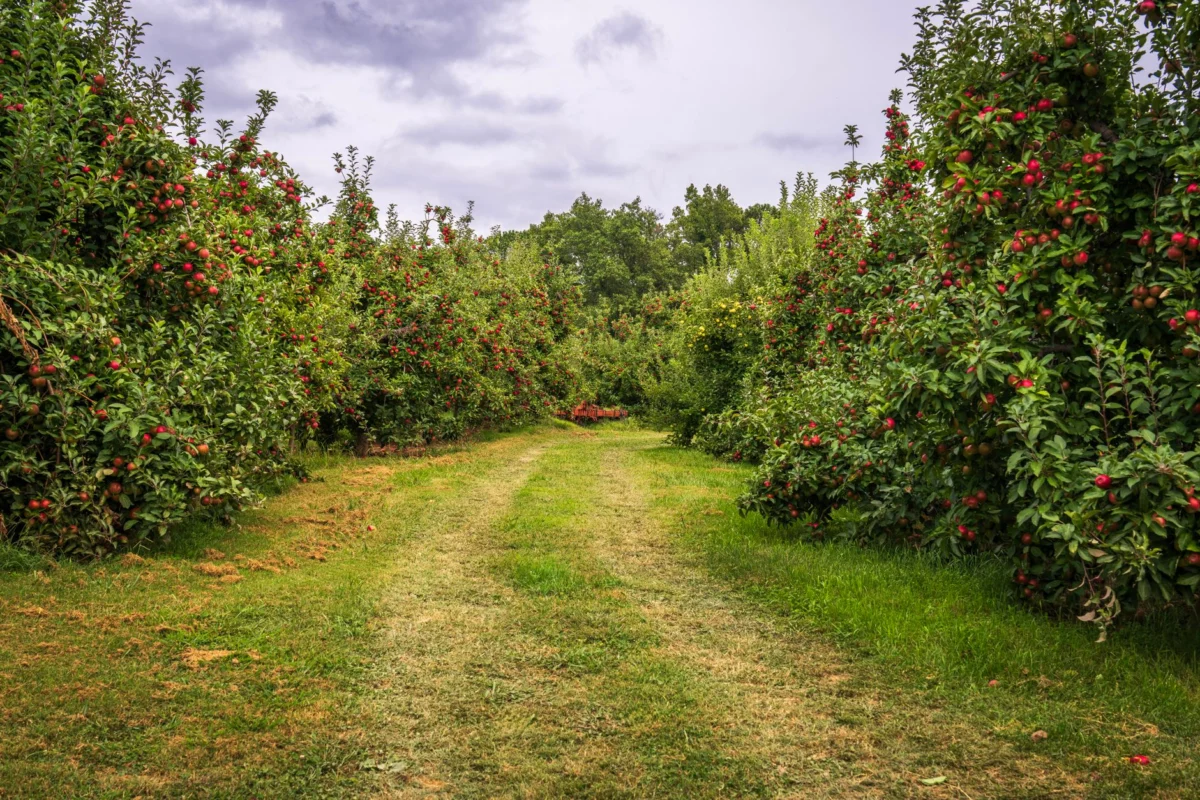
When October arrives, social media feeds undergo a familiar metamorphosis. The curated aesthetics of summer travel are replaced by a singular, rustic obsession: the apple orchard. From the rolling hills of New England to the verdant slopes of the Pacific Northwest, the "U-pick" experience has transcended its roots as a simple agricultural chore to become a cultural touchstone of the modern autumn season.
Yet, for every idyllic photo shared on Instagram, there is a reality of mud-caked boots, bumper-to-bumper traffic, and overpriced fruit. Navigating this trend requires more than just a sense of adventure—it requires strategy. To help you curate an outing that balances aesthetic appeal with genuine relaxation, we’ve compiled the definitive guide to mastering the orchard experience.
The Rise of the Orchard Economy
Apple picking is no longer just a hobby; it is a significant sector of the agri-tourism industry. According to data from the U.S. Apple Association, Americans consume more than 10 billion apples annually, and an increasing percentage of that harvest is being picked directly by the consumer.
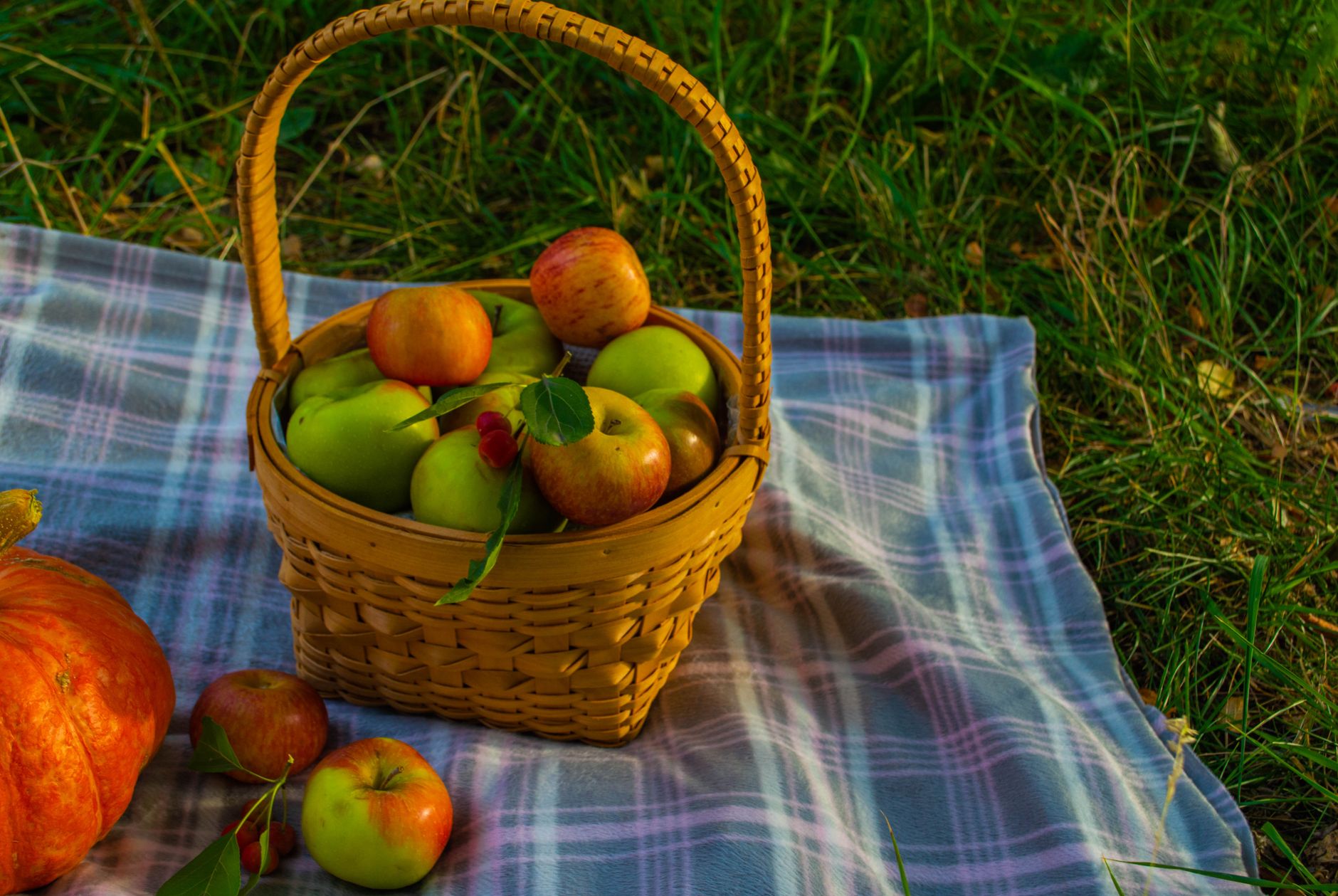
This surge is not purely accidental. In an era dominated by screen time and digital fatigue, the orchard offers a "tactile" remedy. It is an unplugged, multisensory environment that aligns with the growing societal shift toward wellness and locally sourced food. Beyond the aesthetic allure, the health benefits are well-documented. The T.H. Chan School of Public Health at Harvard continues to champion the "apple a day" mantra, noting that high fruit intake is directly correlated with a reduced risk of chronic disease. By visiting an orchard, you aren’t just engaging in a seasonal ritual; you are engaging in a form of preventative nutrition.
Chronology of the Harvest: Timing Your Visit
Timing is the single most important variable in your orchard excursion. While the popular conception of apple picking is synonymous with late October, the season is far more nuanced.
- Late August to Early September: This is the window for early-season varieties like Zestar and Gala. These apples are crisp and sweet, perfect for immediate snacking, though they lack the longevity of later varieties.
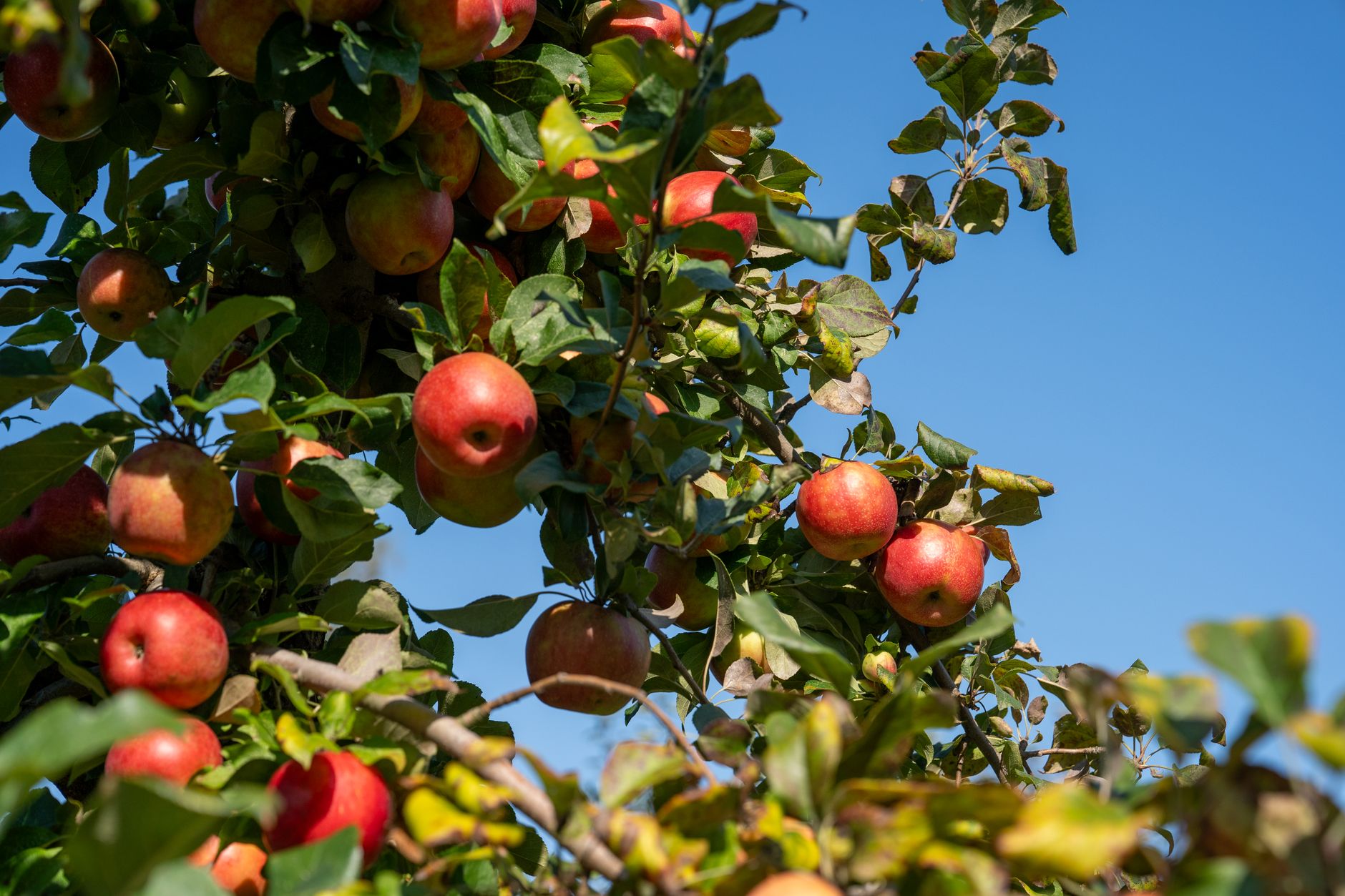
- Mid-September to Mid-October: The "Golden Window." This is when the heavy hitters—Honeycrisp, Cortland, and Fuji—reach peak ripeness. The foliage is typically turning, and the temperatures are ideal for light layering.
- Late October: The tail end of the season. This is when the hardier varieties, often intended for cider production or long-term baking storage, are harvested.
To ensure the best experience, avoid the "Holiday Trap." Columbus Day weekends are notorious for overcrowding. By planning your visit for a Tuesday or Wednesday, you bypass the queues and ensure that the orchard—and the best fruit—is yours to enjoy in relative solitude.
The Logistics of the Perfect Trip
If you are struggling to find a reputable location, resist the urge to simply click the first result on a search engine. Utilize resources like PickYourOwn.org, which provides a comprehensive, geolocated directory of certified farms. This ensures you are supporting legitimate growers rather than pop-up tourist traps.
The Sartorial Strategy
The "cozy sweater" aesthetic is a hallmark of the season, but it must be tempered with practicality. The primary mistake most visitors make is "over-dressing for the photo and under-dressing for the weather."
- Footwear: Leave the suede boots at home. You will be walking through orchards that may have been soaked by early morning dew or recent rain. Opt for waterproof, mud-resistant boots that offer ankle support.
- Layering: Temperatures in the orchard can shift drastically between the sunny rows and the shaded parking areas. A base layer of moisture-wicking material covered by a durable flannel or wool sweater, topped with a water-resistant field jacket, is the professional’s choice.
- Accessories: A crossbody bag is essential. It keeps your hands free for harvesting and ensures your phone or wallet doesn’t accidentally tumble into a crate of fruit.
Maximizing the Experience: From Photos to Culinary Arts
The difference between a "good" trip and a "memorable" one lies in the details.
The Art of the Photograph
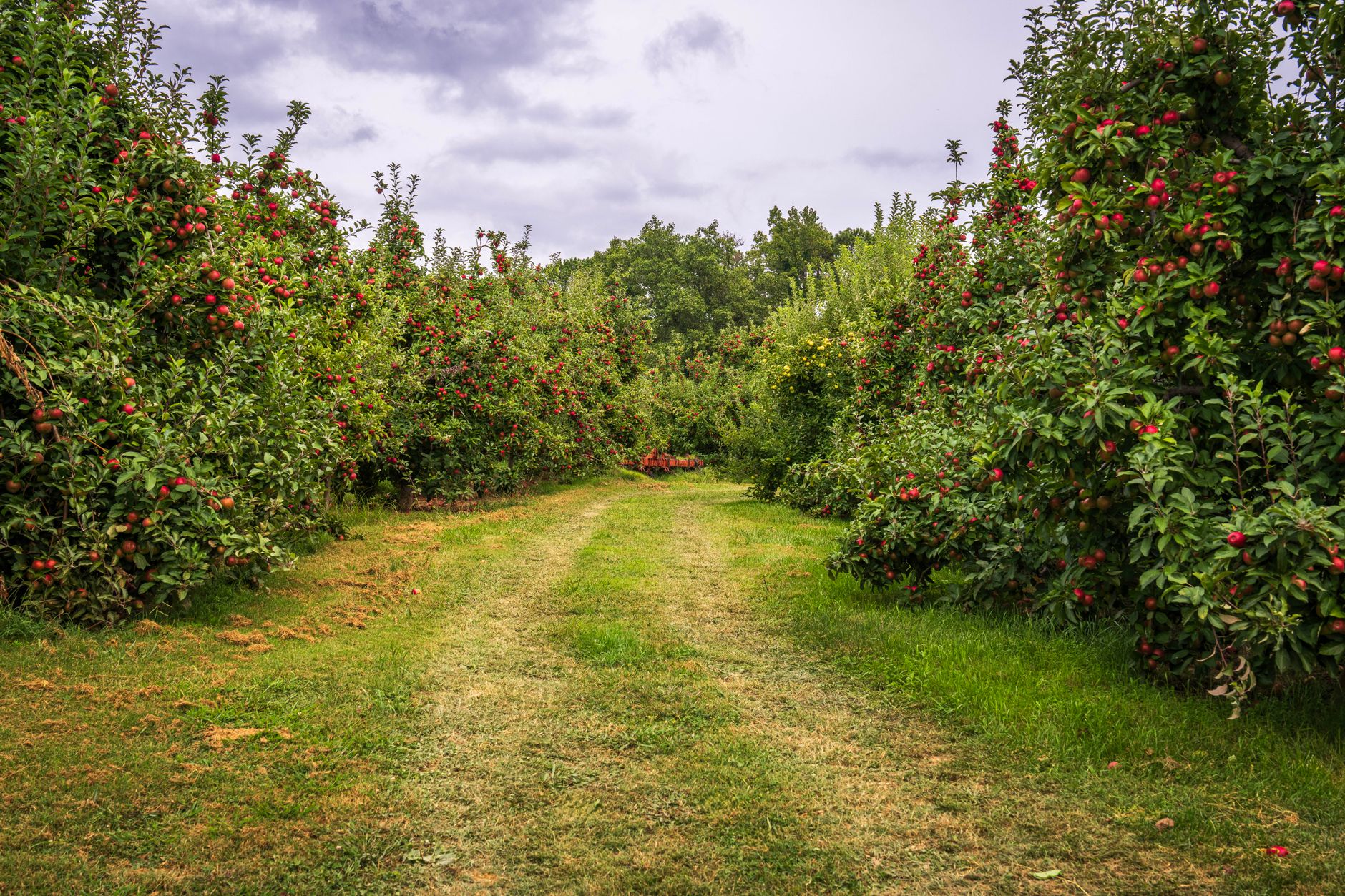
Professional photographers suggest moving beyond the orchard entrance. The most vibrant photos are taken deep in the rows where the canopy creates a natural light filter. If possible, aim for the "Golden Hour"—the final hour before sunset—when the light is soft, directional, and perfect for highlighting the deep reds and vibrant greens of the harvest.
The Culinary Extension
The orchard is merely the beginning of the journey. Once you have filled your crates, the real work—and the real joy—begins in the kitchen. If you are feeling ambitious, consult the Food Network’s extensive recipe archives. From rustic skillet cakes that highlight the tartness of a Granny Smith to complex, spice-heavy pies, the goal is to process your harvest while it is at peak freshness.
The Social Component
For couples, the orchard is a premier date location. It removes the pressure of forced conversation by providing a collaborative task. For families, it is an opportunity for "unstructured play." The National Park Service’s Kids in Parks initiative has repeatedly found that allowing children to engage with nature in an unstructured environment improves focus and reduces stress levels. Let them pick the imperfect, bruised, or oddly shaped apples; the goal is the experience, not the quality of the produce.
The Implications of Agri-Tourism
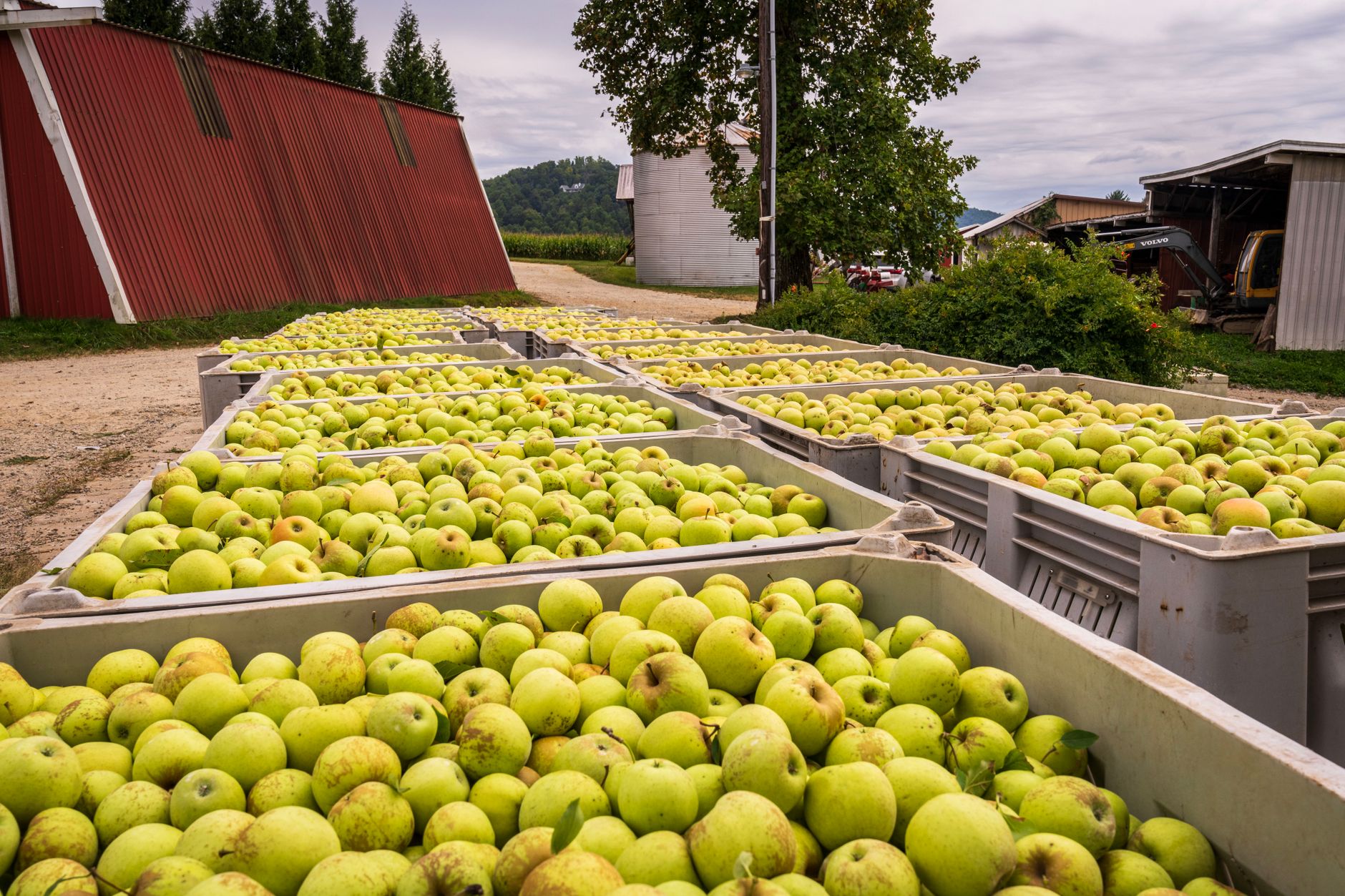
The trend of visiting orchards serves a deeper purpose than simply gathering fruit. It acts as an economic lifeline for rural communities. When visitors patronize local farms, they are often contributing to the preservation of local land, supporting small-scale agriculture, and investing in the local economy through purchases of cider, jams, and baked goods.
As you conclude your visit—perhaps sitting on a wooden bench, a cup of warm, fresh-pressed cider in hand—take a moment to appreciate the rhythm of the season. Autumn is fleeting, and the orchard is perhaps the best place to witness that transition firsthand.
Summary Checklist for the Modern Orchard-Goer
To ensure your trip is as stress-free as possible, keep this summary in mind:
- Check the Crop Report: Before departing, visit the farm’s website or social media to see which varieties are currently ready for picking.
- Hydrate and Nourish: Even if you plan on snacking on apples, bring water and a savory snack. The sugar content of fresh apples, while delicious, can be overwhelming on an empty stomach.
- Respect the Land: Follow the orchard’s rules regarding tree climbing and waste disposal. Keeping the orchard clean ensures it remains viable for future seasons.
- The "Six-Apple Rule": A common tip among regulars—don’t over-pick. While the baskets are tempting, pick only what you can realistically consume or preserve within two weeks. Excess fruit that goes to waste is a loss for the farmer and the environment.
By approaching the orchard with a sense of purpose and preparation, you transform a trendy seasonal activity into a sustainable and deeply rewarding tradition. Whether you are seeking the perfect portrait, a healthy snack, or simply a quiet moment in the crisp October air, the modern orchard holds the key to the ultimate fall experience.
For those looking to expand their outdoor horizons further, remember that the end of the apple season is merely the beginning of the hiking season. As the leaves fall, the trails open up, offering a new perspective on the landscape. Continue your exploration, keep your boots muddy, and stay connected to the rhythms of the natural world.







