


 Nana Wu
By The RepresentUs Team
September 14, 2026
In the digital age, the concept of privacy has undergone a profound, often invisible, transformation. While citizens have long debated the reach of government intelligence agencies, a quieter, more pervasive form of surveillance has emerged from the private sector. Flock Safety, a technology company that has rapidly blanketed the American landscape with automated license plate readers (ALPRs) and high-definition surveillance cameras, has successfully built what critics describe as the most comprehensive, interconnected tracking network in United States history.
With over 120,000 cameras deployed across 49 states, Flock Safety has moved beyond the traditional model of municipal security. By integrating private residential and business security footage into a singular, searchable database accessible to law enforcement, the company has effectively erased the line between public oversight and private encroachment. As this network grows, it is raising urgent questions about constitutional rights, federal overreach, and the total erosion of anonymity in public spaces.
The Architecture of Mass Surveillance
At its core, Flock Safety operates on a model of "collaborative surveillance." The hardware is sophisticated: solar-powered, motion-activated cameras capable of capturing high-resolution images of vehicle license plates, makes, models, and even unique physical characteristics like bumper stickers or aftermarket modifications.
However, the hardware is only half the story. The true power lies in the software. Flock’s platform acts as a digital dragnet, allowing police agencies to cross-reference data across jurisdictional lines. If a vehicle is flagged in a small town in rural Georgia, law enforcement in a major metropolitan hub in California can potentially access that same data, provided they have established the necessary agency agreements.
Privacy advocates, including the American Civil Liberties Union (ACLU) and various constitutional law scholars, argue that this is no longer "community policing." Instead, it is a persistent, nationwide tracking system that logs the movements of millions of innocent Americans who have no connection to criminal activity.
A Chronology of Creeping Control
The expansion of this network did not happen in a vacuum. It was facilitated by a confluence of private-sector growth and a shift in federal policy that prioritized domestic enforcement.
- 2020–2024: Flock Safety expands its footprint, marketing its systems as a "force multiplier" for understaffed police departments. The company successfully recruits homeowners’ associations (HOAs) and local businesses, creating a "mesh network" of surveillance that covers residential streets and private parking lots.
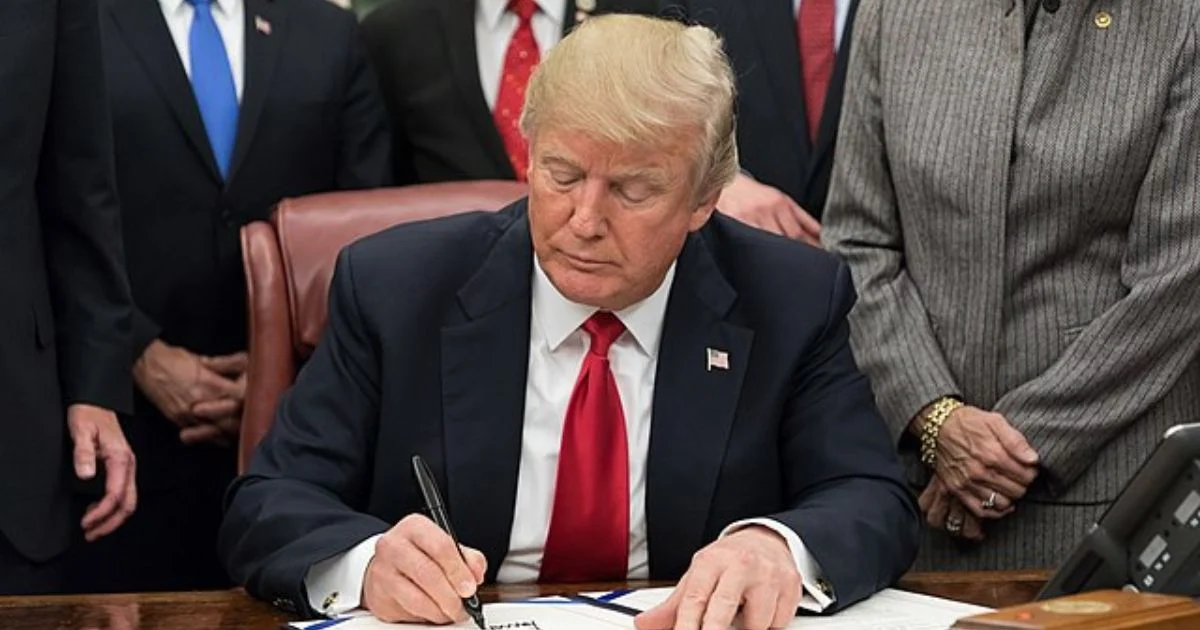
- January 2025: Following his inauguration, President Donald Trump signs an executive order mandating the Department of Homeland Security (DHS) to aggressively expand 287(g) agreements—federal-state partnerships that deputize local law enforcement to perform immigration enforcement duties.
- February 2025: The Trump administration effectively paralyzes the Privacy and Civil Liberties Oversight Board (PCLOB) by removing three of its four members. The board, designed as an independent watchdog to ensure counter-terrorism programs do not infringe on civil liberties, is rendered unable to reach a quorum, effectively silencing federal oversight.
- July 2025: Investigative reports reveal that police departments in Oakland and San Francisco shared sensitive Flock-derived data with Immigration and Customs Enforcement (ICE), violating local "sanctuary" laws and public trust.
- August 2026: ICE reports that 2,430 agreements are currently in force across 39 states and two territories, providing a federal mandate for the use of local camera networks in immigration enforcement.
Supporting Data: The Scope of the Network
The numbers behind the Flock ecosystem are staggering. With 120,000 units deployed, the system is estimated to be collecting billions of data points annually. Unlike traditional traffic cameras that record occasional violations, these systems create a persistent "breadcrumb trail" of movement.
Data provided by independent media outlets, such as 404 Media and Unraveled Press, highlight the "mission creep" that occurs when such powerful tools are deployed without guardrails. In one documented instance, police in Texas utilized the network to track a woman suspected of self-administering an abortion, acting on information provided by her partner. This use of surveillance technology to enforce state-level reproductive health bans—and to potentially facilitate federal immigration enforcement—demonstrates that the technology is being repurposed far beyond its original pitch of "solving property crime."
Furthermore, the lack of cybersecurity oversight within the network has proven dangerous. A notable incident involving a DEA agent using a local police officer’s credentials to conduct unauthorized immigration-related searches highlights the potential for abuse when systems are linked without strict multi-factor authentication or rigorous audit trails.
Official Responses and the Regulatory Vacuum
The federal government’s stance on these surveillance networks has been characterized by a conspicuous silence. By sidelining the PCLOB, the current administration has created an environment where the deployment of such technology faces zero federal scrutiny.
When questioned, proponents of the technology argue that "if you have nothing to hide, you have nothing to fear." They maintain that the cameras are essential tools for identifying stolen vehicles and locating missing persons. However, legal experts counter that the sheer volume of data collected constitutes a "search" under the Fourth Amendment, which typically requires a warrant.
The legal debate currently centers on the "Third-Party Doctrine"—the idea that information voluntarily shared with third parties (like a company that owns a camera) is not protected by a reasonable expectation of privacy. Critics argue that when the government partners with the third party to build the network, the doctrine should no longer apply. As of late 2026, the judiciary remains divided, with several cases working their way toward the Supreme Court.
The Implications: Why This Matters
The integration of private security cameras into a government-searchable database has profound implications for the American way of life.
- The Chilling Effect: When citizens know their movements are being logged, categorized, and stored indefinitely, they change their behavior. This "chilling effect" is a direct threat to the exercise of First Amendment rights. The ability to attend a protest, visit a political organization, or even meet with a journalist is compromised when every vehicle in the vicinity is automatically logged into a police database.
- Mission Creep: The transition from "finding stolen cars" to "immigration enforcement" to "reproductive health monitoring" follows a predictable pattern. Once the infrastructure of a surveillance state is in place, it is almost invariably used to target marginalized groups and political dissidents.
- The Erosion of Local Control: Many municipalities adopted these systems thinking they were merely purchasing a "neighborhood watch" tool. They now find themselves unwilling participants in a nationalized, federal surveillance apparatus that they cannot easily opt out of, given the contractual obligations they have signed.
A Call to Action: Restoring the Watchdogs
The current situation is not entirely without remedy. While the federal executive branch has prioritized surveillance, the democratic process provides avenues for local and state-level pushback.
- Local Ordinance Reform: Citizens should pressure their city councils to pass legislation banning the sharing of license plate data with federal agencies (such as ICE) without a specific, individual judicial warrant.
- Transparency Requirements: Communities must demand full disclosure of all agency agreements related to surveillance networks. If a police department is sharing data with a neighboring jurisdiction or a federal agency, the public has a right to know the scope of that data sharing.
- The PCLOB Mandate: Public pressure is required to demand that the president fulfill his constitutional duty to appoint members to the Privacy and Civil Liberties Oversight Board. A government that operates without an independent check on its surveillance powers is a government that has ceased to be accountable to its people.
- Data Retention Policies: Legislation should be enacted to mandate that non-criminal data collected by systems like Flock be deleted within 24 to 48 hours. The indefinite storage of the movements of law-abiding citizens is unnecessary for public safety and constitutes a gross violation of privacy.
As the lines between private property and public surveillance continue to blur, the United States stands at a crossroads. We can either allow the silent, rapid expansion of a nationwide surveillance network to continue unchecked, or we can demand that technology be subject to the same constitutional principles that govern the rest of our society. The cameras are watching, but it is time for the American people to start watching back.


 Raul Delapena Setiawan
 Sagoh






