



 Dwi Wanna
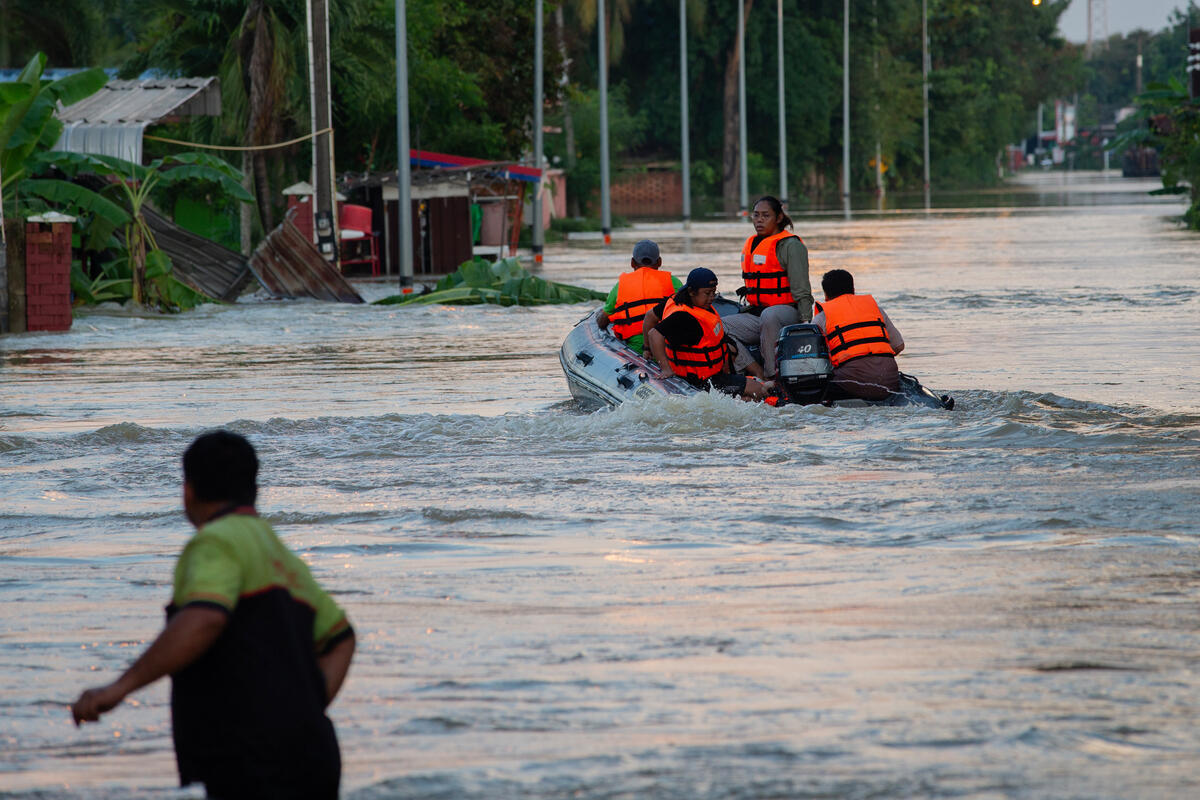
As global leaders, finance ministers, and representatives from international financial institutions (IFIs) converge in Bangkok for the IMF and World Bank Annual Meetings, the backdrop of their discussions is not one of abstract economic theory, but of visceral, climate-driven tragedy. From the flooded districts of Chachoengsao, Thailand, to the devastated landscapes of Nepal, the world is witnessing an accelerating climate crisis that is outstripping current international response mechanisms.
The question of how to fund climate resilience is no longer a peripheral topic for future summits; it is a matter of immediate global survival. Yet, as the planet warms, the institutions designed to manage global financial stability remain tethered to outdated models of austerity and debt, effectively handicapping the very nations most vulnerable to climate catastrophe.
The Chronology of a Mounting Crisis
The urgency of the current moment is underscored by a string of recent disasters that have pushed national economies to the breaking point.
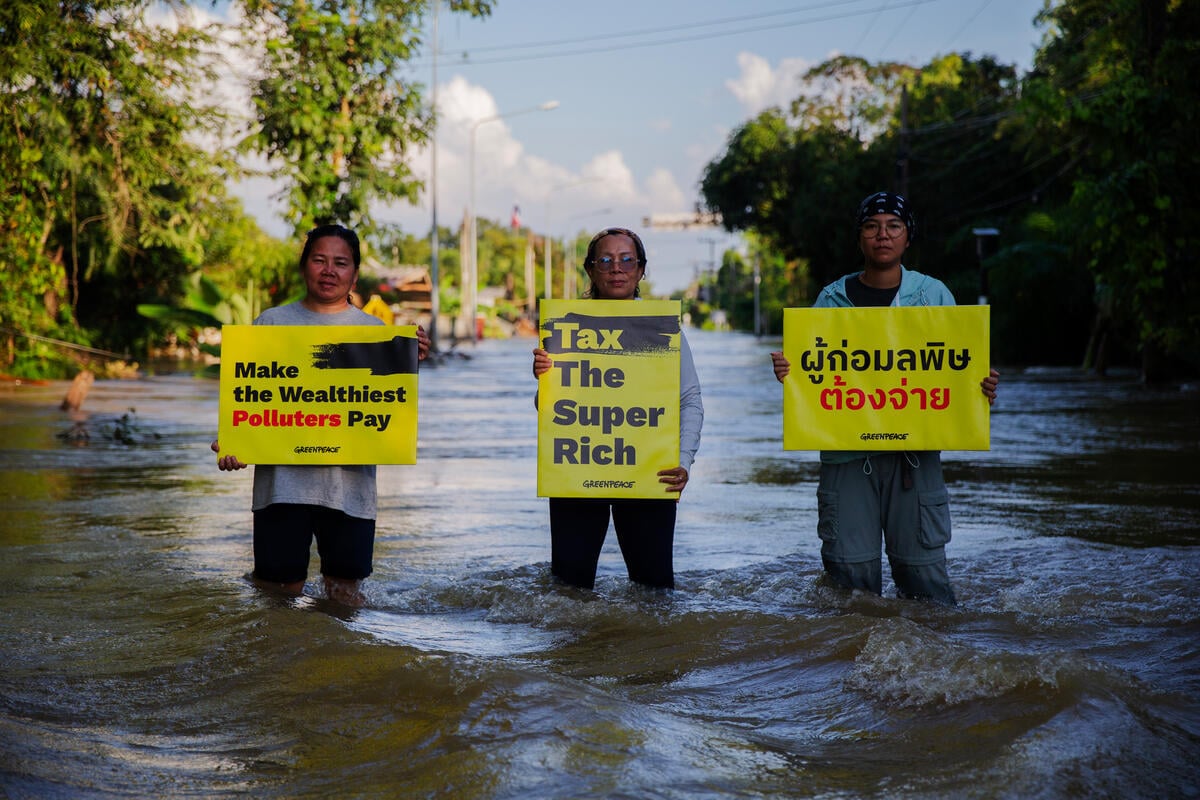
- Late September 2026: Severe flooding strikes Chachoengsao Province in Thailand, impacting 11 districts and displacing over 23,790 households. The disaster underscores the irony of local development: even as the province reels from climate-induced water surges, plans for the 540 MW Burapha Power fossil gas plant proceed, drawing fierce opposition from local communities concerned about water security and further greenhouse gas emissions.
- Early October 2026: Bangkok, the host city for the IMF/World Bank meetings, officially declares a flood disaster, with thousands of residents forced to flee their homes as urban infrastructure struggles to contain the rising waters.
- Late 2026: In a catastrophic series of events, Nepal faces unprecedented floods and landslides that claim more than 1,250 lives. The scale of the tragedy necessitates a $49.6 million emergency appeal from the United Nations.
- Summer 2026: Europe endures a brutal cycle of record-breaking heatwaves and uncontrollable wildfires, signaling that no region—regardless of economic status—is immune to the changing climate.
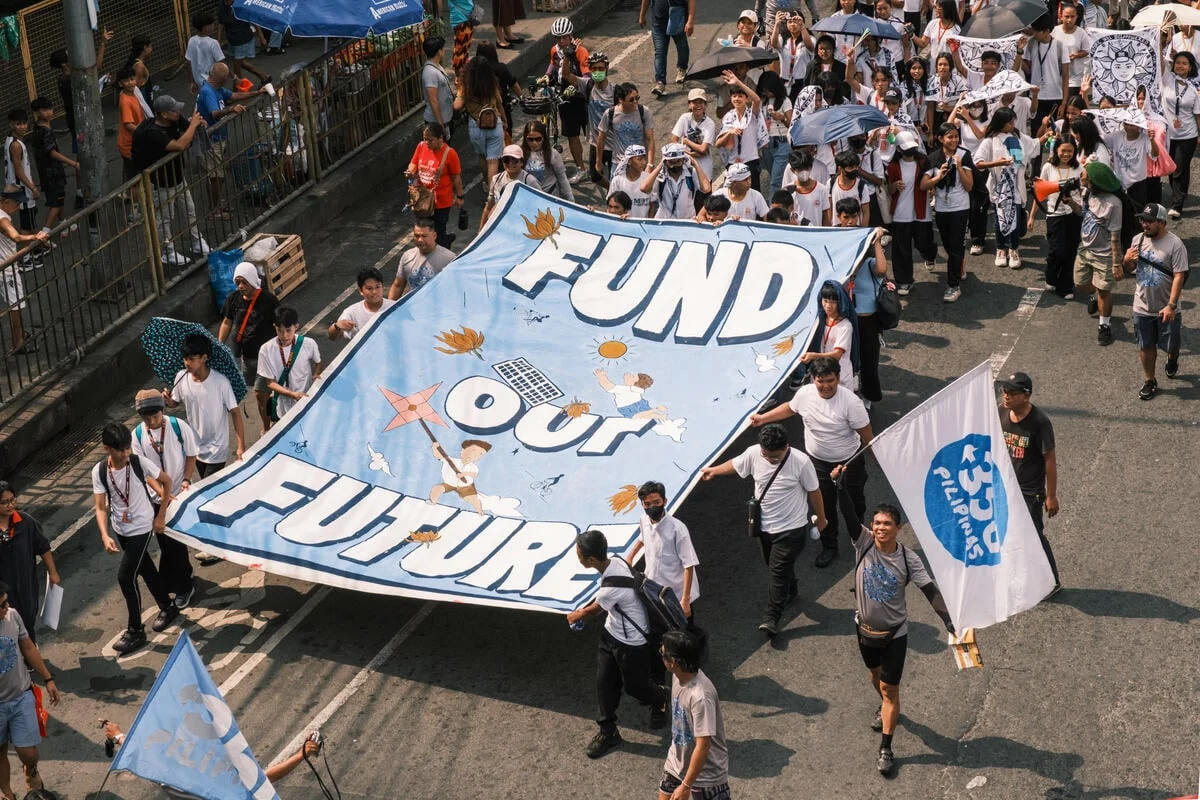
- 2025–2026: A series of storms, including the devastating Super Typhoon Pepito, batters the Philippines, prompting widespread civil society protests demanding that carbon majors—the world’s largest fossil fuel producers—be held legally and financially accountable for the damages inflicted on vulnerable populations.
The Economic Paradox: Austerity in an Era of Catastrophe
The core of the current tension lies in the structural mismatch between the needs of the Global South and the policies enforced by the IMF and World Bank. For decades, these institutions have mandated fiscal consolidation—commonly known as austerity—as a prerequisite for financial support.
This model, while intended to curb inflation and manage debt, has had the perverse effect of stripping developing nations of their capacity to invest in climate-resilient infrastructure. When a nation is forced to cut public spending to satisfy debt-repayment conditions, it loses the ability to build sea walls, upgrade drainage systems, or transition its energy grid to renewables.
Research from the World Bank itself indicates that, in many developing nations, the burden of taxation is highly regressive. Governments, under pressure to meet debt obligations, often rely on consumption taxes on essential goods. This places the heaviest financial burden on low-income households—the same people who are losing their homes and livelihoods to extreme weather events.
Data Analysis: The Hidden Debt of the Ultra-Wealthy
A critical, often overlooked dimension of the climate finance debate is the concentration of ownership. A groundbreaking report by Greenpeace Africa, Understanding the Climate Debt of Extreme Wealth, challenges the traditional focus on individual consumption as the sole metric of climate impact.
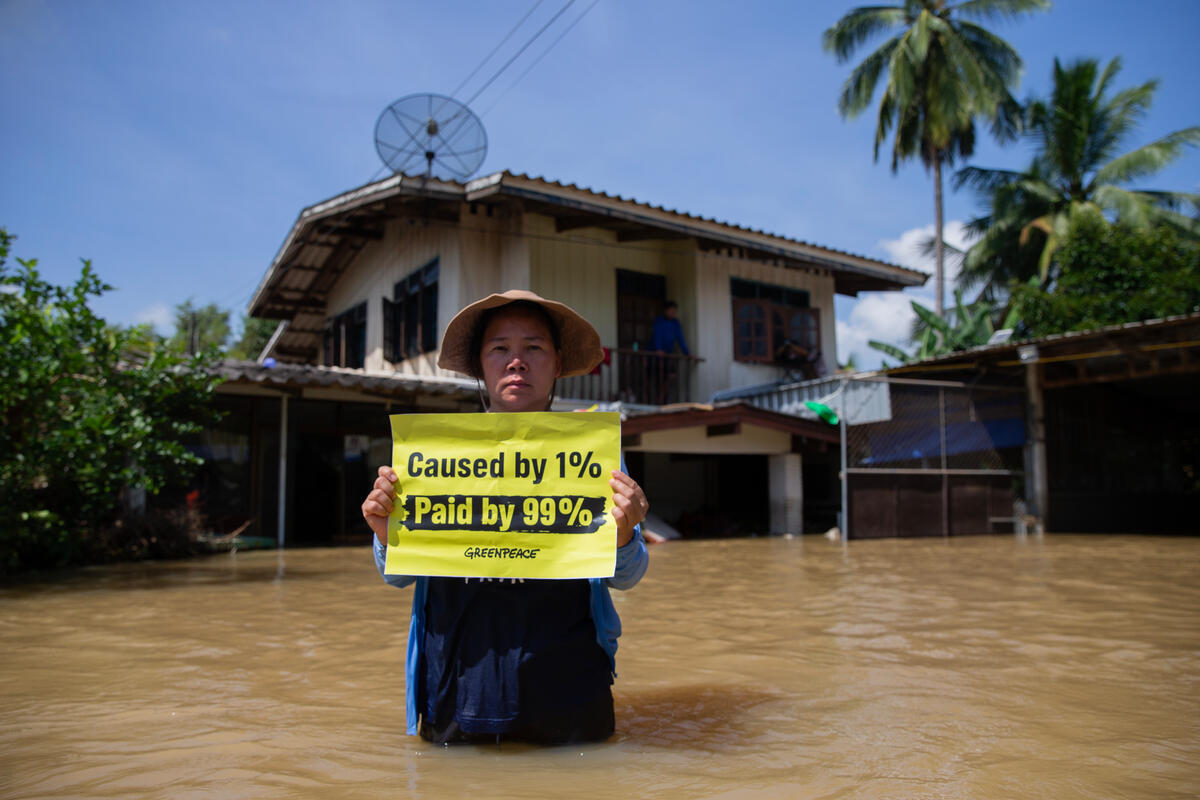
The findings are stark: in 2022 alone, the investments of the world’s richest 0.01% were associated with approximately $992 billion in "climate debt." By contrast, the climate debt associated with mass consumption patterns was estimated at $405 billion.
This shift in perspective is vital. It highlights that the climate crisis is not just driven by how people live, but by how capital is allocated. When the ultra-wealthy invest in fossil fuel expansion, they are effectively subsidizing the destruction of the global climate. If the "polluter pays" principle is to be taken seriously, then tax systems must evolve to target capital ownership and high-net-worth investment portfolios, rather than relying on regressive sales taxes that punish the poor.
The Call for a Global Tax Treaty
The current global financial architecture lacks a cohesive mechanism to hold multinational corporations and the ultra-wealthy accountable across borders. This is why the United Nations’ ongoing negotiations for a Global Tax Treaty (the United Nations Framework Convention on International Tax Cooperation) represent a historic turning point.
A robust global treaty would empower nations to:
- Stop Tax Evasion: Prevent the shifting of profits to low-tax jurisdictions, which currently drains billions in potential public revenue from developing nations.
- Tax the Super-Rich: Implement standardized wealth and capital gains taxes that can be ring-fenced for climate mitigation and adaptation.
- Ensure Sovereignty: Allow states to implement progressive tax policies without fear of capital flight or retaliatory "fiscal discipline" from IFIs.
Official Responses and Institutional Inertia
While the IMF and World Bank have begun to acknowledge the reality of the climate crisis, critics argue their approach remains one of "false solutions." By focusing on market-based mechanisms that prioritize private sector profit over public good, these institutions continue to perpetuate a system that is fundamentally incompatible with a 1.5°C world.
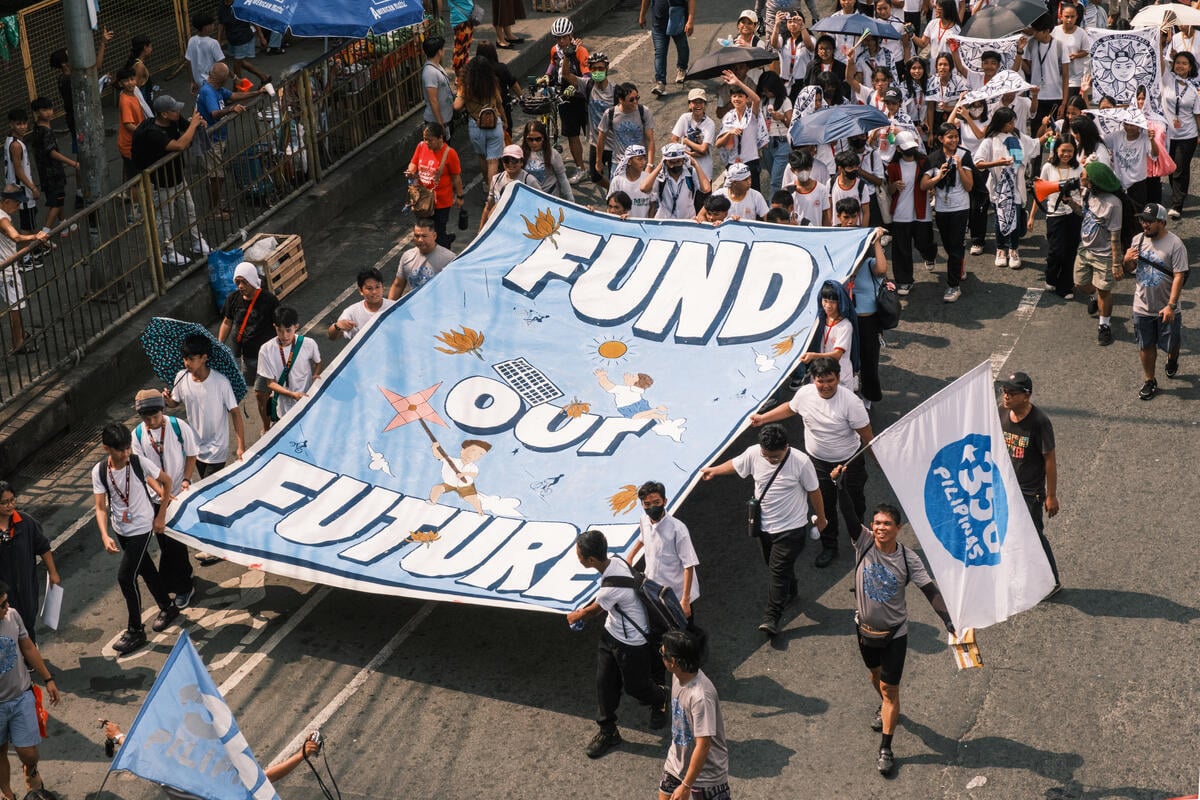
Activists in Bangkok and beyond are calling for a fundamental pivot. The demand is clear: the IMF and World Bank must stop enforcing austerity on countries that are already paying the ultimate price for a crisis they did not create. Instead, these institutions should act as facilitators of a global redistribution of resources, ensuring that the wealth generated by the exploitation of the planet is redirected toward restoring it.
The Path Forward: Implications for Global Policy
The implications of failing to act are clear: a widening chasm between the wealthy, who can buffer themselves against climate change, and the majority of the world, who face displacement, hunger, and economic collapse.
To achieve climate justice, governments must take three urgent steps:
- Mandate Accountability: Pass national and international laws—such as the Climate Accountability Bills demanded by activists in the Philippines—that define the activities of major polluters as human rights violations.
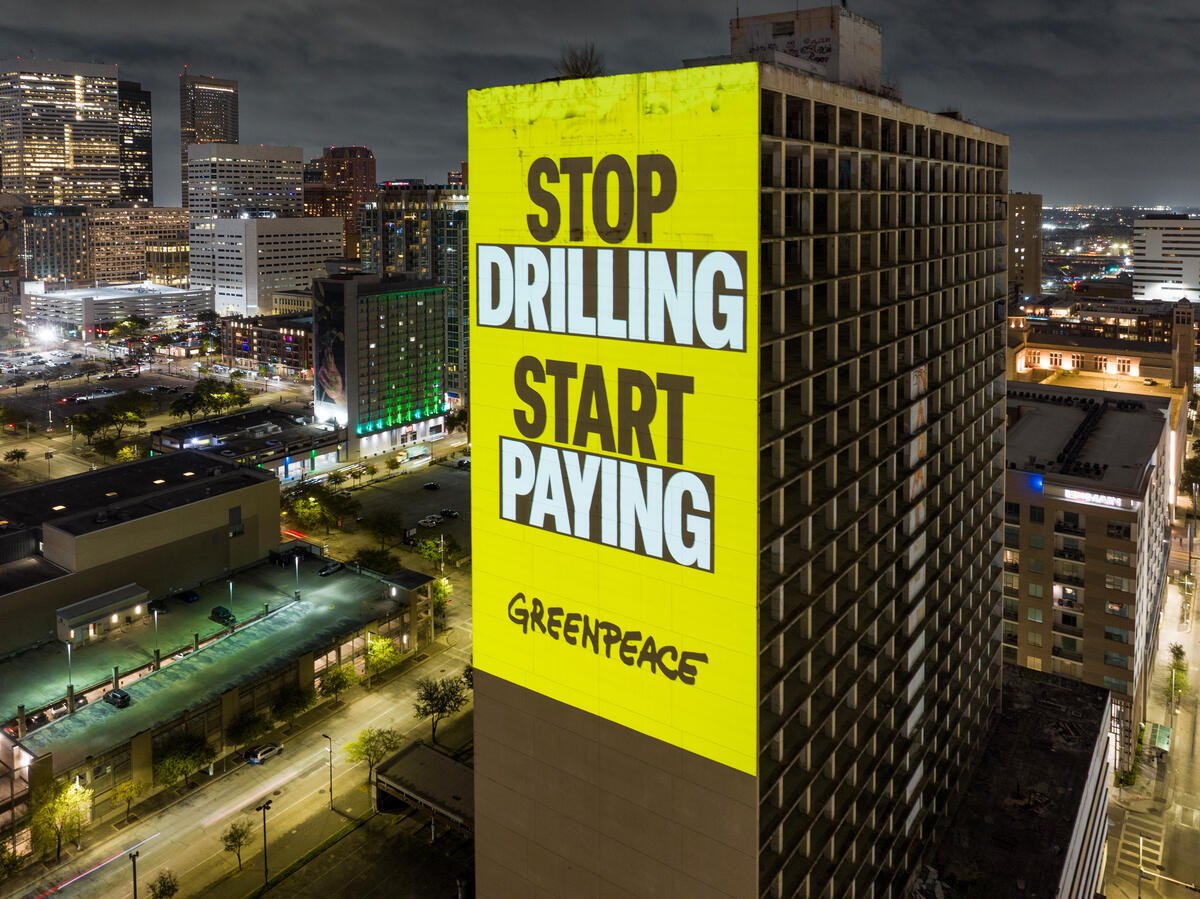
- Reform Tax Systems: Shift the tax burden from the poor to the owners of the capital driving emissions. This includes taxes on fossil fuel extraction, high-net-worth investment portfolios, and corporate windfall profits.
- End Fossil Fuel Expansion: The continued approval of projects like the Burapha Power plant is a direct contradiction to the global climate goals set at COP summits. Governments must enact an immediate moratorium on new fossil fuel infrastructure and pivot public subsidies toward renewable energy.
The meetings in Bangkok are a test of political will. The world is watching to see if these institutions will continue to serve as the guardians of a failing status quo or if they will finally adapt to the reality of a planet in crisis. As Ucizi Ngulube, a socio-environmental and tax justice campaigner, has noted, the future of our climate depends on our ability to redesign tax policies that benefit the majority, not the wealthiest minority.
Only through such radical transparency and economic reform can the international community begin to bridge the gap between rhetoric and reality. The time for empty promises has passed; the time for systemic, fair, and urgent financial action has arrived.


 Nila Kartika Wati
 Laily UPN





