
 Pevita Pearce
Executive Summary: The Battle for the Soul of Fall
As the first yellow leaves begin to drift from the maples, a quiet but resolute movement is taking root across the country. For decades, the autumn season has been increasingly defined by what sociologists call "seasonal creep"—the aggressive marketing of pumpkin-spiced products, synthetic fall-scented candles, and polyester "sweater weather" apparel as early as July. However, a growing cohort of environmentalists and advocates for "slow living" are pushing back against this hyper-commercialized version of the season.
The core of this movement lies in the concept of "whimsy"—defined not as a purchasable aesthetic, but as a state of being characterized by off-beat, non-performative, and low-impact engagement with the natural world. Experts argue that by shifting the focus from consumption to community and imagination, individuals can mitigate the environmental toll of seasonal waste while reclaiming the mental health benefits of the autumnal transition. This report explores the rise of the "Whimsical Fall" movement, the data supporting a shift toward sustainable seasonal living, and the practical frameworks for engaging with the season without a credit card.
Chronology: The Evolution of the Modern Autumn
To understand the current push for whimsy, one must examine the transformation of autumn from a period of agricultural labor to a multi-billion-dollar retail event.
- The Pre-Industrial Harvest: Historically, autumn was a season of intense labor and community reliance. It was defined by the harvest, food preservation, and preparation for winter. "Whimsy" in this era was found in folk traditions and community festivals that required no commercial input.
- The Rise of the "Pumpkin Spice Economy" (2003–2015): The introduction of the Pumpkin Spice Latte by Starbucks in 2003 marked a turning point. Autumn was no longer just a season; it became a brand. By the mid-2010s, "Fall" had become a dominant aesthetic on social media platforms like Instagram and Pinterest, leading to a surge in demand for "disposable" seasonal decor—often made of non-recyclable plastics and synthetic fibers.
- The 2020 Pivot: The COVID-19 pandemic forced a temporary halt to large-scale commercial events. People turned to local nature walks and home-based hobbies. This period sowed the seeds for the current "whimsy" movement, as individuals rediscovered the joy of low-cost, screen-free activities.
- Present Day (2024): We are currently seeing a "Seasonal Rebellion." As retailers push fall decor earlier into the summer months, consumers are reporting "seasonal burnout." The response is a deliberate move toward "Zero Waste Whimsy"—a philosophy that prioritizes experiences over acquisitions.
Main Facts: Redefining Whimsy in a Digital Age
The "Whimsical Fall" movement is built on the premise that true seasonal magic cannot be bought en masse. By definition, whimsy is something "odd" or "off-beat," which stands in direct opposition to the standardized, mass-produced items found in big-box retailers.
According to sustainability advocates, the "whimsy" approach focuses on four primary pillars:
- Ecological Literacy: Moving beyond "plant blindness" to recognize native flora.
- Tactile Engagement: Prioritizing physical hobbies like knitting, baking, and letter writing.
- Social Resilience: Building community through shared, non-commercial spaces like knitting circles or yarn swaps.
- Spontaneity: Resisting the urge to "curate" the season for social media, instead embracing imperfect, real-life adventures.
Supporting Data: The Cost of the "Aesthetic" vs. the Value of the "Experience"
The drive toward a more whimsical, less commercial fall is supported by both economic and psychological data.
The Environmental Impact of Seasonal Waste:
According to environmental research groups, "fast decor"—cheap, seasonal home goods—contributes significantly to the 12 million tons of furniture and home furnishings that end up in U.S. landfills annually. Most of these items are made from composite materials that cannot be recycled. By choosing to forage for decor (such as fallen leaves or acorns) or thrifting supplies, the "whimsy" movement directly reduces this waste stream.
The "Plant Blindness" Phenomenon:
A study published in Plants, People, Planet highlights the "plant blindness" epidemic—the human tendency to ignore the plant species in one’s own environment. The whimsical activity of a "nature walk with a twist" (scavenger hunts for native oaks or crabapples) is an effective tool for reversing this trend, fostering a deeper conservationist mindset in the public.
Mental Health and the "Attention Economy":
Research from the American Psychological Association suggests that "green time"—time spent in nature—significantly reduces cortisol levels. Furthermore, engaging in "low-stakes" hobbies where one is allowed to be "bad at things" (a core tenet of the whimsy movement) provides a necessary break from the high-pressure, performative nature of digital life.
Official Responses: Perspectives from Experts and Organizers
The Sustainability Perspective:
"We have been conditioned to believe that we need a new wardrobe and a house full of plastic pumpkins to ‘experience’ fall," says Kathryn Kellogg, a leading voice in the zero-waste movement. "True sustainability in the autumn is about slowing down enough to notice the goldenrod and the asters. It’s about using what we already have—upcycling envelopes for gratitude letters or using kitchen scraps to bake. Whimsy is the ultimate sustainable tool because it relies on imagination, which has a zero-carbon footprint."
The Community Organizer’s View:
Local librarians and community center directors have noted a surge in interest for "tactile" gatherings. "We’ve seen a 30% increase in attendance for our knitting circles and seed-saving workshops this year," reports a community coordinator in Maine. "People are tired of their screens. They want to hold yarn, they want to swap stories, and they want to feel connected to the people living on their own street."
The Psychological Angle:
Dr. Aris Thompson, a psychologist specializing in environmental behavior, notes: "The push for ‘whimsy’ is actually a sophisticated coping mechanism against the ‘Attention Economy.’ By choosing to write a snail-mail letter or go on an unplanned bike ride, individuals are reclaiming their autonomy from algorithms that try to sell them a pre-packaged version of joy."
Implications: The Future of Seasonal Living
As the movement grows, the implications for the retail and social sectors are profound.
1. The Shift Toward the Circular Economy:
The rise of "yarn swaps" and "craft nights" using thrifted materials suggests a shift toward a circular economy. If consumers continue to prioritize second-hand or foraged materials, retailers may be forced to pivot toward more durable, sustainable seasonal offerings rather than "disposable" decor.
2. Strengthening Social Fabrics:
By hosting "home cafes" and sharing baked goods with neighbors, individuals are rebuilding local social networks that have been frayed by digital isolation. These "whimsical" interactions act as a catalyst for community resilience, which is vital for local support during the winter months.
3. Educational Reform through Foraging:
The focus on native plants and invasive species (such as the burning bush) during nature walks is turning casual hikers into amateur naturalists. This grassroots education is essential for local conservation efforts, as a more informed public is more likely to support native planting initiatives and local land trusts.
4. The De-Commercialization of Joy:
Perhaps the most significant implication is the psychological shift. If the public successfully decouples "seasonal enjoyment" from "retail spending," it sets a precedent for other holidays. This could lead to a broader cultural movement that values "slow living" year-round, significantly reducing the environmental impact of modern consumer culture.
Conclusion: Embracing the Imperfect
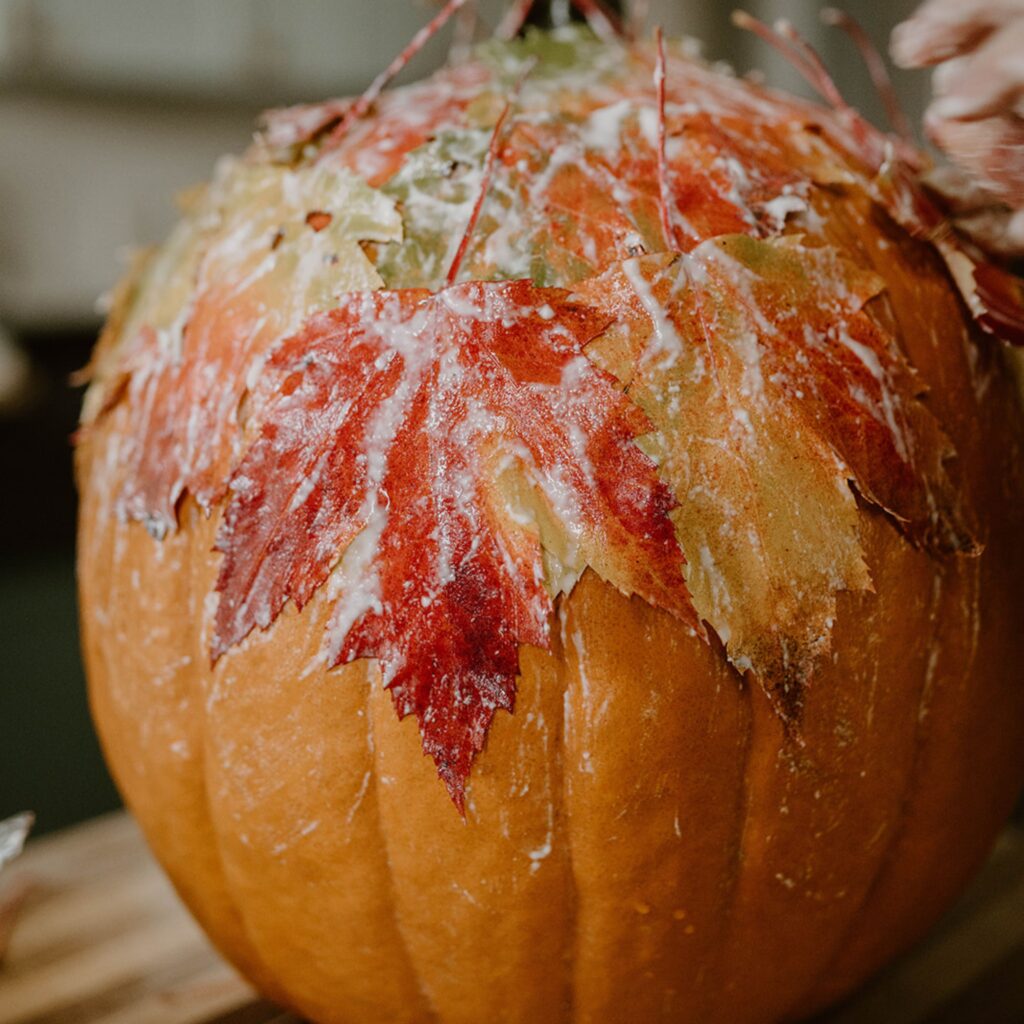
The "Whimsical Fall" movement is an invitation to embrace the messy, the unplanned, and the authentic. Whether it is a failed attempt at gluing leaves to a pumpkin or a spontaneous day trip to a local apple orchard, these activities offer a depth of experience that a store-bought candle cannot replicate.
By choosing to get off the screen and into the crisp autumn air, individuals are doing more than just enjoying a season; they are participating in a quiet revolution. In a world that demands we buy our way into every experience, the most radical—and whimsical—thing we can do is to find magic in what is already right in front of us.
Recommended Whimsical Frameworks for the Season:
- The Scavenger Hunt: Challenge yourself to identify three native trees in your neighborhood.
- The Gratitude Letter: Write to a mentor or friend on upcycled paper; include a pressed flower or a tea bag as a "low-impact" gift.
- The Community Swap: Organize a local yarn or craft supply exchange at a public park.
- The Home Cafe: Host a gathering where the entry fee is a "homemade treat" or a "to-go container" to ensure zero food waste.
- The Spontaneous Adventure: Use a map to find a local trail or bookstore you’ve never visited, prioritizing biking or walking over driving.


 Nana Wu
 Asro






