




 Nana Muazin
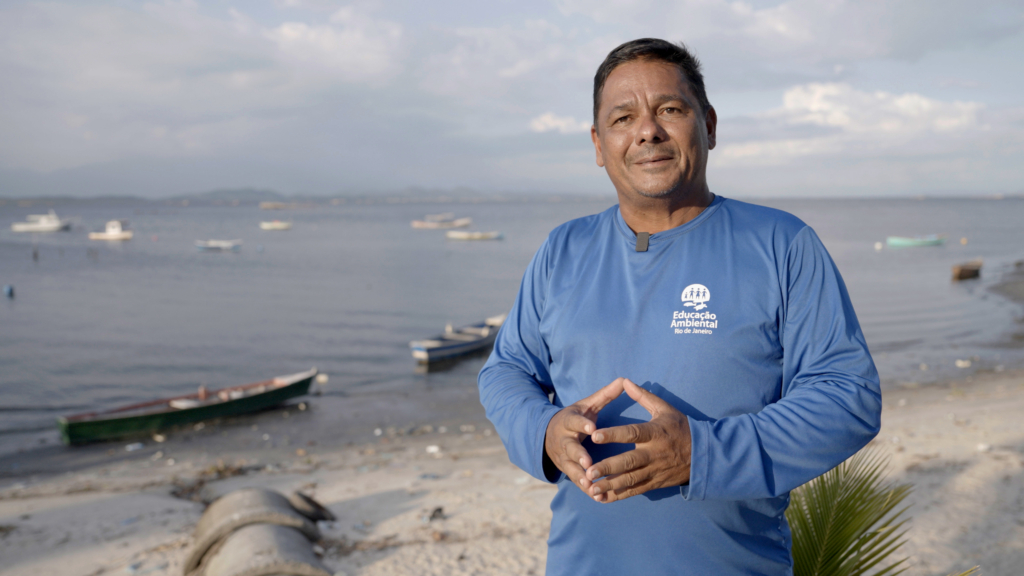
For the artisanal fishers of Rio de Janeiro’s Guanabara Bay, the water is not merely a resource; it is a tapestry of identity, ancestral history, and economic survival. Yet, for nearly three decades, this iconic bay—once a thriving cradle of biodiversity—has been systematically transformed into a "sacrifice zone," a landscape where industrial profit is prioritized over human life and ecological health. At the heart of this resistance stands Alexandre Anderson de Souza, a man whose life has become inseparable from the bay’s struggle for survival.
The Transformation of a Natural Treasure
Guanabara Bay, once teeming with life, has faced an unrelenting assault from unchecked industrial expansion. The encroachment of the oil and gas industry, compounded by the unchecked discharge of industrial waste and raw, untreated sewage, has fundamentally altered the chemistry of the bay. For those like Alexandre Anderson, who has fished these waters since 1997, the decline was not a slow, natural transition, but an aggressive, man-made catastrophe.
"The elders tell us that fish used to be so abundant you could practically reach out and grab them," Anderson reflects. "But when the refineries moved in, the life began to vanish. Oil is not a synonym for wealth or growth; it is a synonym for destruction."
As the water grew toxic, the delicate balance of the mangrove ecosystems began to erode. Fish stocks plummeted, forcing traditional fishers to sail further into increasingly dangerous waters, often requiring the purchase of expensive, motorized equipment just to scrape together a meager living. This forced transition—from sustainable, low-impact fishing to a high-risk struggle for survival—is a hallmark of environmental racism, where vulnerable communities bear the heavy burden of industrial externalities without ever being consulted.
A Chronology of Resistance: The AHOMAR Movement
The systematic disregard for the community’s rights led to the formation of Associação Homens e Mulheres do Mar (AHOMAR), or the Association of Men and Women of the Sea, in 2003. Founded by Anderson and his peers, the organization sought to give a collective voice to those who had been silenced by the deafening machinery of the oil industry.
Key Milestones in the Struggle:
- 1997: Alexandre Anderson begins his life as a full-time fisher in Guanabara Bay, witnessing the early stages of industrial encroachment.
- January 18, 2000: A major oil pipeline leak releases millions of liters of crude into the bay, devastating the local fishing industry and permanently altering the livelihoods of thousands.
- 2003: AHOMAR is officially founded to organize resistance against industrial pollution and illegal infrastructure development.
- 2009: A turning point for the movement. AHOMAR’s relentless monitoring and advocacy lead to the removal of two illegal oil sites that were actively contaminating the region.
- May 2009: The movement suffers a brutal blow when AHOMAR treasurer Paulo César dos Santos Souza is murdered—beaten and shot in the head in front of his family.
- 2010: Márcio Amaro, another founding member of the association, is assassinated in his home.
- 2012: Two more artisanal fishers, both active in monitoring the bay’s health, are killed, sparking international outrage and calls for protection from organizations like Amnesty International.
Supporting Data: The Human and Environmental Cost
The "sacrifice zone" label is not hyperbolic. Scientific reports and environmental audits have consistently shown that the levels of heavy metals and hydrocarbons in the bay exceed safety standards for aquatic life and human consumption.
However, the cost is not just measured in milligrams of pollutants. The social cost is staggering. According to AHOMAR, the loss of traditional fishing grounds has led to an exodus of local families who can no longer sustain their cultural heritage. The lack of public transparency regarding industrial projects is a core issue; many of the pipelines and processing facilities were constructed without the "Free, Prior, and Informed Consent" of the affected communities.
For the fishers, the violence they face is a direct consequence of their persistence. As of this writing, the murders of Paulo César dos Santos Souza and Márcio Amaro remain unsolved, a chilling testament to the culture of impunity that protects corporate interests over the lives of human rights defenders.
Official Responses and the Culture of Impunity
Despite international pressure from human rights watchdogs, the response from state and corporate entities has been largely inadequate. In Brazil, environmental human rights defenders (EHRDs) operate in a climate of extreme peril. Those who challenge the status quo, like Anderson, are frequently subjected to harassment, surveillance, and direct death threats.
When these leaders report threats to local law enforcement, they often find the doors closed. The systemic failure to investigate the assassinations of AHOMAR members highlights a deeper, more structural issue: the alignment of state security apparatuses with the interests of large-scale extractive industries. When the "rule of law" is applied selectively, the marginalized are left to defend themselves, turning their very existence into a political act of resistance.
The Global Implications of the Guanabara Struggle
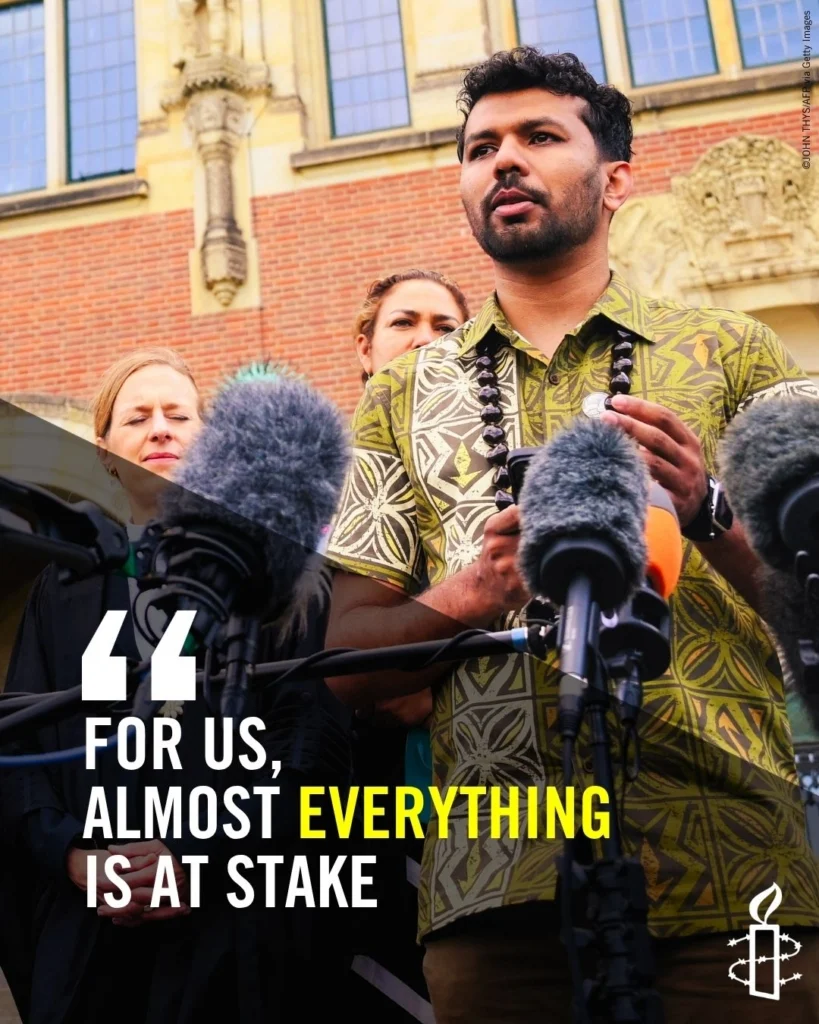
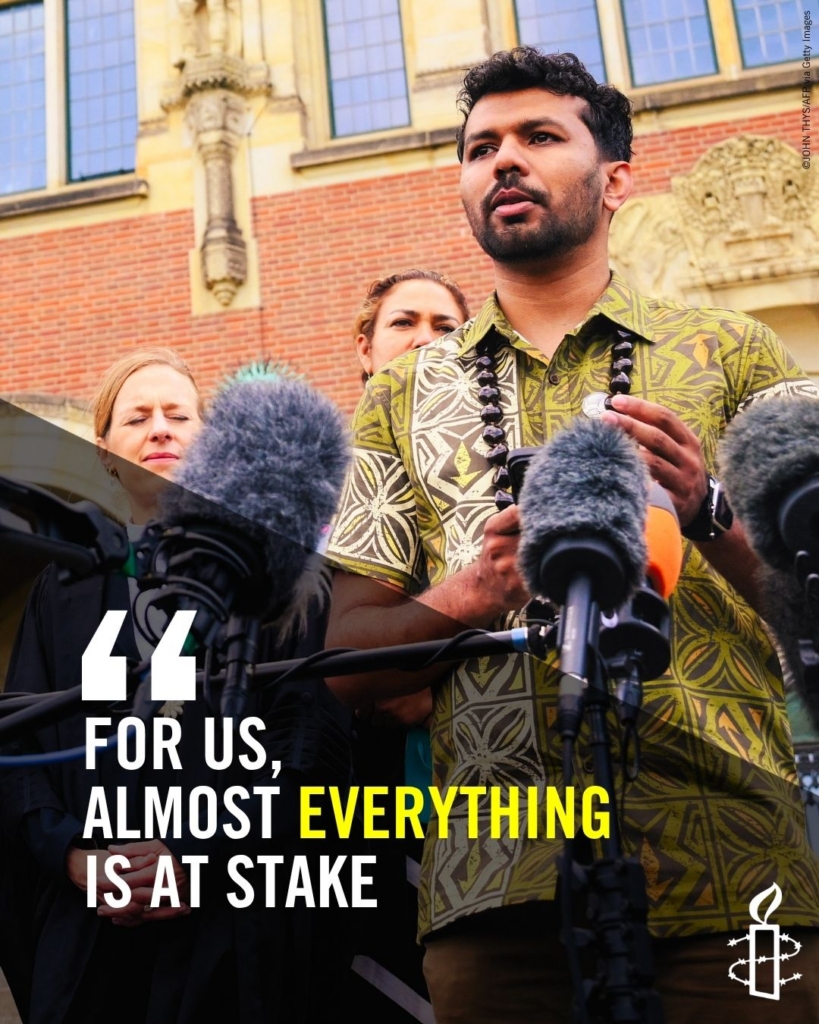
The story of Guanabara Bay is not an isolated incident; it is a microcosm of a global crisis. From the Wetsuwet’en Nation in Canada to the frontline communities in Fiji and Australia, the struggle against extractive industries is a common thread binding the world’s most vulnerable populations.
Fossil fuel companies operate on a model that assumes nature is infinite and that local communities are expendable. This model, which favors short-term capital accumulation, ignores the long-term, irreversible damage to the climate and human rights. As the global community pivots toward a post-fossil fuel future, the stories of people like Alexandre Anderson serve as a necessary reminder that "justice" must include the restoration of the environments and livelihoods destroyed in the pursuit of energy.
The Path Forward: Resilience and Truth
"We are successful in what we do because we work with the truth," says Anderson. This is the cornerstone of his movement. By partnering with international organizations like Amnesty International, AHOMAR has managed to pierce the veil of corporate secrecy. They have turned their grief into a rigorous, evidence-based advocacy campaign that refuses to be ignored.
However, resilience has a limit. "We are resilient, but we didn’t ask for this," Anderson admits. "We must resist or we die." The persistence of the small fishing boats that still ply the waters of Guanabara Bay every dawn is more than a simple act of commerce; it is an act of defiance. It is a declaration that the bay belongs to the people, not to the corporations that treat it as a dumping ground.
How to Take Action
The struggle against fossil fuel dominance is a collective one. The world is beginning to wake up to the reality that these projects do not benefit the many; they enrich the few at the expense of our shared future.
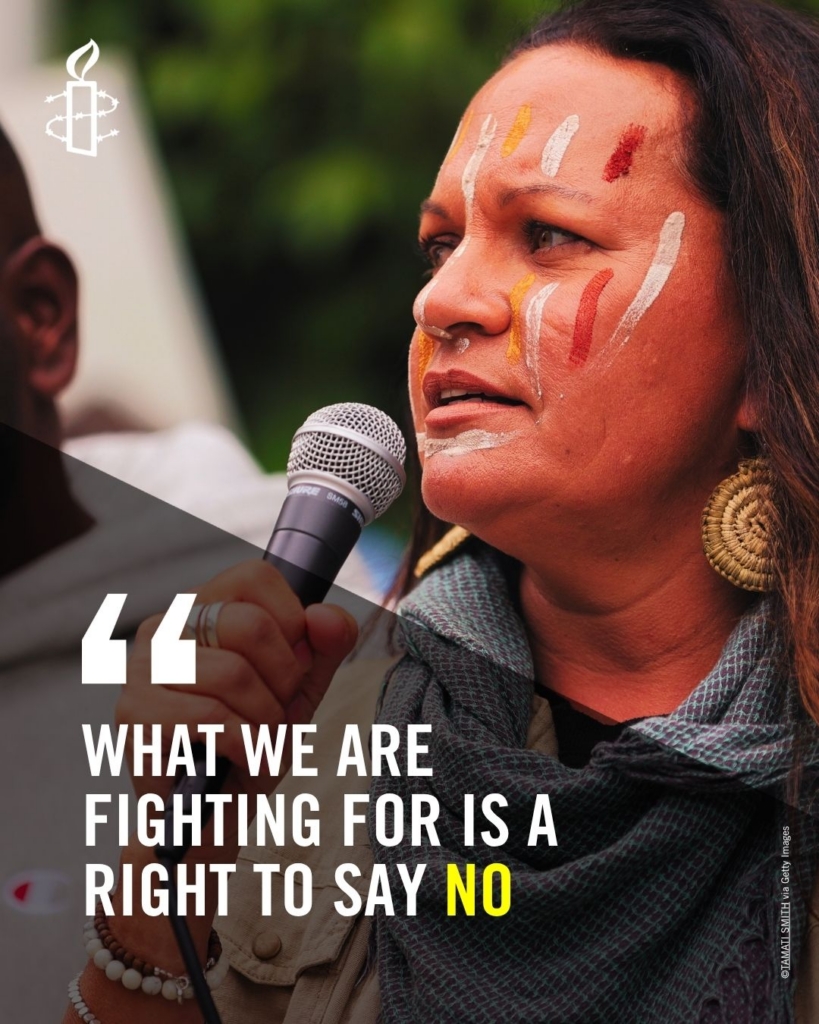
- Amplify the Voices: Support organizations like AHOMAR that provide a platform for environmental defenders. Use your networks to share their stories and demand accountability.
- Support Legal Advocacy: Advocate for stronger international protections for Environmental Human Rights Defenders. The impunity that surrounds these killings must be dismantled through global legal pressure.
- Divest and Demand: Challenge the financial institutions and governments that continue to subsidize destructive extraction projects. Demand transparency and ensure that community consent is a prerequisite for any industrial development.
The fight for Guanabara Bay is a fight for the future of our planet. As Alexandre Anderson aptly puts it, "History will remember us as a resistance and as heroes, and the oil giants will be remembered as destroyers and polluters." By standing with those on the frontlines, we ensure that their stories—and the truth they carry—cannot be erased.
As we look toward a world beyond fossil fuels, we must ensure that the transition is not just green, but just. It must honor the fishers, the Indigenous communities, and the local stewards who have protected the earth when no one else would. Their struggle is our struggle, and their victory will be the victory of the living world.


 Reynand Wu
 Layla Zulfa






