 Raul Delapena Setiawan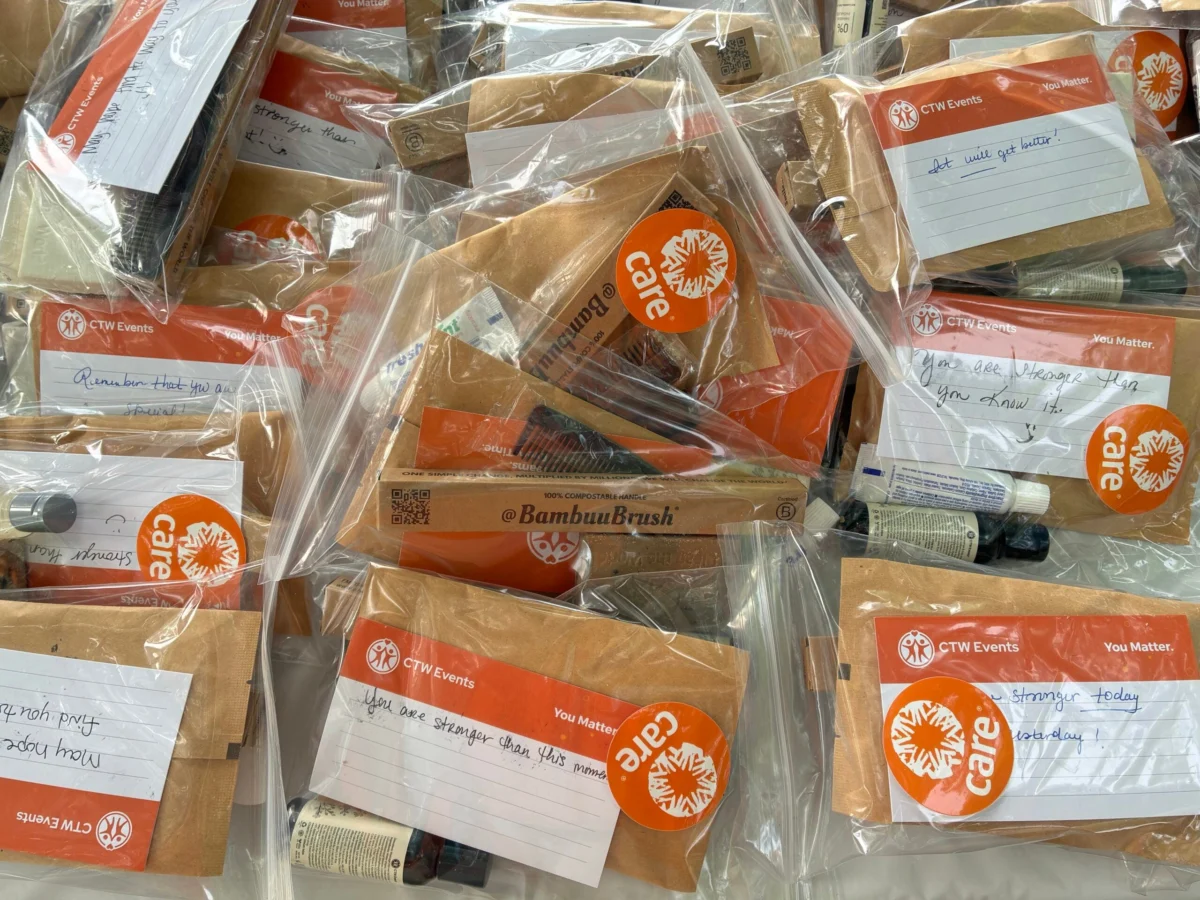
By Ryan Bergeron | May 6, 2026
"Being shut off from the world, not knowing what’s next. For me and my family, it was a very scary feeling."
For Shamira Temple, a single mother living in Asheville, North Carolina, these words serve as a haunting reflection of late September 2024. As Hurricane Helene barreled through the southeastern United States, the reality of climate-driven disasters shifted from a distant threat to a life-altering event. As she recalls the days following the storm, the memory is not just one of wind and rain, but of the profound, isolating uncertainty that defines the immediate aftermath of a natural catastrophe.
The Descent of Hurricane Helene: A Chronology of Crisis
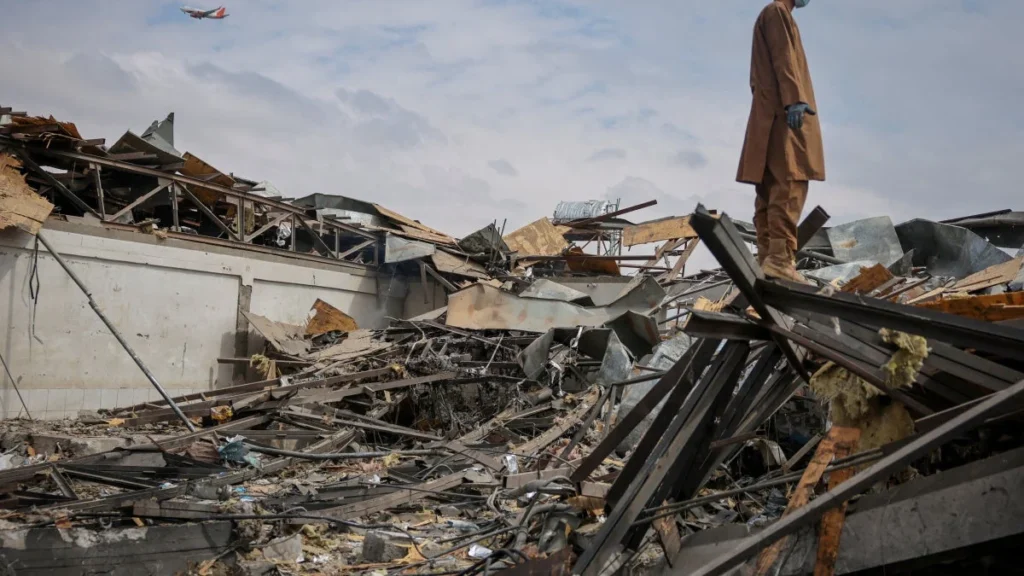
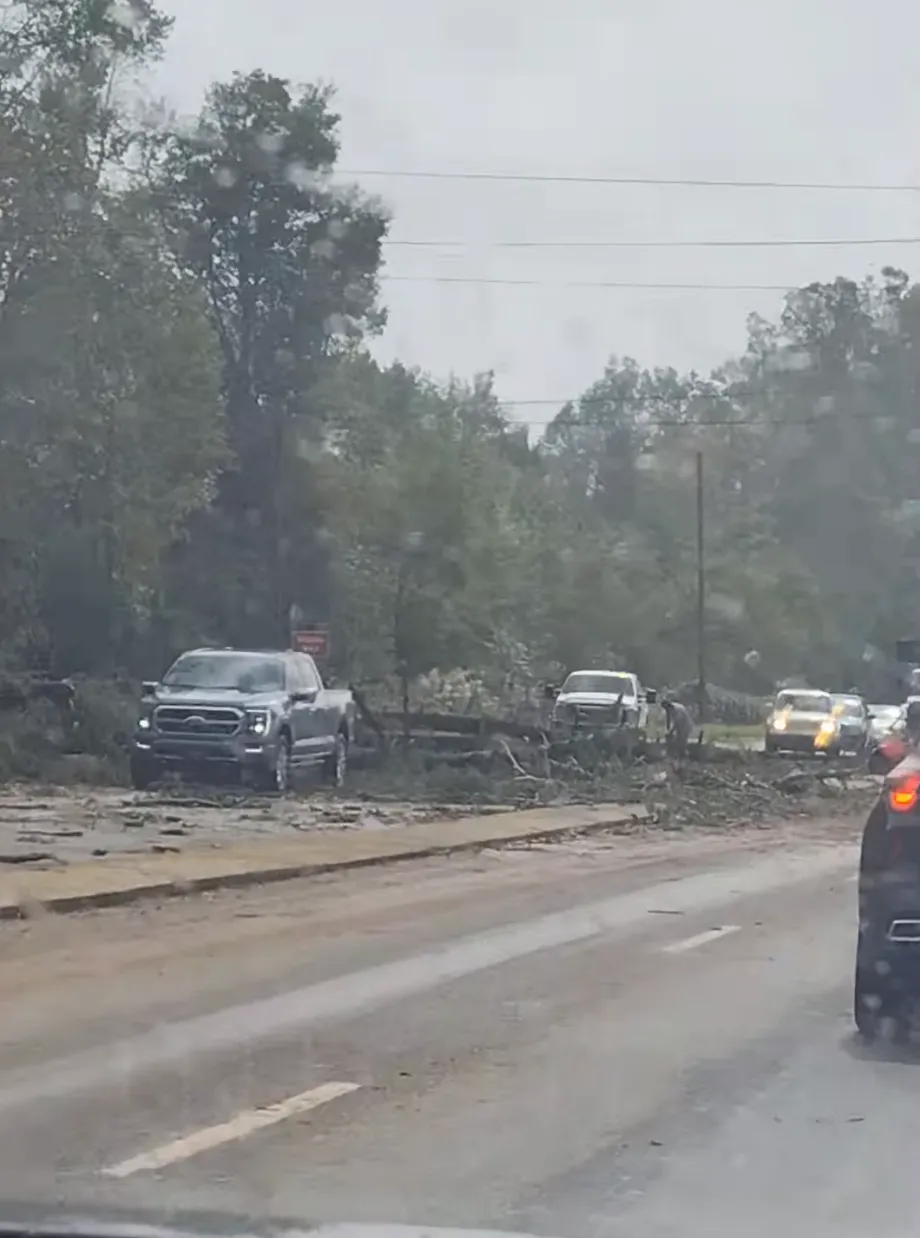
On September 26, 2024, Hurricane Helene made landfall in Florida as a powerful Category 4 storm. While meteorologists predicted the storm would weaken as it moved inland, the reality for Western North Carolina was far more severe than historical models suggested. On September 27, the storm stalled over the Appalachian mountains, dumping record-breaking rainfall that turned peaceful creeks into raging torrents and transformed mountain roads into impassable debris fields.
For residents like Shamira, who was six months pregnant at the time, the transition from normalcy to emergency was instantaneous. "My sons always look up to me for the answers and a solution when things happen," she said. "And when that hurricane hit, I had no answers for them."
The chronology of the disaster was marked by a complete collapse of infrastructure. By the morning of September 28, the "shut off" that Temple describes became total: no electricity, no running water, and no cellular or internet connectivity. For a mother of three, the inability to communicate or secure basic necessities created a secondary disaster—a crisis of parental helplessness. The economic reality hit quickly; with roads destroyed and gas stations either empty or closed, the simple act of grocery shopping became a logistical impossibility.
Supporting Data: The Anatomy of Vulnerability
The impact of Hurricane Helene serves as a case study in the intersection of climate change and socio-economic vulnerability. Data from the National Weather Service underscores the unprecedented nature of the rainfall, which triggered massive flooding in areas previously thought to be geographically shielded from such events.
However, the human cost is best measured by the strain placed on low-income families. According to humanitarian organizations monitoring the recovery, women—who statistically manage a higher share of household logistics—are disproportionately impacted by the loss of domestic utilities. When water supplies vanish, the burden of sanitation, hydration, and childcare falls heavily on mothers.
During the Helene response, CARE U.S. Programs identified that the most effective path to recovery was not just physical supplies, but financial flexibility. Through a strategic partnership with the YWCA of Asheville and the United Methodist Church, more than 300 families received direct, unconditional cash assistance. The data is telling: 94% of these funds were distributed to women, who utilized the resources to prioritize immediate survival needs, such as non-perishable food, medicine, and hygiene supplies.
Power in Partnership: The Evolution of Disaster Response
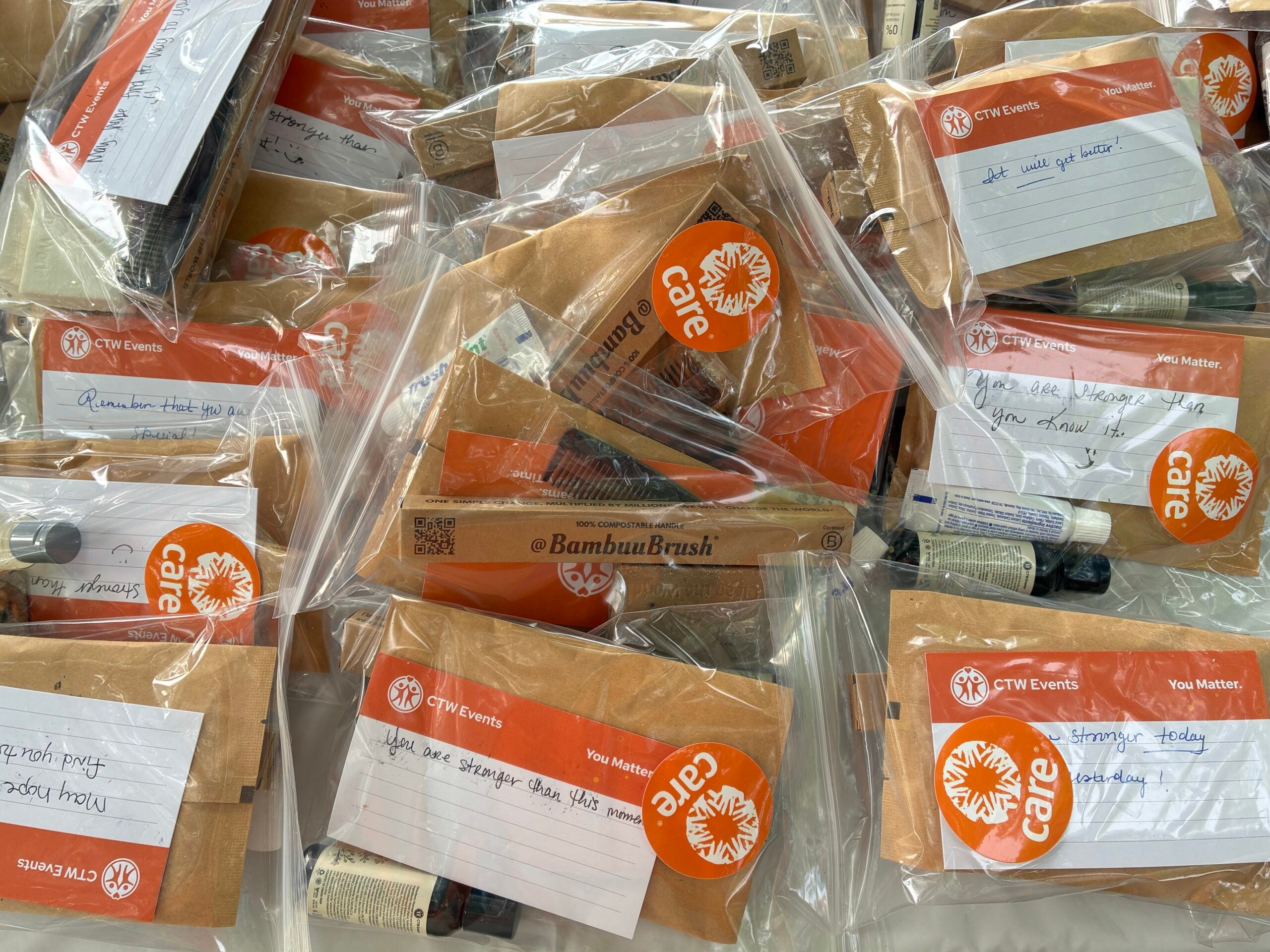
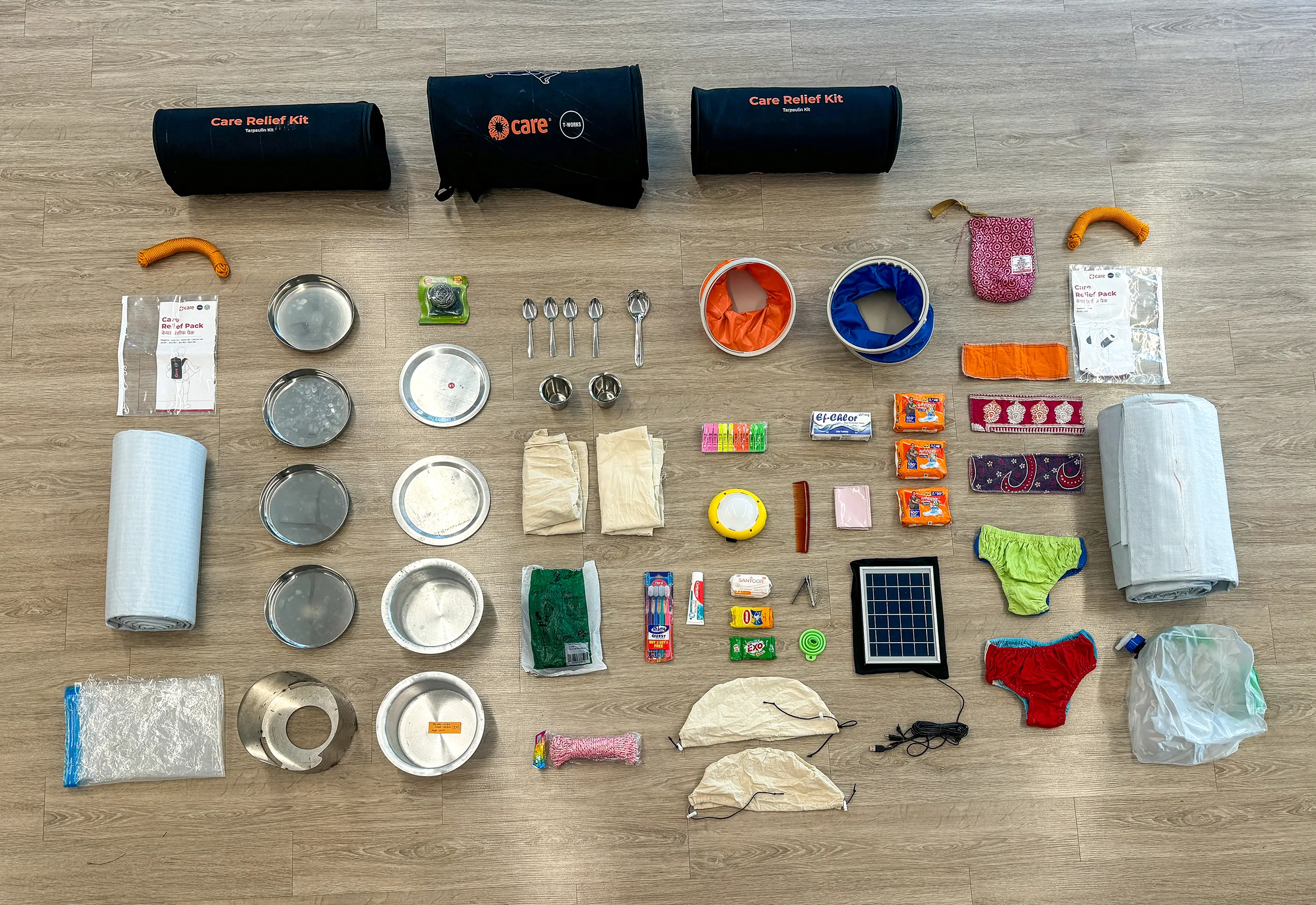
As the nation observes National Hurricane Preparedness Week (May 3–9, 2026), organizations like CARE are moving toward a more holistic approach to disaster relief. The lessons learned in Asheville have led to a pivot in strategy—one that balances immediate cash aid with the deployment of specialized "CARE PACKAGE" parcels.
Gabby Dirden, Director of Implementation for CARE’s U.S. Programs, explains that the organization is evolving its emergency response framework. "Unconditional cash assistance has really been shown to give families more dignity and autonomy, allowing them to make the decisions on items that they need to purchase immediately after a storm," Dirden noted.
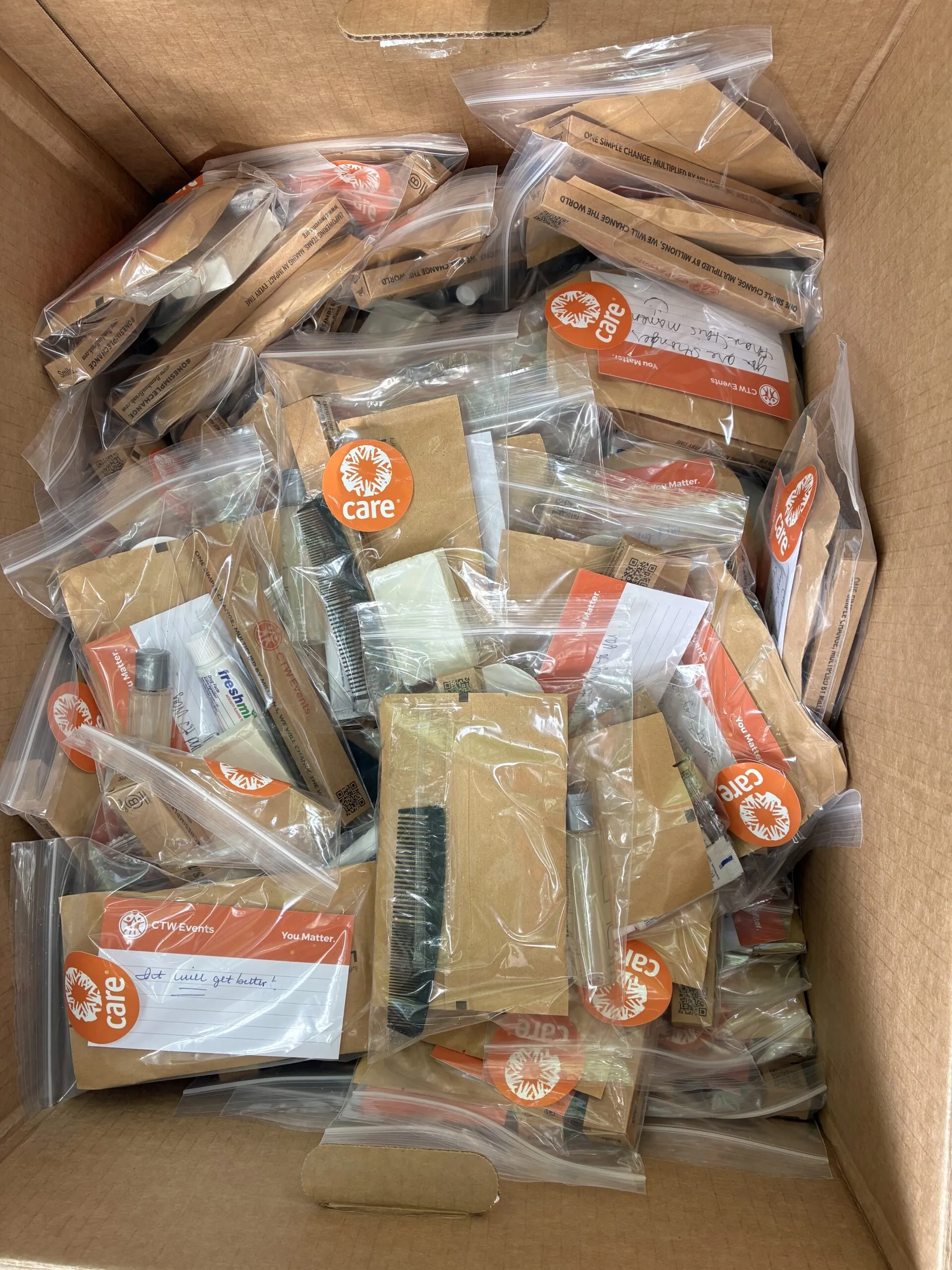
This model of empowerment is central to modern disaster relief. By allowing survivors to choose how they spend funds, agencies prevent the logistical bottleneck of warehousing and transporting goods that may not meet the specific needs of a community. However, recognizing that supply chains can remain broken for weeks, CARE is now augmenting this cash-first approach with targeted kits. These include:
- Hygiene Kits: Essential for maintaining health and preventing disease in flooded environments.
- Maternal and Infant Kits: Designed specifically for the needs of pregnant people and new mothers.
- Self-Care Parcels: Focused on the mental and physical well-being of frontline caregivers.
Official Responses and the Gendered Lens of Recovery
The official response to Hurricane Helene highlighted a recurring blind spot in disaster management: the specific needs of women in low-income households. CARE’s research and advocacy emphasize that recovery is not gender-neutral.
"Moms are the first responders for their families," says Rachel Almond, CARE’s Director of U.S. Emergencies. "They are the ones who are supporting their family when something happens."
By focusing on women’s leadership in emergencies, organizations are finding that recovery is more efficient when the primary caregivers are equipped with resources. When a mother is empowered with cash assistance, the stability of the entire household improves, leading to higher rates of recovery for children and the elderly. In the case of Shamira Temple, the aid provided a psychological bridge back to stability. "Now, I was able to sleep," she recalled. "I was able to take care right here, right now, for my boys, and for myself, and for my unborn child."
Implications for Future Resilience
As of May 2026, the recovery effort in North Carolina continues. The persistence of trauma is a documented reality of post-disaster life, particularly for children. The long-term implications of such events necessitate a shift in how we approach "preparedness."
It is no longer enough to simply stockpile batteries and flashlights. True resilience, as demonstrated by the families in Asheville, involves a shift in mindset. Shamira, now the mother of a 15-month-old boy, has integrated the lessons of Helene into her daily life. "I have a whole emergency plan and me and my boys, we go through it," she says. "We need to know how to support each other."
The implications for the broader public are clear:
- Community Networks: The partnership between national NGOs and local entities (like the YWCA of Asheville) is the most effective way to ensure aid reaches the most vulnerable.
- Financial Preparedness: Organizations must continue to advocate for and utilize cash-based assistance as a primary tool, as it preserves the agency of the survivor.
- Mental Health Integration: Disaster recovery must include psychological support, as the feeling of being "cut off from the world" leaves lasting emotional scars.
Conclusion: A Call to Action
The story of Shamira Temple is both a testament to human endurance and a sobering reminder of the gaps that still exist in our disaster response systems. As the 2026 hurricane season approaches, the work being done by CARE and its partners serves as a blueprint for a more equitable, efficient, and compassionate approach to helping families weather the storms of the future.
While the physical debris of Hurricane Helene has long been cleared from the roads of Western North Carolina, the lessons regarding the importance of community, gender-focused aid, and proactive planning remain as vital as ever. The preparedness of a nation is ultimately the sum of the preparedness of its most vulnerable households. By investing in these families now, we ensure that when the next storm clouds gather, no parent will have to face the terror of having "no answers" for their children again.
For more information on how to support disaster response efforts or to learn how to build your own family emergency plan, please visit the CARE official website.

 Neng Nana
 Iffa Jayyana