


 Raul Delapena Setiawan
By Haddy Gassama
Senior Policy Counsel, National Political Advocacy Department, ACLU
April 28, 2026
The United States immigration detention system is currently undergoing a radical and dangerous transformation. As of April 2026, Immigration and Customs Enforcement (ICE) has reached a grim milestone: 17 deaths in custody within the first four months of the year. This averages to one death every six days—a staggering escalation that coincides with the implementation of a massive, industrial-scale detention expansion program.
Despite public outcry, documented medical neglect, and systemic human rights abuses, the federal government is moving forward with a "Detention Re-engineering Initiative." This policy aims to balloon the nation’s detention capacity to 96,600 people, effectively turning commercial warehouses into sprawling, punitive cage complexes. As the death toll mounts, the fundamental question remains: has the U.S. immigration system abandoned the premise of due process in favor of a model where cruelty is the primary instrument of deterrence?
The Anatomy of a Systemic Failure: Main Facts
The current crisis is not a series of unfortunate, isolated incidents. It is the predictable byproduct of a system designed to prioritize volume over the basic dignity and health of those held within its walls. Since the inception of the current mass deportation campaign under the Trump administration, more than 40 individuals have died in ICE custody—the highest mortality rate recorded in such a truncated timeframe in the agency’s history.
The conditions leading to these deaths are consistently linked to a failure of basic oversight. Reports from facilities such as the Florence Correctional Center and the Adelanto ICE Processing Center paint a harrowing picture: untreated infections that turn septic, chronic health conditions ignored until they progress to organ failure, and the systematic withholding of medical records. In many instances, the difference between life and death for these individuals was nothing more than the provision of basic, standard-of-care medical attention.
Chronology of Expansion: From Facilities to Warehouses
The shift in strategy became apparent in early 2026, when ICE began aggressively pursuing the acquisition of large-scale industrial warehouses. The "Detention Re-engineering Initiative" represents a departure from traditional, purpose-built detention centers toward a hub-and-spoke model.
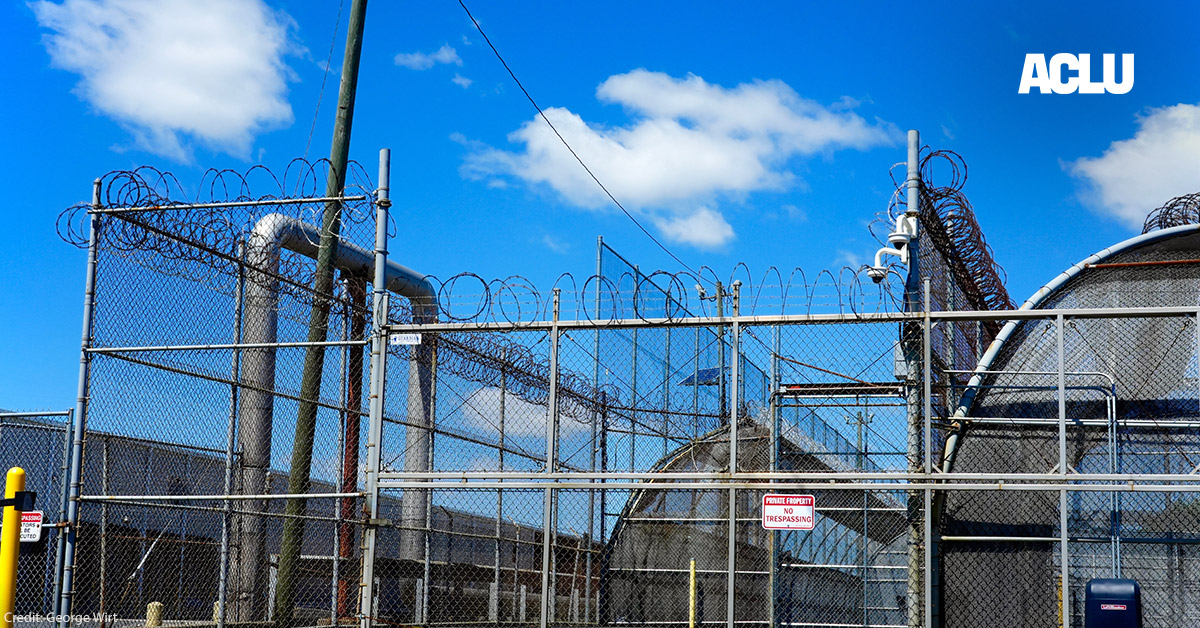
- January 2026: The federal government purchases a Maryland warehouse for $102.4 million—a figure significantly higher than its appraised value of $76.8 million just months prior.
- February 2026: ICE secures contracts for the retrofitting of warehouses across the country, with some facilities designed to hold as many as 10,000 people.
- March 2026: Grassroots resistance mounts as residents in states like New Hampshire and Georgia discover the planned usage of local industrial sites.
- April 2026: Following intense local pressure and legal challenges, the Department of Homeland Security (DHS) announces a temporary "pause" on new warehouse acquisitions, though construction on those already purchased continues.
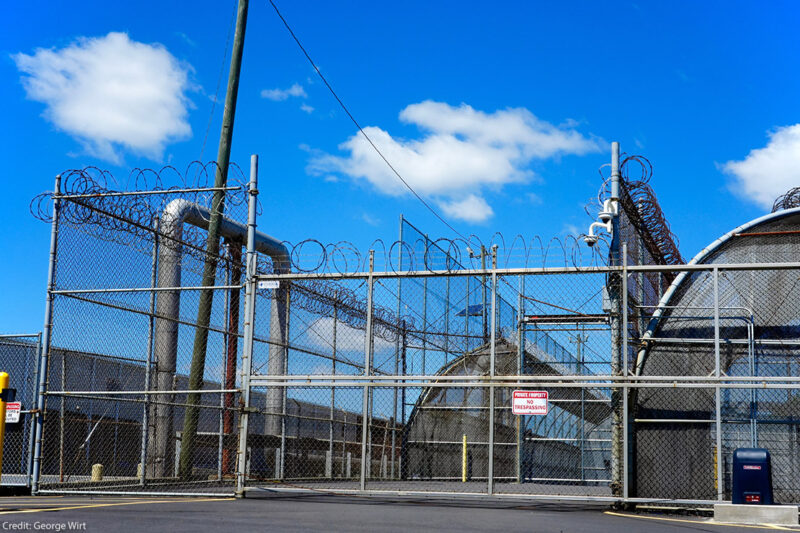
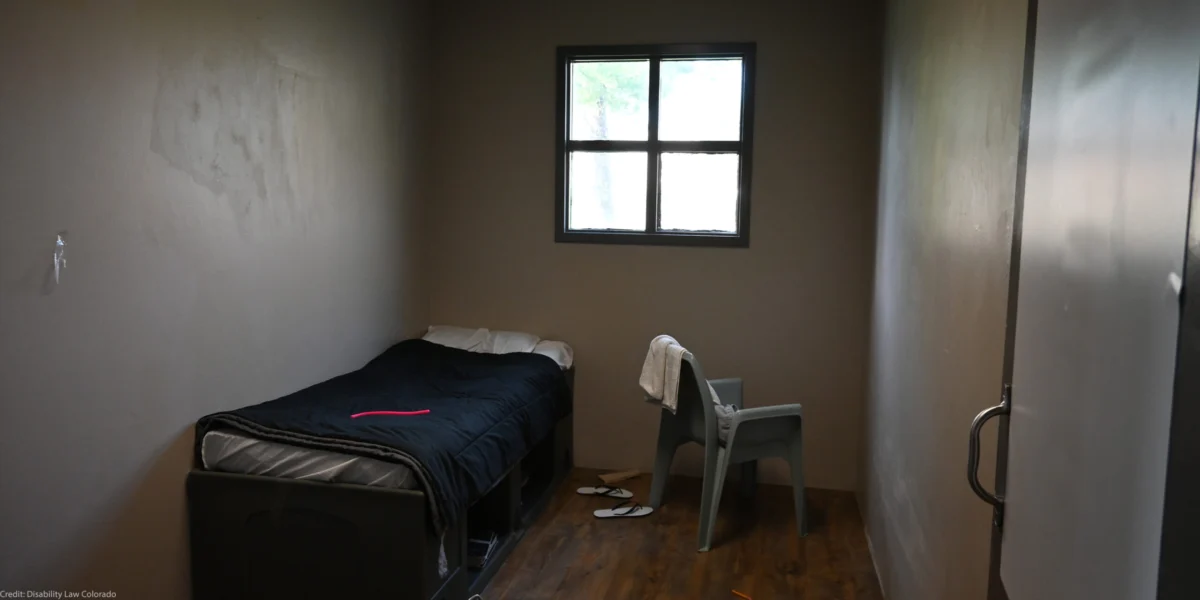
These floorplans are chillingly devoid of humanity. They resemble industrial storage operations, featuring rows of bunk beds under constant surveillance, minimal access to sunlight or outdoor space, and severe restrictions on legal counsel and court access.
Supporting Data: Profit, Neglect, and Mortality
The financial incentive structure behind this expansion is as concerning as the humanitarian cost. Contracts for these retrofits are being awarded to defense contractors with no prior experience in immigration enforcement, raising questions about the efficacy and ethics of the procurement process. For instance, a $113 million contract was awarded to a little-known firm to convert warehouse space, even as the government funnels billions into a system that fails to meet basic international human rights standards.
The human cost is documented with a cold, administrative detachment. When deaths occur, ICE releases "notification memos" that often reduce a person’s life to a mere statistical data point: name, age, country of origin, and an often-prejudicial mention of alleged criminal history.
Consider the case of Emmanuel Damas, a 56-year-old Haitian immigrant. Damas, who arrived in the U.S. under a now-terminated parole program, suffered from a severe tooth infection. Despite his repeated pleas for medical care over the course of a week, he was provided nothing more than ibuprofen. His infection progressed to septic shock, and he died in custody—a death that medical experts have identified as entirely preventable.
The Human Impact: A Case Study in Dignity Lost
The stories of those detained reveal the true nature of these "re-engineered" facilities. Rodney Taylor, a double amputee detained at the Stewart Detention Center, provides a harrowing look at the reality of life inside these centers.
Taylor, who relies on prosthetics, requires consistent medical care and specific accommodations. In ICE custody, he has been denied the ability to charge his prosthetic legs, effectively robbing him of his mobility. Furthermore, he has been forced to navigate showers plagued by mold, feces, and bodily fluids, often having to crawl on his hands—an experience that highlights the absolute disregard for the humanity of the most vulnerable.
When activists reviewed the blueprints for the proposed Social Circle, Georgia, detention site, they found only a handful of cells marked with accessibility symbols. There were no provisions for medical infrastructure or long-term care for individuals with disabilities. This is not merely a failure of policy; it is a failure of basic moral obligation.
Official Responses and the Illusion of Oversight
The government’s response to these abuses has been largely characterized by silence or deflection. While the DHS announced a pause on new warehouse purchases in April 2026, this move appears to be a reactive measure to quell public pressure rather than a genuine shift in policy. The infrastructure already purchased remains slated for development, and the underlying legal framework—which restricts access to bond and legal counsel—remains firmly in place.
The argument for these facilities often rests on the necessity of "processing capacity." However, the location of these warehouses—often far from deportation hubs or international airports—belies the stated logistical necessity. Instead, critics argue that the goal is the creation of "deterrence through misery." By making the conditions of detention so dehumanizing and the legal process so opaque, the administration hopes to coerce individuals into abandoning valid legal claims and returning to the volatile environments they fled.
Implications: The Historical Warning
History provides a sobering framework for understanding what happens when a state begins to treat the detention of human beings as a matter of industrial logistics. From the internment of Japanese Americans to the confinement of populations in the transatlantic slave trade, the move toward mass, dehumanized detention has consistently led to widespread loss of life and a profound erosion of national character.
When detention is used as a tool of policy and profit, it inevitably leads to abuses. The "re-engineering" of our detention system is not just an administrative update; it is an ideological shift. It signals a move toward a model where vulnerable people are treated as cargo to be stored rather than human beings to be treated with due process and compassion.
Mobilizing for Change: The Resistance
The narrative is not entirely one of despair. Across the country, communities are rising to challenge the expansion of this industrial detention complex.

- Legal Action: State attorneys general in Maryland, New Jersey, and Michigan have filed lawsuits to enjoin the development of these warehouses.
- Local Resistance: In Social Circle, Georgia, city officials took the dramatic step of shutting off the town’s water supply to the proposed facility site until ICE provided answers regarding the project’s impact.
- Grassroots Advocacy: In Merrimack, New Hampshire, a town-wide mobilization resulted in a massive public turnout, forcing the local government to act. Because of this sustained pressure—including phone calls, letters, and public protests—Governor Kelly Ayotte announced that the facility would not move forward.
These actions demonstrate that the expansion of the detention system is not inevitable. It requires land, water, local approval, and funding. By "throwing sand in the gears," as many organizers have described it, citizens are successfully disrupting the timeline of this expansion.
Conclusion: The Path Forward
The United States is currently at a crossroads. Congress is weighing an additional $140 billion in funding for ICE and Customs and Border Protection—funding that would only serve to perpetuate the cycle of detention and abuse.
The question facing the American public is no longer whether the system is "broken." It is now a question of whether we are willing to confront what the system has become: an industrial machine that treats human lives as disposable. To stop the expansion of these detention warehouses, citizens must continue to hold their representatives accountable, demand transparency in government contracts, and refuse to allow the normalization of a system that values mass incarceration over human dignity. The fight to close these facilities is, ultimately, a fight for the soul of the nation’s immigration policy.

 Siti Muinah
 Sagoh
Sagoh