


 Siti Muinah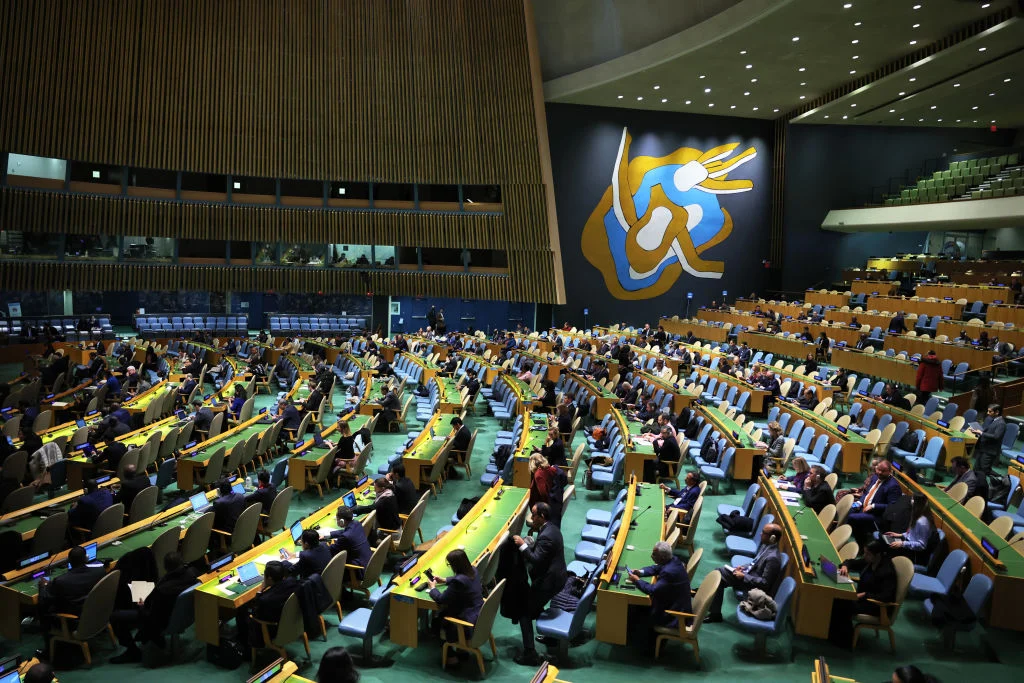
In a historic show of international unity, the United Nations General Assembly has adopted a landmark resolution aimed at operationalizing climate accountability. By overwhelming consensus, member states have affirmed that the existential threat of climate change is not merely a policy challenge but a matter of fundamental human rights. This resolution effectively codifies the principles established in the 2025 International Court of Justice (ICJ) Advisory Opinion, providing a definitive roadmap for holding nations legally responsible for their environmental footprints.
The adoption of this resolution represents a seismic shift in global diplomacy. For decades, climate action was largely viewed through the lens of political commitment—voluntary pledges that carried little weight in international law. Today, the global community has pivoted toward a framework of legal obligation, where the protection of the climate system is recognized as a prerequisite for the protection of human rights.
The Core Mandate: Turning Law into Action
The resolution serves as a bridge between the abstract legal findings of the ICJ and the practical realities of state governance. At its heart, the resolution requires nations to recognize their legal duties to mitigate climate change, protect vulnerable populations, and provide remediation for climate-driven harms.
"Today’s vote marks an important step in advancing climate justice," stated Camile Cortez, Senior Campaigner on Climate Justice at Amnesty International. "By adopting this resolution, states have recognized that they have legal duties to address the profound human rights crisis posed by climate change as set forth in the 2025 ICJ Advisory Opinion. This resolution brings renewed momentum towards ensuring accountability for climate-driven human rights harms and protecting present and future generations."
The document forces a departure from the "fragmentation" that has plagued international climate talks for years. By grounding climate policy in international law, the UN is attempting to insulate environmental protections from the volatile shifts of domestic politics, ensuring that even as administrations change, the legal obligation to act remains fixed.
Chronology: From Student Activism to Global Consensus
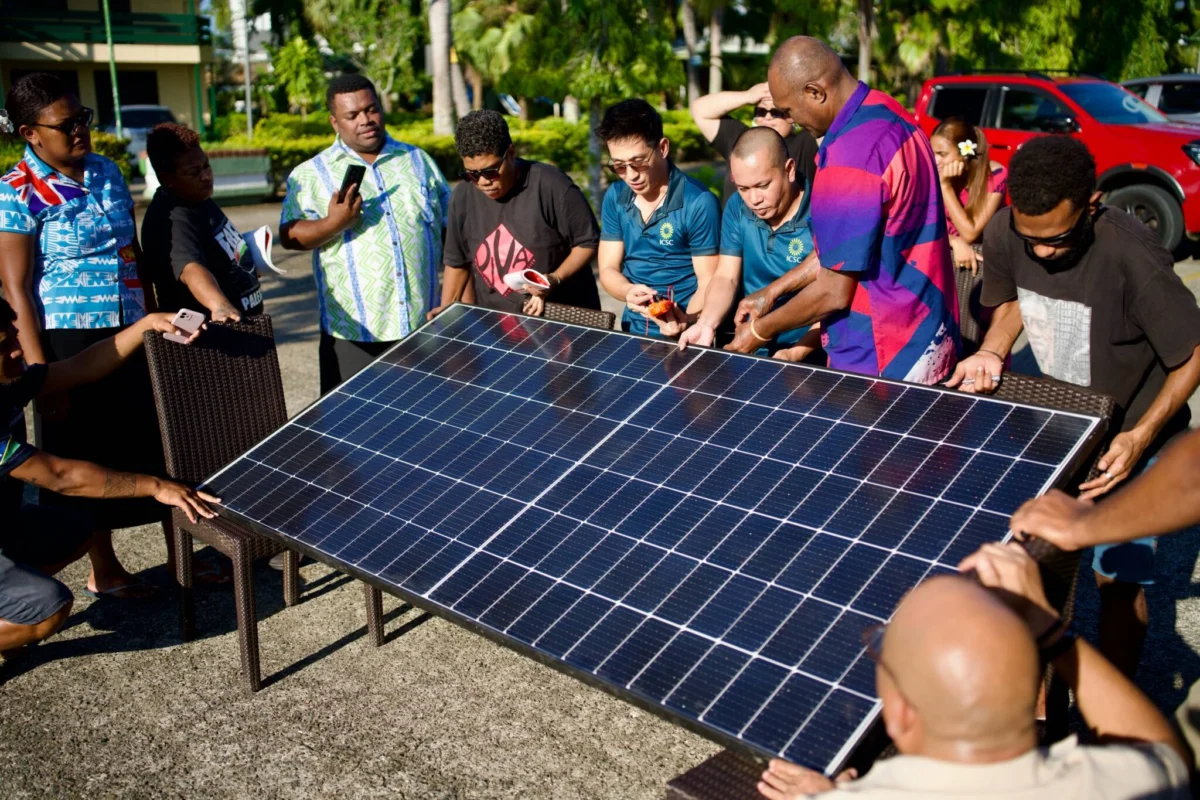
The path to this resolution was neither swift nor straightforward. It began not in the halls of power, but in the lecture halls of Pacific universities.
- The Catalyst (2021-2024): A group of law students from the Pacific, observing the rapid degradation of their islands, began a grassroots movement to petition the International Court of Justice for an advisory opinion on climate change. Their persistence drew the attention of global leaders, particularly from the nation of Vanuatu.
- The Diplomatic Push (2024-2025): Vanuatu spearheaded a massive diplomatic coalition, arguing that small island developing states were facing an existential threat that the international community had a duty to address.
- The ICJ Landmark Opinion (2025): In a rare, unanimous ruling, the International Court of Justice issued an Advisory Opinion declaring that protecting the global climate system is a binding legal obligation. The Court emphasized that nations have a collective responsibility to remediate harm and prevent further environmental destruction.
- The "Zero Draft" Phase (Early 2026): A diverse core group of nations—including Barbados, Kenya, the Philippines, the Netherlands, and Sierra Leone—began drafting the framework that would eventually become today’s resolution.
- The UN Adoption (Present Day): The General Assembly formally adopts the resolution, creating a procedural framework to hold states accountable for meeting the obligations defined in the 2025 ICJ opinion.
Supporting Data: The Scale of the Crisis
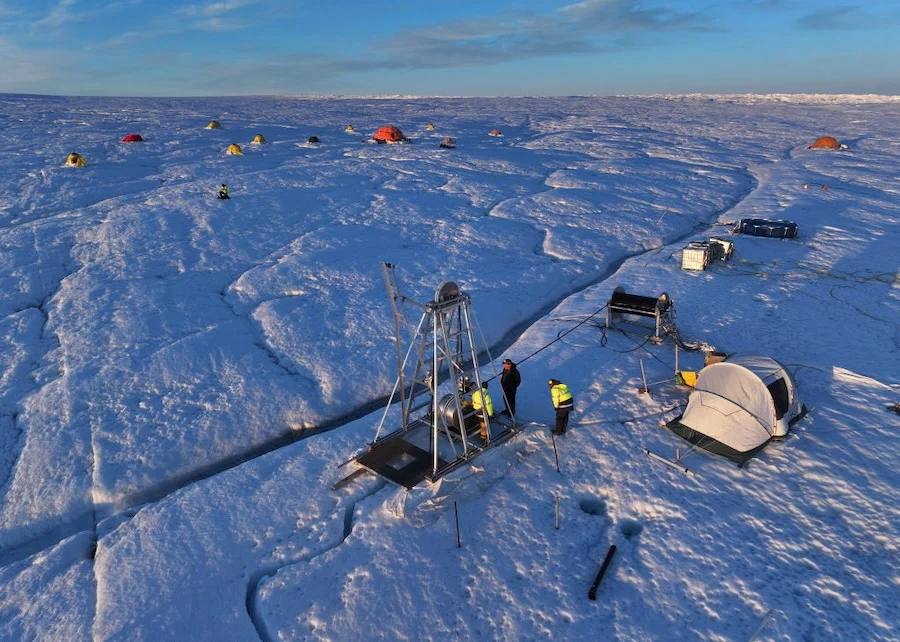
The urgency behind the resolution is supported by stark data regarding the impact of fossil fuel infrastructure and the fragility of global ecosystems.
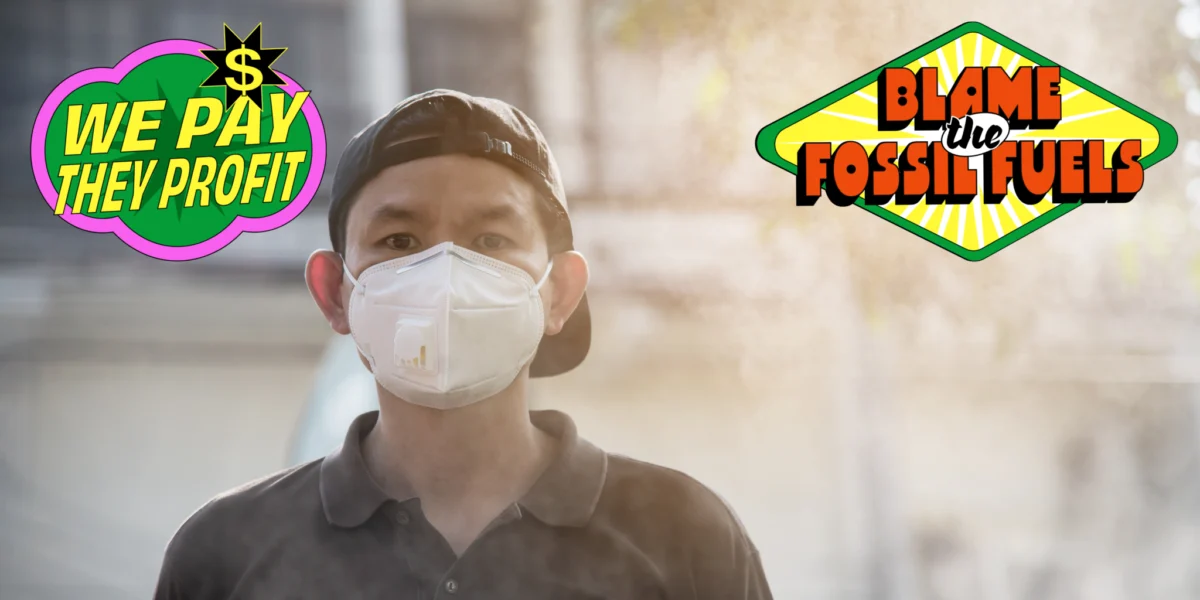
According to research cited by human rights advocates, current fossil fuel infrastructure poses direct risks to the health, livelihoods, and fundamental rights of at least 2 billion people globally. This accounts for roughly 25% of the world’s population, primarily concentrated in the Global South. The resolution addresses the tension between industrial development and the right to a clean, healthy, and sustainable environment.
The resolution comes at a precarious time. Experts point to a rise in authoritarianism globally, which has directly hampered climate progress. In several major economies, recent years have seen a systemic rollback of environmental regulations, the removal of phase-out timelines for fossil fuels, and a deprioritization of international climate accords. These political choices are now being challenged by the legal framework of the new resolution, which posits that such rollbacks may constitute a breach of international legal duties.
Official Responses and Perspectives
The adoption of the resolution has been met with broad, though cautious, optimism from civil society.
Camile Cortez of Amnesty International noted that while the resolution is a triumph, it must be followed by rigorous enforcement. "At a time when fragmentation between nations feels more visible than ever, the UN resolution endorsing the ICJ climate ruling offers a renewed path for international cooperation. Political and authoritarian choices by some world leaders, like rolling back climate protections or revoking phase-out regulations, have weakened global progress just when we need stronger climate action."
From the perspective of the core group of sponsoring nations, the resolution is a victory for multilateralism. By including states from diverse geographic and economic backgrounds—ranging from the Caribbean to Sub-Saharan Africa and Southeast Asia—the sponsors have ensured that the resolution reflects a global consensus rather than a regional interest.
"This new UN resolution paves the way for governments to show they stand for climate justice and has the potential to shape global climate accountability for years to come," Cortez added.
Implications: A New Legal Framework for Climate
The implications of this resolution are vast, potentially changing the nature of international litigation.
1. The Legalization of Climate Policy
By aligning domestic climate policies with the ICJ Advisory Opinion, states are opening themselves up to legal challenges if they fail to meet their obligations. This makes "climate action" a matter of standard legal compliance rather than optional diplomatic rhetoric.
2. Addressing the "Existential Threat"
The resolution codifies the ICJ’s language regarding the "urgent and existential threat" posed by climate change. This creates a higher standard of care for governments, suggesting that failure to act is a violation of the most fundamental human rights—namely, the right to life and the right to exist as a sovereign people.
3. A Roadmap for Remediation
A critical component of the resolution is the mandate to discuss remediation for climate-driven harm. While the resolution does not impose immediate fines, it creates a mechanism for states to be held accountable for the damage caused by their emissions and their failure to mitigate environmental risks.
4. Protecting Future Generations
The resolution explicitly links the rights of present populations to the needs of future generations. This intergenerational equity framework is expected to influence national courts worldwide, as plaintiffs seek to invoke the resolution to protect the long-term viability of their environments.
Conclusion: The Long Road Ahead
The adoption of the UN climate accountability resolution is a significant milestone, yet it is only the beginning of a long process of institutional change. The true test will lie in how individual states implement the resolution within their own jurisdictions.
As the world continues to grapple with the dual crises of rising sea levels and shifting political landscapes, the UN resolution stands as a beacon of legal clarity. It asserts that the environment is not a commodity to be traded for short-term political gain, but a shared inheritance that carries with it the highest level of legal responsibility. For the millions of people living on the front lines of climate change, this resolution offers more than just words; it offers a foundation upon which they can finally hold the powerful to account.

 Rifan Muazin
 Asep Darmawan