
 Asep Darmawan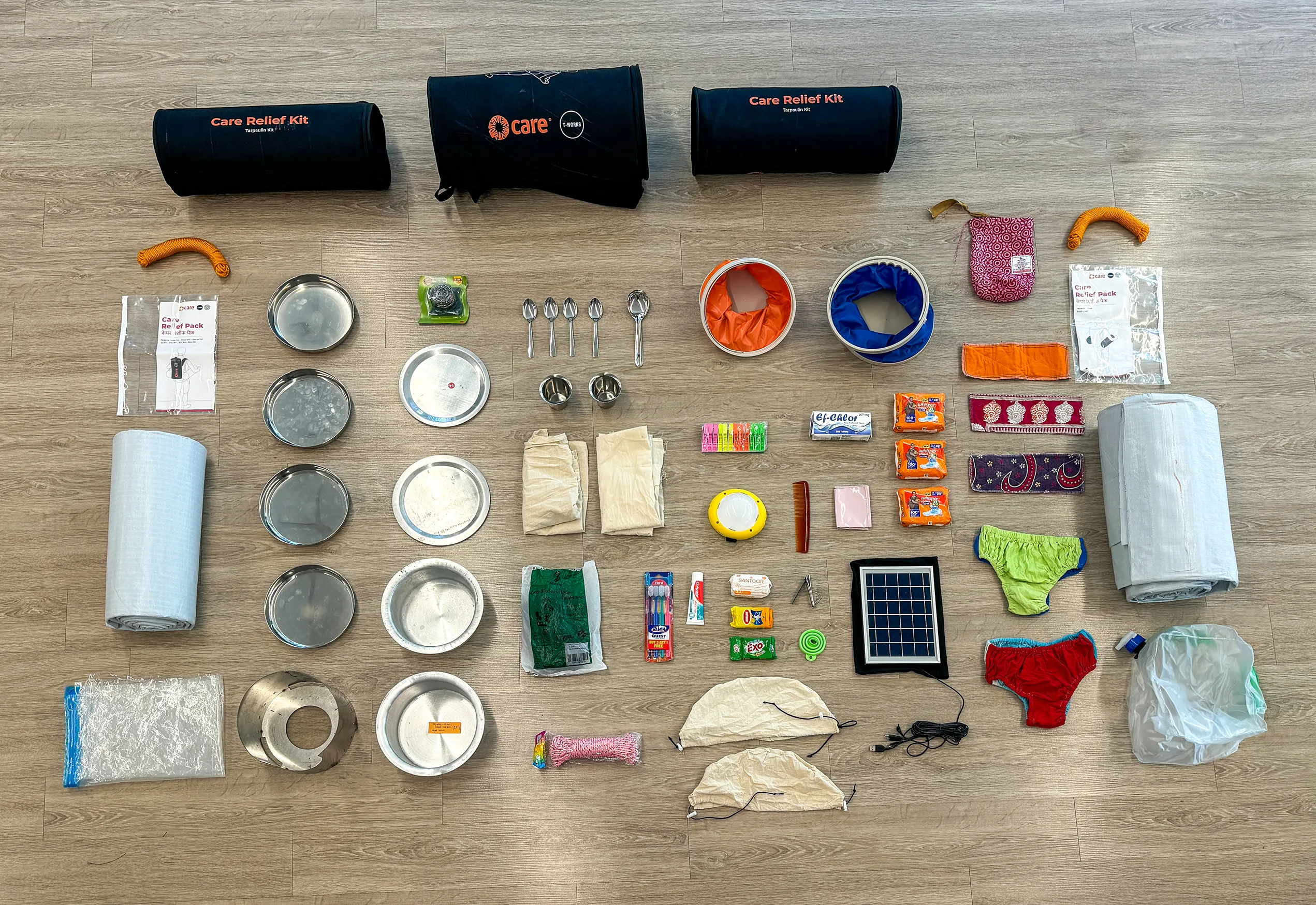
For over 300 million women and girls, the biological reality of menstruation is a constant, universal rhythm. Yet, for an estimated 500 million of them, this natural cycle is not merely a biological fact—it is a monthly crisis. Across the globe, from the sprawling, dense refugee camps of Bangladesh to the classrooms of Ethiopia and the storm-battered provinces of Cuba, the lack of access to sanitary products, clean water, and private facilities has turned menstruation into a barrier to education, health, and fundamental human dignity.
As CARE and international aid organizations continue to push for systemic reform, the narrative is shifting. Menstrual health is no longer being treated as a "private female concern"; it is being recognized as a critical pillar of public health, gender equality, and economic development.
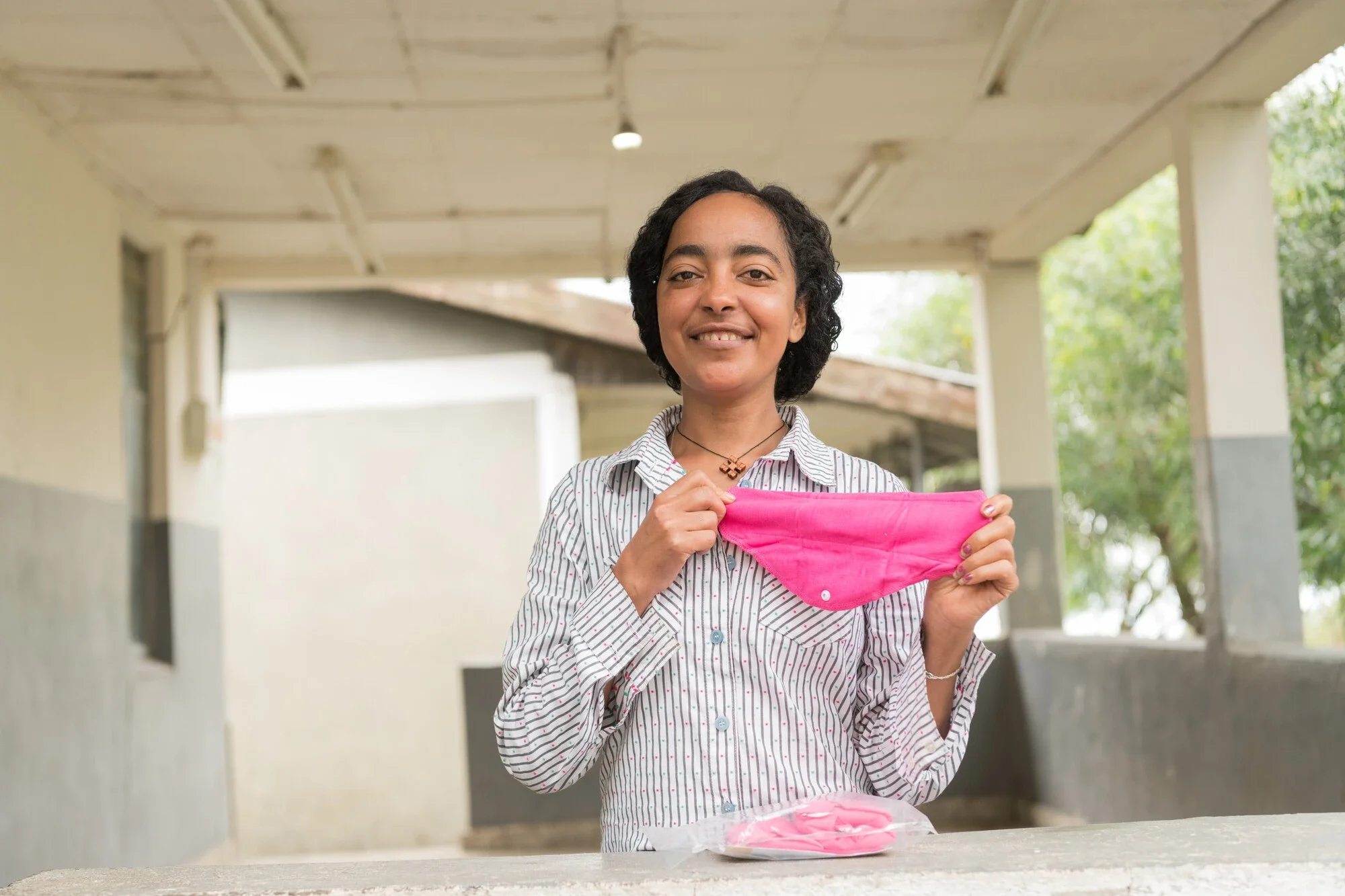
The Geography of Crisis: Main Facts and Scale
Period poverty is defined as the lack of access to sanitary products, menstrual hygiene education, and safe sanitation facilities. While often associated with extreme poverty, it is a multifaceted issue exacerbated by infrastructure collapse, natural disasters, and the persistent, global "pink tax."
The scale of the crisis is staggering. According to the latest global data, 2.3 billion people still lack access to basic sanitation services. In emergency settings—where conflict or climate disasters have uprooted millions—the situation is even more dire. When a family is forced to flee their home, menstrual supplies are rarely prioritized in the immediate scramble for food and shelter. The result is a total loss of privacy, with women often forced to use unhygienic alternatives, which directly correlates to a 30% increase in the risk of urogenital infections.
A Chronology of Advocacy: From WWII to Today
The concept of "dignity as a necessity" has been at the core of humanitarian aid for decades. In 1946, as the world recovered from the devastation of World War II, the first CARE Packages® were delivered to families in need. That legacy has evolved into a modern, sophisticated emergency response.
- 1946–2000: The focus of humanitarian aid remained largely on caloric intake and medical survival. Menstrual health was largely absent from the global conversation.
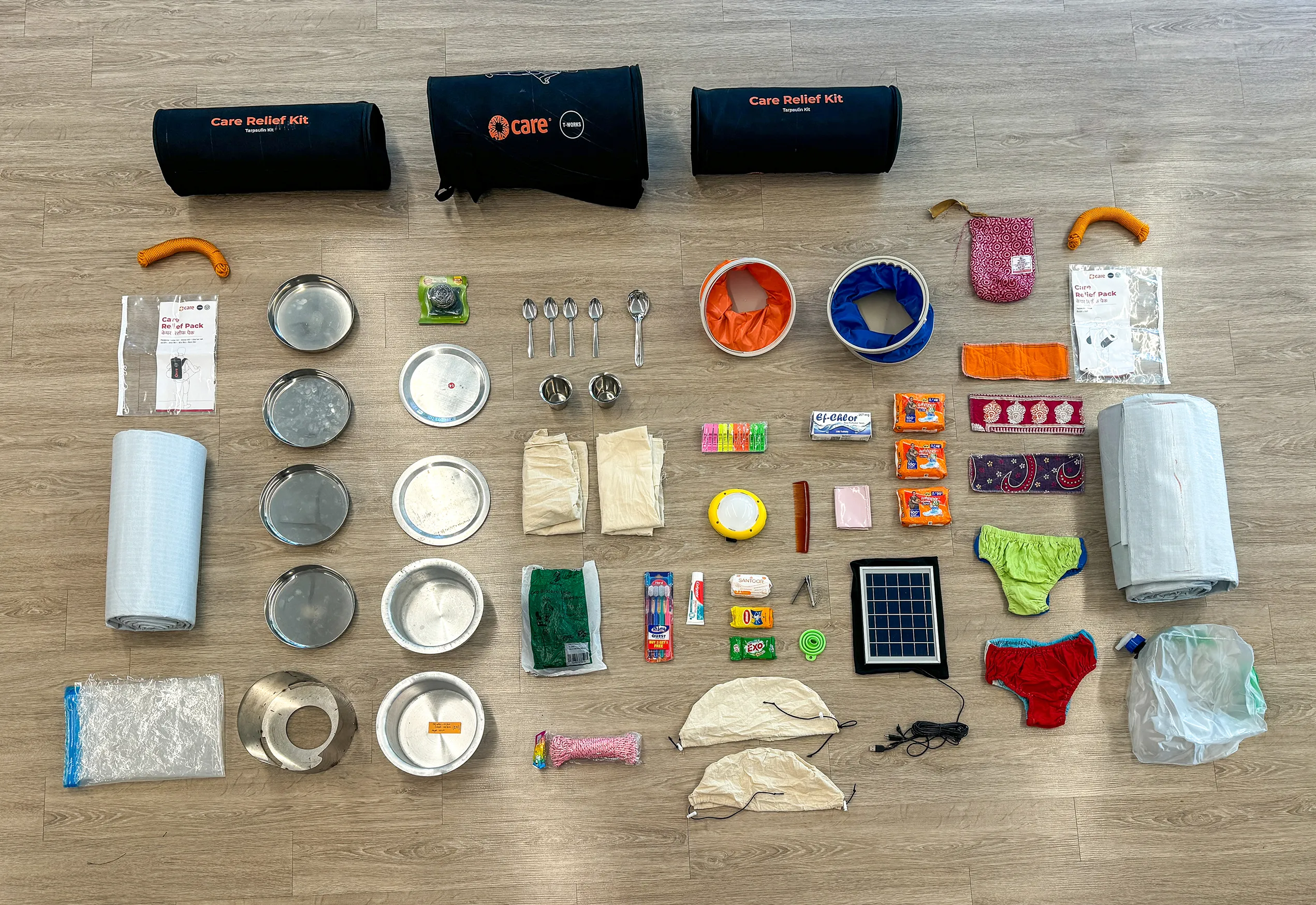
- 2017: Following the massive displacement of Rohingya refugees to Cox’s Bazar, Bangladesh, the humanitarian community began to recognize that "dignity kits" were as essential as water purification tablets.
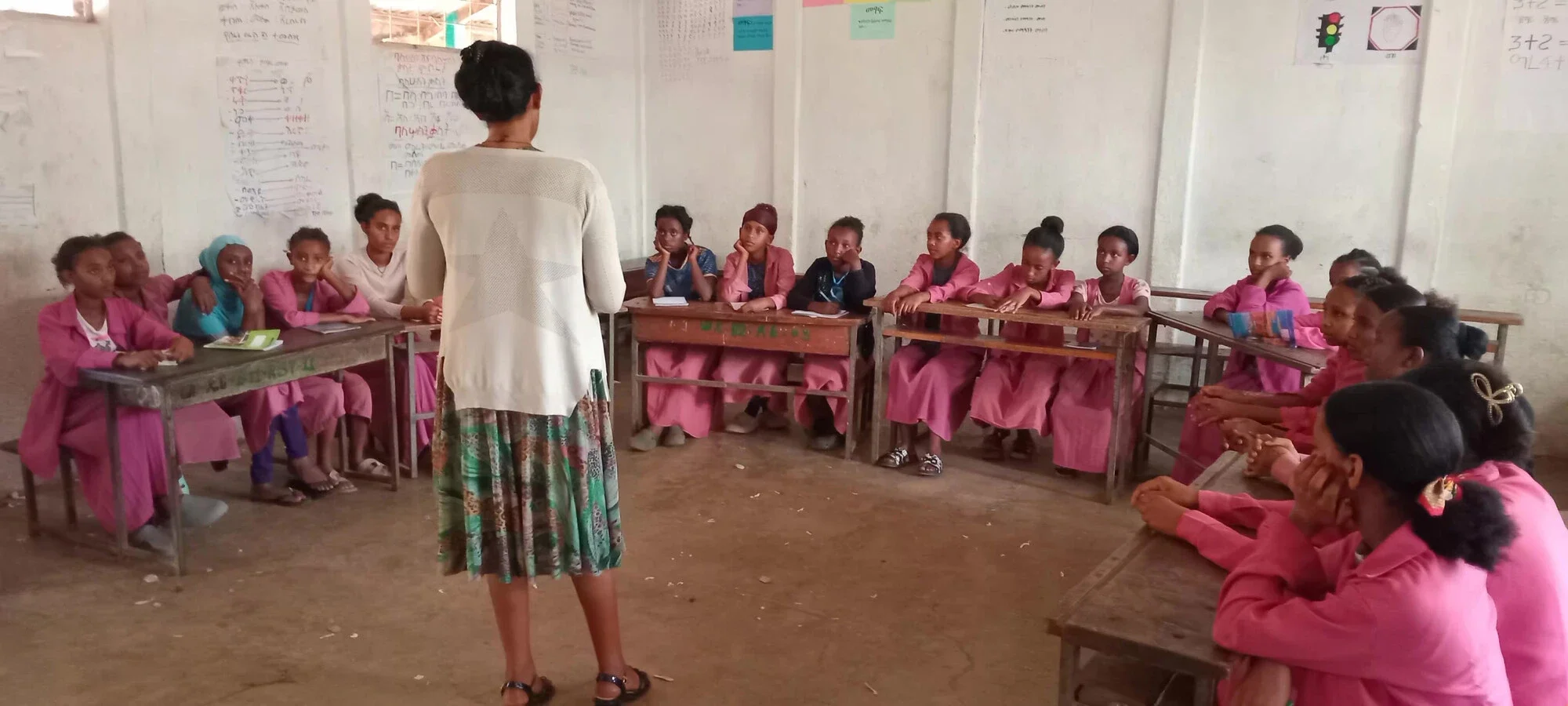
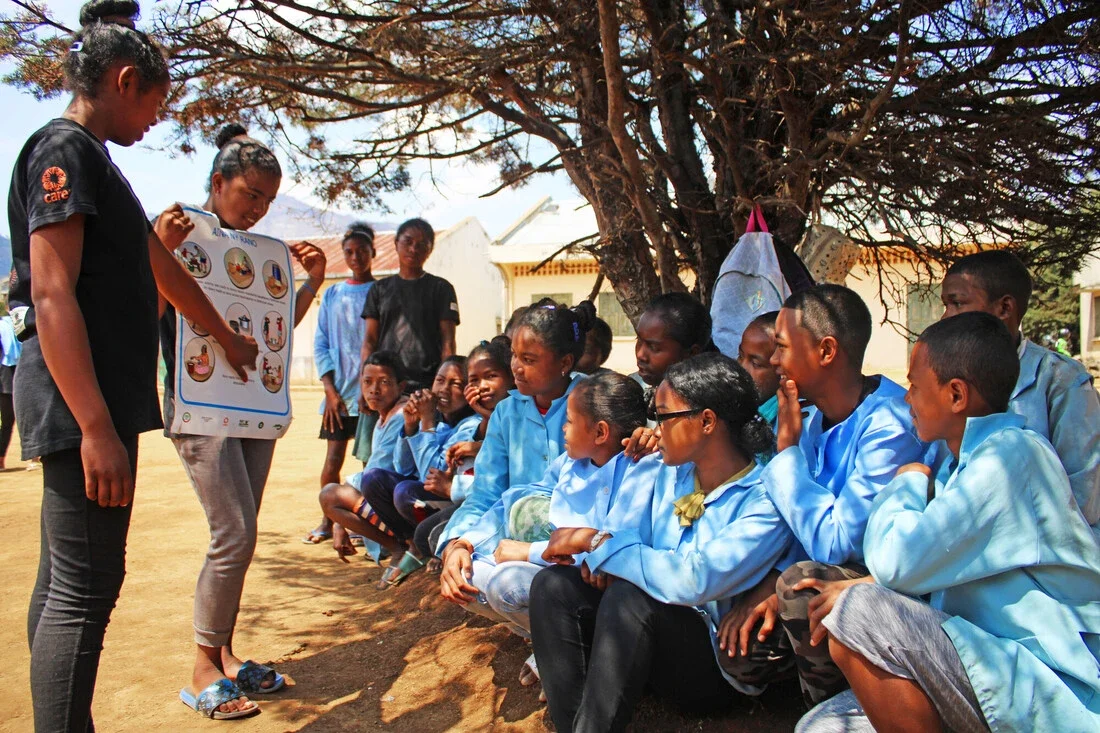
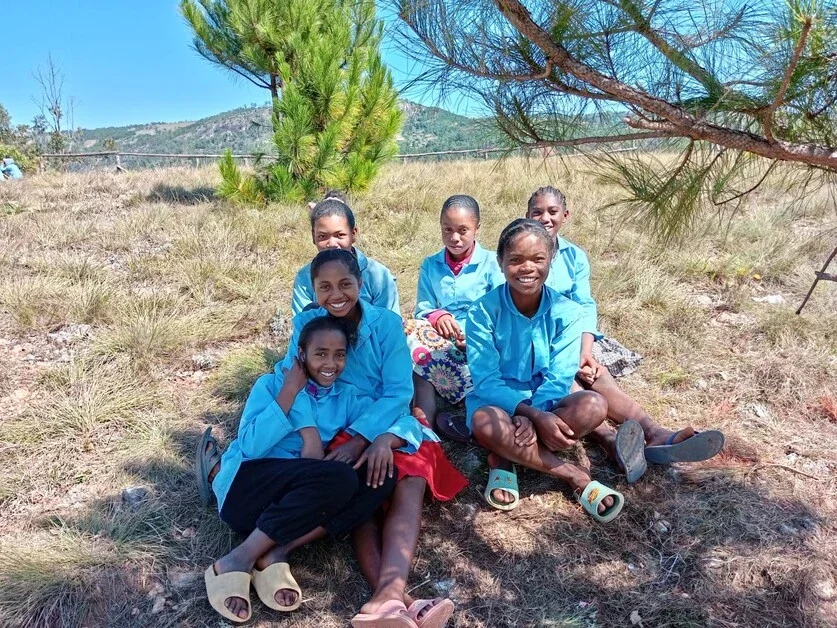
- 2021–2025: Projects like KILONGA in Madagascar and the Abrehot project in Ethiopia pioneered the integration of menstrual health into school systems, proving that education is the most powerful tool to dismantle long-standing taboos.
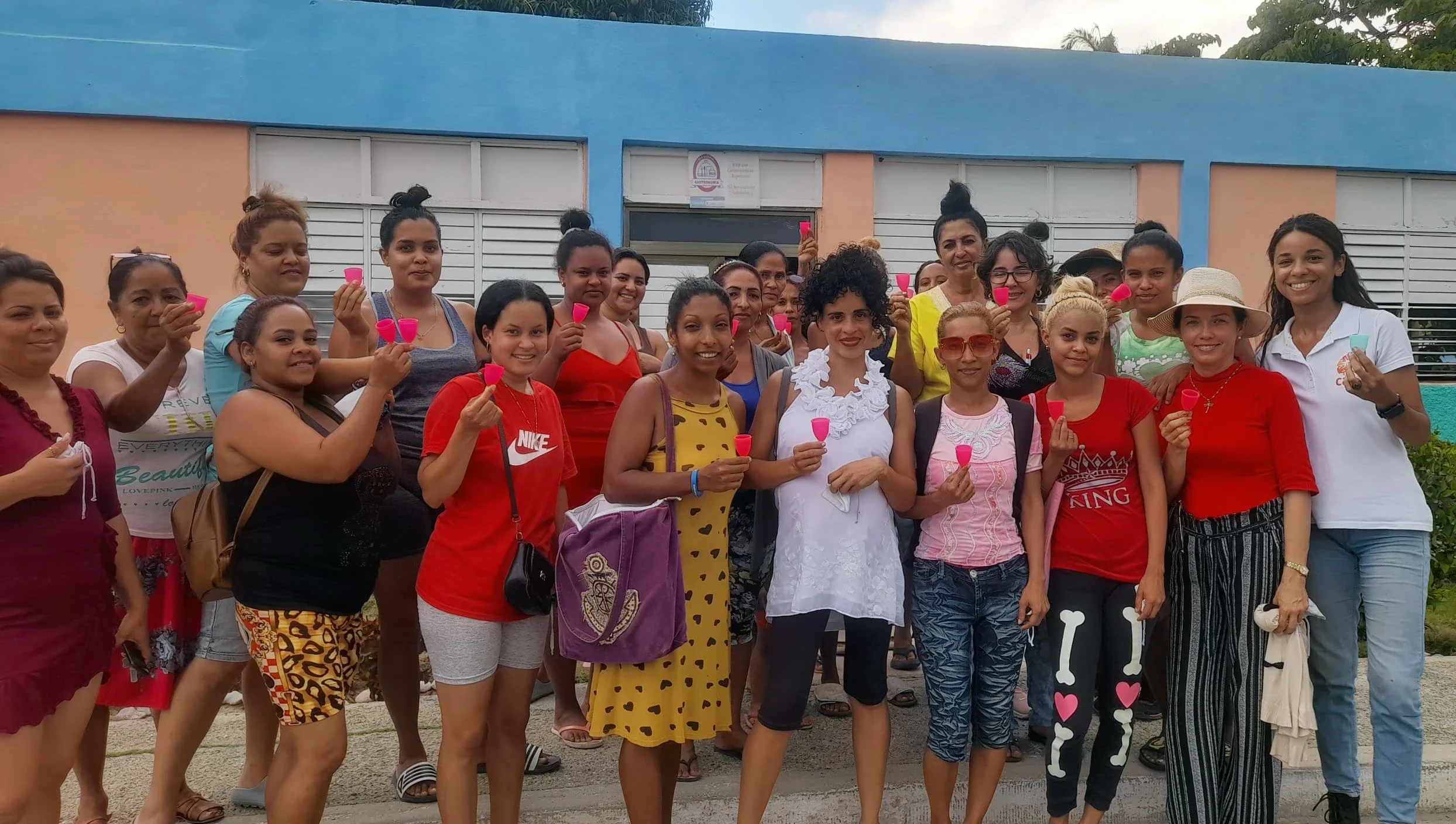
- 2026: Today, the movement has expanded to include sustainable, long-term solutions, such as the Copas para Cuba initiative, which provides medical-grade, decade-long reusable menstrual cups to combat supply chain fragility.
Supporting Data: The Link Between Hygiene and Potential
The correlation between menstrual health and life outcomes is now backed by rigorous academic research. The Abdul Latif Jameel Poverty Action Lab (J-PAL), founded by Nobel laureates Abhijit Banerjee and Esther Duflo, recently analyzed the impact of the KILONGA project in Madagascar.
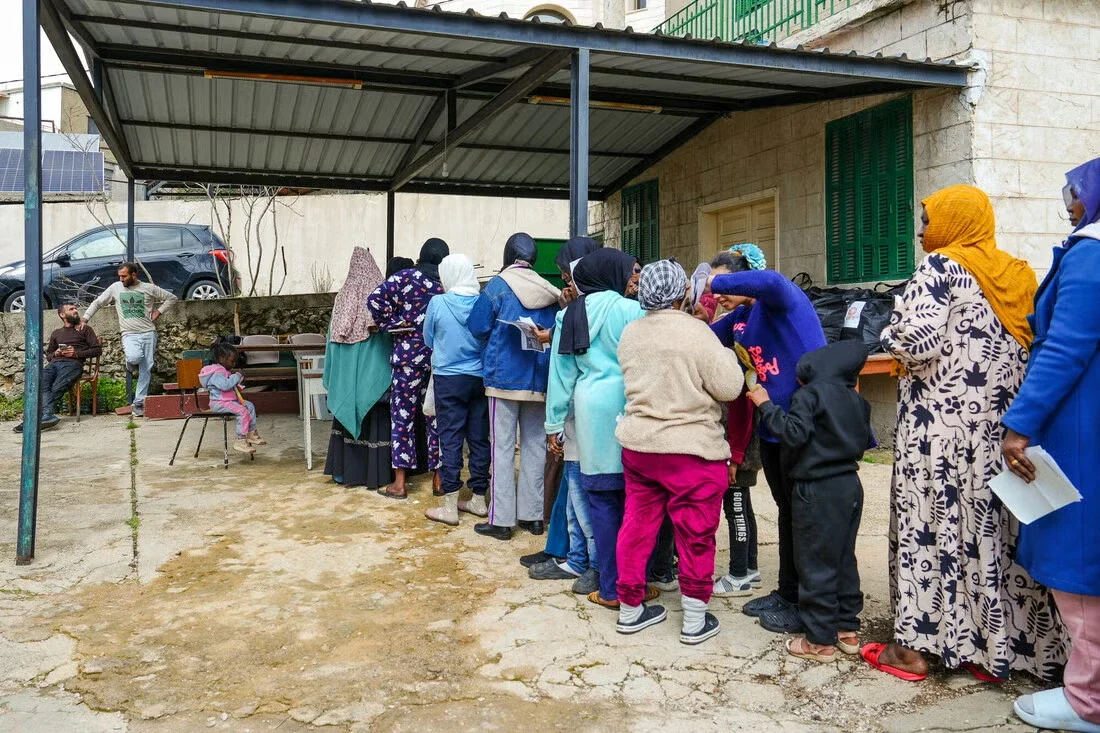
The findings were unequivocal:
- Academic Performance: In regions where schools provided private, clean facilities and menstrual hygiene education, the probability of girls passing critical end-of-year exams increased from 50% to 60%.
- Stress Reduction: Utilizing heart-rate tracking and psychological surveys, researchers confirmed that the presence of these facilities significantly lowered the chronic daily stress levels of adolescent girls.
- The Economic Multiplier: Every additional year of education for a girl can increase her lifetime earnings by up to 10%. By ensuring girls do not miss school due to their periods, organizations are effectively investing in the economic future of entire nations.
Official Responses and Institutional Shifts
Global health organizations are now moving beyond the "charity" model toward a "systemic" model. The shift involves three key institutional pillars:
1. Re-engineering Infrastructure
In places like Camp 15 in Cox’s Bazar, the construction of dedicated Menstrual Hygiene Management (MHM) blocks has revolutionized the daily lives of women. These are not merely bathrooms; they are safe spaces where women can clean, wash, and dispose of materials without the fear of social stigma or the risk of infection.
2. Normalizing the Conversation
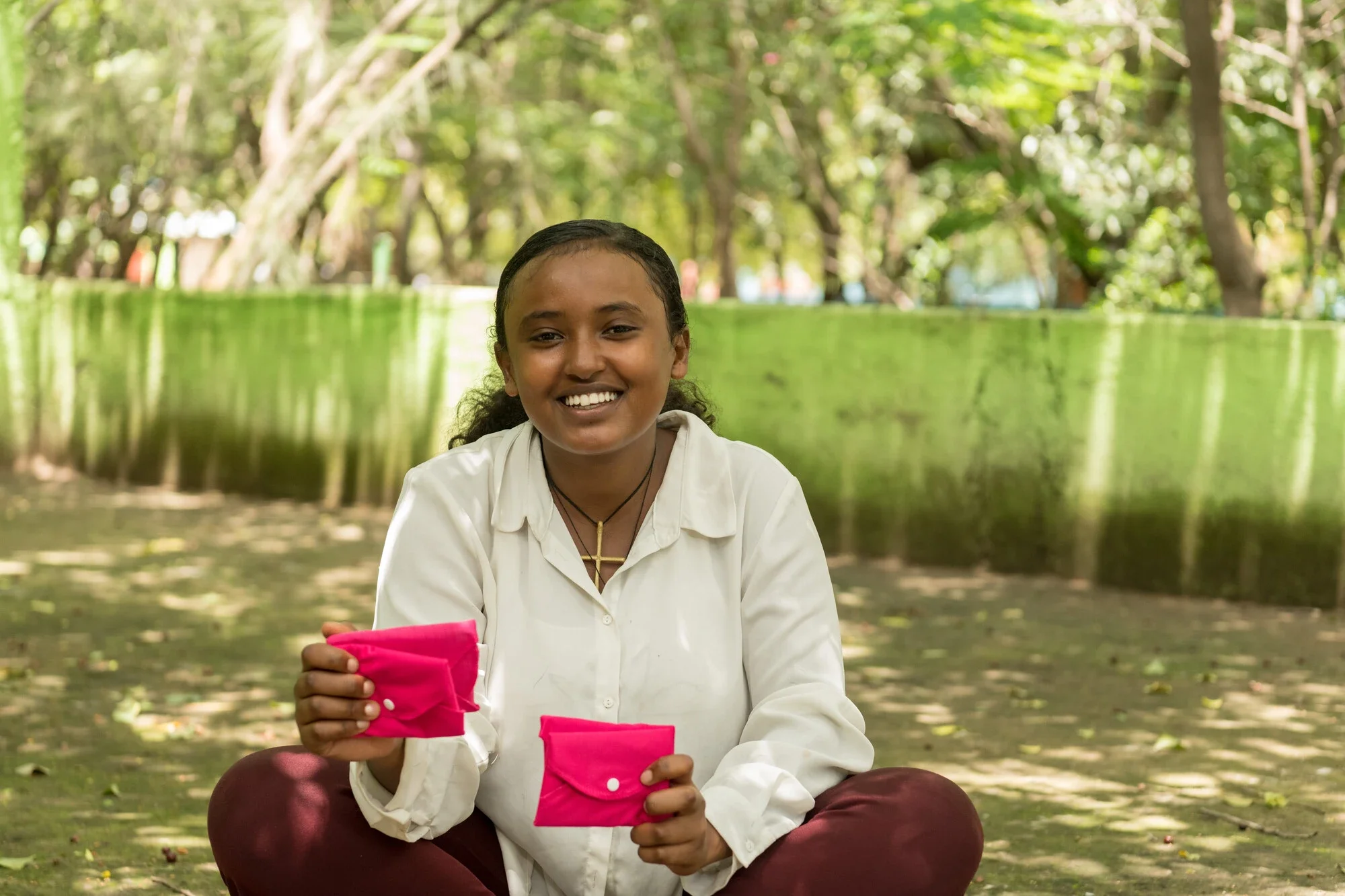
In Ethiopia, the strategy has been to involve the entire community. Nurse Rahel, who works with CARE in Adama, emphasizes that men and boys must be part of the solution. "Many women have no income of their own," she notes. "Men must understand that purchasing menstrual products is a household necessity, not a luxury." By hosting 20-minute education sessions in clinics and schools, the program is effectively stripping away the "shame" that has historically surrounded the topic.
3. Fighting the "Pink Tax"
Economists and activists are increasingly targeting the "pink tax"—the practice of taxing menstrual products as luxury items. In some jurisdictions, this can inflate the cost of basic hygiene by up to 20%. Removing these taxes is seen as a vital step in making products accessible to the most vulnerable.
Implications: The Path Toward Equality
The implications of failing to address period poverty are severe, but the rewards for success are transformative. When a girl manages her period with dignity, she remains in school. When a woman manages her period with dignity, she can participate in the workforce and the public sphere.
However, the path forward requires more than just the distribution of pads or cups. It requires:
- Sustained Funding: Governments must prioritize school sanitation as a core educational budget line item.
- Local Production: As seen in Ethiopia, using local school facilities to sew reusable pads creates a resilient, localized supply chain that is immune to the volatility of global markets.
- Male Engagement: The success in Madagascar and Ethiopia proves that when men are educated about menstrual health, they become allies in breaking down taboos, rather than bystanders.
Conclusion: Dignity is Not Optional
As we look toward the future, the goal is clear: to reach a point where menstruation is viewed as a normal, healthy, and celebrated part of human life, rather than a monthly crisis.
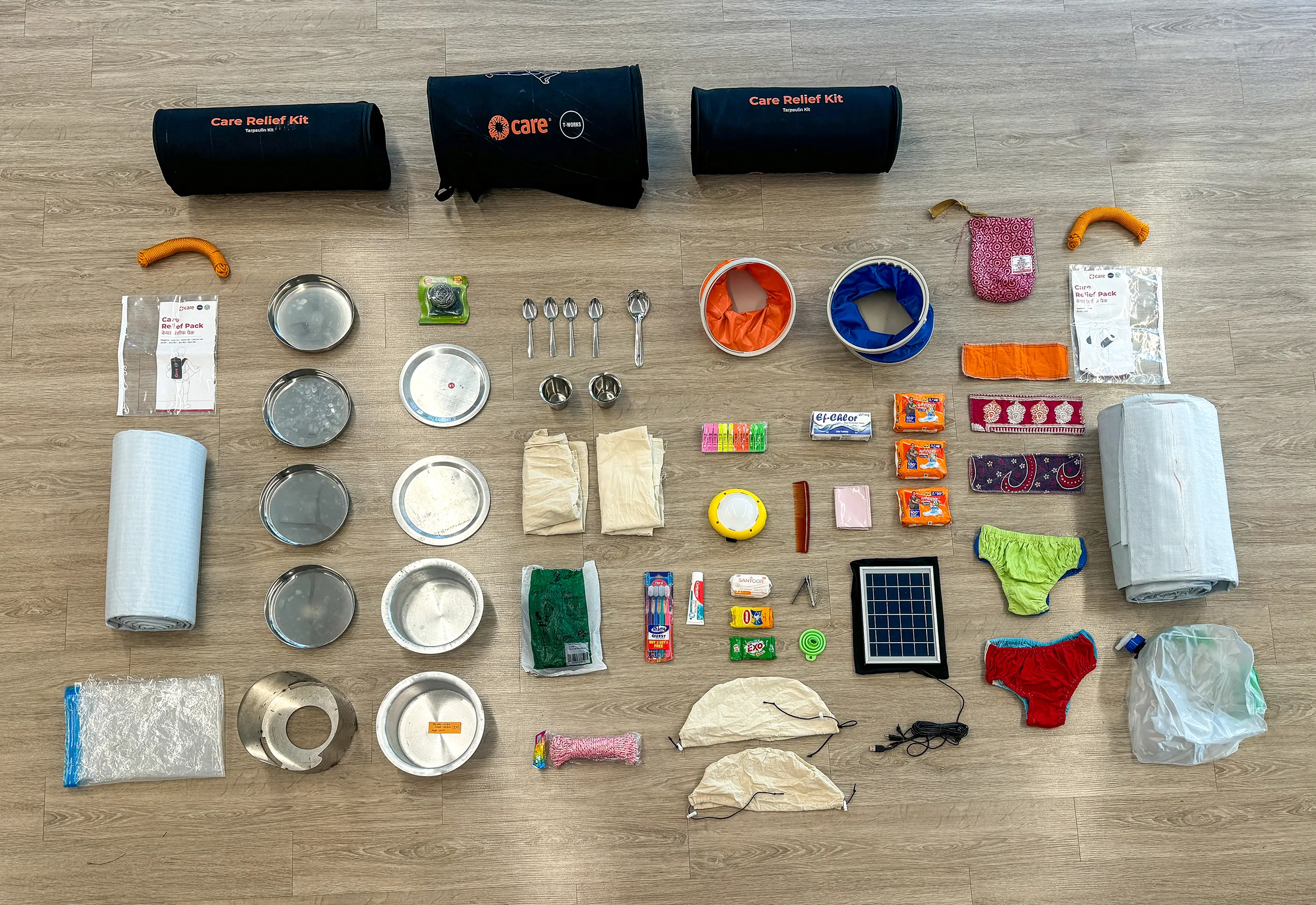
For the millions of women and girls in displacement camps, in rural villages, and in urban centers struggling with inflation, dignity cannot wait. Whether it is a reusable pad provided in an emergency kit or a menstrual cup distributed through a community workshop, each innovation represents a step toward a world where a biological reality never again dictates a woman’s ability to learn, work, or thrive.
As the world marks initiatives like World Menstrual Hygiene Day, the message remains the same: menstrual health is not a secondary need. It is a fundamental component of human survival. When we prioritize the dignity of women and girls, we unlock the potential of entire communities. The work that remains is significant, but the transformation is already underway, school by school, village by village, and person by person.
To support this global effort, consider donating to humanitarian initiatives that provide dignity kits to those in the most vulnerable regions of the world. Your contribution ensures that a natural cycle never becomes a barrier to a future.

 Neng Nana
 Iffa Jayyana