 Raul Delapena Setiawan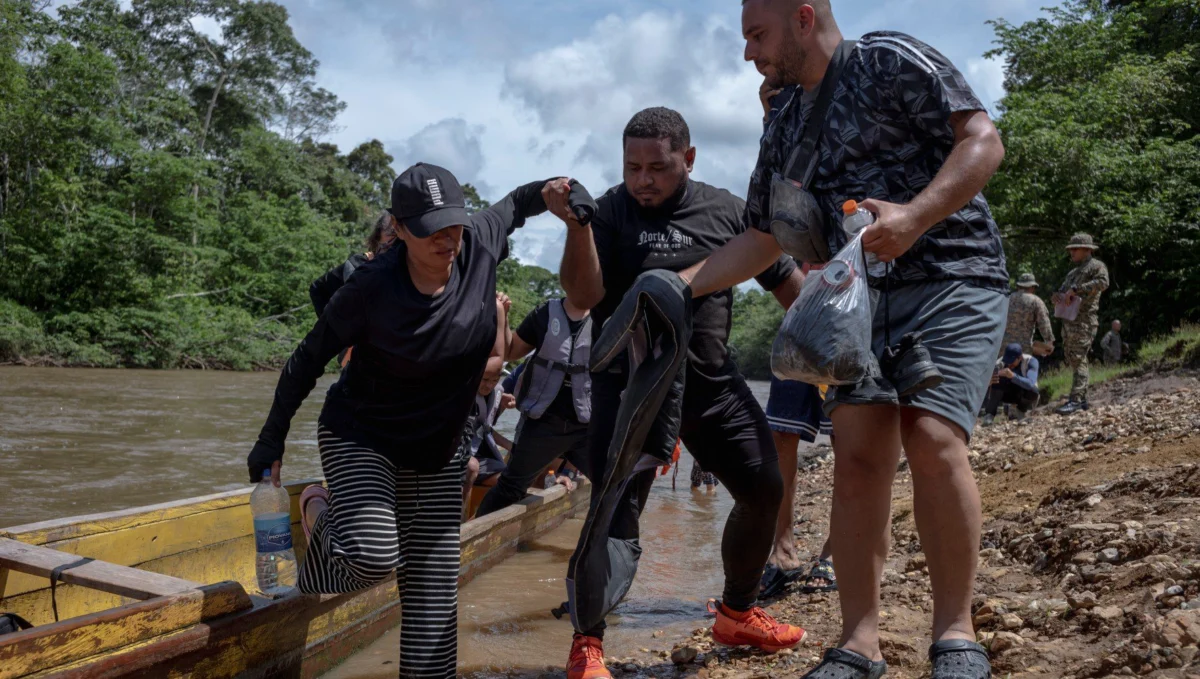
By Lindsay Kagalis | Social Media Manager
May 29, 2026
For thousands of individuals who have fled violence, systemic persecution, and total economic collapse, the Darien Gap—a treacherous, dense, and lawless stretch of jungle connecting South and Central America—was once viewed as the ultimate gateway to hope. It was a passage of last resort, a grueling trek undertaken with the singular dream of reaching safety in the United States. Today, however, the narrative has shifted into something far more harrowing: a "reverse migration." Thousands are now retracing their steps, forced back into the very instability they once risked everything to escape, as shifting U.S. immigration policies and the closure of the U.S.-Mexico border leave them with nowhere else to go.
The Shift: A Humanitarian Reversal
Between February and August 2025, more than 14,000 migrants—many of whom had spent months or even years navigating the journey northward—were forced to turn around. This is not a voluntary homecoming. It is a desperate reaction to a U.S. policy landscape that has become increasingly impermeable. With the U.S.-Mexico border effectively closed to asylum seekers and legal pathways to protection dismantled, these individuals find themselves trapped in a state of perpetual displacement.
The phenomenon of reverse migration represents a profound humanitarian failure. For those turning south, the road is not merely a path back to safety; it is a return to a landscape defined by extreme vulnerability. As they traverse the region, these migrants face a litany of threats, including rampant extortion by criminal syndicates, forced labor, the risk of abduction, and acute medical crises for which there is often no remedy.
Chronology of a Crisis
The current crisis did not emerge overnight; it is the culmination of years of tightening restrictions.
- Early 2025: The U.S. government implemented significant cuts to international humanitarian assistance. These funding reductions severely impacted the capacity of aid organizations to provide food, shelter, and medical care to the displaced, effectively hollowed out the safety net that once supported those in transit.
- Mid-2025: As access to the U.S. border became restricted through new executive orders and administrative barriers, the bottleneck effect in Central and South American transit countries intensified. Thousands found themselves stranded in northern Mexico, unable to proceed and unwilling to remain in a state of limbo.
- Late 2025: The wave of "reverse migration" began in earnest. With no viable path forward, families and solo travelers alike began the arduous trek back through the Darien Gap, heading toward Colombia and beyond.
- 2026: HIAS and other humanitarian agencies continue to adapt their strategies, pivoting to meet the needs of those moving south, a population that has been largely ignored by the global discourse on migration.
The Forgotten Demographic: Solo Male Travelers
While much of the media focus remains on families and unaccompanied minors, roughly half of the population currently navigating these routes consists of men traveling alone. These individuals, often fleeing the same violence as families, face unique risks. Without the protective social structures that can sometimes form around family units, solo men are frequently targeted for exploitation and are more susceptible to the psychological toll of prolonged, solitary displacement.
Take, for example, the story of Salem. After nearly six years of movement, he arrived at the U.S.-Mexico border in late 2025, only to be met with the reality of an impassable barrier. He chose to turn back.
"Ever since I left, I’ve never asked anyone for help; I’ve always done what I could to make it on my own," Salem shared.
His journey took a dramatic turn when he met his now-wife. They were heading south toward Colombia, where extended family could provide support for the birth of their child. When they reached Miramar, Panama, a medical emergency turned a desperate situation into a life-saving encounter. His wife, suffering from pregnancy-related complications, was stabilized through the intervention of HIAS Panama staff, who coordinated emergency medical transport and provided essential supplies. For Salem, the aid was a lifeline—a rare moment of human dignity in a years-long ordeal.
Supporting Data and the Impact of Aid Cuts
The impact of the 2025 U.S. budget cuts to humanitarian aid cannot be overstated. By stripping resources from organizations that operate in transit hubs, the U.S. government effectively shifted the burden of care onto local municipalities and NGOs that were already operating at maximum capacity.
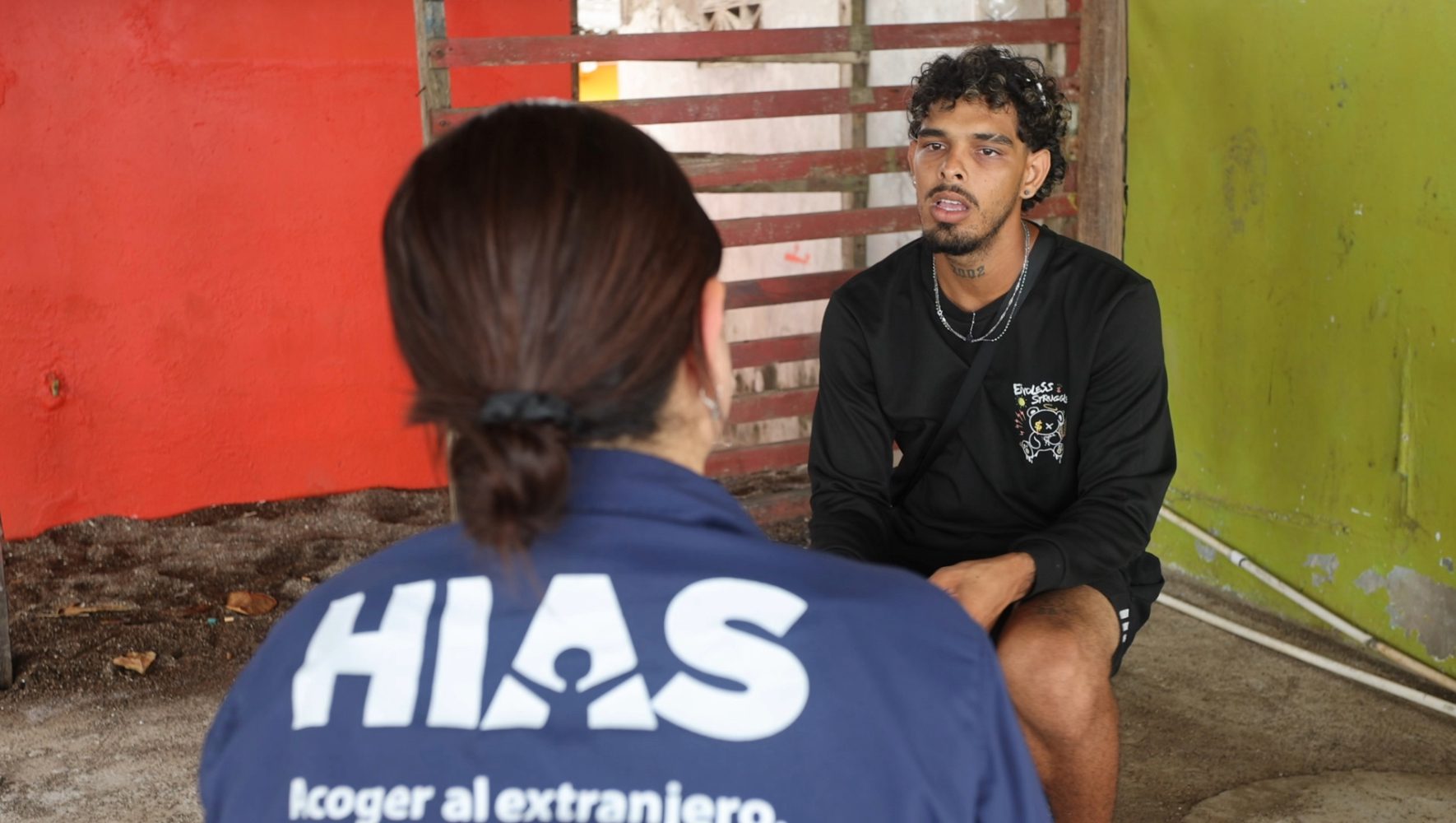
HIAS Panama has become a critical node in this disrupted geography. By maintaining a presence in key transit areas, the organization provides more than just physical relief; they offer protection services, mental health support, and legal information. As Yazcari Murillo, HIAS Panama’s Protection Officer, notes: "Each person has a story—and often, it’s good to have that human connection in order to provide service in the best way possible."
The Human Element: Resilience in the Face of Despair
The resilience of these migrants is epitomized by the experience of Nerli, a solo traveler who has spent a decade on the move. His primary motivation remains the son he left behind as a toddler.
During his journey south, Nerli encountered a situation where safe transportation was limited. Recognizing the vulnerability of the families around him, he and other solo men voluntarily opted to stay behind in Miramar to ensure those with children could move forward. He has remained there for five months, volunteering at Casa Rosada, a shelter for migrants. His work there—organizing and cleaning—is more than a labor-for-stay arrangement; it is a way to maintain a sense of purpose and contribute to the community in which he is currently anchored.
"I’m sort of contributing my own little grain of sand to the migrant community here in Miramar," Nerli says.
Implications: The Future of Migration
The rise of reverse migration poses a fundamental question for international policy: What happens to people when the world’s doors are locked?
The current trends suggest that as long as legal pathways to asylum are constricted, migration will not cease—it will simply become more dangerous and less predictable. The "reverse" movement is not a sign of successful deterrence; it is an indicator of profound human suffering. When people are forced to traverse the Darien Gap twice, the cumulative trauma to the individual and the strain on regional infrastructure are immense.
A Call for Sustained Support
The commitment of HIAS, supported by entities like the Hilton Foundation, remains a vital buffer against the total collapse of protection for displaced people in Panama. However, as the number of people in transit continues to fluctuate, the need for international solidarity becomes increasingly urgent.
The stories of Salem, Nerli, and thousands of others serve as a stark reminder that these individuals are not mere statistics in a migration report. They are people with agency, dreams, and profound resilience, navigating an geopolitical landscape that has often treated them as obstacles rather than humans.
As the situation evolves, the focus must shift from punitive measures to humanitarian investment. The ability of organizations to provide life-saving assistance—be it a medical referral for a pregnant woman or a clean, safe space for a volunteer—is what keeps the promise of dignity alive in the face of impossible choices.
Your support matters. By empowering organizations like HIAS, we ensure that even when the path to safety is obscured by policy, the basic requirements of humanity are not forgotten.
To learn more about the situation on the ground or to contribute to HIAS’s ongoing efforts in Panama and beyond, please visit the official HIAS website. Together, we can provide the help that is needed most, where and when it is needed.

 Rifan Muazin
 Asep Darmawan