
 Raul Delapena Setiawan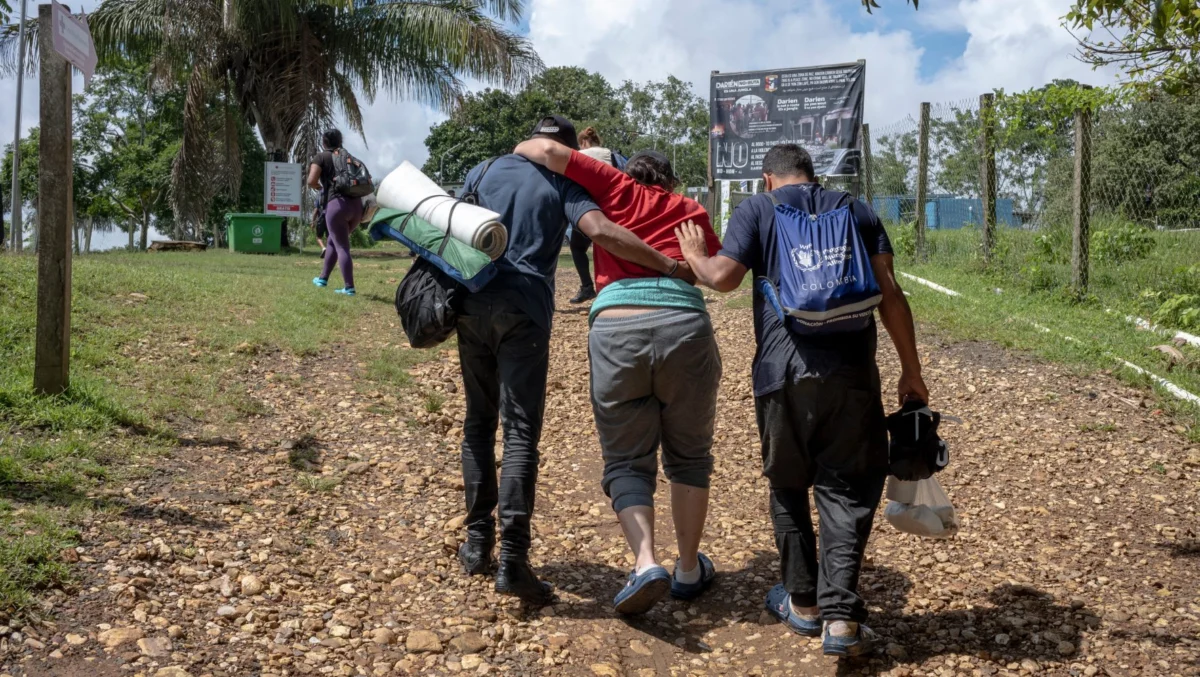
By HIAS Staff
June 16, 2026
Seventy-five years ago, the international community convened to formalize the 1951 Refugee Convention—a landmark moral and legal compact born from the ashes of World War II. It was a promise to humanity: that the horrors of global conflict would never again result in a world indifferent to the plight of the vulnerable. The Convention codified the fundamental right to seek safety, establishing a mandate for nations to provide refuge for those fleeing violence, persecution, and systemic oppression.
Yet, as we commemorate World Refugee Day in 2026, that foundational promise is being tested by an era of unprecedented volatility. From the shifting geopolitical landscapes of Eastern Europe to the treacherous migration corridors of the Americas, the rights of refugees and internally displaced persons (IDPs) are under constant, systemic strain. While the challenges are formidable, the human capacity for renewal remains the heartbeat of the global response. To understand the current state of displacement, one must look beyond the statistics and into the lives of those who, against all odds, are rebuilding their futures.
Chronology of Crisis and Resilience
The journey of the modern refugee is often defined by a series of precarious transitions. For many, the road to safety is not a singular event but a multi-year odyssey of survival.
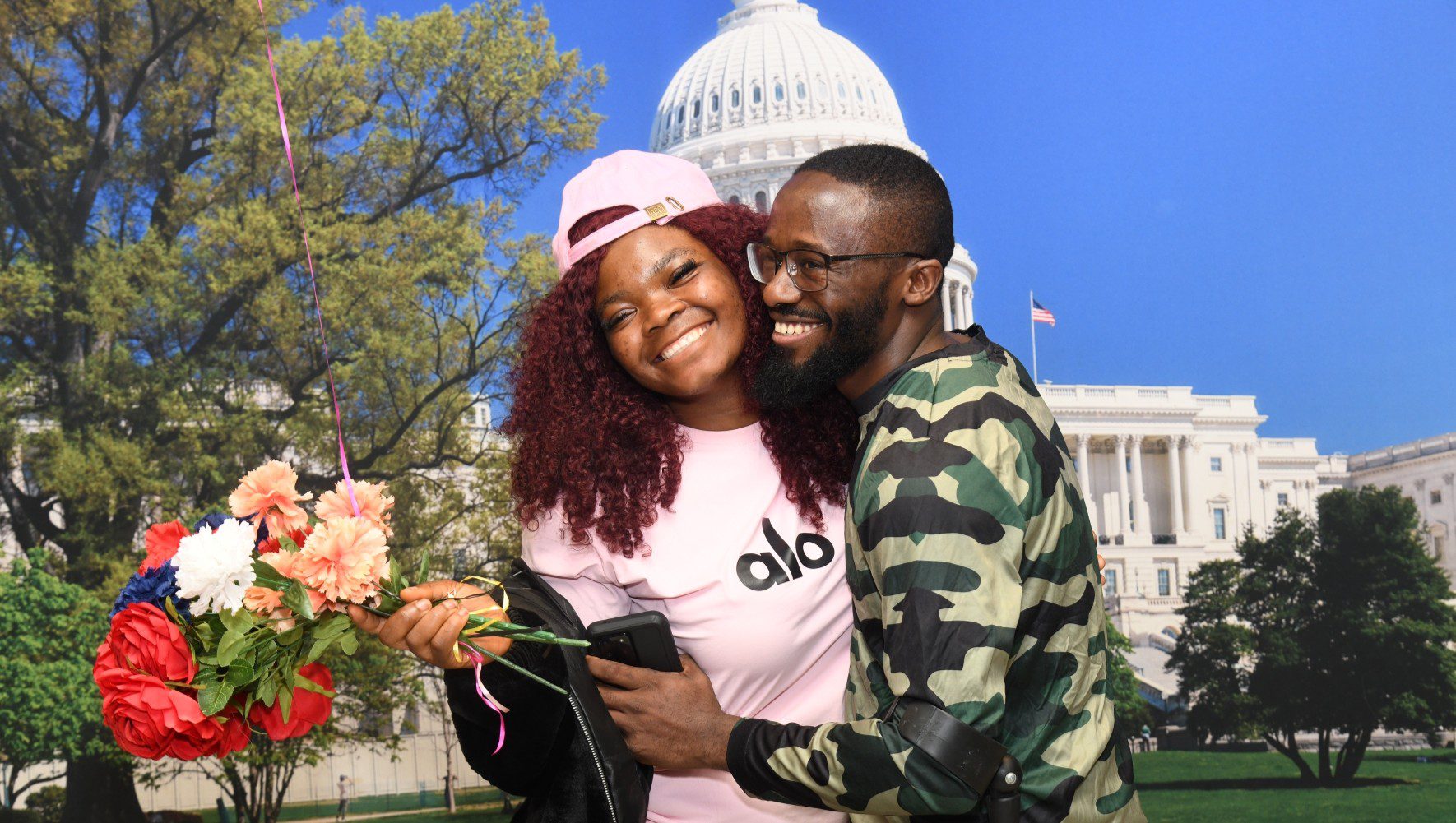
- 2023: Fon, a Cameroonian national, completes an arduous 13-country trek on foot—a journey that included the perilous Darién Gap. Despite living with a disability, Fon’s primary motivation remained the search for safety rather than the pursuit of a new life.
- 2024: Fon is granted asylum in the United States, yet he immediately faces the psychological and logistical burden of a fragmented family. His wife and children remain in hiding in Cameroon, where his wife, a disability rights activist, is targeted for her work.
- 2025: Throughout the year, HIAS intervenes in several global hotspots. In Ukraine, partnerships with organizations like Power of a Woman provide critical violence-prevention resources for displaced populations. In Ecuador, the agribusiness collective INTIVA—led by women like Aziel—receives targeted support to formalize their operations.
- December 2025: A breakthrough occurs in Washington, D.C., as Fon is finally reunited with his family, marking the culmination of years of legal advocacy and social support.
The Pillars of Support: How Assistance Shapes Outcomes
The stories of individuals like Fon, Linah, Naide, Anna, and Aziel demonstrate that protection is not merely a legal status; it is a holistic process requiring legal advocacy, psychological care, and economic empowerment.
Fon: The Path to Reunification
Fon’s journey is a testament to the fact that obtaining legal asylum is only the initial step in a long process of integration. His experience highlights the intersectional challenges faced by refugees with disabilities. When HIAS took on his case, the strategy was dual-pronged: legal petitioning for his family in Cameroon and comprehensive social services for his immediate stability. From navigating the complexities of U.S. immigration paperwork to securing health insurance and wheelchair repairs, the goal was to build a foundation upon which Fon could stand—both literally and figuratively—before his family arrived.
Linah: Mental Health as a Human Right
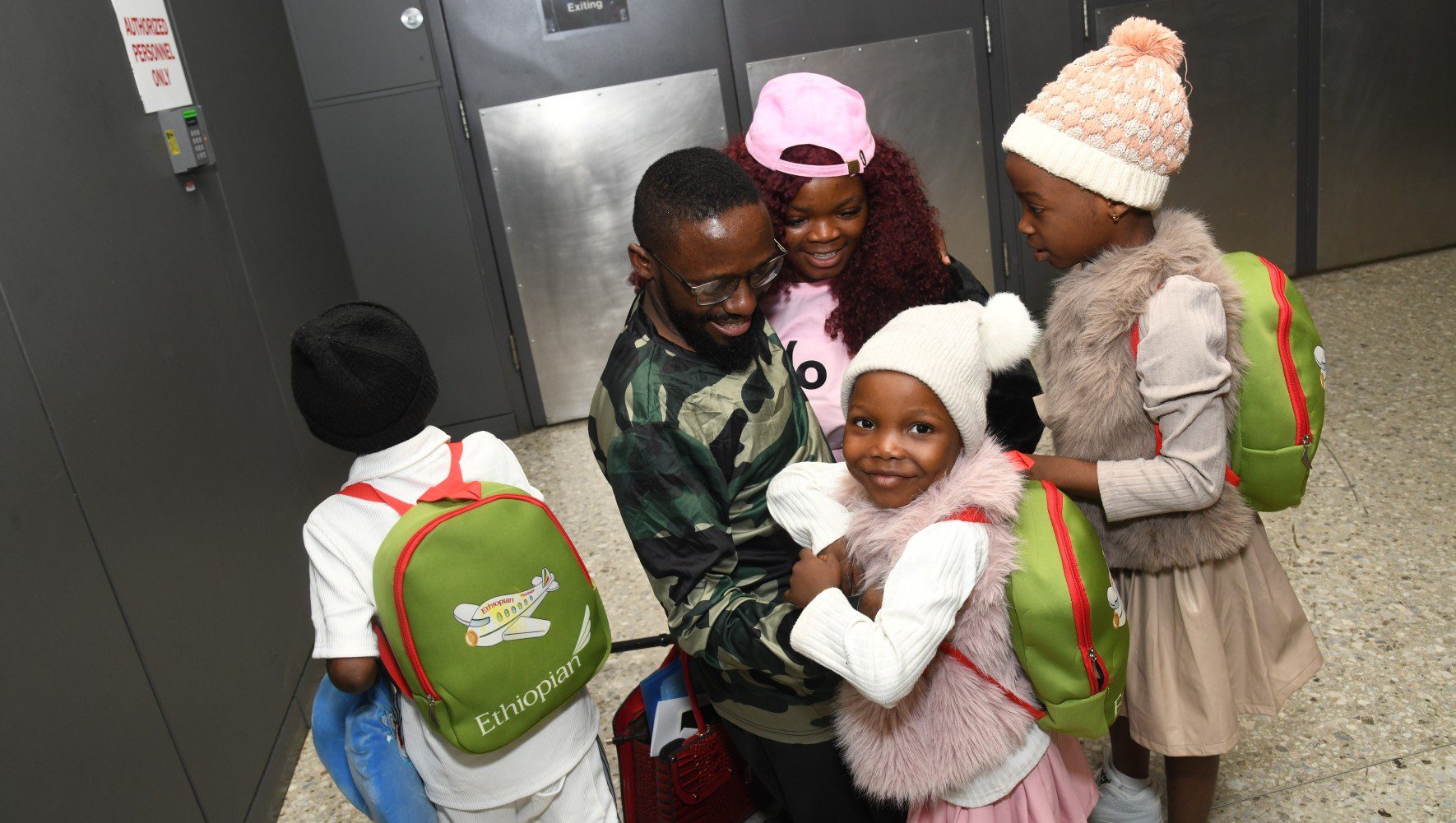
In Kenya, the case of Linah, a young woman born to Ugandan refugees, underscores the "silent" crisis of displacement: the erosion of mental health due to systemic exclusion. After being repeatedly denied employment and internships due to her refugee status, Linah experienced profound isolation. Her involvement in the Self-Help Plus program, facilitated by HIAS Kenya, proves that community-based mental health interventions can mitigate the trauma of displacement. By connecting with peers facing similar existential hurdles, Linah regained the confidence to pursue her engineering dreams.
Naide: Education as an Engine for Mobility
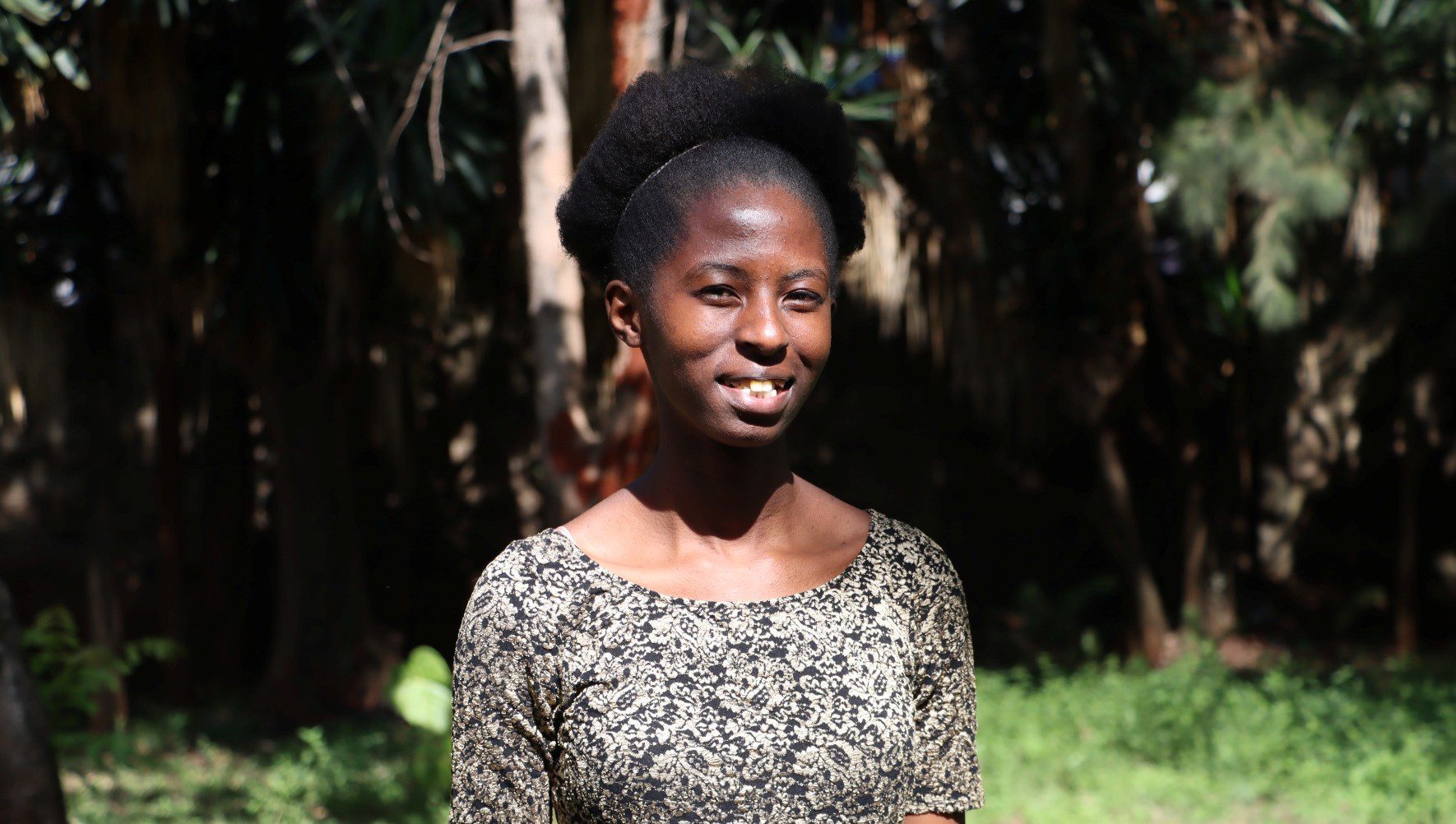
In Colombia, the DAFI scholarship program—a collaborative effort between HIAS and UNHCR—serves as a primary vehicle for social mobility. For Naide, a student of agro-industrial engineering, education is not just a personal goal; it is a legacy project. Her commitment to mentoring younger children while balancing her studies demonstrates the "give-back" culture that defines successful refugee integration programs.
Anna: Dignity in the Face of Conflict
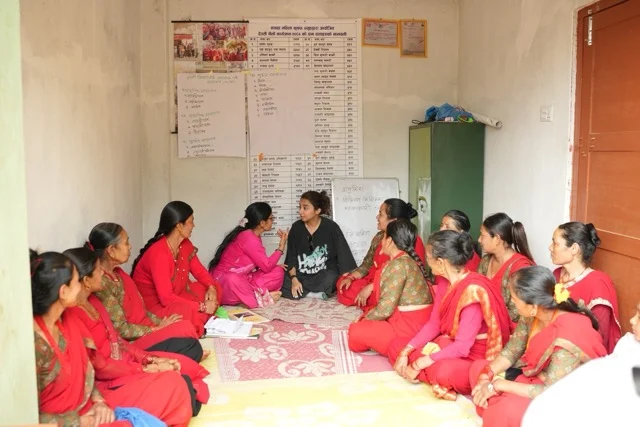
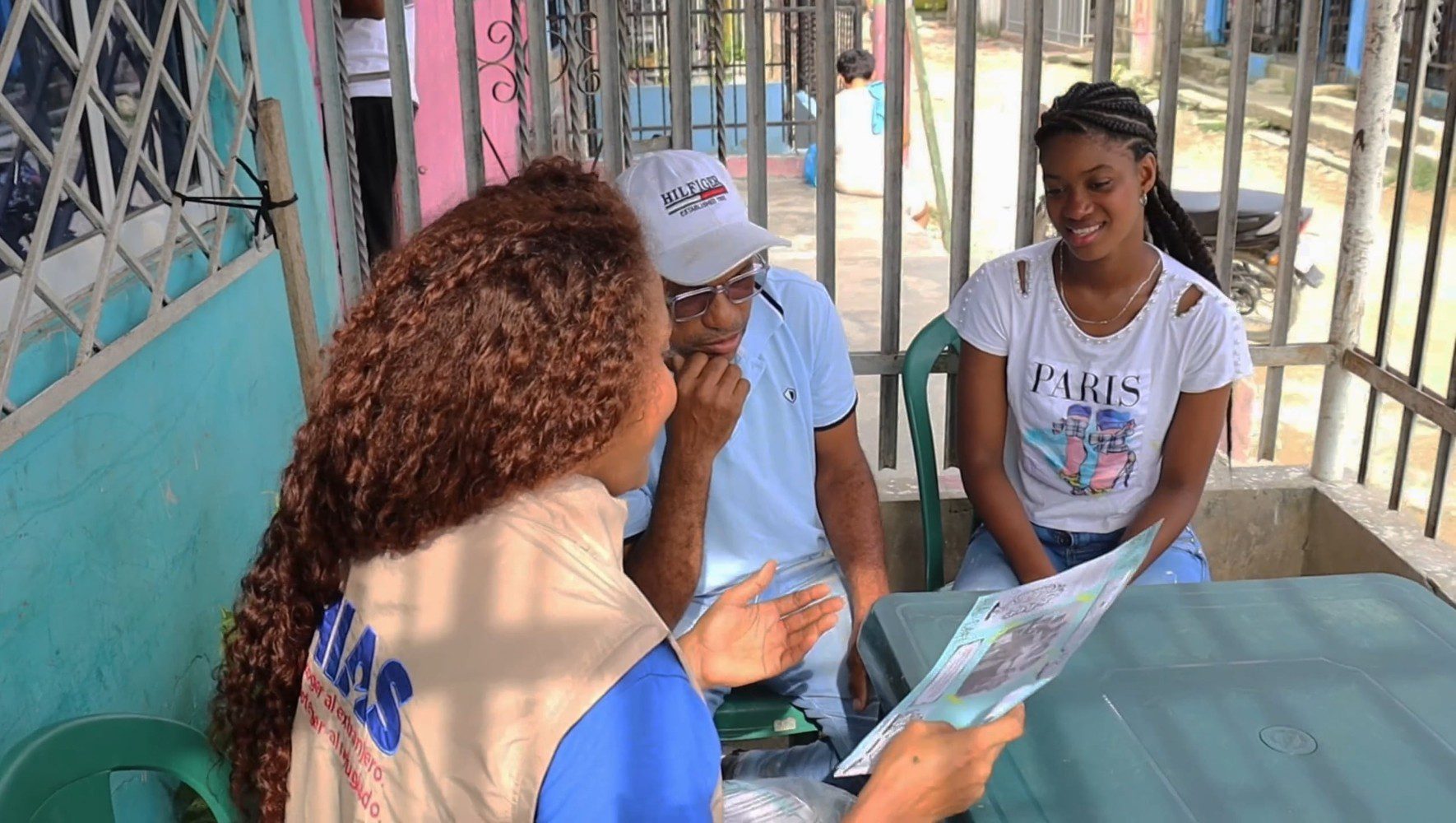
In Ukraine, the struggle of the Roma community highlights the specific vulnerabilities of minority groups during wartime. Anna, a mother of three who lacks formal literacy, represents the millions of displaced people who are often invisible to traditional aid frameworks. Through HIAS’s partnership with Power of a Woman, Anna received "dignity kits" and violence-prevention training, ensuring that her safety and basic human needs were prioritized in a landscape of scarcity.
Aziel: Economic Stability and Agency
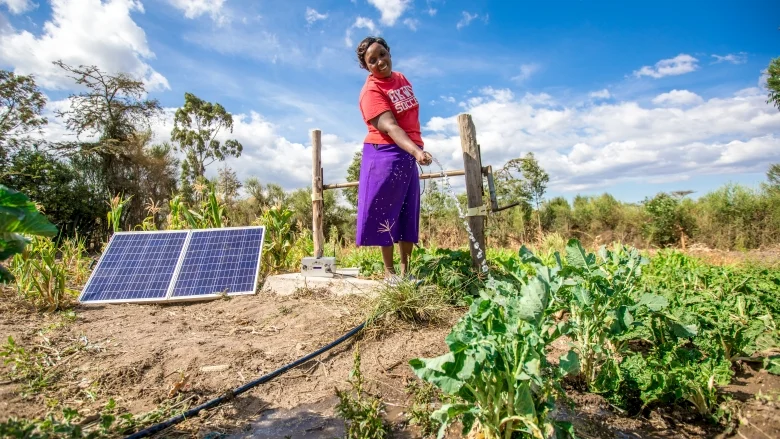
In Ecuador, the story of Aziel and the INTIVA agribusiness collective provides a model for sustainable development. By merging entrepreneurship training with psychosocial support, HIAS Ecuador has helped women-led collectives move beyond temporary survival strategies toward long-term financial independence. This initiative proves that when refugees are given the tools to generate income, they do not just "cope"—they contribute to the economies of their host communities.
Supporting Data: The Global Landscape
The urgency of these efforts is supported by the data of the mid-2020s. While regional figures fluctuate, the macro-trend is one of rising displacement. According to international reports, the number of people forcibly displaced by persecution, conflict, and violence has reached levels unseen since the aftermath of the Second World War.
- Economic Barriers: Refugees in host countries frequently report that 70% of their initial stress stems from the lack of access to local labor markets.
- The "Double Burden": Programs targeting women, such as the agribusiness initiatives in Ecuador and the mental health support in Kenya, have seen a 40% increase in participant self-reported confidence levels within the first six months of engagement.
- Reunification Success: Legal advocacy efforts, such as those that reunited Fon with his family, are vital; however, wait times for family reunification remain a primary cause of secondary mental health crises for refugees.
Official Responses and the Call to Action
International humanitarian organizations, including HIAS and its partners, continue to call for a renewed commitment to the principles of the 1951 Convention. The official position of the humanitarian sector is clear: the current "ad-hoc" approach to displacement is unsustainable.
"We are not merely helping people survive; we are helping them reclaim their agency," noted a spokesperson for HIAS. "When we provide legal counsel, we are upholding the rule of law. When we provide mental health services, we are safeguarding the future of the next generation. When we support entrepreneurs, we are investing in local stability."
However, these efforts face a funding gap that threatens to stall progress. The intersection of economic downturns in host nations and a rise in xenophobic rhetoric creates a challenging political environment for humanitarian aid. Despite this, the resilience of those being served remains a powerful counter-narrative.
Implications: Building a Sustainable Future
The implications for the next decade are significant. If the global community fails to provide safe, legal, and orderly pathways for displaced persons, the reliance on irregular and dangerous routes—like the Darién Gap—will continue to grow.
True integration requires:
- Investment in Local Infrastructure: Strengthening the capacity of host nations to provide public services to both refugees and local residents.
- Psychosocial Integration: Normalizing mental health support as a standard, rather than optional, component of refugee aid.
- Educational and Economic Access: Removing barriers that prevent displaced people from contributing their skills to their new communities.
As we look toward the future, the stories of Fon, Linah, Naide, Anna, and Aziel serve as a mandate. They are not merely recipients of aid; they are architects of their own recovery. Their resilience is a testament to the human spirit, but their continued success depends on the collective will of the international community.
"One can never lose hope; one always has to fight for something," says Naide. Her words echo the sentiment of millions. On this World Refugee Day, the call is simple: to honor the promise of 1951, we must do more than remember the past—we must actively secure the future for those who have lost everything but their courage.
To support refugees and displaced people as they rebuild their lives, consider donating to HIAS today. Your contribution directly funds legal services, mental health care, and economic empowerment programs that change lives.

 Nana Muazin
 Pevita Pearce