

 Nila Kartika Wati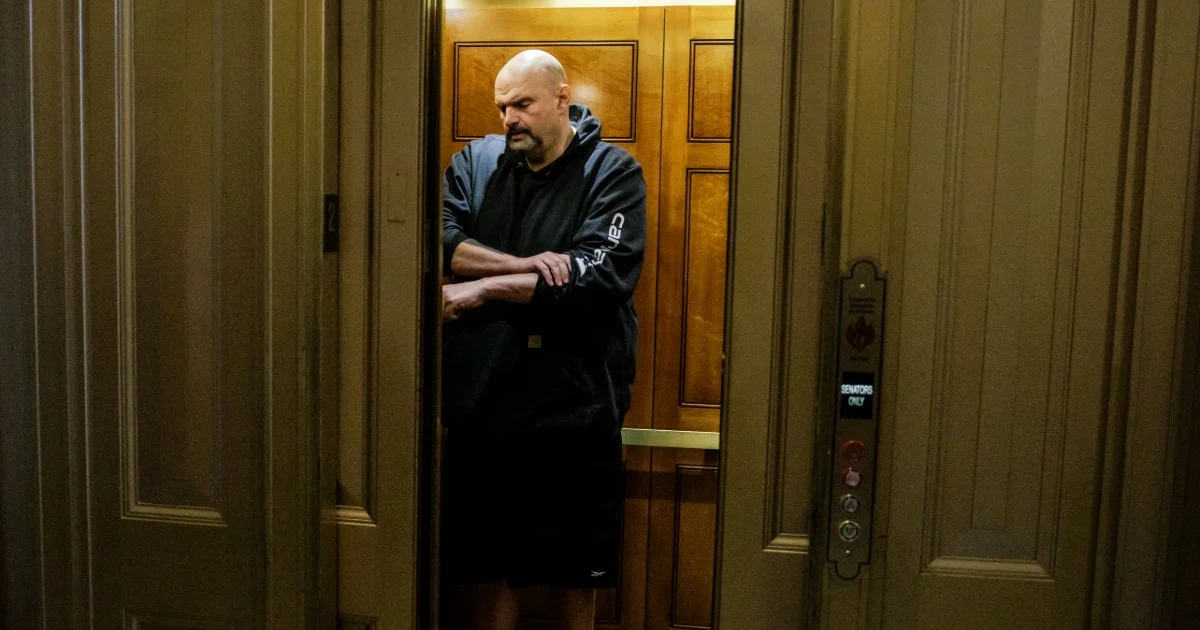
The United States Senate, once hailed as the "world’s greatest deliberative body," has increasingly become a theater of the absurd, where institutional gridlock and the idiosyncrasies of individual senators take precedence over the legislative needs of the nation. The publication of two recent memoirs—Unfettered by John Fetterman and Dead Center: In Defense of Common Sense by Joe Manchin—serves as a stark reminder of how our political system has granted outsized, often destructive, influence to individuals who operate without the guardrails of genuine party discipline or mass accountability.
These books, while diverging in tone and ideological branding, reveal the rot at the core of the modern Senate. Whether through Joe Manchin’s performative "common sense" or John Fetterman’s volatile, stream-of-consciousness populism, both figures represent the triumph of the individual ego over the collective project of governance.
The Anatomy of a Legislative Standoff
The public’s perception of the contemporary Senate is perhaps best captured by the surreal "SHORTS" (Show Our Respect to the Senate) Act. In late 2023, the chamber descended into a performative firestorm when freshman Senator John Fetterman began appearing on the floor in hoodies and gym shorts. The backlash was swift and uniquely bureaucratic; led by West Virginia’s Joe Manchin, the Senate passed its first-ever formal dress code mandate.
Fetterman’s response—tweeting a meme of actor Kevin James—encapsulated the ethos of the modern political celebrity: irony replacing discourse. Yet, beneath the petty squabbling over sartorial standards lies a more profound, structural conflict. The Senate, with its baked-in disproportionality and reliance on minoritarian procedural hurdles like the filibuster, has become a chamber where personality-driven obstruction is a feature, not a bug.
Chronology of Influence: From Power Brokers to Polarized Outsiders
To understand the current state of the Senate, one must look at the trajectories of its most idiosyncratic members over the last decade.
- 2010–2015: Joe Manchin establishes himself as the quintessential "moderate" kingmaker, leveraging West Virginia’s conservative leanings to exert disproportionate influence over the Democratic caucus.
- 2016: The Bernie Sanders insurgency reshapes the Democratic base, creating the electoral conditions for outsiders like John Fetterman to rise through the ranks, first as Mayor of Braddock, then as Lieutenant Governor.
- 2021–2022: The narrow Democratic majority grants Manchin and Senator Kyrsten Sinema veto power over the Build Back Better (BBB) agenda. Manchin effectively kills the bill, citing inflation concerns, eventually replacing it with the Inflation Reduction Act.
- 2023: Fetterman enters the Senate, initially heralded as a working-class firebrand. Following a stroke and a period of intensive inpatient care, his political orientation shifts, characterized by volatile shifts in policy support—most notably regarding the conflict in Gaza—and a noted withdrawal from the Senate caucus.
- 2024–2025: Both Manchin and Fetterman publish their respective memoirs, effectively cementing their roles as "mavericks" in an increasingly atomized political landscape.
Procedural Nostalgia vs. The Reality of Gridlock
Joe Manchin’s Dead Center is a study in selective memory and institutional fetishism. Manchin frames his career as a noble crusade for "common sense," yet his defense of the filibuster is riddled with historical inaccuracies. He claims the filibuster is a pillar of the 1789 order, conveniently ignoring that the modern "veto" power of the minority did not solidify until the mid-twentieth century as a tool to block civil rights legislation.
Manchin’s memoir posits that the filibuster fosters "consensus." However, as history demonstrates, true consensus is the product of durable, governing majorities—the kind the New Deal era produced. Manchin’s nostalgia is for a bygone consensus that was often achieved through the suppression of minority voices, a reality he glosses over with folksy anecdotes about his grandfather and the West Virginia carpet trade. By prioritizing the "holy grail" of the filibuster over legislative efficacy, Manchin has helped ensure that the Senate remains the least effective legislative body in the developed world.

The Fragmented Ego: John Fetterman’s Unfettered
If Manchin’s memoir is a sedate, mechanical defense of proceduralism, Fetterman’s Unfettered is a chaotic, inward-looking account of a political career undergoing a crisis of identity. Fetterman, who once rode the wave of progressive, pro-labor enthusiasm, has morphed into a figure who seems to define his politics by the intensity of his personal vendettas.
The book is an exhausting exercise in grievance. Fetterman spends significant space attacking political rivals like Governor Josh Shapiro and venting about his perception in the media. When he attempts to integrate the voices of his family and staff, the result is a blur of ego and insecurity. The memoir does not resolve the questions raised by a 2024 New York Magazine profile, which suggested the Senator was struggling with his health and isolating himself from his own party. Instead, Fetterman chooses to blame his political struggles on a "woke mob" and, ultimately, his controversial stance on Israel. His vision for American reindustrialization—an "envy of the world" scenario—is presented without a roadmap, divorced from the legislative reality that his own party must navigate.
Implications for Future Governance
The rise of the "Maverick Senator" is a symptom of a political system that has hollowed out the foundations of mass-membership party organizations. Without robust grassroots organizations to hold elected officials accountable, the Democratic Party has become a fundraising machine that struggles to discipline its own members.
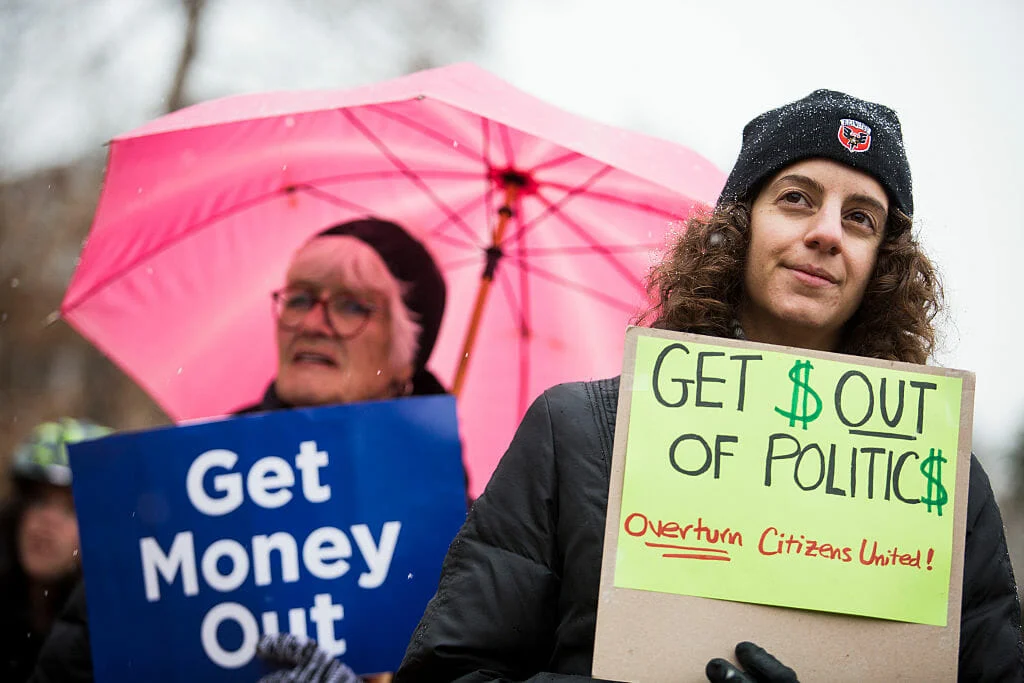
When activists confront Manchin or protesters follow Fetterman, the senators remain unmoved. They know that these activists represent organizations with little to no power to mobilize the electorate in a way that impacts their specific political survival. Manchin relied on Republican ticket-splitters; Fetterman relies on his brand as a singular, unfiltered entity.
The consequences for the American public are severe. If the Democratic Party achieves a trifecta in 2028, the risk remains that an ambitious agenda could be derailed not by the opposition party, but by a rogue member of the majority caucus who is accountable only to their own "maverick" impulses.
Conclusion: The Need for Structural Reform
The Senate’s dysfunction is not merely a result of bad actors; it is a product of perverse incentives. The chamber’s minoritarian rules have allowed individuals to prioritize their own fame and personal vendettas over the governing needs of the nation. As long as the Senate remains a place where personality-driven obstructionism is rewarded, the legislative process will continue to serve as a graveyard for policy.
True reform requires more than just abolishing the filibuster—though that is a necessary starting point. It requires the reconstruction of political parties that can act as coherent, disciplined vehicles for change. Until then, we are left reading the memoirs of individuals who, despite their claims of "common sense" or "authenticity," offer nothing more than the symptoms of a broken, atomized political order. The "mavericks" are not saving the Senate; they are merely the most visible manifestations of its decay.


 Asep Darmawan