

 Nila Kartika Wati
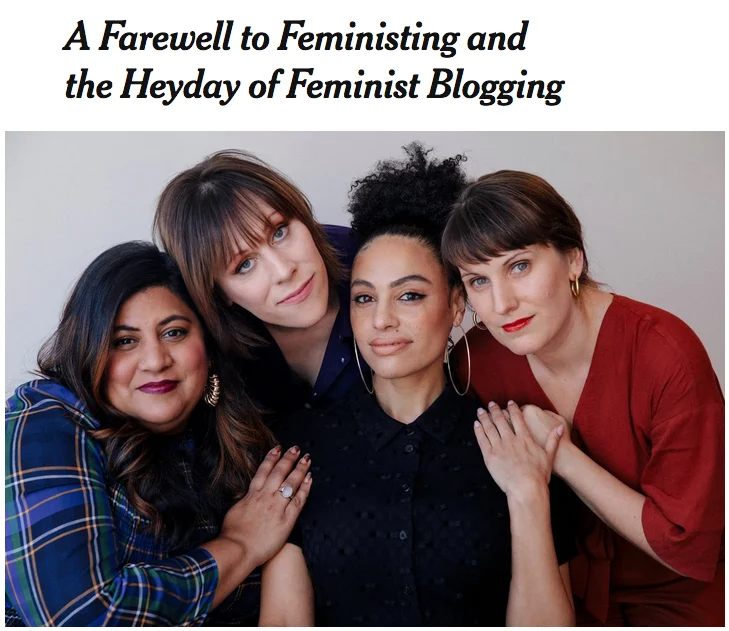
The digital media landscape suffered a significant loss this week as Feministing, the pioneering independent blog that helped define the intersectional feminist movement of the 21st century, officially announced it is ceasing operations. After fifteen years of producing bold, uncompromising, and deeply influential commentary, the site is closing its doors, marking the end of a transformative chapter in the history of independent online journalism.
The closure, while framed as a difficult necessity, serves as a stark case study in the broader challenges facing independent digital media in an era of intense corporate consolidation and shifting advertising revenue models.
The End of an Independent Voice: Main Facts
For a decade and a half, Feministing served as a critical hub for activists, thinkers, and young people seeking a space that did not shy away from the most pressing issues of the day. From campus sexual violence and reproductive justice to global colonialism and transgender rights, the site provided a consistent, unapologetic, and intersectional feminist lens on both pop culture and high-stakes politics.
At its height, the platform boasted an impressive 1.2 million unique monthly visitors. Despite this massive reach, the editorial team ultimately concluded that they could no longer sustain the site in a way that allowed for the fair compensation of their contributors. In a final statement, the collective cited the "corporatization of digital media" as the primary force pushing independent sites like theirs toward extinction.
"We ultimately couldn’t build a long-term funding model in today’s media environment that would allow us to compensate our team fairly for their valuable work," the team wrote in their farewell address. By refusing to sacrifice their editorial independence—or to merge with larger, more commercially-minded entities—the Feministing team chose to sunset the project rather than compromise the integrity that made it a household name in progressive circles.
A Chronology of a Digital Revolution
To understand the weight of Feministing’s closure, one must look at the digital landscape of the mid-2000s. Launched during the nascent era of blogging, the site was part of a burgeoning ecosystem of independent voices that challenged the gatekeeping of legacy media.
- 2004: Feministing is founded, emerging as a vital, grassroots reaction to the lack of youth-oriented, intersectional feminist spaces online.
- 2005–2010: The "Blog Boom." Feministing becomes a staple of political discourse, often driving national conversations on topics that mainstream outlets were hesitant to cover.
- 2011–2015: As social media began to fragment the attention economy, Feministing maintained its influence by fostering a robust community of writers and activists, many of whom were balancing the site’s demanding editorial schedule with full-time careers elsewhere.
- 2016–2019: The site grapples with the "corporate pivot." As venture capital flooded into media and algorithms began to favor large-scale platforms, maintaining a fully independent, volunteer-led model became increasingly untenable.
- December 2019: The site announces its closure, citing the structural shifts in the media industry that have claimed other storied outlets like The Toast, The Hairpin, and Bitch Media.
Supporting Data and the Cost of Independence
The challenges faced by Feministing are not unique; they are symptomatic of a systemic crisis in independent digital media. The transition from the "Wild West" of early blogging to the current era of platform-dependent journalism has left smaller, independent outlets struggling to survive.
The economics of the internet have shifted heavily in favor of large platforms that can capture vast amounts of user data, making it difficult for independent sites to secure reliable advertising revenue. Without the protection of venture capital or a massive corporate parent, many sites like Feministing were left to rely on a combination of reader support and the labor of activists who often performed editorial work as an extension of their personal advocacy.
The site’s legacy, however, is not defined by its revenue sheets, but by its reach. With over a million monthly readers at its peak, it served as a primary gateway to activism for an entire generation. It was a rare space where "controversial" topics were not avoided to please advertisers, but rather centered as the most important discussions of the day.
A Legacy of Leadership: The Alumni Pipeline
While the website is shutting down, the influence of Feministing is far from extinguished. One of the organization’s most profound achievements was the creation of a "pipeline of feminist thought leadership."
The list of Feministing alumni reads like a directory of modern progressive leaders. Former contributors have gone on to become:
- Media Executives: Leading major publications such as Teen Vogue.
- Authors and Analysts: Best-selling writers and political commentators cited in The New York Times, The Washington Post, and across national broadcast news.
- Activists and Organizers: The individuals leading national policy discussions and performing the essential, quiet work of grassroots advocacy.
- Podcasters: Creators behind award-winning series that continue to shape the cultural conversation.
By providing a platform for voices that were historically excluded from elite media institutions, Feministing effectively democratized the path to influence for women, people of color, and trans individuals.
Official Responses and the Final Hurrah
The news of the closure was met with an outpouring of tributes from across the media spectrum. The New York Times acknowledged the site’s departure as a significant turning point in the history of the blogosphere. In their own farewell, the Feministing team expressed profound gratitude to the community that made their fifteen-year run possible.
"We are incredibly grateful to have shared the early Internet with so many pioneering bloggers and activists—women, people of color, trans folk—who paved the way for today’s digital media landscape," the team noted. They specifically listed peer organizations—such as Jezebel, Crunk Feminist Collective, Black Girl Dangerous, and Talking Points Memo—that they viewed as comrades in the fight to reshape the media.
Despite the sadness surrounding the closure, the team is planning one final send-off. A reunion of the "extended Feministing family" is in the works, alongside plans to preserve the site’s archives. This ensures that the collective’s years of analysis, research, and grassroots reporting will remain accessible for future historians and activists.
Implications: What We Lose and What Remains
The closure of Feministing invites a broader reflection on what we lose when independent digital spaces vanish. In an era of increasing political polarization and "fake news," independent blogs served as essential filters for truth, community, and radical empathy.
When a site like Feministing closes, we lose more than just a URL; we lose a public archive of intellectual labor that was performed outside the constraints of corporate boardrooms. The shift toward closed, algorithmically-driven social media feeds makes it harder for the kind of long-form, intersectional analysis that Feministing pioneered to find a home.
However, the "Feministing effect" persists. The writers, editors, and community members who cut their teeth on the site remain active in the professional and activist spheres. The "pipeline" they created has fundamentally changed the media landscape, ensuring that even if the blog itself is gone, the, anti-racist, anti-capitalist, and feminist values it championed continue to influence the discourse in newsrooms, legislatures, and social movements worldwide.
As the team noted in their final sign-off: "We’ll see you in the streets." The blog may be logging off, but the movement it helped build has clearly only just begun.

 Muslim

 Reynand Wu






