


 Laily UPN
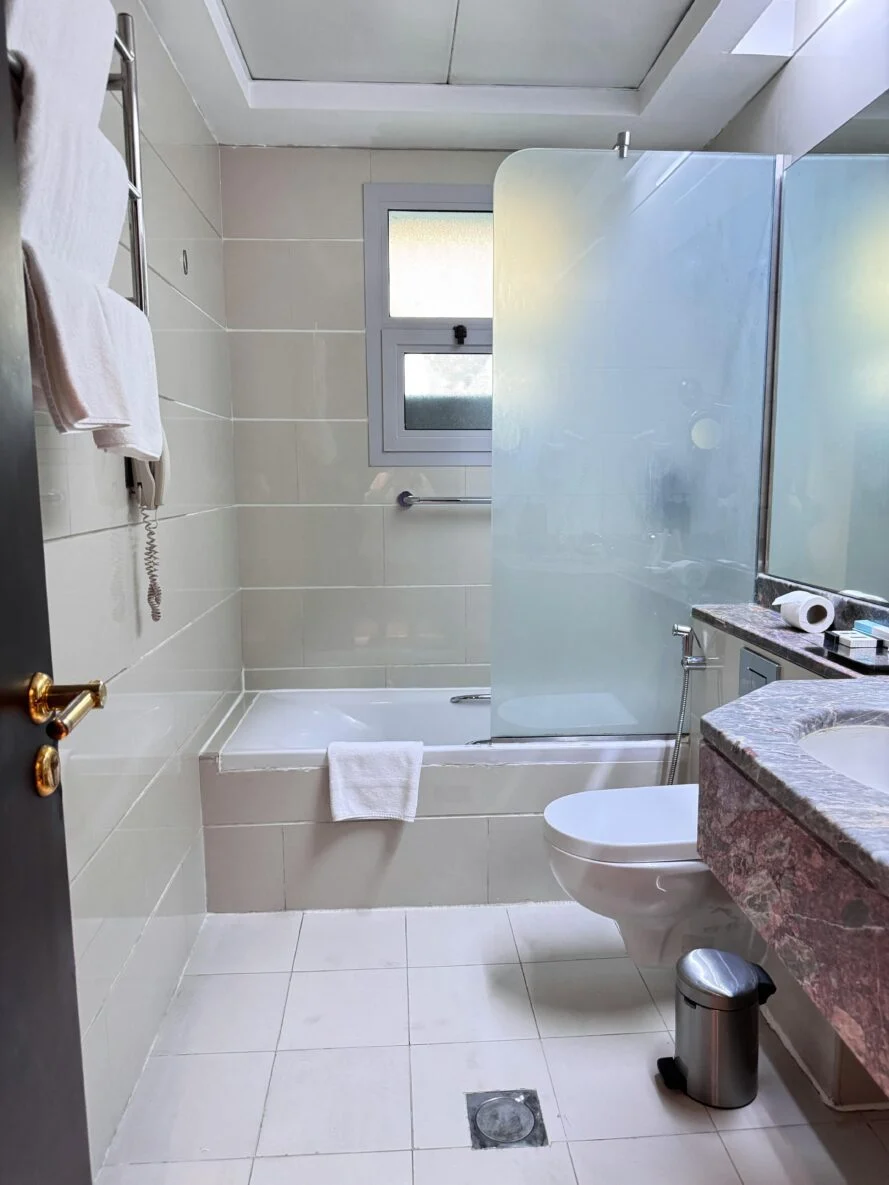
In the world of architectural design, a long-standing tension exists between "form" and "function." Traditionally, materials are chosen for their structural integrity or their aesthetic appeal, but rarely do the two converge as seamlessly as they do in the realm of reflective surfaces. From the soaring glass skyscrapers of Manhattan to the high-tech sterile environments of pharmaceutical laboratories, reflective materials—most notably high-grade stainless steel—are redefining how humans interact with the built environment.
What was once dismissed as a mere "finish" or a decorative flourish is now recognized as a critical tool for lighting efficiency, spatial psychology, and public health. This report explores the evolution, science, and future implications of reflective materials in the 21st century.
Main Facts: The Functional Edge of Reflective Surfaces
The adoption of reflective materials in modern design is driven by four primary functional pillars: light amplification, spatial optimization, hygiene, and durability.
- Light Amplification: Reflective surfaces act as passive lighting systems. By bouncing natural and artificial light into deeper recesses of a building, they reduce the "lumen debt" of a room. This minimizes the reliance on electrical lighting, contributing to lower operational costs and a reduced carbon footprint.
- Spatial Perception: In urban environments where square footage is at a premium, reflective materials provide a psychological solution to physical constraints. Through the illusion of depth, they mitigate the negative effects of claustrophobia in high-density living and working spaces.
- Pathogen Resistance: Unlike porous materials like wood or certain stones, polished reflective metals—specifically stainless steel—offer a non-porous surface that inhibits the growth of bacteria and biofilms. This makes them indispensable in the post-pandemic design landscape.
- Material Longevity: Reflective metals are often highly resistant to corrosion and UV degradation. While a painted surface might require a refresh every five years, a polished stainless steel sheet can maintain its structural and aesthetic integrity for decades.
Chronology: The Evolution of Reflection in Design
The human fascination with reflective surfaces dates back millennia, but its transition from luxury to utility has followed a distinct historical arc.
- Ancient Foundations (Circa 3000 BCE – 1500 CE): Early use of reflective materials was purely ceremonial or personal. Polished bronze and obsidian were used by Egyptians and Aztecs. In architecture, reflection was rare, limited to still pools of water in Persian gardens designed to cool the air and provide visual symmetry.
- The Industrial Revolution and the Rise of Glass (18th – 19th Century): The invention of the Bessemer process and advancements in plate glass manufacturing allowed architects to experiment with light. The Crystal Palace (1851) in London marked a turning point, demonstrating how light and reflection could create a "cathedral of the future."
- The Modernist Movement (1920s – 1960s): Architects like Mies van der Rohe and Le Corbusier embraced the "International Style," utilizing glass and chrome to blur the lines between interior and exterior. Reflection became a tool for transparency and lightness.
- The High-Tech and Post-Modern Era (1970s – 2000s): The development of specialized alloys and coatings allowed for the creation of "mirrored" skyscrapers. While aesthetically striking, some early designs faced criticism for creating "death rays" (concentrated solar reflections), leading to more sophisticated, diffused reflective technologies.
- The Contemporary Functionalist Era (2010 – Present): Today, reflection is utilized with surgical precision. Designers use sheets of stainless steel, perforated metals, and polished resins not just for "glamour," but to solve specific engineering challenges, such as heat regulation and acoustic management.
Supporting Data: The Science of Reflection and Efficiency
To understand why reflective materials are gaining traction, one must look at the empirical data regarding energy and hygiene.
The Albedo Effect and Energy Savings
In architectural terms, "albedo" refers to the measure of how much solar energy a surface reflects. Standard dark roofing materials have a low albedo, absorbing up to 90% of solar radiation and contributing to the "Urban Heat Island" effect. Conversely, highly reflective "cool roofs" and light-colored stainless steel cladding can reflect up to 80% of solar radiation. According to data from the Department of Energy, buildings utilizing reflective surfaces on their exterior can reduce peak cooling demand by 10% to 15%.

The Microbiology of Surfaces
A study published in the Journal of Hospital Infection highlights the importance of surface topography in hygiene. Textured or porous surfaces provide microscopic "valleys" where pathogens can hide from cleaning agents. Polished stainless steel, measured by its "Surface Roughness" (Ra) value, can be manufactured to be so smooth that bacteria cannot gain a foothold. This is why stainless steel remains the global standard for surgical suites and commercial kitchens.
Psychological Impact of Natural Light
Research in environmental psychology suggests that "borrowed light"—light reflected from one space into another—has a direct impact on cortisol levels and productivity. Employees working in offices with high levels of natural light (facilitated by reflective interior panels) report a 15% increase in productivity and a significant reduction in eye strain compared to those in environments dominated by artificial, direct lighting.
Official Responses and Expert Perspectives
Industry leaders across architecture and public health are increasingly vocal about the transition toward high-performance reflective materials.
The Architectural Perspective:
"We are moving away from reflection as a ‘vanity’ choice," says Elena Rossi, a lead consultant at a top-tier London firm. "When we specify polished stainless steel for a transit hub, we aren’t thinking about how it looks in a magazine. We are thinking about how that material will survive 50 million commuters, how it will reflect safety signage to be more visible, and how it will help the cleaning crews sanitize the area in half the time."
The Environmental Standards:
The U.S. Green Building Council (USGBC), through its LEED certification program, now offers credits for "Heat Island Reduction" and "Daylight Optimization." Reflective materials are a primary pathway to achieving these credits. Officials note that the recyclability of metals like stainless steel (which is 100% recyclable) adds a "circular economy" benefit that traditional mirrors or coated plastics cannot match.
The Manufacturing Sector:
Suppliers of industrial materials, such as those producing sheets of stainless steel, have noted a shift in demand. "We’ve seen a 30% uptick in requests for ‘Mirror Finish’ and ‘Bright Annealed’ finishes for interior applications," says a spokesperson for Austral Wright Metals. "Architects are no longer just putting these in the kitchen; they are using them for wall cladding, elevator interiors, and ceiling baffles because they realize the material is essentially indestructible compared to drywall or paint."

Implications: The Future of the "Reflective City"
As urban populations continue to swell, the implications of reflective material use will only grow in significance.
Combating Climate Change
The most critical implication is the role of reflection in climate adaptation. As global temperatures rise, "Reflective Urbanism" may become a survival strategy. By cladding buildings in materials that reflect rather than absorb heat, cities can lower ambient temperatures, reducing the strain on power grids and protecting vulnerable populations from heatwaves.
The Evolution of Smart Materials
The next frontier involves "adaptive reflectivity." Research is currently underway into materials that can change their reflective properties based on the angle of the sun or the temperature of the building. This would allow a structure to be highly reflective in the summer (to reject heat) and more absorptive in the winter (to retain it).
Redefining Public Health
In the wake of global health crises, the "sanitizable city" is a major topic of discussion. We can expect to see a replacement of high-touch wooden and plastic surfaces in public parks, malls, and offices with polished, antimicrobial metals. The "functional edge" of reflection will move from being a design preference to a public safety requirement.
Final Thoughts
The narrative of reflective materials is shifting from one of superficiality to one of essential utility. While the aesthetic "wow factor" of a shimmering stainless steel facade or a glossy interior panel will always have its place, the true value of these materials lies in what they do when no one is looking.
By amplifying light, creating the illusion of space, ensuring hygiene, and providing unmatched durability, reflective surfaces have earned their status as a cornerstone of modern, sustainable architecture. As we look toward a future defined by resource scarcity and environmental challenges, the ability to do more with less—to use a single material to solve multiple problems—is not just good design; it is a necessity. The "pretty surface" has finally proven that it has the functional depth to back up its shine.


 Lina Irawan

 Nila Kartika Wati