


 Lina Irawan
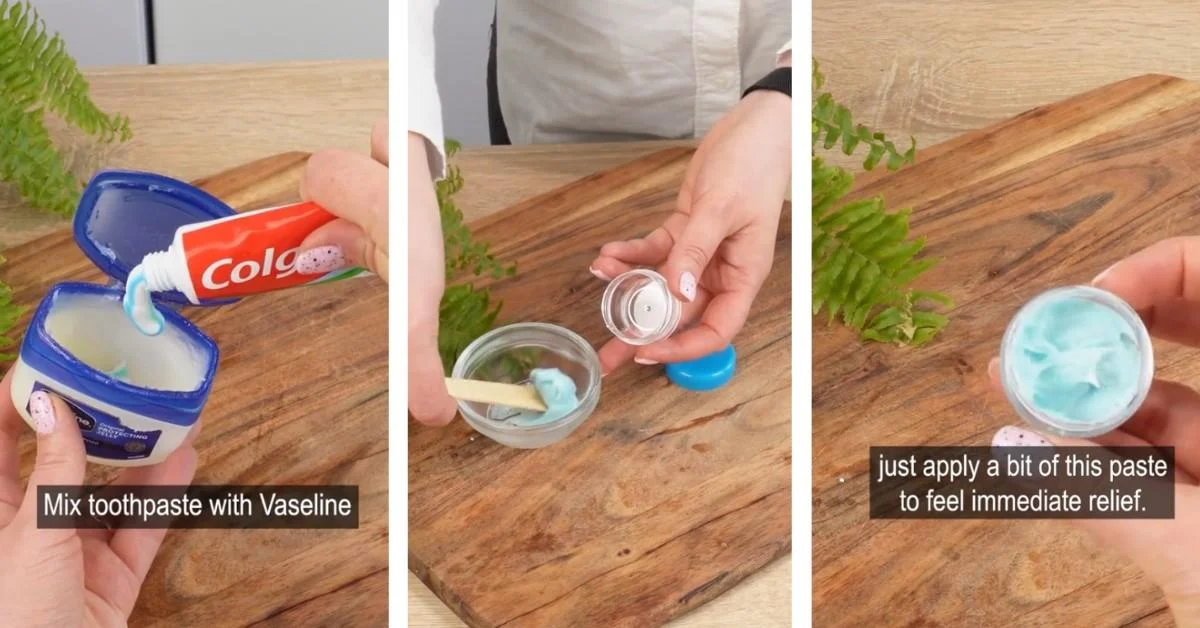
In the ever-evolving landscape of online beauty trends, a peculiar concoction has recently captured the internet’s attention: the mixing of toothpaste and Vaseline. Promoted through ubiquitous clickbait advertisements and viral social media videos, this DIY beauty balm promises a miraculous solution to a myriad of skin concerns. But beyond the alluring claims and visual appeal, what truly happens when these common household items are combined, and is this trend grounded in any scientific efficacy? This article delves into the origins of this trend, examines the properties of its components, explores the purported benefits, and consults with experts to discern the reality behind the viral sensation.
The Genesis of a Viral Sensation: From Doom Scrolling to DIY Dreams
The digital age has gifted us with an unprecedented accessibility to information and, consequently, to trends. For those who find themselves engrossed in late-night online browsing sessions, the barrage of advertisements is an unavoidable reality. Among these, a recurring theme has emerged: enigmatic questions hinting at a revolutionary beauty secret. "Do you know what happens when you mix toothpaste and Vaseline?" these ads tantalizingly pose, sparking curiosity and inviting users to discover the purported wonders of this unconventional blend.
This phenomenon is not an isolated incident but rather a symptom of a broader cultural fascination with DIY beauty treatments. In an era where personalized wellness and cost-effective solutions are highly valued, the allure of transforming everyday household items into potent skincare remedies is undeniable. The simplicity of the alleged recipe – combining equal parts of two readily available products – further amplifies its appeal, making it an accessible experiment for anyone with a desire to enhance their complexion.
The proliferation of these "hacks" is largely fueled by platforms like TikTok and Instagram, where short-form videos can rapidly disseminate information, both accurate and anecdotal. The visual medium allows for demonstrations, before-and-after scenarios (often fabricated or misleading), and the enthusiastic endorsements of influencers, all contributing to the viral spread of these trends. This article aims to cut through the online noise and provide a grounded, evidence-based exploration of the toothpaste and Vaseline concoction.
Deconstructing the Components: Vaseline and Toothpaste in the Skincare Arena
To understand the potential outcomes of combining Vaseline and toothpaste, it is crucial to examine the individual properties and established uses of each ingredient in the realm of skincare.
Vaseline: The Enduring Ointment
Vaseline, the brand name for petroleum jelly, is a derivative of the oil refining process. While its origins are tied to a fossil fuel byproduct, it has remained a steadfast staple in medicine cabinets for generations, lauded for its occlusive properties.
- Occlusive Barrier: Vaseline’s primary function is to create a physical barrier on the skin’s surface. This barrier effectively locks in moisture, preventing transepidermal water loss (TEWL). This makes it an excellent choice for protecting and healing dry, chapped skin, minor burns, and cuts.
- "Slugging": In recent years, the practice of "slugging" – applying a thick layer of petroleum jelly or similar occlusive products to the face overnight – has surged in popularity. Proponents claim it enhances skin hydration, aids in the recovery from harsh topical treatments, and creates a smoother, more supple complexion.
- Petroleum Jelly’s Environmental Footprint: It is important to acknowledge that petroleum jelly is derived from petroleum, a non-renewable resource. The extraction and refining of petroleum contribute to greenhouse gas emissions, a significant factor in climate change. For environmentally conscious consumers, exploring petroleum-free alternatives is a viable option.
Despite its environmental considerations, Vaseline’s long-standing efficacy in providing a protective and moisturizing layer has cemented its place in many skincare routines.
Toothpaste: An Unexpected Skincare Contender?
Toothpaste, primarily formulated for oral hygiene, contains a diverse array of ingredients, many of which are not intended for direct application to the skin. Its inclusion in DIY skincare is often attributed to certain components that are perceived to have beneficial properties.
- Abrasive Properties: Many toothpastes contain mild abrasives like silica or calcium carbonate, which help to scrub away plaque and stains from teeth. Some individuals have leveraged this abrasive quality, believing it can act as a gentle exfoliant for the skin, particularly for targeting acne.
- Antimicrobial Agents: Certain toothpaste formulations include ingredients like triclosan (though its use is increasingly restricted) or fluoride, which possess antimicrobial properties. These have led some to believe toothpaste can effectively combat acne-causing bacteria.
- Drying Agents: Ingredients such as alcohol or baking soda, sometimes found in toothpaste, can have a drying effect. This is often the rationale behind using toothpaste to "zap" pimples, aiming to quickly dry out the blemish.
- Potential Irritants: However, toothpaste is not formulated for sensitive facial skin. Ingredients like menthol, artificial sweeteners, and flavoring agents can cause irritation, redness, and even allergic reactions when applied topically. The high pH of many toothpastes can also disrupt the skin’s natural barrier.
The use of toothpaste on the skin is a practice rooted in anecdotal evidence and often overlooks the potential for adverse reactions due to its formulation for a completely different purpose.
The Fusion: What Happens When Vaseline Meets Toothpaste?
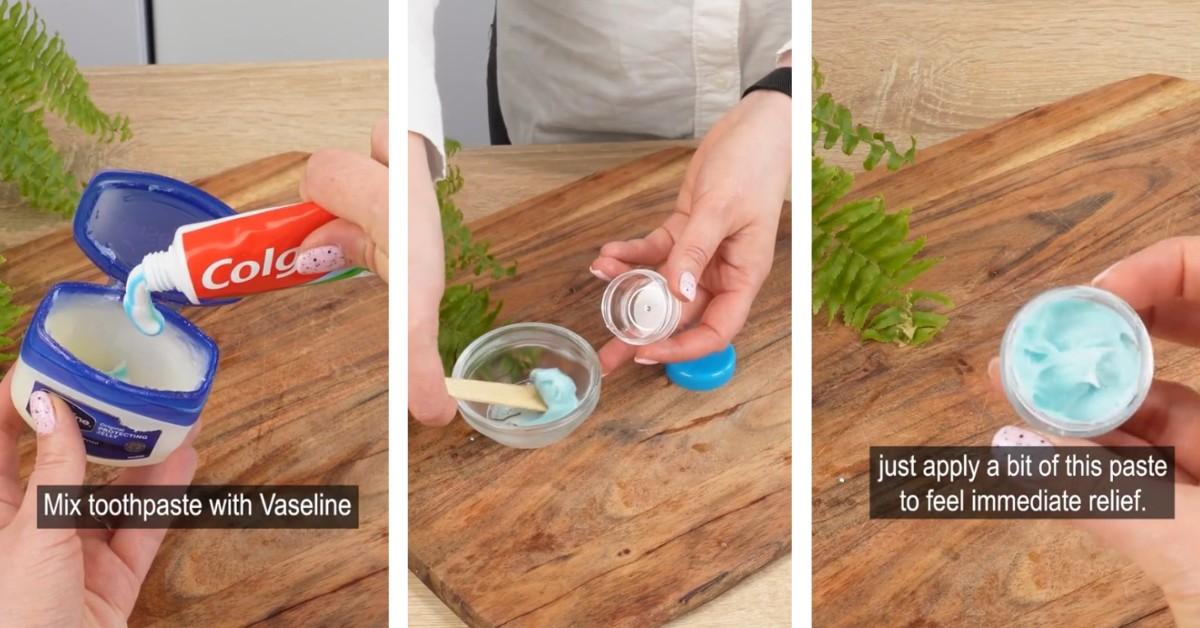
The viral trend suggests that combining Vaseline and toothpaste creates a synergistic "beauty balm" that amplifies the benefits of each ingredient. The purported method involves mixing equal parts of the two into a container, resulting in a thicker, creamier consistency than either ingredient alone.
The Claims vs. The Reality: Debunking the Myth
Online narratives often present this mixture as a powerful solution, capable of:
- Treating Acne: The abrasive and potentially antimicrobial properties of toothpaste are believed to work in tandem with Vaseline’s occlusive nature to clear blemishes.
- Exfoliating and Softening Skin: The combination is suggested to offer both gentle exfoliation and intense moisturization, leading to smoother, softer skin.
- Brightening Complexions: Some claims even extend to the idea of brightening the skin and reducing dark spots.
However, the scientific consensus and expert opinions largely contradict these enthusiastic assertions.
- Diminished Efficacy: According to user discussions on platforms like Quora, mixing Vaseline and toothpaste may actually render both ingredients less effective. The very properties that make toothpaste appealing for spot treatments – its abrasiveness and drying agents – are significantly diluted and neutralized when combined with the emollient and occlusive nature of Vaseline.
- Loss of Abrasive Power: The gritty texture of toothpaste, crucial for its exfoliating action, becomes significantly smoothed out and softened by the petroleum jelly. This means the intended exfoliation is likely to be minimal, if present at all.
- Compromised Drying Effect: Similarly, the drying agents in toothpaste are effectively trapped and buffered by the Vaseline, negating their ability to rapidly dehydrate a pimple. Instead of drying out a blemish, the mixture might simply create a greasy coating over it.
- Moisture Barrier Overload: While Vaseline excels at creating a moisture barrier, adding toothpaste does not inherently enhance this function. In fact, if the toothpaste contains irritating ingredients, it could potentially compromise the skin’s barrier rather than reinforce it.
- The Minty Illusion: The only readily apparent benefit that might be enhanced is the minty fragrance, which could offer a temporary sensation of freshness. However, this is purely sensory and does not translate to actual skincare improvement.
The core issue lies in the fundamental incompatibility of the ingredients’ intended functions and chemical compositions. Toothpaste is designed for the harsh environment of the mouth, while Vaseline is a simple occlusive agent. Their combination does not create a novel, potent skincare compound; rather, it dilutes their individual strengths and introduces potential risks.
Expert Perspectives: A Call for Targeted Solutions
When confronted with the viral toothpaste and Vaseline hack, dermatologists and skincare professionals generally advise caution and emphasize the importance of using products specifically formulated for skincare needs.
- No Scientific Basis: Experts widely agree that there is no scientific evidence to support the claims that mixing toothpaste and Vaseline yields superior skincare results. The notion that their properties are amplified when combined is a misconception.
- Potential for Irritation and Adverse Reactions: Dr. Hadley King, a dermatologist, has pointed out that ingredients in toothpaste, such as menthol, sodium lauryl sulfate, and flavorings, can be highly irritating to the skin, leading to redness, inflammation, and contact dermatitis. The occlusive nature of Vaseline could potentially trap these irritants against the skin, exacerbating the problem.
- Undermining Specific Treatments: While both toothpaste and Vaseline have individual, albeit limited, applications in skincare (e.g., toothpaste for occasional spot treatment of a pimple, Vaseline for severe dryness or as a slugging agent), their combination does not offer a broader or more effective solution. Skincare concerns like acne, hyperpigmentation, or dryness are best addressed with targeted treatments that have undergone rigorous testing and formulation for safety and efficacy.
- The Allure of Simplicity vs. Efficacy: Skincare professionals acknowledge the appeal of simple, accessible DIY solutions. However, they stress that efficacy and safety should be the primary considerations. Relying on unverified "hacks" can lead to disappointment, wasted effort, and potentially harmful side effects.
- The Rise of Specialized Formulations: The beauty industry has evolved significantly, offering a vast array of products designed to address specific skin concerns with carefully selected and tested ingredients. From acne treatments with salicylic acid and benzoyl peroxide to moisturizers with hyaluronic acid and ceramides, these formulations are backed by scientific research and are far more likely to deliver desired results than a haphazard mixture of household items.
Ultimately, the consensus among experts is that while Vaseline itself can be a beneficial occlusive agent when used appropriately, and toothpaste has a very limited and risky application for spot treatments, their fusion does not create a magic bullet. For effective and safe skincare, it is always recommended to consult with a dermatologist or opt for products specifically designed for your skin’s needs.
Implications and the Future of Viral Beauty Trends
The toothpaste and Vaseline hack, like many before it, serves as a compelling case study in the power of social media to disseminate information and shape consumer behavior. Its virality highlights several key implications:
- The Democratization of Information (and Misinformation): The internet has empowered individuals to share their experiences and "discoveries," leading to a rapid spread of information. However, this democratization also means that misinformation can spread just as quickly as factual content. The lack of rigorous vetting processes on many platforms makes it challenging for consumers to discern reliable advice from anecdotal claims.
- The Psychological Appeal of Simple Solutions: In a world where complex problems often require nuanced and long-term solutions, the allure of a quick, easy fix is powerful. DIY beauty hacks, especially those using readily available items, tap into this desire for immediate gratification and a sense of empowerment.
- The Importance of Critical Thinking and Media Literacy: The toothpaste and Vaseline trend underscores the critical need for consumers to approach online trends with a healthy dose of skepticism. Developing media literacy skills, cross-referencing information with credible sources, and consulting with professionals are essential in navigating the digital information landscape.
- The Evolving Role of Influencers: Social media influencers play a significant role in popularizing these trends. While some influencers are responsible and well-informed, others may promote trends without fully understanding their implications or without disclosing potential risks. Transparency and ethical considerations are paramount in this space.
- A Call for Education and Responsible Marketing: The prevalence of such trends also places a responsibility on beauty brands and educational institutions to promote accurate skincare knowledge. Responsible marketing practices that prioritize education over sensationalism are crucial in guiding consumers towards safe and effective choices.
In conclusion, the toothpaste and Vaseline beauty hack, while intriguing on the surface, ultimately lacks scientific backing and carries the potential for skin irritation. While the internet continues to churn out novel trends, a discerning approach, informed by expert advice and a commitment to critical thinking, remains the most effective strategy for achieving healthy, radiant skin. The allure of a viral sensation should not overshadow the fundamental principles of skincare: understanding your skin’s needs and utilizing products specifically designed to meet them.


 Jia Lissa

 Suro Senen