




 Ali Ikhwan
By [Your Name/News Outlet Name]
[Date of Publication]
A subtle yet significant transformation is underway in the way we shop, and by 2028, the changes might be palpable in your everyday grocery runs. Imagine reaching for your favorite fruit only to find it nestled in a cardboard box instead of a plastic clamshell, or ordering takeout and receiving your salad in a compostable fiber bowl. These shifts, seemingly minor, are the ripple effects of California’s landmark packaging law, Senate Bill 54 (SB 54), whose finalized regulations began taking effect in May 2026.
This legislative overhaul, designed to tackle the pervasive issue of plastic waste, isn’t confined to the Golden State. Manufacturers, aiming for efficiency and anticipating broader regulatory trends, are increasingly reformulating their packaging for a national, if not global, market. Simultaneously, environmental advocates are pushing for even more stringent measures, with organizations like Oceana, NRDC, and Californians Against Waste Foundation filing lawsuits to address perceived loopholes in the finalized regulations. Their concerns highlight a crucial ongoing debate: ensuring that the law effectively curbs problematic plastics and doesn’t succumb to industry-driven exemptions.
The Scale of the Plastic Predicament: A Foundation for Change
To truly grasp the transformative nature of SB 54, one must first understand the sheer magnitude of the plastic waste crisis it aims to address. For decades, plastic has been the ubiquitous choice for packaging, lauded for its affordability, durability, and lightness. However, this widespread adoption has inadvertently fueled a monumental waste problem.
According to the U.S. Environmental Protection Agency (EPA), the trend is alarming. In 2018, plastic waste constituted a staggering 12.2% of all municipal solid waste generated in the United States, a stark contrast to a mere 0.4% in 1960. Packaging, being largely single-use, is a significant contributor to this escalating issue. Greenprint data reveals that a substantial 36% of all manufactured plastic is dedicated to packaging, with a disheartening 85% of this material ultimately destined for landfills.
It is within this context that California enacted SB 54. The law’s ambitious core objectives are twofold: to achieve a 25% reduction in single-use plastic by 2032 and to ensure that all single-use packaging sold within the state is either recyclable or compostable.
The engine driving these profound changes is the principle of Extended Producer Responsibility (EPR). In essence, EPR shifts the financial burden of waste management from taxpayers and local governments to the very companies that produce the packaging. This creates a powerful economic incentive for producers to not only minimize packaging but also to design it for easier recycling and to actively avoid materials that pose environmental challenges.
Unpacking the Future: Materials Poised for Transformation
SB 54’s broad requirements for recyclability, compostability, and source reduction are already exerting pressure on difficult-to-recycle and problematic materials. While some packaging types, like expanded polystyrene (EPS) food service ware, are already subject to restrictions, others are expected to undergo significant redesign, replacement, or phase-down as producers strive to meet the 2032 targets.
Category 1: The Demise of Polystyrene Foam
Expanded polystyrene (EPS), commonly recognized by the brand name "Styrofoam," has been a pervasive presence in everything from takeout containers and single-use coffee cups to protective packaging blocks. California has already moved to prohibit the sale, distribution, and import of EPS food service ware. The material’s composition, largely air, makes it costly to transport, and its tendency to break into small, contaminating pieces poses a significant challenge for recycling streams. Furthermore, research has linked styrene, a key component of polystyrene, to increased health risks, including lymphoma and leukemia.
The market is already responding with readily available alternatives. Molded fiber containers, akin to those used in egg cartons, along with cardboard and other paper-based options, are increasingly filling the void left by EPS.
Category 2: The End of Black Plastic Food Packaging
The dark hue of certain plastic food packaging, from microwaveable meal trays to the bases of takeout sushi containers and some produce trays, presents a unique recycling hurdle. Modern recycling facilities rely on near-infrared (NIR) optical sorters to identify and separate plastics. However, the carbon black pigment used to achieve these deep colors absorbs NIR light, rendering them undetectable to these machines. Consequently, these items are automatically rejected and sent to landfills.
In the coming years, consumers can anticipate a shift towards clear or light-colored polyethylene terephthalate (PET) plastic containers, which are easily identifiable by sorters and hold significant recycling value. Aluminum and fiber-based trays are also likely to become more prevalent.
Category 3: Moving Beyond PVC Clamshells and Blister Packs
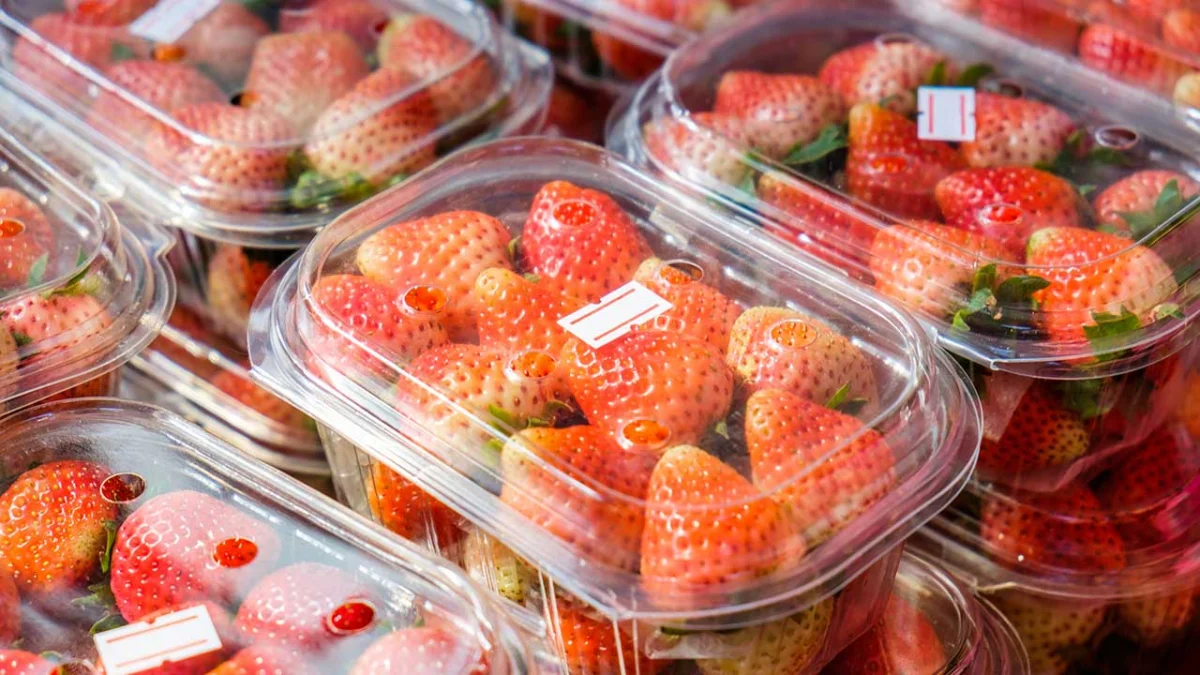
Polyvinyl chloride (PVC), or vinyl, a rigid plastic often employed in clear clamshells for produce and baked goods, as well as in blister packs for consumer products, faces significant scrutiny under SB 54. PVC is a major contaminant in the PET recycling stream; even small amounts can render entire batches of PET unusable. Moreover, the additives used to make PVC flexible raise health concerns, with phthalates, often present in PVC, linked to chronic conditions such as diabetes and infertility.
The industry is responding with a push for clamshells made from recycled PET (rPET), which offer a visually similar alternative that is more readily recyclable. Molded pulp and simple cardboard packaging are also emerging as viable replacements.
Category 4: Eliminating Oxo-Degradable Plastics
Oxo-degradable plastics, conventional plastics infused with additives designed to break them down into smaller fragments when exposed to heat or sunlight, are often marketed with vague "eco-friendly" or "degradable" claims. However, these materials are not truly biodegradable. Instead of decomposing into harmless organic matter, they fragment into microplastics, creating a pervasive and challenging form of pollution. SB 54’s ban on these plastics directly combats misleading marketing, reinforcing the need for rigorous scientific standards for any product claiming biodegradability.
A New Look for Our Aisles: Product Categories Undergoing Change
Beyond specific material bans, SB 54’s emphasis on source reduction and enhanced recyclability will reshape the appearance and feel of packaging across nearly every supermarket aisle.
1. The Fresh Produce Section
The prevalence of plastic clamshells, single-use plastic bags for greens, and foam trays wrapped in plastic film is set to diminish. Ventilated cardboard boxes and molded fiber punnets are poised to replace clamshells, while foam trays will likely be phased out in favor of recyclable cardboard alternatives. Stores may also transition to paper bags for loose produce, with reusable mesh bags potentially offered for purchase. Consumers should also anticipate potential shifts in pricing and availability as brands and retailers adapt to these new material requirements.
2. Prepared Foods and Deli Counters
The sea of clear plastic containers for items like potato salads, soups, and pre-made meals will likely give way to fiber-based bowls and containers. These may feature a thin, plant-based, compostable polylactic acid (PLA) lining for wet foods, with lids transitioning to compostable versions or more easily recyclable plastic types. It’s important for consumers to note that these fiber containers may not maintain food freshness as effectively as their airtight plastic predecessors, and transferring leftovers to reusable containers at home may become a more common practice. These transitions are expected between 2028 and 2030.
3. Personal Care Products
While virgin plastic bottles, tubes, and jars will likely remain a staple in health and beauty aisles, a noticeable change will be the labeling. Expect to see more prominent declarations like "made with X recycled plastic." California’s existing packaging rules already mandate a 25% postconsumer material compliance option for certain rigid plastic packaging containers. SB 54 amplifies this pressure, requiring covered packaging to be recyclable or compostable and meet escalating recycling rate targets by 2032. Brands will have a grace period between 2027 and 2032 to gradually transition their products. Innovative solutions like in-store refill stations and concentrated pods for at-home mixing with water in reusable bottles are also gaining traction, offering a significant reduction in single-use plastics.
4. Takeout and Food Service
The assorted packaging that often accompanies takeout orders, from foam containers to non-recyclable black plastic bowls, is being standardized. Restaurants will be heavily incentivized to adopt packaging that is either widely recyclable, such as aluminum foil containers, or certified as commercially compostable, like unlined fiber containers. This shift aims to eliminate the guesswork in disposal, providing clearer and more reliable instructions for consumers.
5. Online Shopping Packaging
The practice of using excessive air pillows, bubble wrap, or foam peanuts for shipping small items is being targeted. The law aims to curb this "void fill" waste, with a dramatic shift towards paper-based interior packaging. Expect crumpled kraft paper, die-cut cardboard inserts, and other easily recyclable materials that can be disposed of with the shipping box itself. While some major retailers have voluntarily initiated this transition, SB 54 makes it mandatory for all companies shipping products to or within California, with full compliance anticipated by 2032.
The SB 54 Timeline: A Phased Approach to Change
The comprehensive changes mandated by SB 54 will not occur overnight. The law outlines a multiyear roadmap for producers to adapt. Key deadlines provide a framework for understanding when these shifts will become visible on store shelves:
- May 1, 2026: Permanent regulations take effect. Producers were required to register with the Circular Action Alliance, CalRecycle, or claim a small producer exemption by June 1. Shoppers may initially see corporate announcements about packaging redesigns rather than immediate changes on shelves.
- January 1, 2027: Full program implementation begins. Single-use plastic packaging must decrease by 10% below the 2023 baseline. Producers not part of an approved plan will be unable to sell covered materials in California, and mitigation fund payments will commence. Consumers might notice thinner, lighter packaging and reduced secondary packaging elements like sleeves and window films.
- January 1, 2028: A critical milestone is reached: 30% of covered single-use plastic packaging and food service ware must actually be recycled, not just be recyclable. Shoppers will likely see a noticeable shift towards materials that recycling equipment can easily identify, such as clear or light-colored PET, molded fiber, aluminum, and cardboard.
- January 1, 2030: The recycling rate target increases to 40%, and source reduction efforts must reach 20%. This period is expected to see refill stations, concentrate pods, and returnable container systems move from pilot programs to more widespread offerings.
- January 1, 2032: All three final targets come into effect: 25% source reduction, a 65% recycling rate, and 100% of covered packaging must be recyclable or compostable. By this date, the full impact of the law should be visible across store shelves, with potential for regulators to establish even stricter targets.
It is important to note that expanded polystyrene food service ware has been prohibited in California since January 1, 2025, following the industry’s failure to demonstrate a 25% recycling rate. While CalRecycle’s final regulations are currently facing legal challenges, which could lead to adjustments, the overarching direction of the law remains clear.
Empowering Consumers: Your Role in the Transition
While SB 54 places primary responsibility on producers, consumers play a pivotal role in driving this transition. Informed shopping choices send powerful market signals that can accelerate the adoption of more sustainable packaging.
1. Identifying Compliant Packaging
Look for clear labeling that signifies progress. Phrases like "100% recycled content" or specific "how to recycle" instructions are valuable indicators. For items claiming compostability, seek official certification logos. The ASTM D6400 standard, verified by organizations like the National Sanitation Foundation (NSF), indicates that a plastic is biodegradable under the high-heat conditions of municipal or industrial composting facilities. Be skeptical of vague claims like "eco-friendly" or "biodegradable" without accompanying certification.
2. Supporting Brands Embracing Change
Every purchase is a vote. By choosing products from companies proactively adopting sustainable packaging, consumers directly support these practices. Many manufacturers are already publicizing their efforts to meet and exceed new standards, with companies like Faerch committed to producing CPET trays with significant recycled content and global brands like Unilever updating their packaging processes around reduction and collaboration.
3. Navigating Disposal During the Transition
Recyclability is often local. A package’s technical recyclability is meaningless if local facilities lack the infrastructure or end-market to process it. Consumers should consult their local city or waste hauler’s website for specific material acceptance guidelines. Compostable items are designed for commercial facilities and will not break down in landfills or backyard compost piles. If commercial composting isn’t available, these items currently belong in the trash.
4. Advocating for Better Implementation
For communities lacking robust recycling or commercial composting services, voicing support for investment in these areas to local representatives is crucial for achieving the law’s goals. State bodies like CalRecycle offer public comment periods as they refine regulations, providing an avenue for citizens to encourage strong enforcement and prevent industry loopholes.
The Ripple Effect: Other States Watching California
SB 54 is not an isolated legislative act; it’s part of a growing national momentum toward addressing plastic waste and implementing producer responsibility.
States with Similar Legislation in Progress
Several states are following California’s lead, either having passed or actively considering similar EPR laws for packaging. New York is a prominent example, with a proposed bill centered on EPR, signaling a similar policy direction on the East Coast. In the Pacific Northwest, Oregon’s Recycling Modernization Act encourages manufacturers to use sustainable materials by making them financially responsible for recycling system improvements. States like Colorado, Maine, and Vermont have also enacted their own forms of packaging EPR.
The Power of Interstate Coordination
For companies operating across all 50 states, managing disparate packaging requirements and fees presents a significant logistical and financial challenge. Designing a single package that adheres to the strictest regulations, such as those in California, and then using it nationwide is far more efficient. This market reality means that California’s law effectively sets a national benchmark. Furthermore, the harmonization of similar laws in states like California, Oregon, and Washington could lead to the emergence of a powerful "West Coast" standard, further pressuring national brands to adopt high-standard packaging universally.
Federal Inaction Fuels State Action
The absence of a unified federal EPR framework for packaging has spurred states to create their own regulations, resulting in a fragmented landscape of state-level policies. The National Conference of State Legislatures notes that states like California, Colorado, Maine, Maryland, and Oregon have already enacted packaging EPR legislation, compelling producers to navigate a complex state-by-state policy environment.
Navigating the Greenwashing Maze
As companies adapt to SB 54, consumers must remain vigilant against misleading environmental claims, a practice known as "greenwashing."
1. Material Switching Without True Solutions
Be wary of companies replacing banned materials with new ones that possess their own set of environmental drawbacks. "Bioplastics," derived from renewable resources, sound promising but require scrutiny regarding the full environmental impact of crop cultivation, processing, and end-of-life disposal. Some certified compostable bags have been found to contain more chemical additives than conventional plastics, exhibiting toxicity to marine plankton.
2. The Peril of False Equivalencies
A paper coffee cup, for instance, might appear recyclable, but its invisible plastic lining makes it a mixed material that most paper recycling facilities cannot process. Claims of "biodegradability" can be technically true in a lab setting but practically meaningless in the oxygen-deprived environment of a modern landfill.
3. The Importance of Third-Party Certifications
Cutting through marketing jargon requires looking for logos from independent, third-party organizations that have verified claims against rigorous scientific standards. For compostable products, the Biodegradable Products Institute (BPI) logo is the gold standard in North America, confirming breakdown in commercial facilities. The How2Recycle label provides clear instructions on package recyclability.
4. Asking the Right Questions
Consumers should not hesitate to ask brands for specific information regarding their packaging. Inquiries about the percentage of post-consumer recycled content, the recyclability of specific components, and adherence to composting standards are essential for obtaining genuine answers.
The Long-Term Vision: Towards a Circular Economy
SB 54 aims to fundamentally redefine California’s relationship with single-use packaging, fostering a circular economy where waste is designed out.
2032 Targets and Beyond
By 2032, the law aims for a 25% reduction in the total amount of plastic packaging sold and a 65% recycling or composting rate for all remaining packaging. Achieving a 65% recycling rate for packaging is a significant undertaking, given the historically low rates for plastics, often in the single digits. Challenges in sorting, contamination, and a lack of stable end-markets contribute to this reality. The law includes provisions for regulators to set even stricter targets in the future, potentially pushing for higher recycling rates or further reductions in plastic use.
Infrastructure Investments Fueled by EPR Fees
The EPR fees collected from producers will create a substantial annual fund dedicated to system improvements. A significant portion of this money will be allocated to cities and counties for upgrading material recovery facilities (MRFs) with advanced sorting equipment and robotics, thereby capturing more materials. These funds will also support the expansion of commercial composting programs, facilitating the proper disposal of compostable food service ware.
Expected Behavioral Shifts
The ultimate goal is to make sustainable choices the default, effortless option for consumers. This could include the widespread adoption of durable, reusable containers for food service, professional washing, and reuse. For household products, the vision is a shift away from single-use bottles towards refillable systems or concentrate pods, minimizing the need for virgin plastic.
A Circular Economy Redefined
In a true circular system, waste is eliminated by design. Products and packaging are intentionally created to be easily disassembled and either recycled back into the same product or safely composted back into the earth. SB 54 embodies this long-term vision, establishing a paradigm where producers bear full responsibility for the entire lifecycle of their products, keeping valuable materials within the economy and out of landfills and oceans.
The changes being implemented in California offer a preview of a nationwide trend. Consumer choices and feedback will play a critical role in shaping the pace and effectiveness of this transition. By making informed decisions on shopping trips, reducing overall consumption, and prioritizing reuse, consumers can actively contribute to this crucial shift towards a more sustainable future.


 Nana Wu

 Asro






