



 Sagoh
Introduction: From Garden Plots to Global Policy
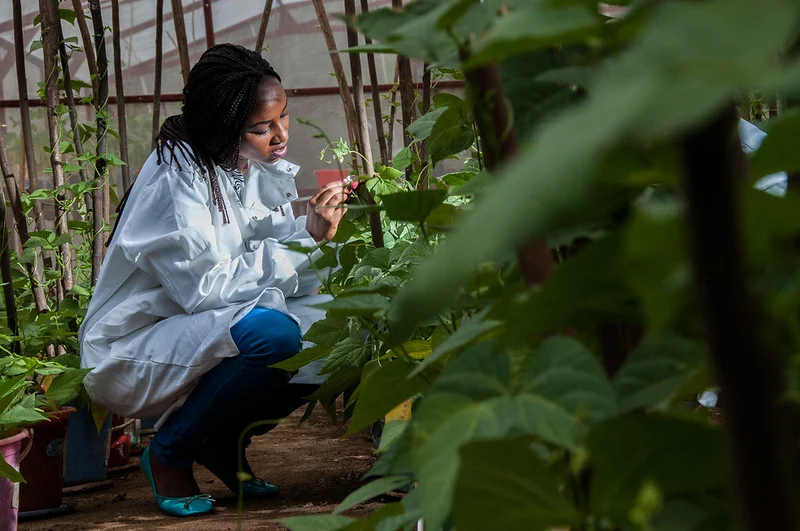
For many, the fascination with agriculture begins in the soil. It starts with the tactile wonder of a seed, the vibrant chaos of a garden, and the silent, intricate biology of growth. For the researcher behind this narrative, it began on a childhood farm, where a small plot of land served as a laboratory for color and form. That curiosity, initially sparked by the visual diversity of flowers, eventually evolved into a professional career in plant biotechnology.
Today, that same individual stands at the intersection of genetic science and humanitarian advocacy, championing the "International Year of the Woman Farmer." This initiative is not merely a symbolic gesture; it is a call to reconcile the disconnect between the high-tech, controlled environment of the modern greenhouse and the rugged, unpredictable reality of the smallholder farm. As the world faces a climate crisis and a burgeoning food security challenge, the role of women in agriculture has moved from the periphery to the center of global survival.
Chronology: The Evolution of a Scientific Passion
The journey from a childhood curiosity to a career in biotechnology is illustrative of how mentorship and scientific discovery can shape the trajectory of global food systems.
- The Early Years: The initial spark of interest was rooted in the visual world—the desire to cultivate the most colorful flowers possible. This curiosity was untutored but persistent, characterized by the collection of seeds in old candy boxes and a burgeoning obsession with botanical morphology.
- The "Mendel" Moment: The shift from amateur enthusiast to professional scientist occurred in a classroom, guided by a female science teacher. It was here that the complexities of plant variety were demystified, linked back to the fundamental principles of DNA and Gregor Mendel’s historic pea experiments. This was the moment a lifelong pursuit was defined.
- The Academic and Professional Path: Armed with a name for the questions they had been asking, the researcher pursued plant biotechnology. This period involved rigorous academic training, focusing on how genetics influence plant behavior under stress.
- Field-Testing the Theory: The transition from academic theory to practical application was marked by work in tropical maize and genome-editing technology. It was here that the researcher learned the most vital lesson of their career: a technically impressive plant is useless if it cannot survive the harsh, unmanaged conditions of a real-world field.
Supporting Data: The Economic Imperative
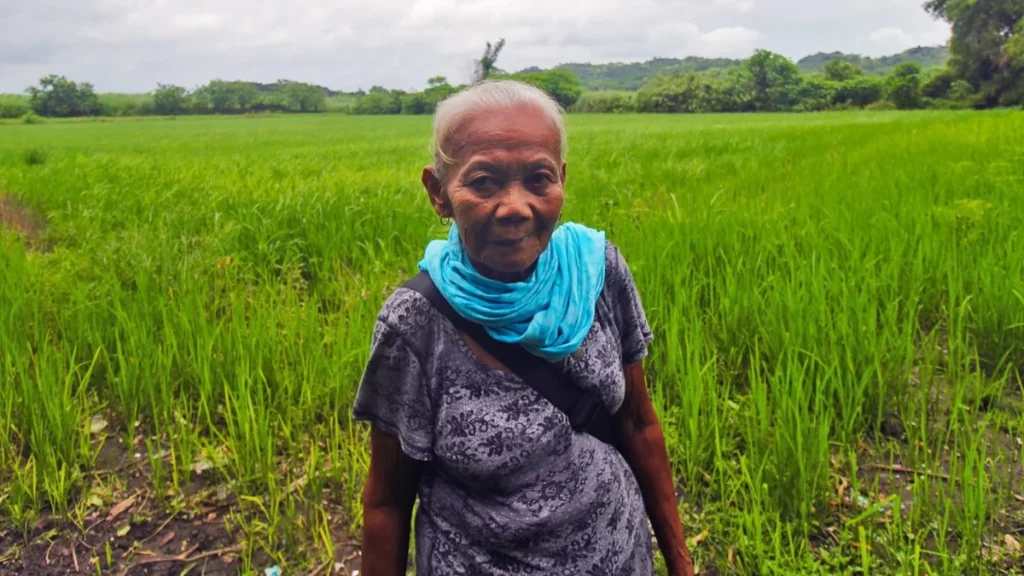
The "International Year of the Woman Farmer" is backed by stark economic data that underscores a massive, untapped potential. According to recent findings from the Food and Agriculture Organization (FAO), the scale of women’s contribution to agrifood systems is profound, yet the barriers to their success remain systemic and severe.
The Sub-Saharan Reality
In sub-Saharan Africa, 76% of working women are employed within agrifood systems. Despite this overwhelming participation, they operate within a framework of scarcity. They face persistent, structural gaps in access to:
- Land Tenure: Secure ownership remains elusive, preventing long-term investment in soil health and infrastructure.
- Financial Services: Limited access to credit markets restricts the purchase of high-quality seeds, fertilizers, and equipment.
- Technology and Extension Services: Modern agricultural knowledge and tools are often distributed through channels that ignore or exclude female farmers.
The $53 Billion Opportunity
The FAO estimates that closing the productivity and wage gaps for women in this region could add approximately $53 billion to the regional GDP. Beyond the macroeconomic gains, this shift would drastically reduce food insecurity. These numbers illustrate that this is not merely a question of social justice or moral recognition; it is an economic imperative. The challenge is to provide women with the tools and opportunities to perform the work they are already doing, but on fairer, more productive terms.
The Role of Crop Science: Bridging the Greenhouse-Field Gap
Crop science serves as a critical bridge between the harsh realities of climate change and the need for food stability. However, the application of this science must be nuanced.
Fine-Tuning Resilience
Genetics cannot stop a heatwave or end a drought, but it can widen the margin of success for a farmer. Current research is shifting away from broad, blunt-force genetic interventions toward the identification of precise "regulatory switches" within plants. By fine-tuning these specific genes, scientists can enhance drought and heat resilience without sacrificing yield or local adaptability.
The Translation Key
The most significant hurdle in modern biotechnology is the "translation gap." Research historically occurs in sterile, highly controlled greenhouses, while the food is grown in fields subject to unpredictable pest pressures, erratic weather, and variable soil quality.
The researcher emphasizes that "a technically impressive plant is not necessarily a useful crop." To be effective, genome-editing technology must account for the reality of the end-user. If a drought-tolerant variety requires conditions the farmer cannot maintain, or if it lacks the specific characteristics valued in local markets, the technology will fail. Bridging this gap requires researchers to step out of the lab and into the fields, working in tandem with the women who make the day-to-day decisions regarding which crops to plant and which seeds to save.
Implications: Building a Sustainable Future
If the International Year of the Woman Farmer is to be a turning point, it must result in more than just awareness. It must translate into a fundamental restructuring of how agricultural innovation is funded and disseminated.
Beyond Serendipity
The researcher highlights a crucial truth: progress cannot depend on luck. While serendipity plays a role in scientific breakthroughs, institutional support is the bedrock of long-term success. If the goal is to see more women leading research programs, managing large-scale farms, and driving agricultural business, the barriers to entry must be dismantled.
This requires a multifaceted approach:
- Investment: Direct capital into projects that prioritize female-led cooperatives and smallholder farms.
- Education and Mindset: Shifting the narrative of agriculture from a "subsistence" activity to a high-tech, entrepreneurial career path for young women.
- Policy Reform: Ensuring that legislative frameworks provide women with the same land rights and access to credit as their male counterparts.
- Application-Driven Research: Prioritizing research that is tested against real-world application rather than just theoretical potential.
A Call to Action
The International Year of the Woman Farmer represents a rare opportunity to pause and evaluate the systemic flaws in our global food production chain. By recognizing that the hands which feed the world are often those most restricted by society, we can begin to design better policies.
The focus must shift from merely acknowledging women’s roles to empowering their agency. We need programs that provide the freedom to pursue innovative ideas, the infrastructure to scale those ideas, and the security to protect the fruits of that labor.
As the researcher aptly concludes, "Let it be more than awareness. Make it count." The future of food security is not just in the labs of the elite; it is in the hands of the women who have been the primary stewards of the land for generations. It is time to ensure that their tools match their ambition and that their contribution is met with the investment it deserves.
This is not a year to reflect on how far we have come, but a year to accelerate the progress that is long overdue. The science is ready; the farmers are ready; the question remains whether the global community is ready to provide the equity required to feed a changing world.


 Asep Darmawan
 Lina Irawan






