

 Lina Irawan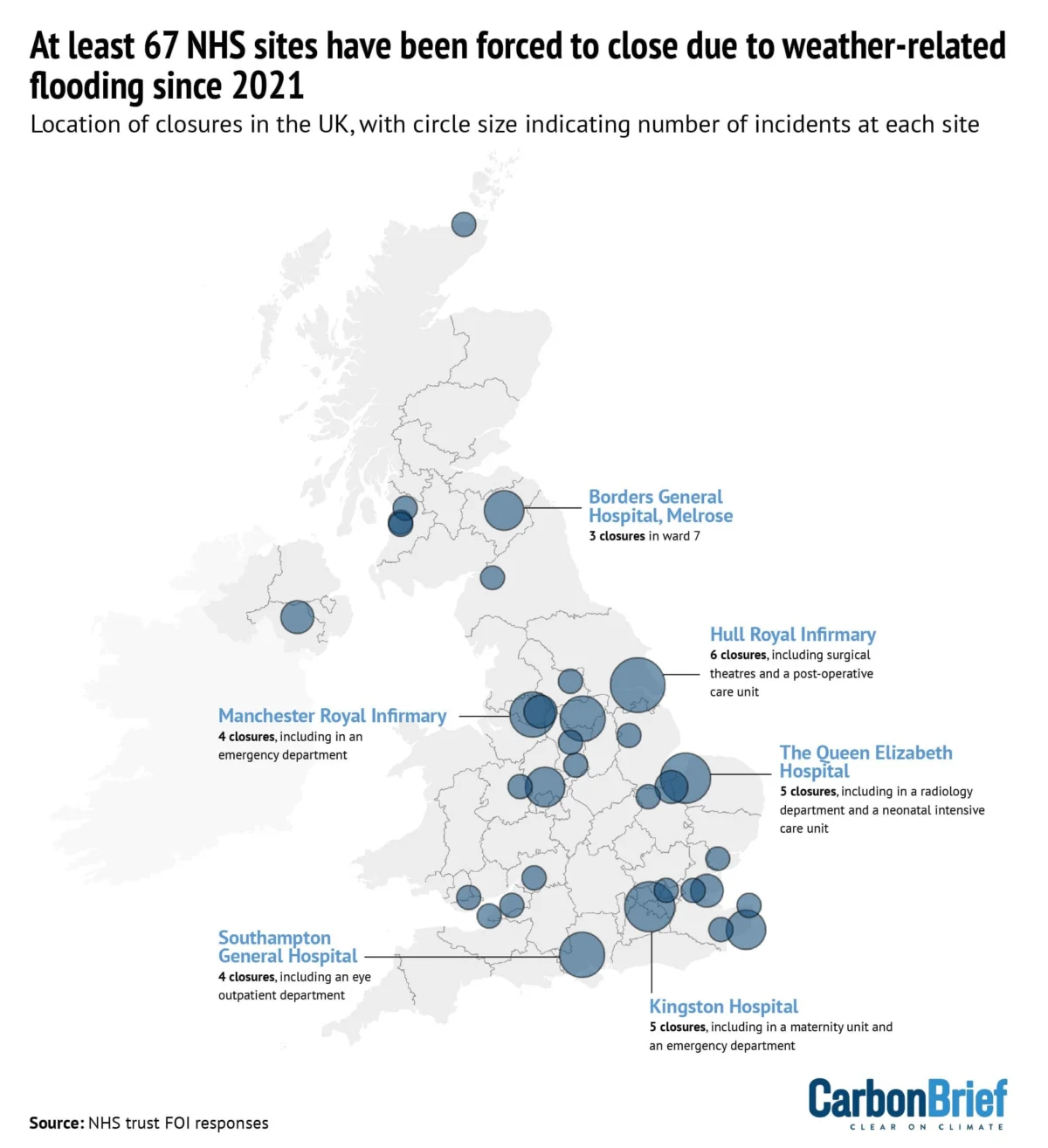
Welcome to this week’s edition of Carbon Brief’s DeBriefed, your essential guide to the most significant developments in the global climate landscape. This week, we examine the devastating human cost of record-breaking heatwaves across three continents and explore how emerging economies are looking toward renewable mini-grids to secure their energy futures.
1. Main Facts: A Planet Pushing Its Limits
The past week has provided a harrowing snapshot of a planet in the grip of accelerating climate change. From the historic, record-breaking temperatures in Europe to the deadly, stifling heatwaves across the Indian subcontinent, the climate crisis has shifted from a long-term projection to a present-day reality.
In Europe, May has been defined by what meteorologists describe as "mind-boggling" temperature anomalies. The UK, historically synonymous with temperate weather, experienced a series of record-shattering days, marking the second time in just 24 hours that century-old temperature records were breached. Simultaneously, France and Portugal recorded unprecedented spikes, with southern Portugal hitting a blistering 40.3°C.
In India, the situation has taken a more tragic turn. A brutal heatwave across the states of Andhra Pradesh and Telangana has claimed more than 100 lives in just 72 hours, overwhelming local health infrastructure and exposing the fragility of power grids already strained by record-breaking electricity demand.
As temperatures rise, the human response is shifting. In the UK alone, the number of households installing air conditioning has doubled over the last three years—a clear indicator of how the nation is adapting to a "new normal" that was once considered unimaginable in Northern Europe.
2. Chronology: The Week of Fire
- Monday: Southern France reports temperatures hitting 36°C, as the heatwave begins its northward march across the continent.
- Tuesday: The UK experiences a historic milestone, smashing a century-old temperature record for the second time in a single 24-hour cycle.
- Wednesday: Portugal records a staggering 40.3°C, setting a national record for the month of May. Meanwhile, reports emerge from Italy regarding widespread power outages in Turin as the electrical grid struggles to cope with the surge in cooling demand.
- Thursday: The death toll in India’s Andhra Pradesh and Telangana states surpasses 100, prompting urgent government health advisories to avoid outdoor exposure.
- Friday: Global analysts highlight the dual nature of these events: the physical toll of extreme heat and the economic instability caused by record-high energy demands and infrastructure failure.
3. Supporting Data: The Rising Cost of Comfort and Chaos
The data emerging from this week’s events tells a story of both adaptation and vulnerability:
- The AC Shift: In the UK, there are now 4 million homes equipped with air conditioning, double the number from just three years ago. With 29 million households in total, the rapid adoption of active cooling represents a significant shift in infrastructure requirements.
- Grid Resilience: A Carbon Brief investigation has revealed that at least 67 NHS hospital sites across the UK have been forced to temporarily close or relocate services since 2021 due to weather-related flooding, underscoring that climate risk is not just about heat, but the increasing volatility of all weather systems.
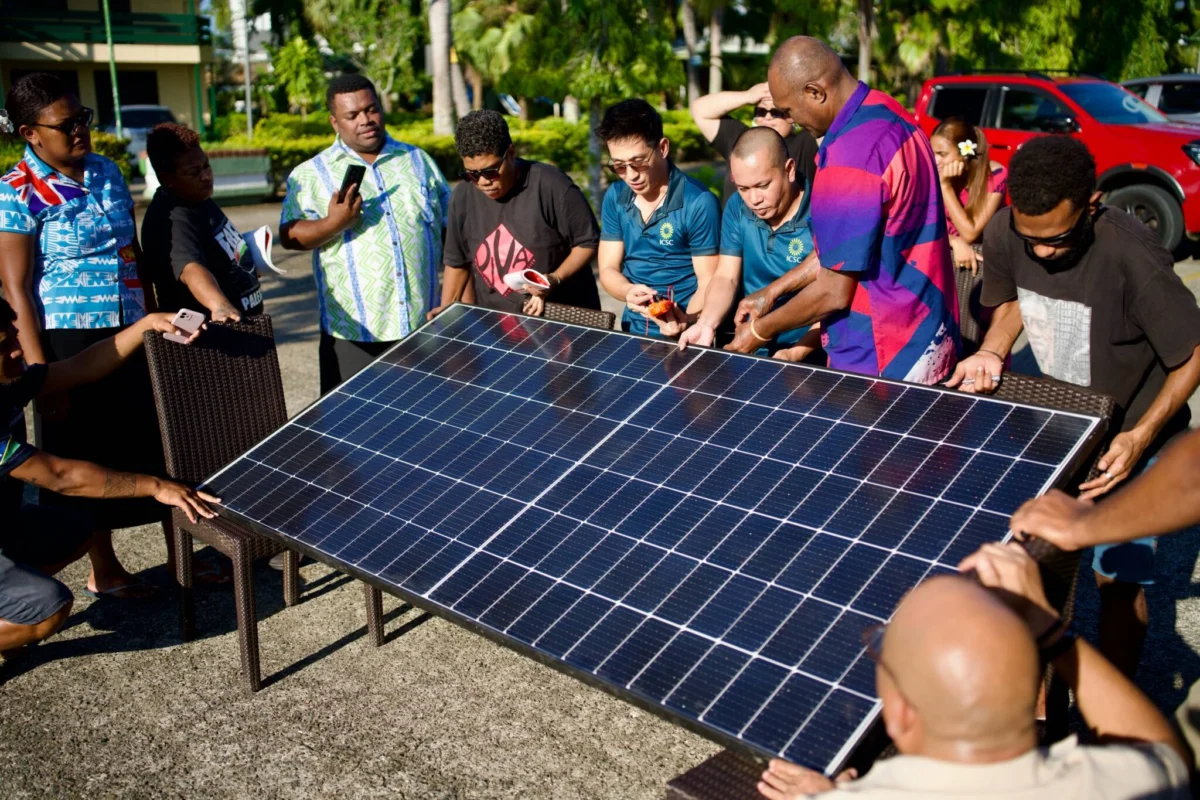
- Economic Impact in Nigeria: A new report from the Africa Policy Research Institute indicates that while Nigeria is grappling with the economic fallout of the US-Iran war—which has seen petrol prices surge by 40%—there is a viable path forward. The study suggests that deploying 10,000 solar mini-grids could create over 212,000 direct, full-time jobs, offering a dual solution to energy poverty and economic stagnation.
- The Scale of Energy Poverty: More than 80 million Nigerians currently lack access to a reliable electricity supply. The transition to solar mini-grids is now widely viewed by experts as the most cost-effective and immediate solution to bridge this gap.
4. Official Responses: A Call for Urgent Action
The intensity of these heatwaves has drawn sharp responses from international leadership. Simon Stiell, the executive secretary of UN Climate Change, described the current heatwaves as a "brutal reminder" of the immense costs associated with global warming. His sentiments echo the growing consensus among climate scientists that the window for meaningful mitigation is narrowing.
In Nigeria, while the government has benefited from an oil windfall due to rising crude prices, the reality on the ground is grim. Labour union leaders, such as Agnes Funmi Sessi of Lagos, have pointedly noted that rising energy prices have decimated the purchasing power of workers. Policy analysts like Dr. Ben Iheagwara have urged the Nigerian government to move beyond reliance on fossil fuels, arguing that the capital-intensive nature of the current energy crisis can only be solved by "de-risking" private investments in renewable infrastructure and providing clearer long-term regulatory frameworks.

5. Implications: The Future of the Energy Transition
The Decoupling of Security and Emissions
A critical takeaway from this week’s news is the evolving motivation for the energy transition. As Saliem Fakir, executive director of the African Climate Foundation, argued in Project Syndicate, the transition in developing economies is increasingly being driven by economics and security rather than emissions targets alone. When a country is battered by energy price volatility caused by global conflicts, renewable energy becomes a matter of national survival.
The Rise of the Mini-Grid
The focus on solar mini-grids in Nigeria highlights a decentralized approach to power that may serve as a blueprint for other emerging economies. Unlike the traditional "top-down" utility model, which requires massive, centralized investments and expensive grid extensions, mini-grids offer localized, resilient, and cleaner energy. However, the $8 billion price tag required to connect 35 million people remains a significant hurdle that necessitates deeper international collaboration and innovative financing models.
Infrastructure and Health
The UK’s experience with hospital closures due to flooding serves as a warning for developed nations. Infrastructure designed for a 20th-century climate is proving woefully inadequate for the 21st century. The lesson here is twofold: we must simultaneously pursue aggressive carbon reduction while investing heavily in climate adaptation, or risk the collapse of essential public services.
Gender and Access
Finally, the spotlight on Nigeria’s energy sector emphasizes the importance of inclusivity. As the Africa Policy Research Institute noted, the energy transition must pay close attention to the gender gap. In many rural communities, energy access is not just a technological challenge but a social one, where the burden of fuel gathering and energy management falls disproportionately on women. Future policy must address these inequalities to ensure that the "green transition" is truly equitable.
Conclusion: Looking Ahead
As we move into the coming weeks, the world remains on high alert. The heatwaves in Europe and India serve as a visceral, undeniable signal that the climate is changing at a pace that often outstrips our capacity to adapt. Yet, as the developments in Nigeria demonstrate, there are solutions at hand. Whether through the rapid scaling of renewable mini-grids or the urgent retrofitting of essential public infrastructure, the path forward requires a synthesis of economic pragmatism, social justice, and immediate, bold climate action.
For further reading and in-depth analysis of these developing stories, be sure to subscribe to the Carbon Brief daily summaries. Stay informed, and stay safe.
Editor’s Note: This newsletter is a summary of key developments. For detailed investigations into the climate impact on NHS facilities, the economics of solar in Africa, and the latest in climate research, please visit the official Carbon Brief portal.


 Rifan Muazin
 Layla Zulfa