

 Suro Senen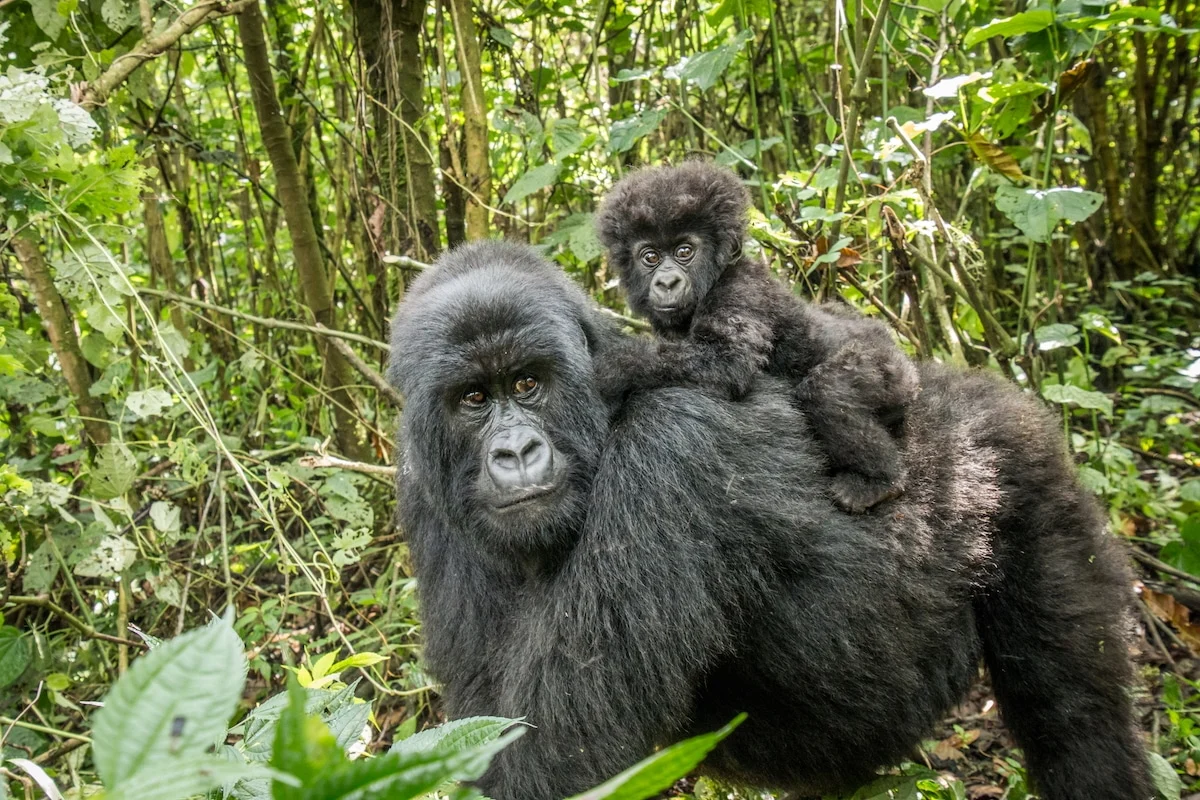
Kinshasa, DRC – In a move that has sent shockwaves through the international conservation community and ignited fierce opposition from Congolese civil society, the Democratic Republic of Congo (DRC) has initiated plans to auction off more than half of its national territory for oil and gas drilling. This ambitious expansion of fossil fuel exploration encompasses a staggering 306 million acres of pristine tropical forest, including critical habitats for some of the world’s most endangered species, such as mountain gorillas, eastern lowland gorillas, and bonobos.
The DRC, home to the second-largest tropical rainforest on Earth, is a global epicenter of biodiversity. Its sprawling ecosystems, characterized by towering canopies, intricate river systems, and vast carbon-rich peatlands, play a crucial role in regulating the global climate and safeguarding a wealth of unique flora and fauna. However, these invaluable natural assets now face an unprecedented threat from a government seemingly intent on prioritizing fossil fuel extraction over environmental protection and the well-being of its people.
A Cascade of Threats: The Scale of the Proposed Oil and Gas Expansion
A new, sobering report by Earth Insight, titled "Forests to Frontlines: Oil Expansion Threats in the DRC," reveals the alarming scope of the government’s plans. The DRC’s energy ministry has embarked on an auctioning process for 52 oil blocks, in addition to three that had been previously awarded. This initiative directly imperils an estimated 64 percent of the country’s remaining intact tropical forest, a region that is not only a biodiversity hotspot but also a vital carbon sink.
The implications of this decision are profound. The proposed oil concessions overlap significantly with protected areas, encompassing 20.5 million acres designated for conservation. Furthermore, 21.3 million acres of Key Biodiversity Areas, crucial for the survival of threatened species, are also slated for potential exploration. Perhaps most concerningly, an immense 165.1 million acres of intact tropical forests, the very lungs of the planet and a haven for countless species, are now within the crosshairs of oil and gas development.
Adding to the environmental peril, a staggering 72 percent of the recently established Kivu-Kinshasa Green Corridor, a vital ecological link designed to promote sustainable development and climate resilience, intersects with these proposed oil blocks. This overlap not only jeopardizes the corridor’s ecological integrity but also undermines its credibility as a forward-thinking climate solution.
The Peatland Peril: A Global Carbon Bomb at Risk
A particularly grave concern highlighted in the Earth Insight report is the potential degradation of the Cuvette Centrale, the world’s largest tropical peatland complex. This immense area, a critical natural storehouse of carbon, is estimated to hold approximately 30 gigatons of carbon – a quantity that, if released, would have catastrophic consequences for the global fight against climate change. The majority of this vital peatland is now included within the newly designated oil blocks, placing it at extreme risk of destruction and the subsequent release of its stored carbon into the atmosphere.
A People-Centered Crisis: Impact on Local Communities and Indigenous Peoples
Beyond the ecological devastation, the proposed oil and gas expansion poses an immediate and severe threat to the livelihoods and cultural heritage of millions of Congolese citizens. It is estimated that the areas designated for auction are home to approximately 39 million people, a significant portion of whom are forest-dependent communities and Indigenous Peoples. These communities rely directly on the intact forests and pristine river systems for their sustenance, cultural identity, and overall survival.
Pascal Mirindi, campaign coordinator for Notre Terre Sans Pétrole (Our Earth Without Oil), voiced his outrage and deep concern to The Guardian, stating, "Imagine: 39 million Congolese people… and 64% of our forests could be directly affected by the awarding of these oil blocks. And all this while the government is promoting the Kivu-Kinshasa ecological corridor. Where is the logic? Where is the coherence? We are reminding our leaders that the Congolese people are the primary sovereign. We will not remain silent while certain people organise themselves to sell off our future."
Chronology of a Mounting Crisis
The current push for extensive oil and gas exploration in the DRC is not an entirely new development, but the scale of the current initiative represents a significant escalation of previous controversial decisions.

- 2022: The DRC government launched a controversial auction for 30 oil and gas blocks. Many of these blocks overlapped with protected areas, vital peatlands, and lands belonging to Indigenous and local communities, drawing widespread condemnation.
- Present: The current government has dramatically expanded this effort, initiating a new licensing round that significantly increases the number of oil blocks and the total acreage offered for exploration. This latest move, which aims to auction off 52 blocks in addition to the previously awarded three, directly targets over half of the country’s territory, including vast tracts of intact rainforest and critical wildlife habitats.
Supporting Data and Scientific Evidence Underscore the Danger
The Earth Insight report provides a wealth of data that unequivocally demonstrates the detrimental consequences of the DRC’s proposed oil and gas expansion.
- Forest Cover: The auctioning of oil blocks threatens 64 percent of the DRC’s pristine forest cover.
- Protected Areas and Biodiversity Hotspots: Oil blocks overlap with 20.5 million acres of protected areas and 21.3 million acres of Key Biodiversity Areas.
- Intact Tropical Forests: A staggering 165.1 million acres of intact tropical forests are encompassed by the proposed oil concessions.
- Kivu-Kinshasa Green Corridor: 72 percent of this vital ecological corridor is intersected by oil blocks.
- Cuvette Centrale Peatlands: The majority of the world’s largest tropical peatland complex, a critical carbon sink, is included in the new oil blocks.
- Human Impact: An estimated 39 million people, including numerous forest-based and Indigenous communities, are directly affected by the proposed expansion.
The scientific consensus is clear: the Congo Basin, and particularly the DRC’s rainforests and peatlands, are indispensable for global climate stability and biodiversity conservation. The release of stored carbon from peatlands, the destruction of critical habitats, and the disruption of ecosystems will have far-reaching and irreversible consequences.
Official Responses and International Scrutiny
The DRC government’s rationale for pursuing this aggressive fossil fuel expansion appears to be driven by a desire to boost national revenue and economic development. However, these plans have been met with strong criticism both domestically and internationally.
Environmental organizations, including Earth Insight, Rainforest Foundation UK, and local Congolese civil society groups like the Coalition des Organisations de la Société Civile pour le Suivi des Réformes et de l’Action Publique (CORAP) and Our Land Without Oil, have been vocal in their opposition. They argue that the long-term economic and environmental costs of fossil fuel extraction far outweigh any potential short-term financial gains.
Anna Bebbington, an Earth Insight research manager, stated unequivocally, "Oil and gas development in these fragile ecosystems would have devastating impacts on biodiversity, communities, land rights and the global fight against climate change."
The international community, while acknowledging the DRC’s development needs, has also expressed serious concerns. The pursuit of fossil fuel expansion in such ecologically sensitive areas directly contradicts global commitments to climate action and biodiversity protection, such as those outlined in the Paris Agreement and various international conservation treaties.
Implications: A Turning Point for the DRC and the Planet
The DRC’s decision to open vast swathes of its precious natural heritage to oil and gas drilling marks a critical turning point, not only for the nation but for the entire planet. The implications are multifaceted and far-reaching:
- Climate Catastrophe: The potential destruction of the Cuvette Centrale peatlands and the continued deforestation of the Congo Basin rainforest would release massive amounts of greenhouse gases, severely hindering global efforts to mitigate climate change and pushing the world closer to dangerous tipping points.
- Biodiversity Loss: The proposed drilling threatens to decimate populations of critically endangered species, pushing them closer to extinction and irrevocably damaging the planet’s rich tapestry of life.
- Human Rights Abuses: The displacement of local communities, the violation of Indigenous land rights, and the potential for environmental pollution from oil extraction pose a grave threat to human rights and social justice.
- Undermining Sustainable Development: The government’s actions cast doubt on its commitment to sustainable development pathways and its ability to attract international support for climate-resilient initiatives.
- Geopolitical Ramifications: The DRC’s reliance on fossil fuel revenues could further entrench its dependence on extractive industries, potentially exacerbating existing governance challenges and hindering long-term economic diversification.
The Earth Insight report offers a clear path forward, urging the DRC government and its international partners to:
- Cancel the 2025 licensing round and halt all future hydrocarbon expansion.
- Respect and uphold the rights of local communities and Indigenous Peoples.
- Align donor support and international financing with the DRC’s commitments to biodiversity, rights, and climate action.
- Ensure meaningful participation and transparency for communities and civil society in environmental governance and decision-making.
The fate of the DRC’s unparalleled natural heritage, and by extension, a crucial element in the global fight against climate change and biodiversity loss, hangs precariously in the balance. The decisions made today will echo for generations to come, determining whether the Democratic Republic of Congo chooses a path of sustainable stewardship or one of irreversible environmental degradation.


 Iffa Jayyana
 Azzam Bilal Chamdy