


 Nana
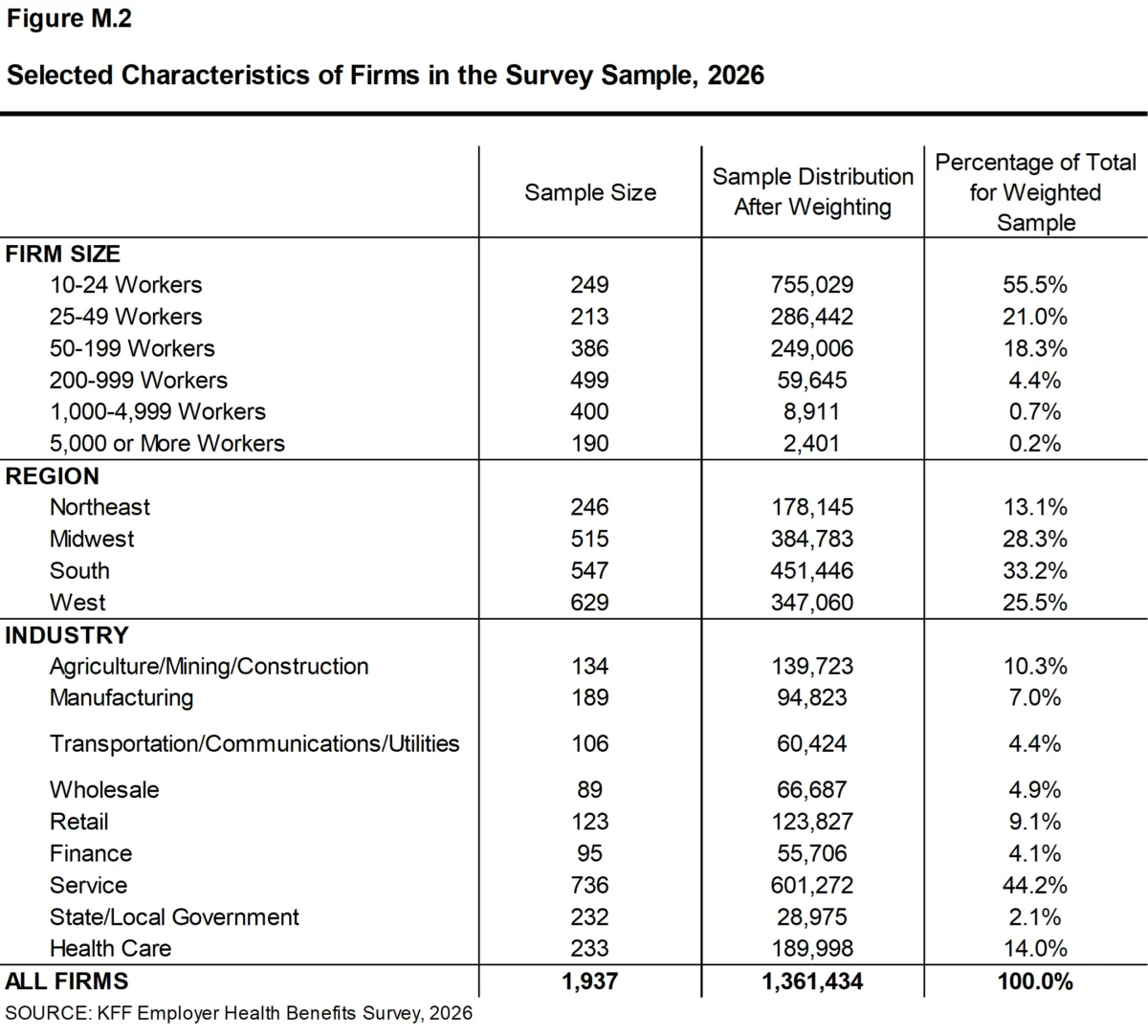
The landscape of employer-sponsored health insurance in the United States continues to shift, defined by rising costs, the growing complexity of drug benefits, and an increasing emphasis on transparency. According to the 28th annual Employer Health Benefits Survey (EHBS) from KFF, published in October 2026, the financial burden on both employers and employees continues to climb.
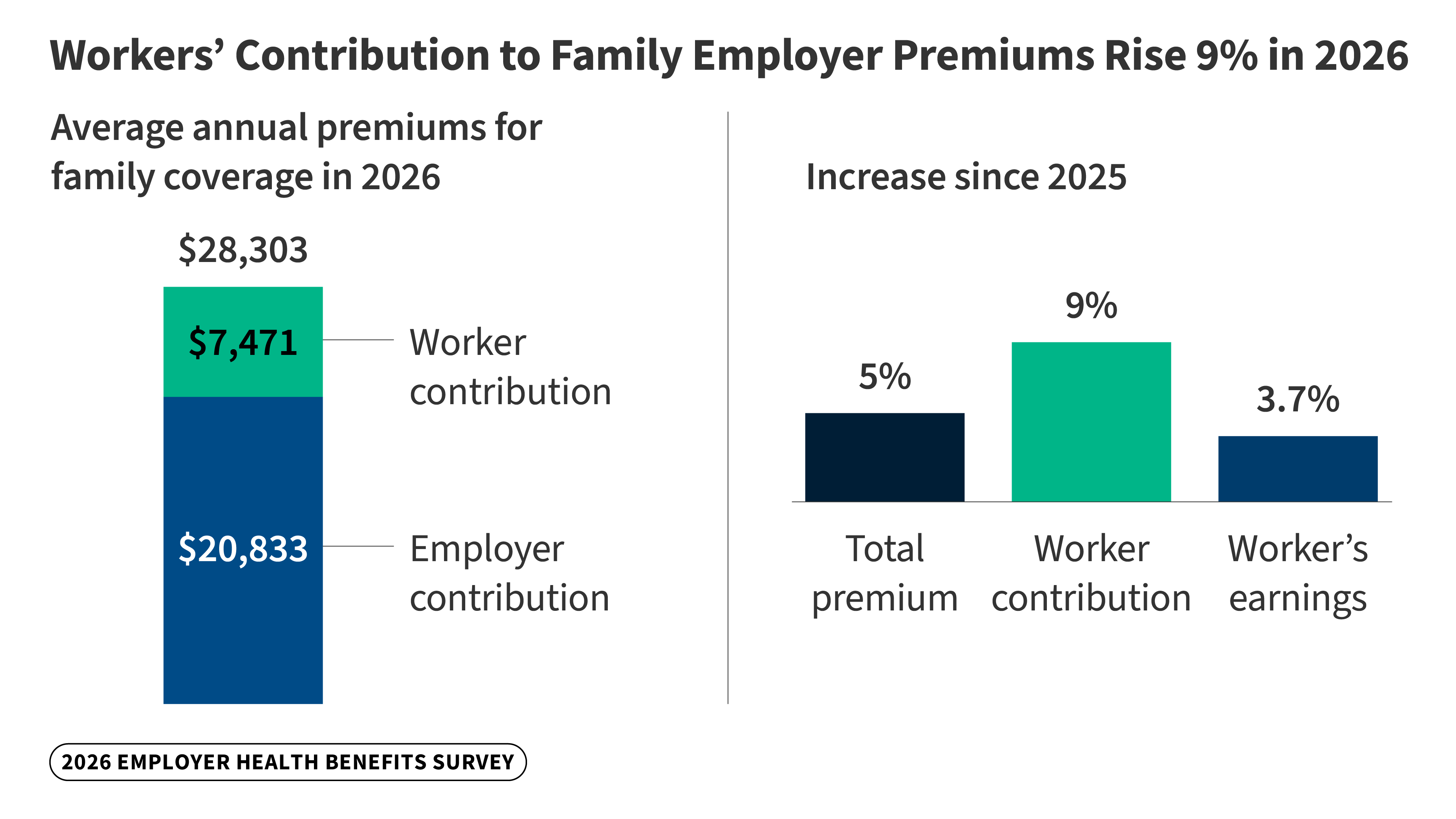
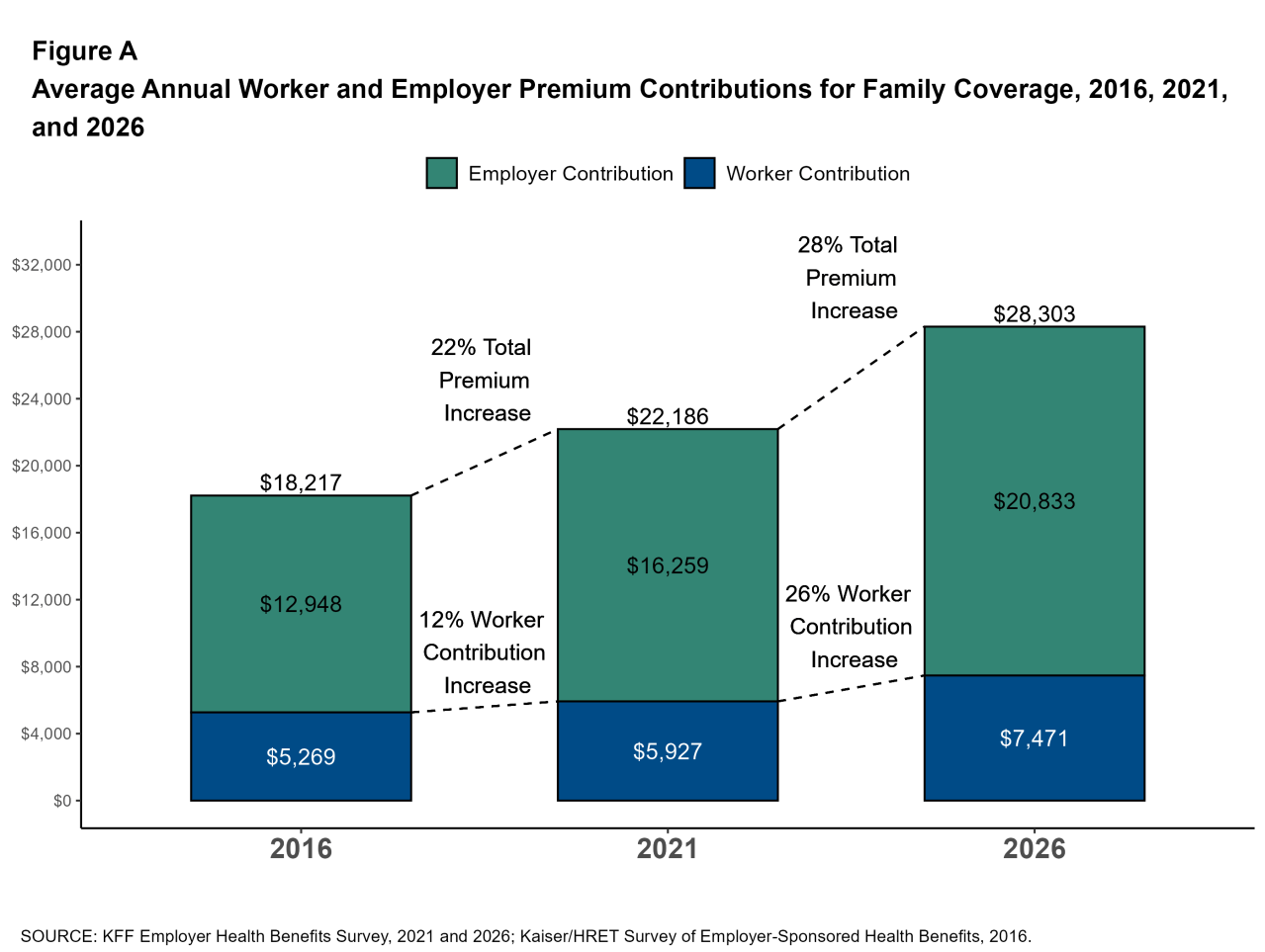
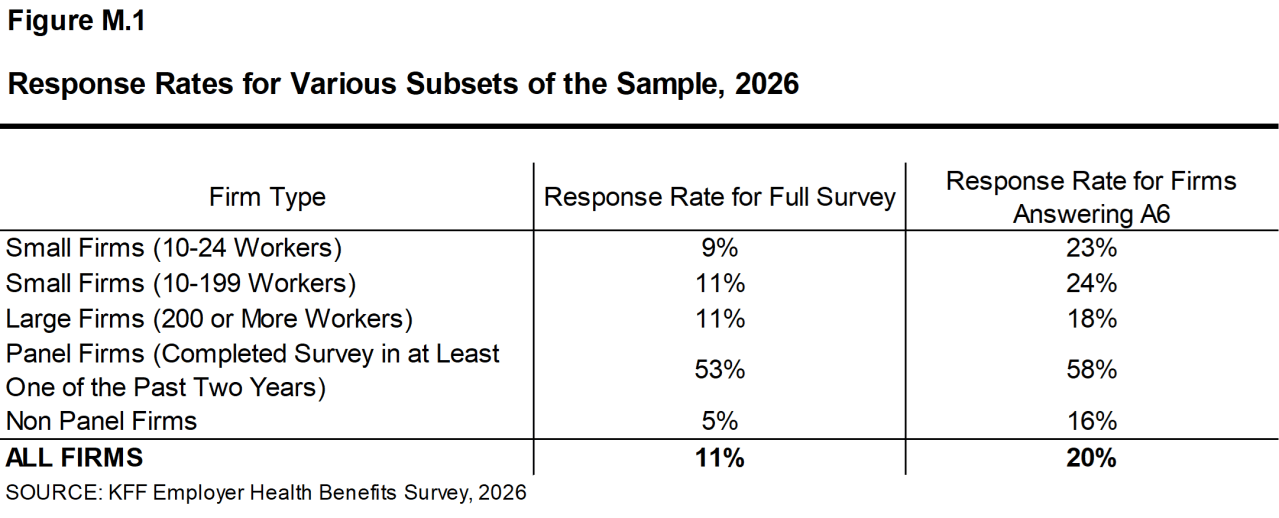
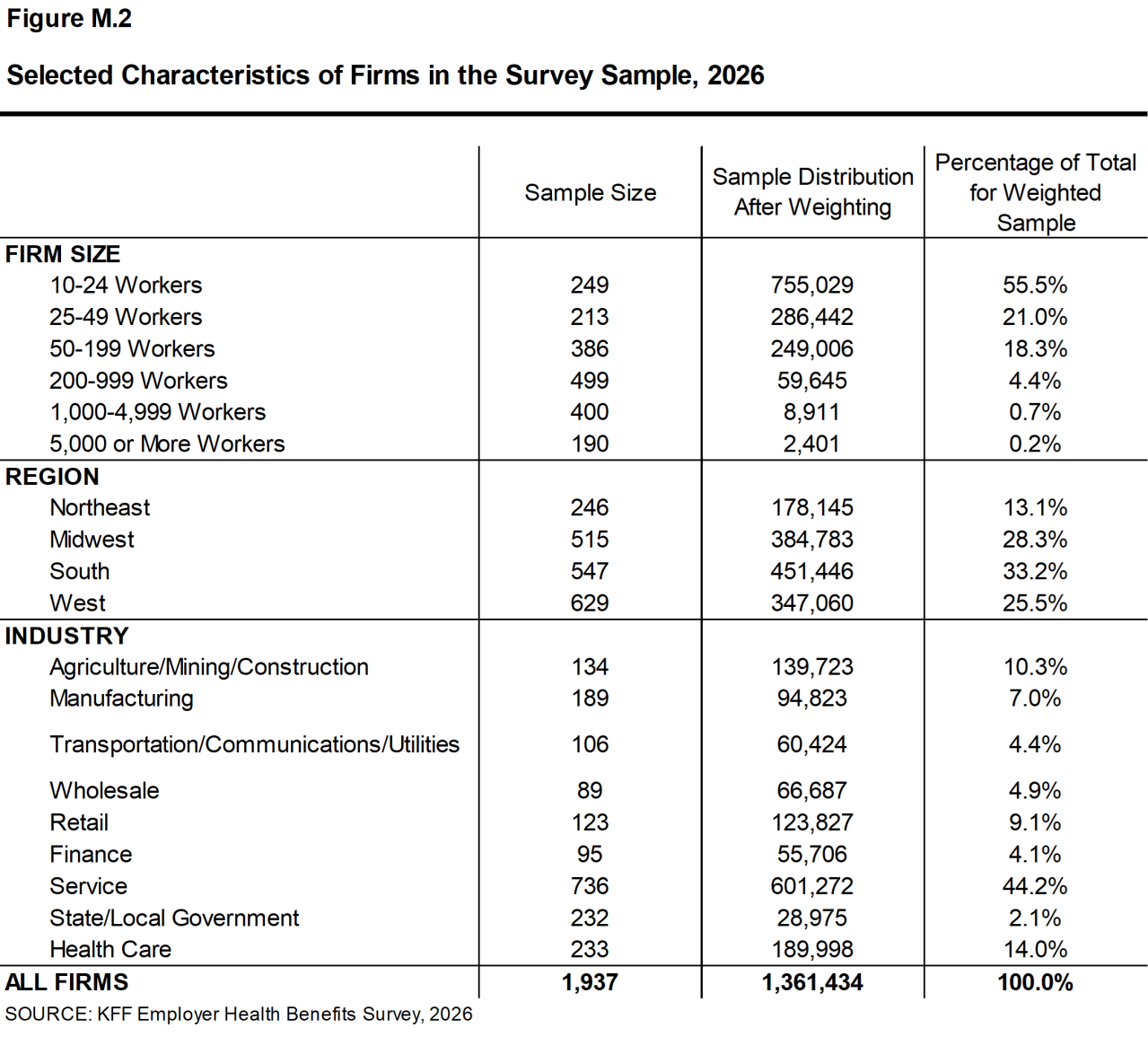
The 2026 survey, which encompasses 1,937 interviews with non-federal public and private firms, reveals that annual premiums for family coverage have reached $28,303, marking a 5% increase over the previous year. As these costs mount, employers are increasingly forced to navigate the financial implications of high-cost specialty drugs, such as GLP-1 agonists, while balancing the need for broad provider networks against the necessity of cost containment.
A Chronology of Rising Costs: 2021–2026
The trajectory of health insurance premiums over the past five years underscores a sustained period of growth. Since 2021, the average premium for family coverage has surged by 28%. This growth has frequently outpaced both general inflation and wage growth, creating a challenging environment for businesses attempting to maintain competitive benefit packages.
- 2021–2023: During this period, employers dealt with the lingering effects of pandemic-era healthcare utilization, which began to normalize as delayed elective procedures resumed.
- 2024: The market saw increased attention toward prescription drug management, particularly the high cost of specialty medications.
- 2025: The survey adjusted its sampling methodology to exclude firms with fewer than 10 employees, acknowledging that small firms often carry high variability and exert limited influence on national premium averages.
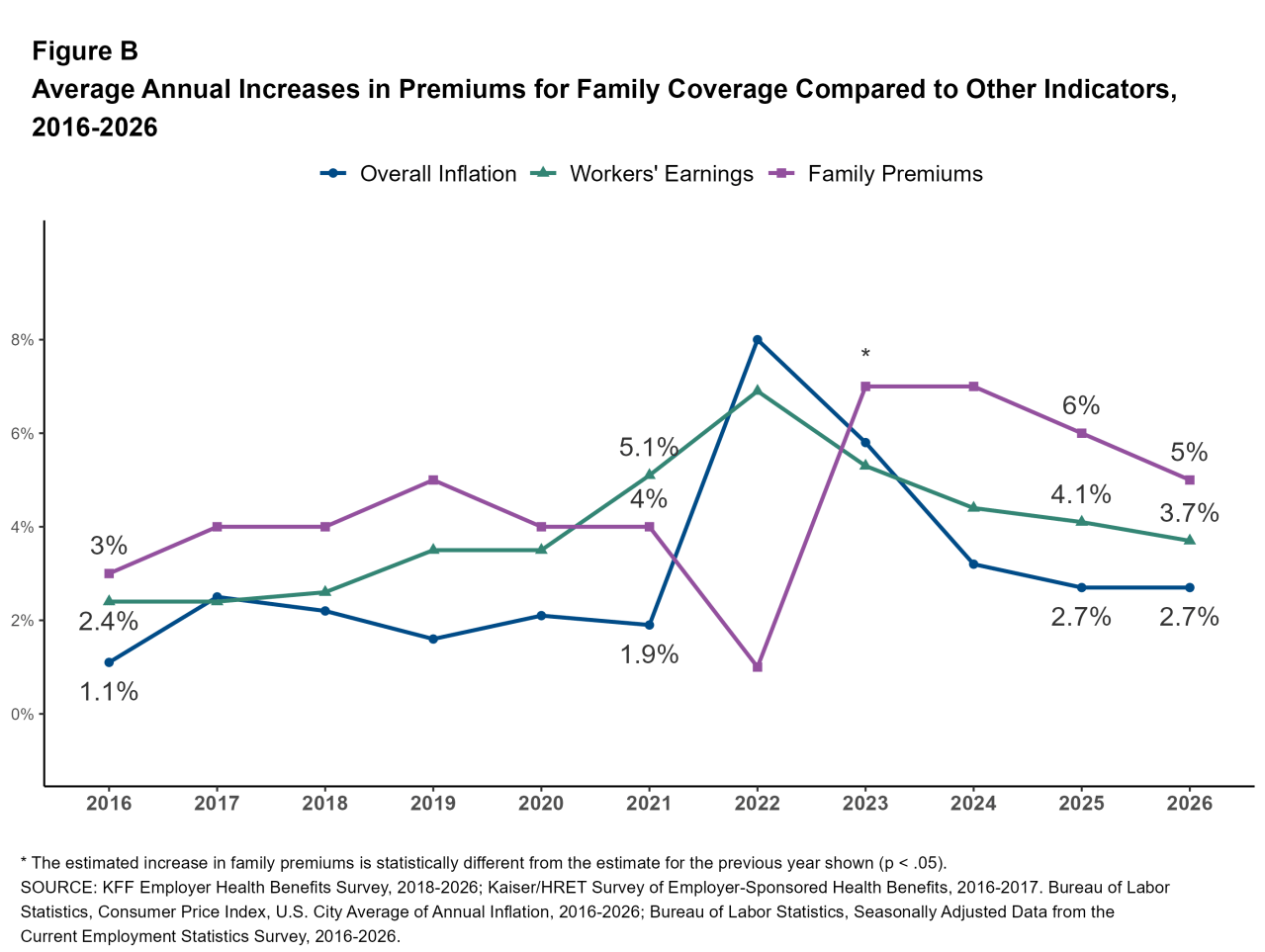
- 2026: Premiums rose by 5% for both single and family coverage. With wages increasing by 3.7% and inflation at 2.7%, the cost of health insurance remains a primary driver of overall compensation expenses.
Supporting Data: The Anatomy of Premium Increases
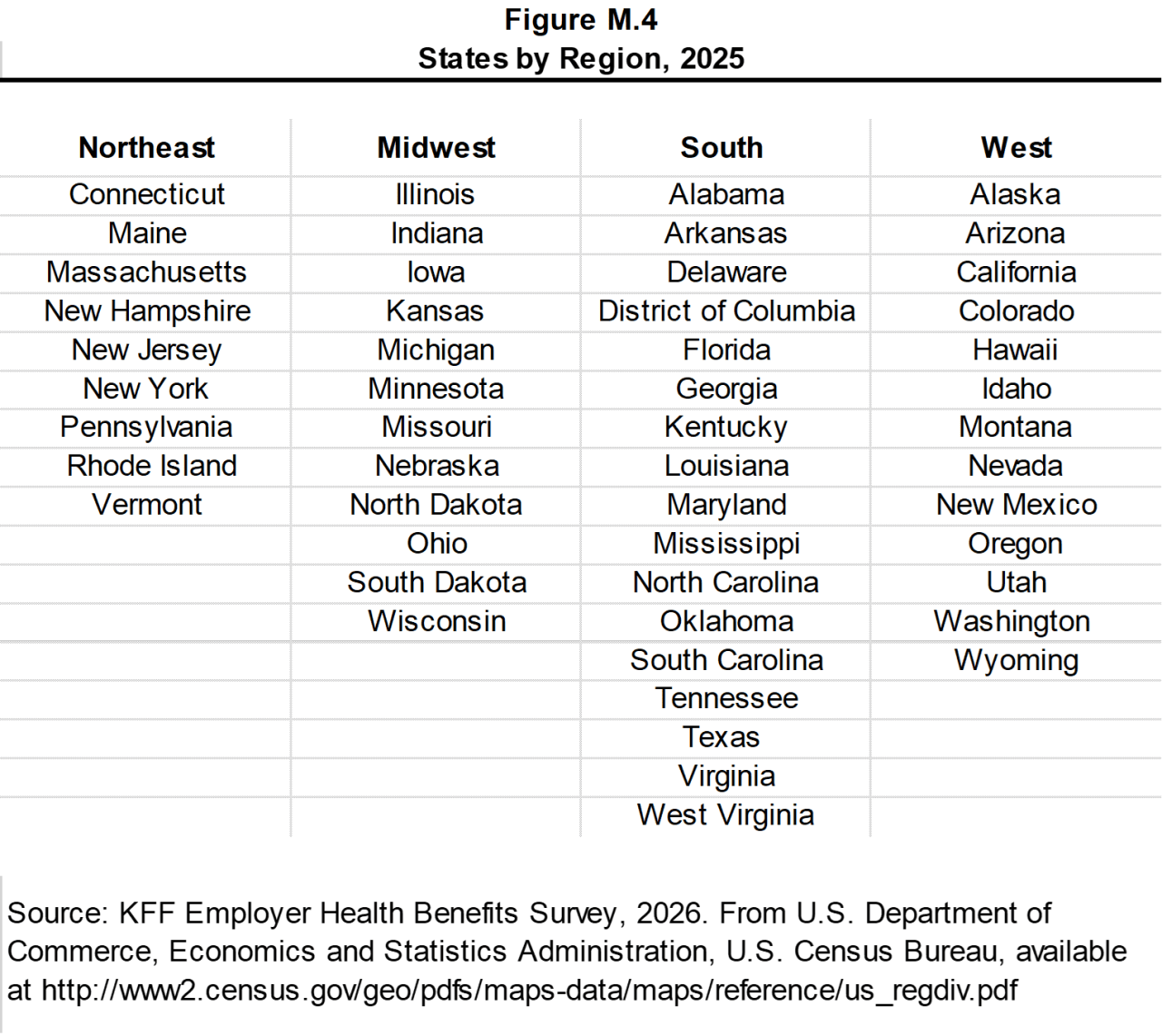
The 2026 data highlights significant disparities based on firm size and regional location. While the average premium for single coverage sits at $9,804, premiums are generally higher in the Northeast ($10,806 for single coverage) compared to the South ($9,272).
Employee Contributions and Cost-Sharing
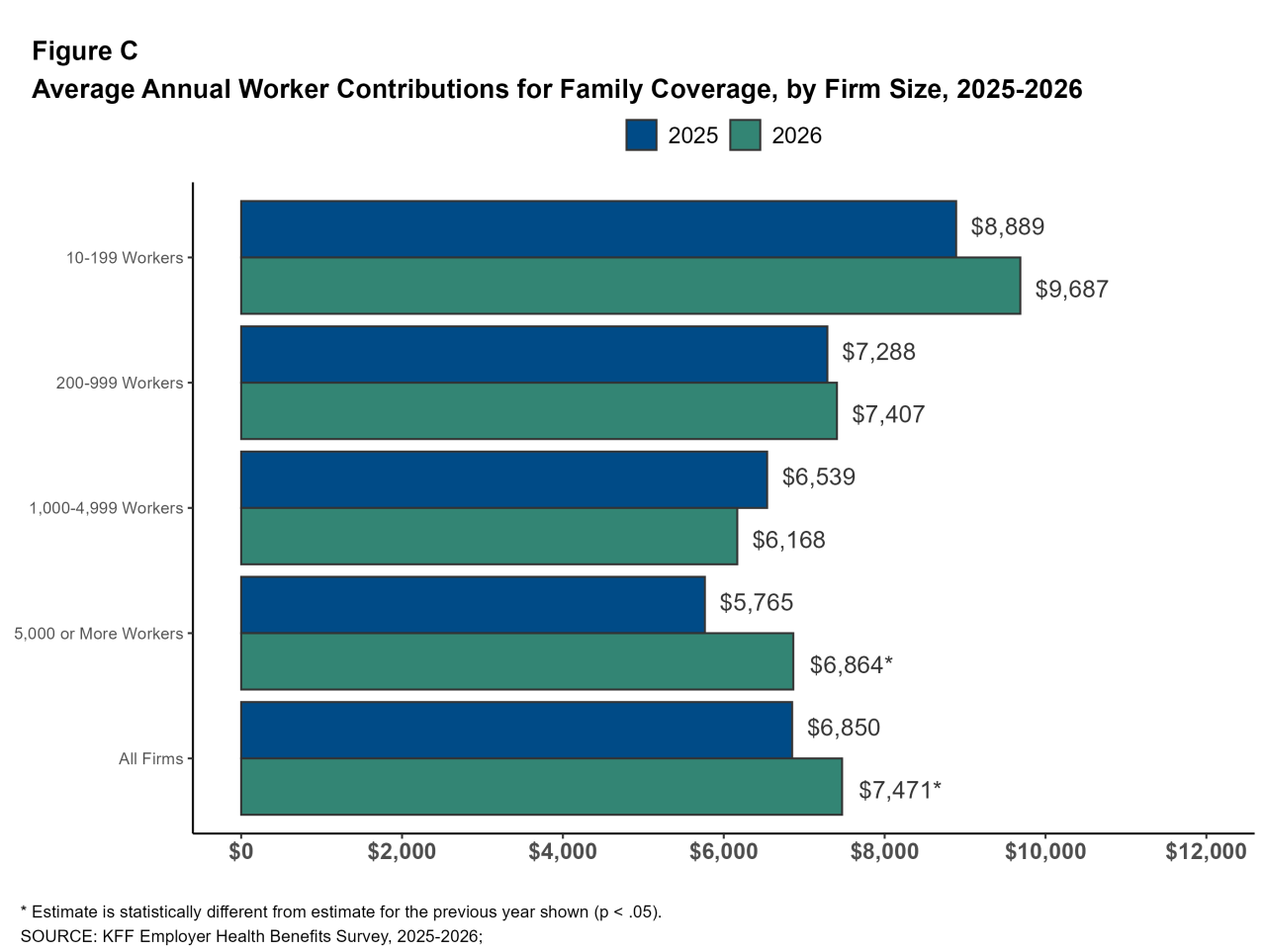
The burden of these rising premiums is shared directly with workers. On average, covered workers contribute 18% of the premium for single coverage and 27% for family coverage. Notably, employees at smaller firms face a steeper challenge; for family coverage, workers in smaller firms contribute an average of 37% of the premium, compared to 25% for those in larger firms.
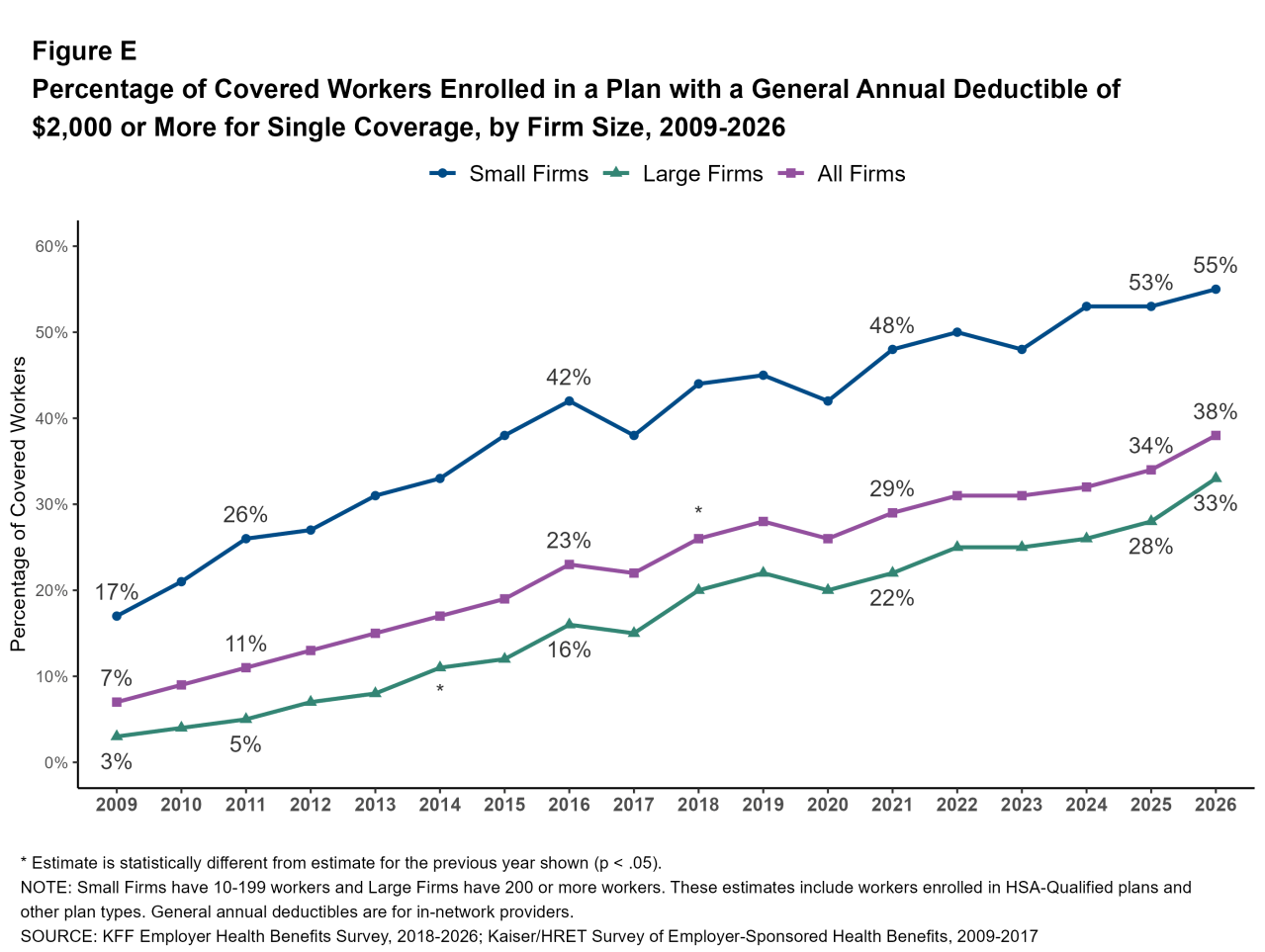
Furthermore, the prevalence of high-deductible health plans (HDHPs) remains a central feature of modern benefit design. Eighty-eight percent of workers with single coverage now face a general annual deductible. The average deductible for these workers is $1,955—a figure that has climbed 34% over the last decade.
The GLP-1 Dilemma and Employer Responses
One of the most significant pressures on current employer-sponsored plans is the surge in demand for GLP-1 agonists. Originally developed for type 2 diabetes, these drugs have proven highly effective for weight loss. However, their widespread adoption and the potential for long-term maintenance usage have created a "cost shock" for many plans.
Coverage and Cost Impacts
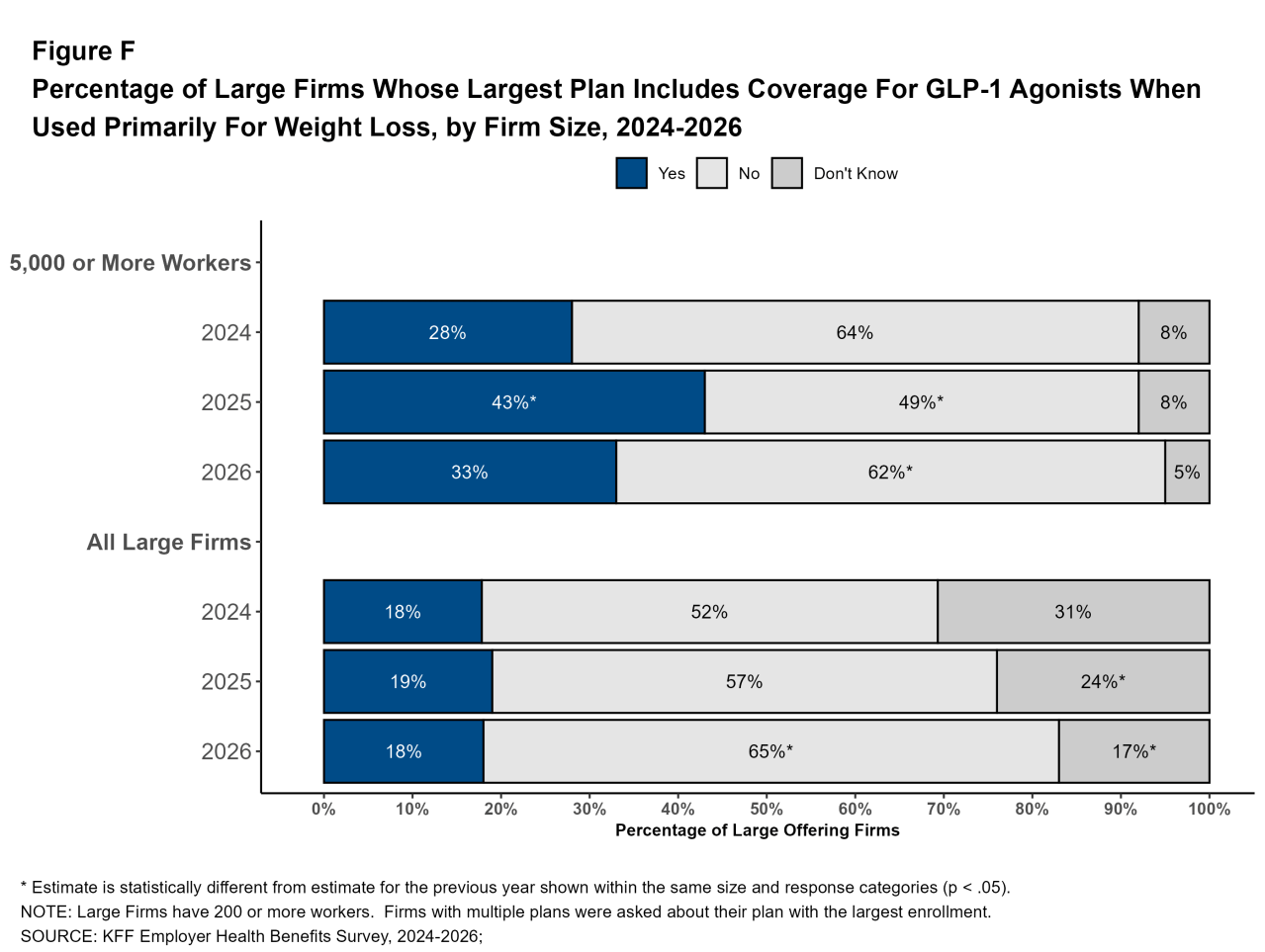
The KFF survey found that among large firms (200+ workers), 18% now cover GLP-1 agonists when prescribed primarily for weight loss. This number grows in correlation with firm size, with 33% of firms employing 5,000 or more workers offering such coverage.
For many, the financial impact is significant. Among large firms that cover these medications, 29% report a "significant" impact on their prescription drug spending. In response, many employers are implementing strict utilization management. Approximately 40% of firms that cover these drugs for weight loss require patients to participate in lifestyle programs, or consult with dietitians or case managers, as a condition of coverage.
Strategic Shifts: Prior Authorization and Network Management
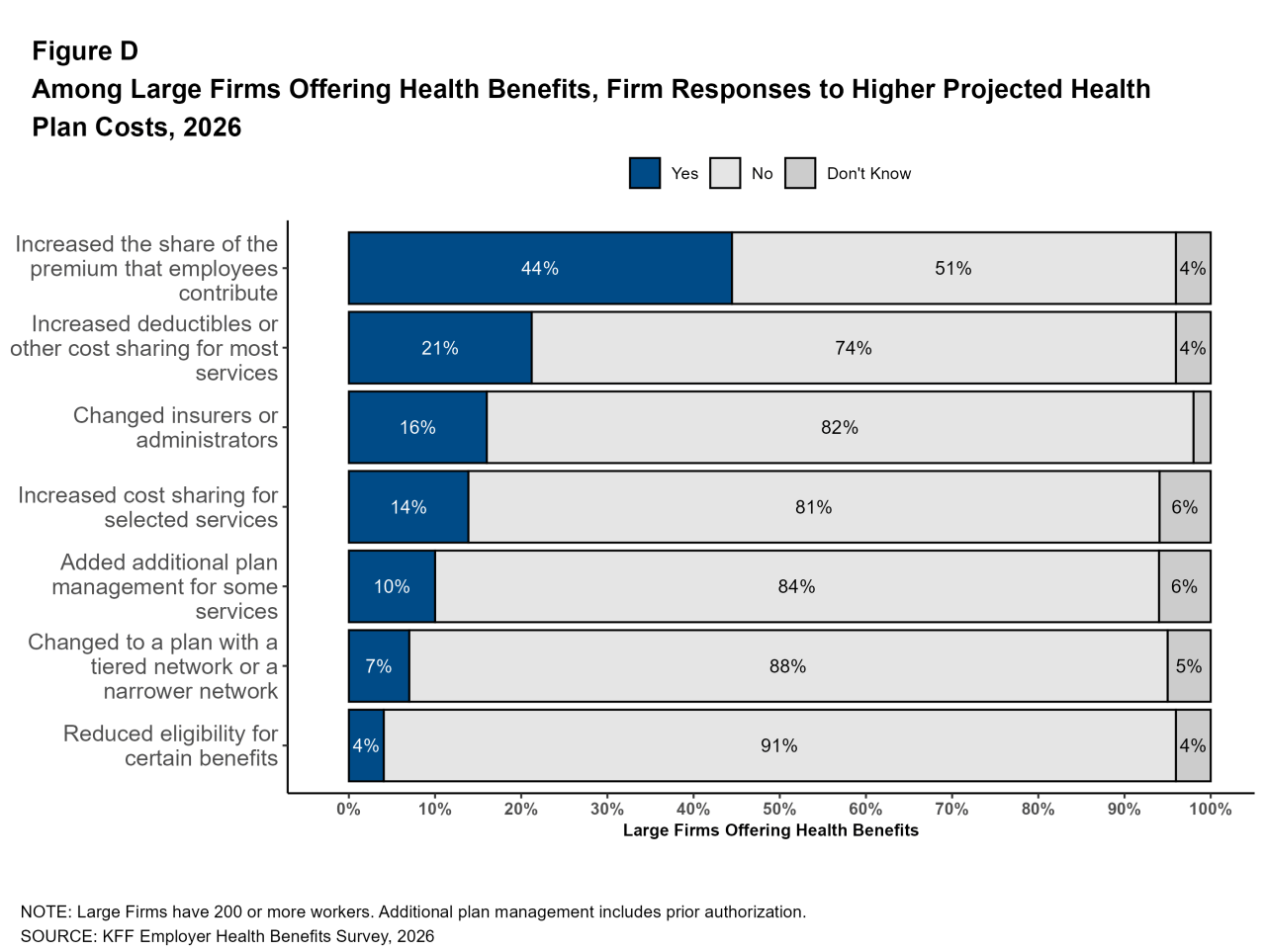
As costs rise, employers are actively modifying their benefit strategies to preserve their budgets. The most common response among large firms is increasing the share of the premium paid by employees (44%). Other common strategies include:
- Utilization Management: 10% of large firms have added prior authorization requirements for certain services.
- Network Modification: 7% of large firms have switched to plans with narrower or tiered provider networks.
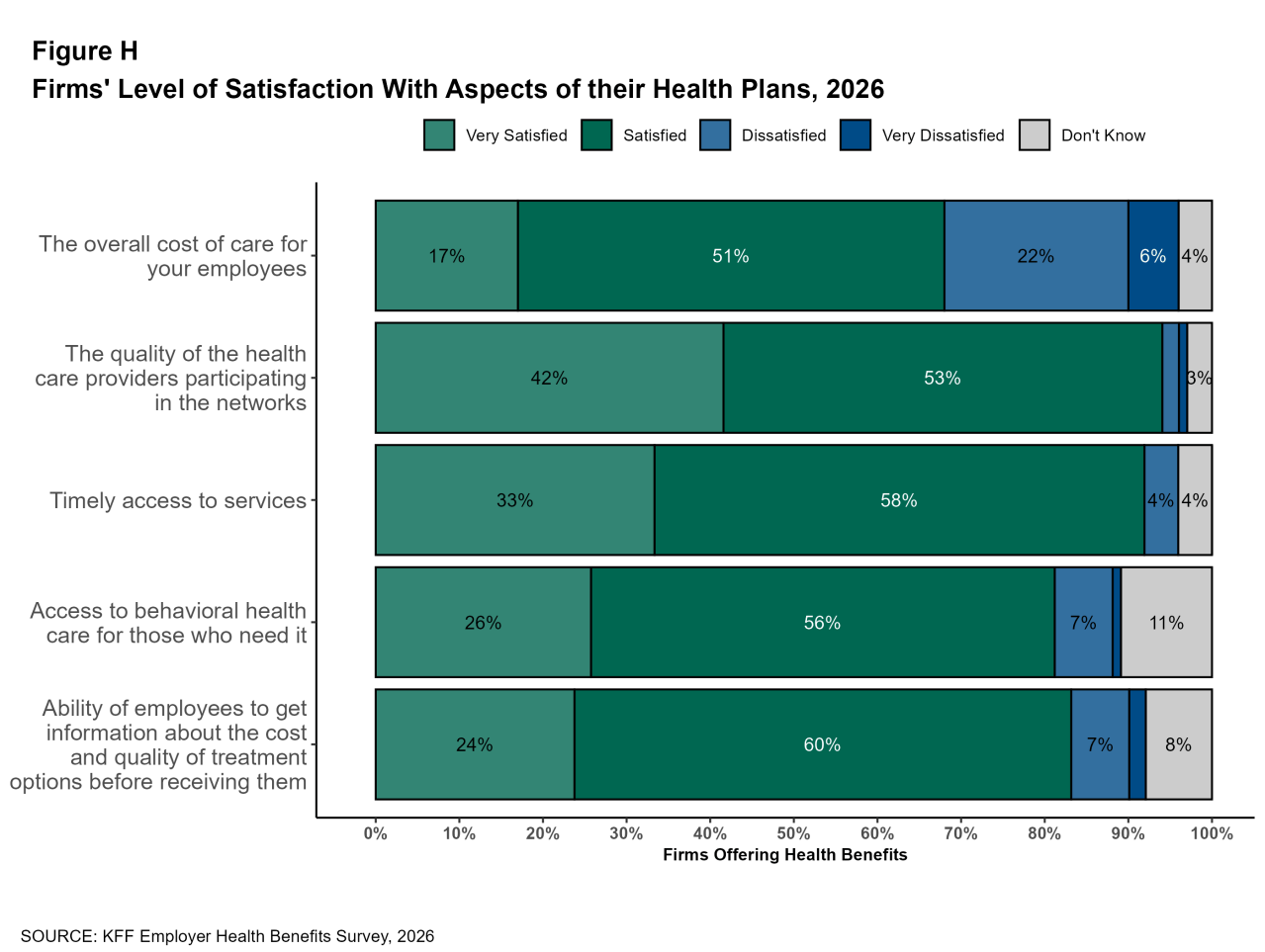
- Transparency Initiatives: Many employers are now demanding greater transparency. While a large majority of employers express satisfaction with their current health plans, they are increasingly seeking deeper access to claims data.
Interestingly, there is a disconnect regarding network breadth. While 89% of employers characterize the networks in their largest plan as "very broad" or "somewhat broad," this sentiment does not extend to mental health and substance use disorder services, where only 64% of employers describe their networks as similarly broad. This has led some large firms to expand access to virtual mental health providers as a stop-gap measure.
Implications for the Future: The 2027 Outlook
As the industry looks toward 2027, the outlook remains cautious. Early projections for 2027 suggest that premium increases could approach double digits. The 2026 KFF survey signals a potential turning point; after decades of relative stability in the share of premiums paid by employees, the 18% of firms that increased employee cost-sharing this year may represent the beginning of a larger trend.
The Role of Data and Transparency
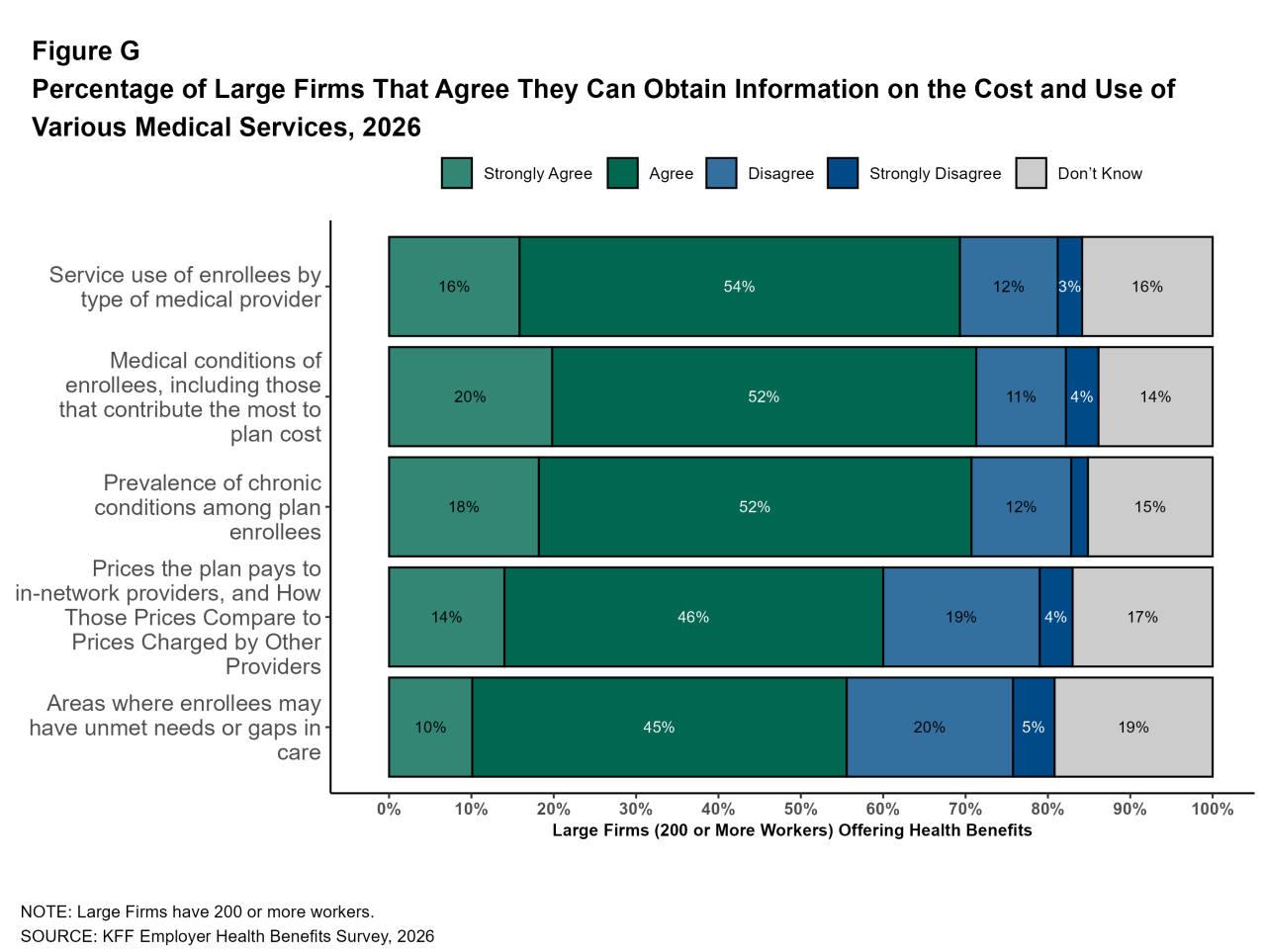
The focus on transparency is likely to intensify. The survey reveals that while many large firms feel they have sufficient information to understand their plan costs, a substantial portion still struggles to access the granular data necessary to manage utilization effectively. As employers become more sophisticated purchasers of healthcare, the pressure on insurers and Pharmacy Benefit Managers (PBMs) to provide transparent, actionable data will likely increase.
The "Choice" Movement
The rise of "level-funded" plans and Individual Coverage Health Reimbursement Arrangements (ICHRAs) also points to a broader effort by employers to move away from traditional, rigid insurance models. Level-funded plans now cover 38% of workers in small firms (10–199 employees), offering a way to balance the predictability of a fixed monthly payment with the cost-containment features of self-funding.
Conclusion
The 2026 Employer Health Benefits Survey provides a clear picture of a healthcare system under pressure. The combination of medical inflation, the high cost of innovative therapies like GLP-1 agonists, and the ongoing struggle to manage provider networks places employers in a difficult position. While they remain committed to providing robust benefits to attract and retain talent, the financial realities of 2026—and the grim projections for 2027—suggest that the traditional model of employer-sponsored insurance is undergoing a significant, and perhaps necessary, transformation. Employers are no longer passive payers; they are becoming active architects of their healthcare spending, utilizing data and tighter management to combat the rising tide of medical costs.

 Neng Nana
 Ammar Sabilarrohman