


 Reynand Wu
By Medical News Desk
October 24, 2026
In a significant development for the treatment of aggressive gastrointestinal malignancies, results from the phase II/III COMPANION-002 clinical trial have offered a nuanced look at the potential for tovecimig—a first-in-class bispecific antibody—in the treatment of previously treated advanced or metastatic biliary tract cancer (BTC). While the study met its primary endpoints regarding response rates and progression-free survival (PFS), the lack of a clear overall survival (OS) advantage presents a complex picture for oncologists weighing the next steps in standard-of-care protocols.
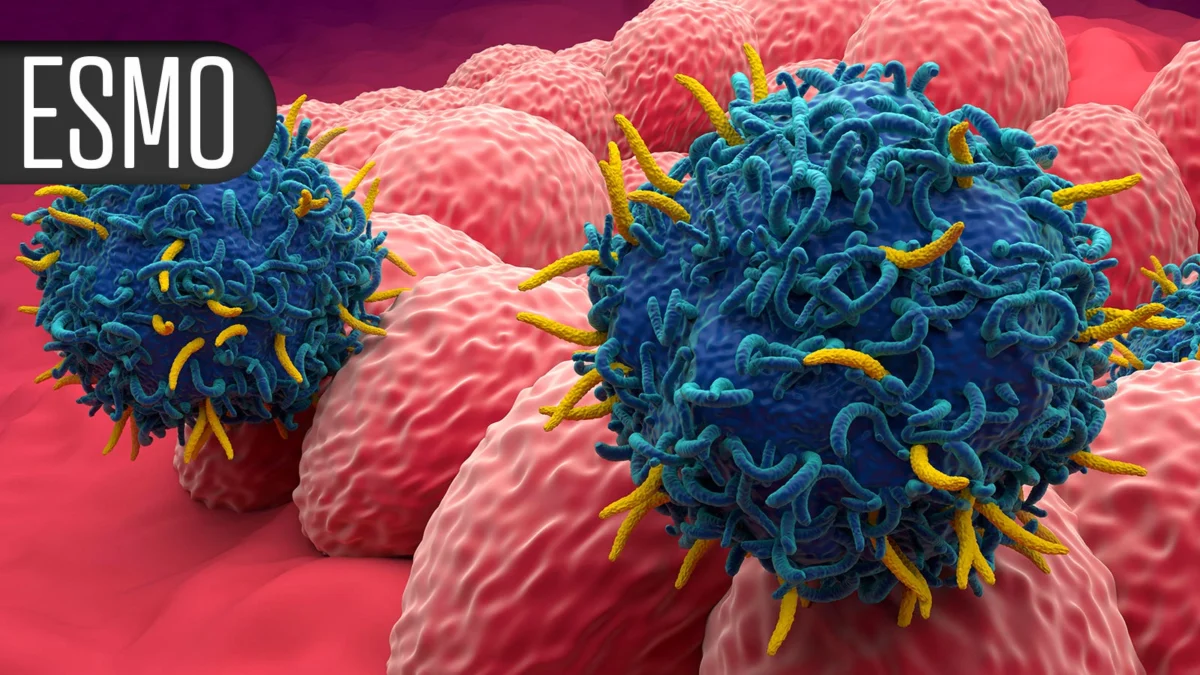
The findings were presented at the European Society for Medical Oncology (ESMO) annual congress in Madrid and simultaneously published in the Journal of Clinical Oncology.
Main Facts: The COMPANION-002 Trial at a Glance
Biliary tract cancers, which include intrahepatic and extrahepatic cholangiocarcinoma and gallbladder cancer, are notoriously difficult to treat. Characterized by high rates of mortality and limited therapeutic options, these cancers often present in advanced stages where systemic chemotherapy is the only viable path.
The COMPANION-002 trial sought to evaluate whether the addition of tovecimig, a recombinant bispecific antibody that simultaneously targets VEGF-A and DLL4, could improve outcomes when combined with paclitaxel. The study enrolled 168 patients who had previously progressed on a standard first-line regimen of gemcitabine and cisplatin.
Key findings reported by lead investigator Nilofer S. Azad, MD, of the Johns Hopkins Sidney Kimmel Comprehensive Cancer Center, include:
- Objective Response Rate (ORR): The combination therapy elicited an ORR of 18.0%, compared to just 5.3% in the cohort receiving paclitaxel alone (P=0.0228).
- Progression-Free Survival (PFS): Patients receiving the doublet experienced a median PFS of 4.7 months, nearly doubling the 2.6 months observed in the control group (HR 0.44; 95% CI 0.30-0.66; P<0.0001).
- Overall Survival (OS): The trial failed to demonstrate an OS benefit, with the combination arm reporting 8.9 months compared to 9.4 months for the paclitaxel-only arm (HR 1.05; 95% CI 0.7-1.5; P=0.77).
Chronology: From Preclinical Promise to Clinical Complexity
The journey of tovecimig into the clinical space is rooted in its unique mechanism of action. By targeting both Vascular Endothelial Growth Factor A (VEGF-A) and Delta-like ligand 4 (DLL4), tovecimig is designed to inhibit tumor angiogenesis—the process by which tumors create new blood vessels to supply themselves with nutrients.
Early Development and Rationale
In early-phase clinical testing, tovecimig demonstrated single-agent activity in colorectal and gastric cancers. Building on this, researchers observed that in preclinical models of BTC, the addition of paclitaxel synergized with the bispecific antibody, creating a more hostile environment for tumor growth. This rationale led directly to the design of the COMPANION-002 study.
Trial Design and Patient Selection
The trial utilized a 2:1 randomization schema, meaning for every two patients receiving the combination, one received paclitaxel monotherapy. Eligibility criteria were stringent: patients were required to have an ECOG performance status of 0 or 1, and those with known targetable mutations were excluded to ensure a homogenous study population of patients with few other therapeutic alternatives.
The Crossover Conundrum
A critical component of the trial design was the allowance for "crossover." Patients in the paclitaxel-only arm were permitted to switch to the tovecimig-paclitaxel combination upon documented disease progression. Of the 57 patients originally assigned to the control arm, 31 (54%) crossed over to the investigational treatment. This design, intended to provide patients with access to potentially beneficial therapy, likely confounded the OS data, masking any survival benefit that might have been attributed to the experimental drug.
Supporting Data: Dissecting the Crossover Effect
While the primary analysis showed no OS advantage, the secondary analyses of the crossover population provide a more optimistic view of the drug’s activity.
Among the 31 patients who crossed over, the median PFS increased from 1.9 months (pre-crossover) to 3.5 months (post-crossover). Furthermore, a subset analysis revealed that patients in the paclitaxel arm who transitioned to tovecimig achieved a median OS of 12.8 months, compared to just 6.1 months for those who remained on standard care and did not transition.
These data suggest that while the study’s primary survival endpoint was statistically neutral, the clinical benefit of tovecimig may be underestimated due to the study’s design. The "rescue" effect seen in the crossover group indicates that tovecimig remains a potent tool for delaying disease progression even after initial treatment failure.
Safety and Tolerability
The safety profile of the tovecimig doublet was characterized as "manageable but significant." As expected with VEGF-targeted agents, hypertension was a major adverse event, occurring in 69.4% of patients. Fatigue was also prevalent, affecting 66.7% of the cohort.
Grade 3 or higher treatment-emergent adverse events (TEAEs) were reported in 93.5% of the combination group. Notably, there were six fatal TEAEs in the experimental arm, with two deemed treatment-related (septic shock and renal failure). The researchers emphasized that these findings were consistent with the expected toxicity profiles of potent angiogenesis inhibitors, but they underscore the need for careful patient selection and monitoring.
Official Responses and Expert Perspective
The oncology community has reacted with cautious optimism. Dr. Sebastián Mondaca of the Pontificia Universidad Católica de Chile, who served as an invited discussant at ESMO, noted that while the activity of the drug is "compelling," it is not yet a definitive replacement for existing standards.
"Given the low bar we currently have in this setting, any signal of activity is welcome," Dr. Mondaca noted. "However, the lack of an overall survival benefit makes it difficult to declare this the new standard of care. Ideally, we would need to see a phase III trial comparing this to a more robust backbone, such as FOLFOX, to truly understand its role."
Dr. Azad defended the findings, highlighting the high unmet need for patients with biliary tract cancer. "We have to consider the context of the population we are treating," she said. "Patients who have failed first-line chemotherapy have very few options. The PFS benefit and the response rates we saw are clinically meaningful in a population that typically sees rapid disease progression."
Implications for Future Clinical Practice
The results of COMPANION-002 leave clinicians at a crossroads. On one hand, tovecimig represents a sophisticated, targeted approach to a disease that has historically been resistant to innovation. The significant improvement in PFS provides a bridge for patients who would otherwise face limited options.
On the other hand, the financial and physical toxicity of the combination, combined with the lack of a clear OS benefit, suggests that tovecimig may not be a "silver bullet." Regulatory bodies, including the FDA and EMA, will likely require a deeper analysis of the crossover data before granting broad approval.
Looking Ahead
The path forward for tovecimig likely involves identifying biomarkers that predict which patients will derive the most benefit. If researchers can pinpoint a subgroup that responds exceptionally well to VEGF/DLL4 inhibition, tovecimig could find a niche as a targeted therapy rather than a broad-spectrum second-line treatment.
Furthermore, as Dr. Mondaca suggested, formal review by international guideline committees is now warranted. The data from COMPANION-002 will likely be integrated into updated clinical guidelines, potentially positioning tovecimig as a consideration for patients with advanced BTC who have exhausted standard systemic options.
Ultimately, the COMPANION-002 trial serves as a reminder of the complexity of modern oncology trials. While the primary survival endpoint was not met, the underlying data paints a picture of a drug that possesses genuine anti-tumor activity. For the thousands of patients diagnosed with biliary tract cancer each year, this trial represents a small, but vital, step forward in the search for effective, long-term therapeutic strategies.

 Ammar Sabilarrohman

 Layla Zulfa