


 Laily UPN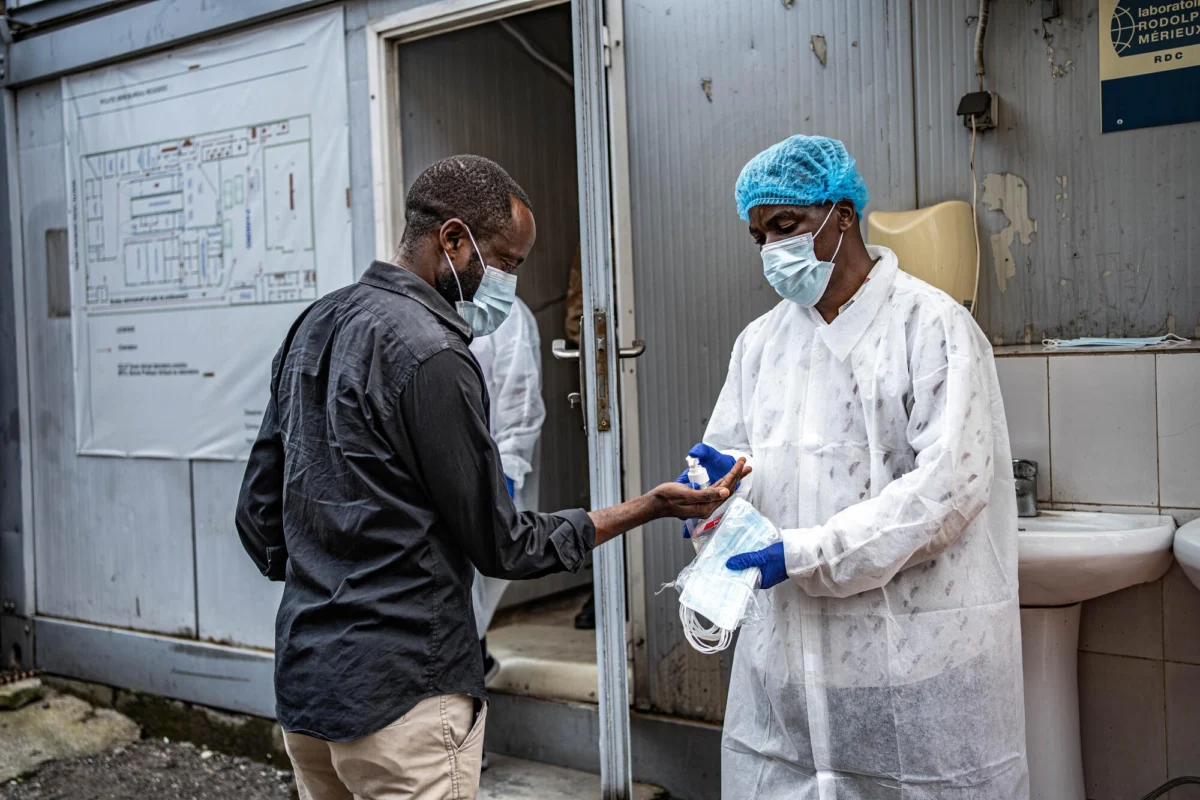
The Current Situation: A Multi-Front Battle
As the Democratic Republic of Congo (DRC) grapples with a resurgence of the Ebola virus, Médecins Sans Frontières (MSF) has launched an expansive, multi-layered emergency operation. The outbreak, occurring against a backdrop of long-standing regional instability, is testing the resilience of local health systems already strained by conflict and displacement.
MSF is currently deploying seasoned medical, logistical, and support teams—many of whom possess extensive experience from previous Ebola interventions—to the epicenter of the crisis. The mission is dual-fold: to contain the immediate viral spread through aggressive clinical intervention and to safeguard the continuity of essential healthcare services in the affected provinces.
The Complexity of Conflict and Containment
The current Ebola outbreak is significantly complicated by the volatile security situation in the northeastern region of the DRC. Mass displacement, fueled by persistent violence, has created a fluid and unpredictable environment. These population movements are a major hurdle for health authorities, as they obstruct the essential pillars of outbreak control: the identification, monitoring, and isolation of suspected cases.
In provinces like Ituri, North Kivu, and South Kivu, the simple act of contact tracing becomes a hazardous logistical operation. MSF teams are operating in a landscape where the virus must be fought not only in sterile treatment centers but in the complex, shifting terrain of a conflict-ridden zone.
Chronology of the Response: A Rapid Mobilization
The speed of the MSF mobilization reflects the urgency of the threat. As of mid-May, the logistics pipeline was working at maximum capacity to ensure that frontline facilities were not left wanting.
- Mid-May (Initial Surge): MSF dispatched 8 tons of critical medical supplies from Kinshasa to Bunia in a single day. This shipment included vital generators, solar panels, and essential medications.
- May 19th (Supply Milestone): By May 19, MSF had successfully delivered 3,000 sets of personal protective equipment (PPE) to the region. Recognizing the scale of the need, the organization secured a pipeline for an additional 60,000 sets to arrive shortly thereafter.
- Ongoing Integration: Alongside supply drops, MSF has integrated Ebola-specific protocols into existing health projects, ensuring that hospitals providing maternal care, child health services, and treatment for preventable diseases remain functional and safe for both patients and staff.
Regional Breakdown: Where MSF is Operating
Ituri Province: The Epicenter
Ituri remains the primary focus of the intervention. MSF teams are currently active in Bunia, Drodro, Angumu, Adi, and Fataki. These teams are providing a range of services, from emergency medical care to the establishment of temporary isolation wards for patients presenting with symptoms.
In Mongbwalu, the site of the first cluster of suspected cases, MSF is collaborating with the Ministry of Health to establish a dedicated Ebola Treatment Center (ETC). This facility is designed to serve as a hub for disease surveillance, triage, and infection control. MSF is also emphasizing community outreach, acknowledging that medical interventions—vaccines, tests, and treatment—are only effective if the local population trusts and participates in the process.
North Kivu: Scaling Treatment Capacity
In North Kivu, the focus has shifted toward institutionalizing treatment infrastructure. MSF is establishing robust treatment centers in Goma, notably at the Kyeshero Hospital. Furthermore, a former cholera treatment center has been rehabilitated into a 60-bed facility dedicated to suspected Ebola cases, with a segregated 10-bed ward for confirmed patients. Simultaneously, assessments are underway in Butembo to address emerging alerts and bridge potential gaps in care.
South Kivu: Heightened Vigilance
While the case count in South Kivu remains low—with one suspected case hospitalized—MSF remains in active dialogue with the Ministry of Health. Preparations for scaling up support in this region include training for local health workers, enhancing surveillance, and refining case management protocols.
Supporting Data: The Logistics of Life-Saving
The scale of this operation is evidenced by the sheer volume of supplies moved into the conflict zones. By May 19, MSF had deployed:
- 8 Tons of immediate supplies: Medicines, PPE, and renewable energy equipment to Bunia.
- Two full Ebola kits: Including high-grade disinfectants and specialized medical equipment for use across the Fataki, Bunia, and Mongbwalu facilities.
- Future Logistics: An additional 9 tons of supplies are currently in transit to ensure the sustainability of the treatment units through the coming weeks.
The Regional Threat: Spillover into Uganda
The threat of the virus transcends borders, as evidenced by the confirmation of two Ebola cases in neighboring Uganda as of May 19. MSF’s history in Uganda is extensive, having managed previous outbreaks through the establishment of specialized treatment units and the rigorous implementation of infection control measures.
MSF has formally notified the Ugandan Ministry of Health that it is on standby, ready to deploy specialized teams to support public health authorities should the situation deteriorate. The organization is utilizing the lessons learned from the 2025 outbreak in Uganda to tailor its current readiness strategy.
Official Responses and Strategic Implications
The strategy employed by MSF is built on the hard-won lessons of past epidemics. The primary implication of the current approach is the integration of "community-centered" medicine.
Community Engagement as a Medical Necessity
The article highlights a fundamental truth of modern epidemiology: technology and medical kits are secondary to community participation. Vaccines and contact tracing are only as effective as the public’s willingness to engage. MSF is investing heavily in health promotion, aiming to demystify the virus, combat stigma, and ensure that families understand how to report symptoms early.
Protecting the Healthcare Ecosystem
A significant concern during any Ebola outbreak is the collapse of routine healthcare. When hospitals become sites of transmission, patients stop seeking care for malaria, childbirth, or routine injuries. MSF is, therefore, prioritizing the implementation of strict infection prevention and control (IPC) measures across all existing health projects. This strategy aims to ensure that the healthcare system continues to provide life-saving services, preventing "secondary deaths" caused by the paralysis of the medical system.
The Road Ahead: Challenges and Priorities
The road ahead remains fraught with difficulty. The combination of armed conflict and a viral outbreak creates a "double-burden" that few health systems can navigate without massive external support.
- Security Constraints: The instability in the northeastern DRC necessitates a constant re-evaluation of safety protocols for medical staff.
- Surveillance and Triage: As seen in Butembo and Goma, the ability to rapidly assess, isolate, and treat patients is the single most important factor in breaking the chain of transmission.
- Vaccine Deployment: While vaccines are a powerful tool, their efficacy is tied to the logistical ability to maintain cold chains in remote, often inaccessible regions.
- Public Trust: The success of the intervention hinges on the transparency of the response. MSF’s commitment to community outreach is a recognition that local engagement is the final, and most critical, barrier against the virus.
Conclusion
The Ebola outbreak in the Democratic Republic of Congo and the subsequent spillover into Uganda represent a critical juncture for regional public health. MSF’s mobilization, while massive in scale, serves as a testament to the need for rapid, flexible, and community-aware medical intervention.
As the organization continues to ship tons of supplies and establish treatment centers across Ituri and North Kivu, the broader international community must remain vigilant. The containment of this virus is not merely a medical challenge; it is a complex humanitarian endeavor that requires sustained funding, logistical access, and, above all, the continued trust and cooperation of the communities on the front lines of the fight. The ongoing conflict makes the task significantly harder, but the commitment of frontline responders remains the cornerstone of the international effort to prevent a regional epidemic.

 Rifan Muazin
 Asep Darmawan