
 Nana
Nana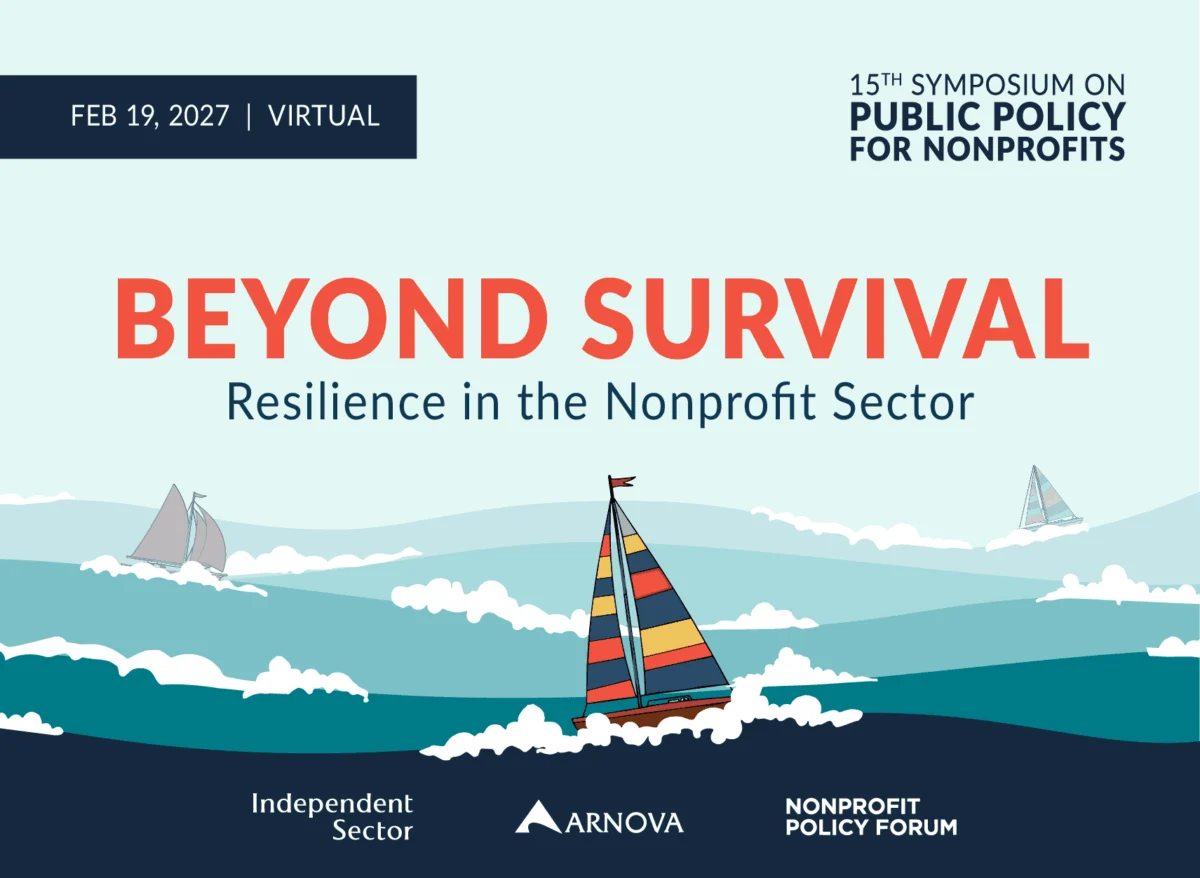
Washington, D.C. – As the bedrock of civil society, the nonprofit and philanthropic sectors face an unprecedented confluence of challenges, from economic instability and evolving regulatory landscapes to shifts in public trust and technological disruption. In this dynamic environment, the Symposium on Public Policy for Nonprofits has consistently served as a vital intellectual and practical crucible, bringing together a diverse array of stakeholders to confront the most pressing issues shaping the sector’s present and future. Now in its 15th year, the upcoming 2027 symposium, themed "Beyond Survival: Resilience in the Charitable Sector," promises to be a pivotal moment for collective introspection and strategic foresight.
Co-sponsored by three eminent organizations—the Association for Research on Nonprofit Organizations and Voluntary Action (ARNOVA), Independent Sector, and the Nonprofit Policy Forum (NPF)—the symposium has carved out a distinctive niche. It is a space where the rigorous insights of researchers converge with the lived experiences of nonprofit and philanthropic leaders, the strategic imperatives of policymakers, and the broader perspectives of sector stakeholders. This interdisciplinary dialogue is not merely academic; it is designed to ask timely, difficult, and profoundly consequential questions about the policies that define, enable, and constrain nonprofit life.
The 15th iteration of this influential gathering is scheduled to take place virtually on February 19, 2027. This digital format ensures accessibility for a global audience, allowing a wider spectrum of voices to contribute to the critical discussions. The overarching goal remains steadfast: to explore the intricate interplay between public policy and the health, effectiveness, and long-term sustainability of nonprofits and philanthropy. With a call for proposals currently open until June 26, 2026, the organizers are inviting researchers, practitioners, and policymakers to contribute their insights and help shape an agenda that will define the charitable sector’s trajectory for years to come.
Main Facts: A Confluence of Minds for a Critical Moment
The Symposium on Public Policy for Nonprofits stands as a unique forum dedicated to dissecting the complex policy environment in which charitable organizations operate. Its enduring success is rooted in the collaborative spirit of its co-sponsors: ARNOVA, the premier association for nonprofit scholars; Independent Sector, a leading voice for the charitable community advocating for a healthy and equitable sector; and the Nonprofit Policy Forum, an open-access journal providing a scholarly platform for policy analysis. This triad ensures a comprehensive approach, blending academic rigor, practical wisdom, and policy advocacy.
The forthcoming 2027 symposium, "Beyond Survival: Resilience in the Charitable Sector," arrives at a critical juncture. It directly addresses the overarching question that has come to define the modern nonprofit experience: How can nonprofits remain effective, accountable, trusted, and mission-centered while adapting to profound uncertainty? This question transcends simple operational concerns, delving into the very philosophical underpinnings of the sector’s role in society. The organizers are not merely seeking incremental adjustments but are calling for a fundamental re-evaluation of how individual nonprofits and the charitable sector as a whole can not only withstand current challenges but thrive in an ever-shifting landscape.
Key challenges identified for discussion in the call for proposals include financial sustainability, workforce stability, governance capacity, technological adaptation, policy engagement, and service delivery. These areas represent the frontline struggles of organizations ranging from small community-based initiatives to large national foundations. The symposium aims to foster a dialogue that moves beyond merely identifying problems, instead seeking innovative, policy-informed solutions that can bolster the sector’s inherent strengths. By convening researchers, practitioners, and policymakers, the event facilitates a rare cross-pollination of ideas, ensuring that scholarly findings inform practical strategies and that real-world challenges guide research agendas.
Chronology: Tracing the Sector’s Evolving Landscape
Over its illustrious 15-year history, the Symposium on Public Policy for Nonprofits has served as a dynamic mirror reflecting the evolving concerns of the charitable sector. From its inception, the symposium recognized the inextricable link between public policy and the operational realities of nonprofits, a perspective that was, at times, overlooked in more siloed academic or practitioner discussions. The early years often grappled with the fallout from economic recessions, examining themes such as "Navigating Fiscal Austerity: Nonprofits and Government Funding Cuts" or "Rebuilding Trust: Post-Scandal Governance and Accountability." These foundational discussions laid the groundwork for understanding the sector’s delicate dependency on external economic and regulatory forces.
As the years progressed, the symposium’s themes consistently tracked the most urgent questions facing the sector, demonstrating a remarkable foresight in anticipating emerging challenges. For instance, following the increasing integration of technology, a symposium might have explored "The Digital Frontier: Data Privacy, Online Fundraising, and Regulatory Oversight." The mid-period saw a heightened focus on human capital, perhaps with themes like "The Workforce Crisis: Attracting, Retaining, and Empowering Nonprofit Talent," directly addressing issues of burnout, compensation, and leadership development that continue to resonate today. More recently, as societal inequities gained renewed prominence, discussions pivoted towards "Equity, Diversity, and Inclusion in Policy: Shaping a More Just Charitable Sector," examining how policy can either hinder or accelerate efforts to create more equitable organizations and communities.
This chronological progression of themes tells a compelling story: the nonprofit sector is not simply reacting to isolated crises but is operating within an environment shaped by overlapping and interconnected pressures. Each annual symposium has built upon the insights of its predecessors, creating a cumulative body of knowledge. This continuity is significantly bolstered by the role of the Nonprofit Policy Forum (NPF). As the open-access journal co-sponsoring the event, NPF has served an invaluable archival function. While a one-day symposium can generate powerful, transformative ideas, the risk of those insights dissipating after the event concludes is high. NPF mitigates this risk by providing a robust publication venue where selected papers, commentaries, case studies, and policy analyses presented at the symposium can be rigorously revised, refined through peer review, and ultimately shared with a wider academic and practitioner audience.
The NPF’s role ensures that each symposium is not merely a fleeting moment of exchange but lives on to spur ongoing conversations, inform future scholarship, and influence policy development. The editors of NPF, who have had the privilege of seeing the event from multiple vantage points—as scholars, organizers, listeners, and participants—attest to how symposium papers often begin as timely responses to current events and then develop into more lasting contributions. This process transforms urgent field questions, such as "How should nonprofits communicate impact?" or "How do public policies strengthen or weaken nonprofit capacity?" into enduring knowledge that shapes the sector’s intellectual and practical evolution.
Supporting Data: Navigating Overlapping Pressures and Defining Resilience
The contemporary nonprofit sector operates under a complex web of "overlapping pressures," a reality that the symposium has consistently sought to illuminate. These pressures are not theoretical constructs but manifest daily in the operational struggles and strategic dilemmas faced by organizations across the charitable landscape.
One significant pressure point is changes in government funding. Decades of fluctuating political priorities, economic downturns, and shifting budget allocations have led to an unpredictable funding environment. Many nonprofits, particularly those in social services, healthcare, and education, rely heavily on government contracts and grants. Reductions or delays in these funds can lead to service cuts, staff layoffs, and even organizational closures, forcing a constant scramble for alternative revenue streams.
Evolving tax and regulatory policy adds another layer of complexity. Changes to charitable deduction incentives, state-level fundraising regulations, or even interpretations of tax-exempt status can profoundly impact an organization’s financial viability and operational scope. Staying abreast of these changes, let alone influencing them, requires significant legal and administrative capacity that many smaller nonprofits lack.
The sector also grapples with profound workforce instability. The "Great Resignation" and persistent issues like low wages, burnout, and a lack of professional development opportunities have created significant challenges in attracting and retaining talent. Nonprofits often demand passionate, highly skilled individuals but struggle to offer competitive compensation and benefits, leading to high turnover and a depletion of institutional knowledge.
Technological disruption presents both opportunities and threats. While digital tools can enhance efficiency, outreach, and impact measurement, they also necessitate significant investment in infrastructure, training, and cybersecurity. The digital divide can exacerbate existing inequalities, leaving some organizations unable to leverage new technologies effectively.
Demographic change impacts both the communities served and the donor base. Shifting population patterns, aging demographics in some regions, and increasing diversity require nonprofits to adapt their programs, communication strategies, and fundraising approaches to remain relevant and effective.
Perhaps most insidiously, uncertain or declining public trust poses a fundamental threat to the sector’s legitimacy and ability to garner support. High-profile scandals, political polarization, and a general erosion of trust in institutions can make it harder for nonprofits to raise funds, recruit volunteers, and advocate for their causes. This is often compounded by a polarized political environment, where even ostensibly non-partisan issues can become politicized, forcing nonprofits to navigate treacherous ideological waters.
These pressures affect nonprofits differently depending on their size, subsector (e.g., arts vs. environmental vs. social services), geography, funding mix, leadership, and communities served. However, they collectively underscore the common question at the heart of the 2027 symposium: "How can nonprofits remain effective, accountable, trusted, and mission-centered while adapting to profound uncertainty?"
The symposium’s theme, "Beyond Survival: Resilience in the Charitable Sector," is therefore incredibly timely and intentionally framed. Resilience, in this context, is not a call for nonprofits to simply "endure more with less." It does not romanticize scarcity, overwork, or permanent crisis management. Instead, it invites serious inquiry into the conditions that allow nonprofits to adapt without abandoning their core mission, to innovate without losing accountability, and to serve communities without exhausting their dedicated workforce. This nuanced understanding of resilience is crucial for developing policies and practices that truly empower the sector. The call for proposals further specifies areas of inquiry, including how nonprofits are weathering current challenges related to financial sustainability, workforce stability, governance capacity, technological adaptation, policy engagement, and service delivery, ensuring a holistic examination of sector resilience.
Official Responses: Bridging Research, Practice, and Policy
The symposium’s distinctive strength lies in its explicit rejection of treating research, practice, and policy as separate, insular domains. Instead, it operates on the foundational assumption that each perspective is profoundly enriched by the others. As the editors of the Nonprofit Policy Forum have observed, the most meaningful symposium conversations occur precisely when these diverse perspectives interact with and constructively challenge one another.
This integrated approach creates a vital intellectual space. It welcomes rigorous empirical research, which provides the evidence base for understanding sector trends and impacts. But it equally values incisive policy analysis, which translates research findings into actionable recommendations and scrutinizes the implications of legislative and regulatory frameworks. Crucially, it makes ample room for practitioner reflection, capturing the on-the-ground wisdom, innovative strategies, and lived experiences of those directly engaged in service delivery and advocacy. Finally, it incorporates sector data, allowing for a broad, informed understanding of trends and patterns.
The symposium’s embrace of diverse perspectives extends beyond disciplinary boundaries. It invites national perspectives, recognizing the overarching federal policies and macroeconomic trends that shape the sector. Yet, it also actively seeks state, local, comparative, and international insights, acknowledging that nonprofit policy is often forged and implemented at multiple levels, with distinct regional and global variations. This comprehensive view ensures that solutions are contextually relevant and broadly applicable.
A recurring theme articulated by the symposium’s organizers and consistently reinforced by its content is the expansive definition of "nonprofit policy." It is not confined merely to regulations or tax law. Instead, it is understood as encompassing broader societal concerns: democracy, equity, infrastructure, labor, voice, trust, and the public good. This holistic perspective recognizes that the health of the charitable sector is intertwined with the fundamental values and structures of a democratic society. It implies that policy interventions should not only aim to streamline operations or ensure compliance but also to foster a more just, participatory, and trusting civil society.
The co-sponsoring organizations, ARNOVA, Independent Sector, and NPF, each bring a unique and complementary "official response" to the challenges facing the sector. ARNOVA emphasizes the critical need for evidence-based decision-making, advocating for research that is both rigorous and relevant to real-world problems. Independent Sector, with its focus on advocacy and leadership, champions policies that strengthen the entire charitable ecosystem, ensuring nonprofits have the resources and autonomy to fulfill their missions. NPF, as a scholarly journal, provides the intellectual framework and enduring platform for these discussions, ensuring that the insights generated at the symposium contribute to a cumulative body of knowledge that can inform future generations of scholars, practitioners, and policymakers. Their combined efforts underscore a shared commitment to a vibrant, effective, and ethically sound nonprofit sector.
Implications: Building a More Resilient and Equitable Future
The Symposium on Public Policy for Nonprofits is more than an annual event; it is a catalyst for long-term impact. The discussions, debates, and presentations that occur over its one-day span have profound implications, shaping not only immediate responses to current challenges but also the strategic trajectory of the sector. The insights gleaned from the symposium inform future scholarship, providing researchers with new avenues for inquiry and critical questions to explore. They directly influence practice, offering nonprofit leaders and philanthropists innovative strategies, best practices, and a deeper understanding of the policy landscape to navigate their organizations more effectively. Crucially, they guide policy, providing legislators and regulators with evidence-based recommendations and a nuanced understanding of the sector’s needs, enabling them to craft more informed and supportive public policies.
In its 15th year, the symposium powerfully reminds us why sustained collaboration between researchers, practitioners, and policymakers is not merely beneficial but absolutely essential. The challenges confronting nonprofits—from climate change to social fragmentation, from economic inequality to health crises—are simply too complex, too multifaceted, and too deeply entrenched for any one discipline, organization, or sector perspective to solve in isolation. We need the rigorous evidence that only robust research can provide, the practical wisdom forged in the crucible of daily service delivery, the imaginative policy solutions that can reshape systems, and the honest, open dialogue that bridges divides. The symposium uniquely brings these indispensable elements together.
The NPF editors, reflecting on their tenure and the symposia they have helped guide, aptly characterize the event as one of the most important bridges in the field. It serves as a vital conduit:
- A bridge between scholarship and practice: Translating academic theories into actionable strategies and grounding research in real-world experiences.
- A bridge between immediate challenges and long-term learning: Addressing urgent crises while simultaneously building a lasting knowledge base for future resilience.
- A bridge between the nonprofit sector we have and the more resilient and equitable sector many of us are working to build: Providing a forum for envisioning and collectively constructing a future where charitable organizations are not only surviving but thriving, fostering greater social good and justice.
The "Beyond Survival: Resilience in the Charitable Sector" symposium is therefore an invitation to participate in a collective endeavor of profound significance. It is an opportunity to contribute to a shared understanding of the sector’s vulnerabilities and strengths, to forge new partnerships, and to collectively imagine and enact policies that will empower nonprofits to fulfill their critical missions in an increasingly uncertain world.
All those with a stake in the health and vitality of the nonprofit sector and philanthropy are strongly encouraged to engage in this pivotal event. The 15th Symposium on Public Policy for Nonprofits, scheduled virtually on February 19, 2027, offers a unique opportunity to contribute to the ongoing conversation about public policy affecting nonprofits and philanthropy. By reviewing the call for proposals and submitting responses by June 26, 2026, individuals and organizations can add their invaluable voice to shaping a more resilient, accountable, and impactful charitable future. The time for proactive engagement, collaborative problem-solving, and visionary leadership is now.


 Asep Darmawan
 Nana Wu