

 Nana
Nana
In the contemporary professional landscape, the pursuit of productivity has become a modern obsession. From Silicon Valley startups to remote-first global enterprises, employees are constantly searching for the "secret sauce" to unlock greater output, higher success, and a better quality of life. Yet, as the data increasingly shows, the traditional, frantic approach to "hustle culture" is often counterproductive, leading to burnout rather than brilliance.
To achieve sustainable success, we must move away from the performative nature of being "busy" and move toward a human-centric model of work—one that prioritizes well-being, intentional focus, and systematic execution.
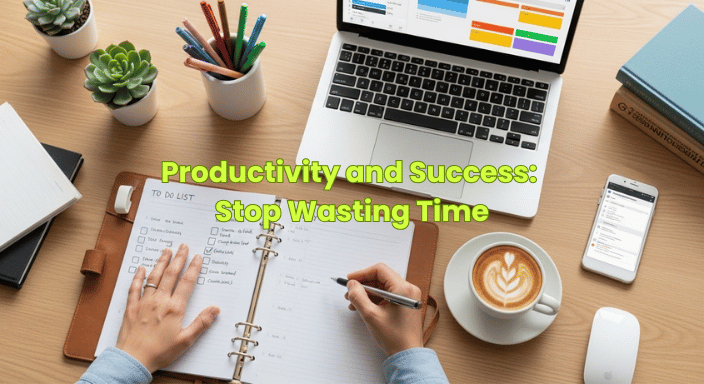
The Shift from Activity to Impact: Main Facts
The primary challenge facing the modern workforce is the "busy trap." Many professionals equate the number of hours spent at a desk, the volume of emails answered, or the number of meetings attended with actual productivity. However, this is a fundamental misconception.
Key insights include:

- The Illusion of Activity: True productivity is defined by the value of the output, not the volume of the activity.
- The Health-Productivity Link: Scientific consensus now confirms that employee well-being is the engine of performance. Healthy, rested, and mentally balanced individuals consistently outperform their counterparts.
- The Myth of Perfectionism: Striving for perfection often results in analysis paralysis and unnecessary stress, whereas "good enough" execution, followed by iterative improvement, leads to faster progress.
A Chronology of the Modern Productivity Crisis
The evolution of how we work has been rapid and, at times, jarring. Understanding this timeline helps explain why current productivity strategies often feel outdated.
- The Industrial Era (Pre-2000s): Work was defined by physical presence and repetitive tasks. Success was measured by endurance and time spent on the factory floor or in the office.
- The Digital Dawn (2000–2015): The introduction of email, instant messaging, and constant connectivity began to erode the boundaries between work and personal life. The "always-on" culture was born.
- The Overload Period (2015–2020): As software-as-a-service (SaaS) tools proliferated, the average employee found themselves juggling dozens of platforms, leading to "context switching" and fragmented focus.
- The Pandemic Pivot (2020–2022): Remote work became the norm. While it offered flexibility, it also removed the physical "reset" of the commute, forcing workers to build their own professional boundaries for the first time.
- The Era of Intentionality (2023–Present): We are currently in a corrective phase where organizations and individuals are prioritizing "Deep Work," mental health, and high-leverage activities over the sheer quantity of tasks.
Supporting Data: The Science of Focus
Research into workplace behavior has consistently highlighted that the human brain is not built for the multitasking we demand of it.

- The Cost of Switching: Studies suggest that it takes an average of 23 minutes to regain deep focus after a single interruption. For an employee receiving dozens of notifications daily, the cumulative loss in cognitive output is staggering.
- The Correlation of Well-being: Data from the World Health Organization (WHO) and various longitudinal studies indicate that organizations investing in mental health programs see a 4:1 return on investment through reduced absenteeism and increased engagement.
- The Power of Rest: Research into high-performance athletes and cognitive professionals alike confirms that the "work-rest-work" cycle is superior to continuous labor. Brief, regular breaks actually serve to replenish the prefrontal cortex, allowing for sustained problem-solving capabilities.
Official Perspectives: Why Organizations Are Changing
Corporate leadership is moving away from tracking "hours logged" toward "outcomes delivered." Forward-thinking organizations are now implementing the following strategies to foster a more productive environment:
- Asynchronous Communication: By reducing the reliance on "instant" responses, companies are giving their employees the space to engage in deep, uninterrupted work.
- Mental Health Initiatives: Employers are moving beyond basic insurance packages to offer comprehensive mental health support, recognizing that a stressed brain cannot innovate.
- Outcome-Based Management: Instead of managing processes, leaders are focusing on clear, measurable outcomes. This provides employees with the autonomy to decide how they reach their goals, which increases ownership and motivation.
The Strategic Toolkit: Building Systems
If motivation is a fleeting emotion, systems are the bedrock of success. To build a system that works, one must integrate these three pillars:

1. The Power of "Deep Work" Blocks
Schedule specific periods in your calendar for complex tasks. Treat these as non-negotiable appointments. During these blocks, all notifications—email, Slack, phone—must be silenced. This is where the highest-value work is created.
2. The Art of Prioritization
Utilize the Eisenhower Matrix or the "1-3-5" rule: accomplish one big task, three medium tasks, and five small tasks per day. By clarifying what is "essential" versus "urgent," you reduce the cognitive load of decision-making.
3. Technological Stewardship
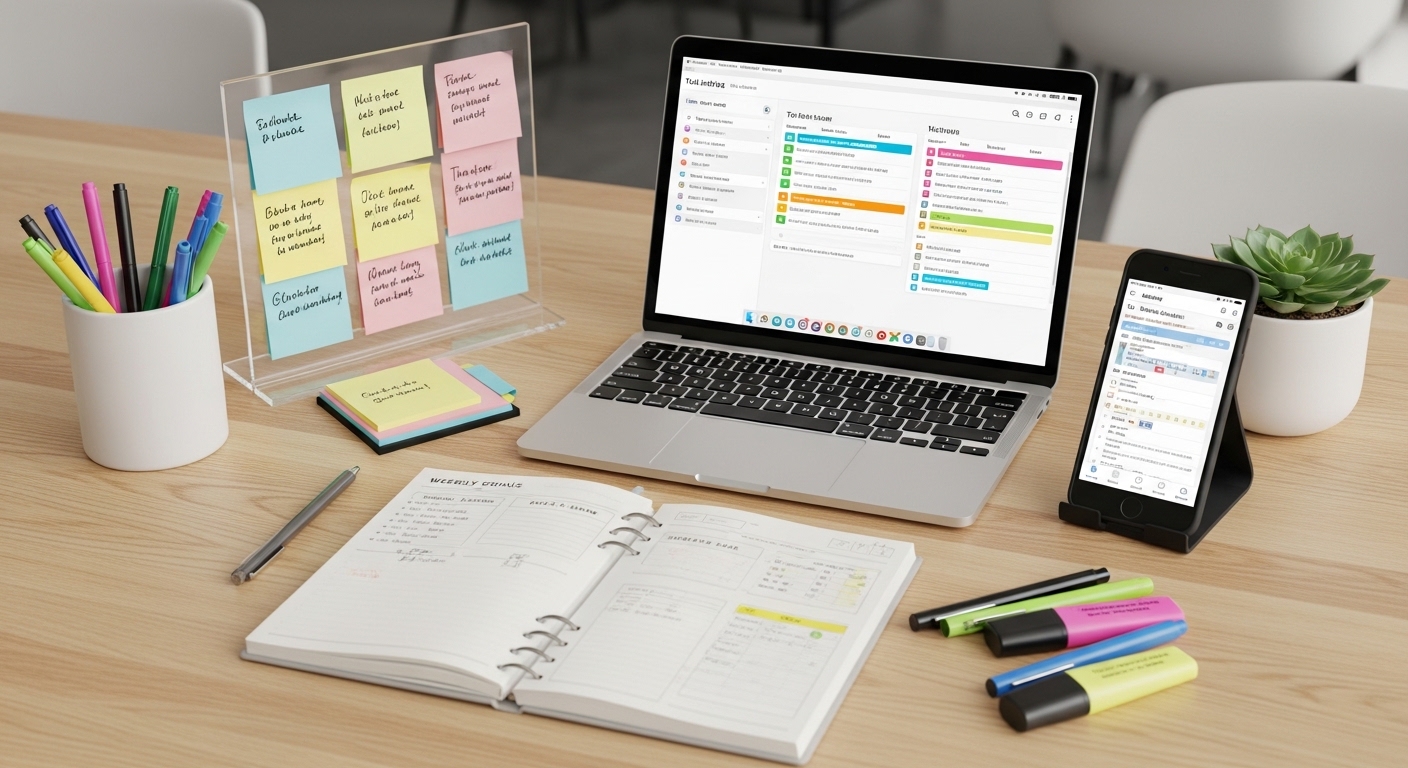
Technology is a tool, not a master. Automate repetitive tasks—such as scheduling, invoicing, or data entry—to free up time for strategic thinking. However, be vigilant against the "productivity tool trap," where managing the tools takes more time than doing the actual work.
Implications: The Future of Work
The implications of this shift are profound. As AI and automation take over routine administrative tasks, the human role in the workforce is increasingly focused on creativity, strategy, and emotional intelligence.

The long-term success of the individual and the organization depends on:
- Resilience over Endurance: Instead of pushing to the point of collapse, professionals must prioritize the long game. Sustainable productivity is about maintaining a baseline of high performance over decades, not a week of burnout.
- The Redefinition of "Success": True success is no longer defined solely by the bottom line. It includes the retention of talent, the health of the team, and the quality of the work produced.
- Boundary Management: Whether working remotely or in a hybrid model, the ability to "switch off" is the ultimate competitive advantage. Without recovery, there is no high-level creativity.
Final Thoughts: Designing Your Own Success
Productivity is not a universal formula; it is a personalized architecture. It is built on the understanding that you are a human being, not a machine. By stripping away the non-essential, protecting your mental bandwidth, and building systems that align with your natural energy cycles, you can achieve more while suffering less.

The goal is not to do more things; it is to do the right things with full presence. When you stop chasing the shadow of "busyness" and start chasing the light of meaningful progress, you will find that success is not just a destination—it is the natural byproduct of a life lived and worked with intention.
As you look toward your next project, ask yourself: Is this moving the needle, or am I just filling the space? The answer to that question is the key to unlocking your true potential.

 Ammar Sabilarrohman
 Nana Wu