

 Nila Kartika Wati
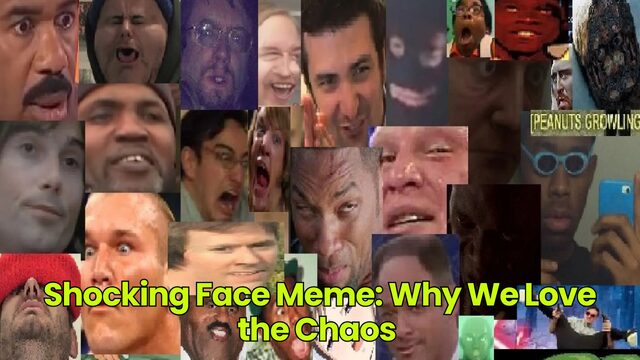
In the vast, ephemeral landscape of digital communication, few linguistic or visual tools have proven as resilient as the "shocked face" meme. From the wide-eyed, jaw-dropped reactions of television personalities to the cartoonish renderings of viral internet stars, this specific genre of imagery has become the universal shorthand for human astonishment. But what is it about a gaping mouth and raised eyebrows that commands such power in the digital age?
As we navigate an era defined by rapid-fire information and constant sensory input, the "shocked face" serves as a vital emotional anchor. It is a digital totem of our collective experience, allowing us to process the absurd, the outrageous, and the unpredictable with a single, shared visual language.
1. The Anatomy of Surprise: Why We Are Wired for Shock
At its core, the appeal of the shocked face meme is rooted in evolutionary psychology. Shock is a primitive, high-alert emotion designed to focus our attention on unexpected stimuli. When an organism encounters a sudden change in its environment, the brain triggers a cascade of responses meant to evaluate potential danger or opportunity.
In the digital sphere, this mechanism is hijacked for entertainment. When a user scrolls through a feed and encounters a face frozen in profound disbelief, the brain instinctively pauses. This is not a conscious choice; it is a neurological reflex. By utilizing this reaction, content creators ensure that their memes stop the "scroll," forcing the viewer to engage with the context—be it a political gaffe, a celebrity scandal, or an inexplicable viral trend.

2. A Chronology of the "Shocked Face"
While the digital age has accelerated the proliferation of these memes, the concept of the "shocked reaction" has a deep history in visual culture.
- The Pre-Digital Era: Long before social media, the shocked expression was a staple of physical comedy. From silent film stars like Charlie Chaplin to the exaggerated reactions of sitcom actors in the 1980s, the "look of surprise" was a foundational tool for comedic timing.
- The Early 2000s: With the advent of forums and early social media platforms, static images began to circulate. The "Surprised Pikachu" or the "Steve Harvey Shocked" templates emerged as early, iconic iterations that allowed users to add their own text to a pre-existing emotional state.
- The Viral Peak (2010s–Present): As Instagram, Twitter (now X), and Facebook became the primary arenas for social interaction, the shocked face evolved from a niche joke to a mainstream communication tool. It moved beyond simple humor to become a standard reaction to breaking news, shifting the tone of online discourse from purely informative to highly emotional.
3. Supporting Data: The Virality of Emotion
Research into digital engagement consistently demonstrates that high-arousal emotions—both positive and negative—are the strongest drivers of content sharing. A study by the Wharton School of Business found that content evoking "awe," "excitement," or "surprise" is significantly more likely to go viral than content that is purely informational.
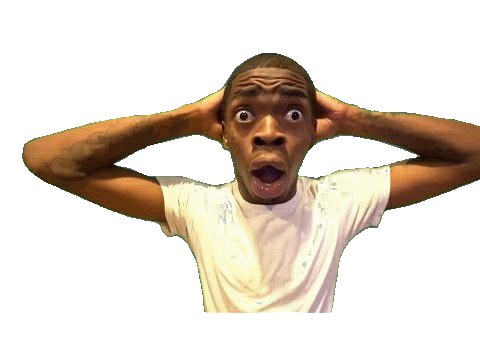
The shocked face meme acts as a catalyst for this engagement. When a user shares a meme featuring a stunned expression, they are signaling their own emotional state to their network. Data from social media analytics platforms suggests that posts containing a strong visual reaction receive 30% more shares and comments than text-only updates, as they provide a "hook" for others to chime in with their own interpretations of the absurdity.
4. The Societal Implications of "Reactionary Humor"
The prevalence of the shocked face meme has profound implications for how we process current events. We live in a 24-hour news cycle where the threshold for "shocking" is constantly being pushed higher.

Critics argue that this reliance on reactionary imagery can lead to the "trivialization" of serious events. When a geopolitical crisis or a major policy shift is reduced to a meme, the nuance of the event is often lost. However, proponents argue that these memes serve as a crucial coping mechanism. By laughing at the absurdity of a situation through a shared image, the public can process overwhelming information in a way that feels communal rather than isolating. The meme becomes a pressure valve, allowing us to acknowledge the chaos of the world without succumbing to total apathy.
5. The Creator’s Toolkit: Why the Format Persists
One of the primary reasons for the longevity of the shocked face is its modularity. The format is a "blank slate" that invites user participation. Whether it is an animated GIF from a popular TV show or a screenshot of an awkward news interview, the image provides the "what" (the emotion), while the user provides the "why" (the caption).
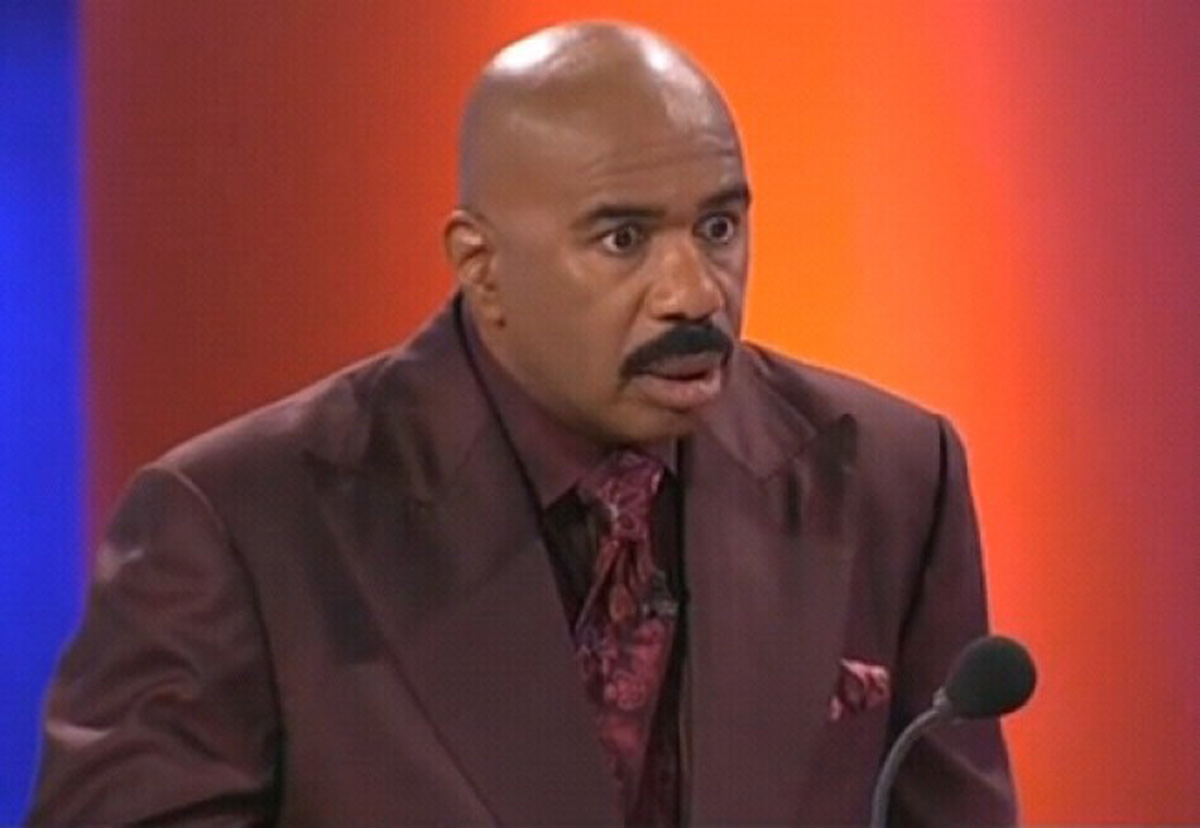
This DIY nature empowers users to become creators. By adding a witty caption to a classic shocked face, a user can transform a generic image into a biting piece of social commentary. This adaptability ensures that the meme never becomes "stale"; it simply migrates to new contexts, adopting new meanings as the cultural conversation shifts.
6. Official Responses and Cultural Legitimacy
In recent years, the boundary between "internet culture" and "real-world discourse" has blurred. Major media outlets now frequently incorporate memes into their reporting, and PR firms often use "meme-able" moments to humanize brands.

The shocked face has even entered the lexicon of corporate communication. Brands that utilize these memes in their social media strategy often see a higher level of brand affinity among younger demographics. By adopting the language of the internet, corporations are attempting to appear more "authentic" and "in on the joke." However, this has sparked debate regarding the authenticity of digital expression—when a corporation uses a "shocked face" to promote a product, does it diminish the emotional weight of the expression for the average user?
7. The Future of the "Shocked" Aesthetic
As we look toward the future of digital interaction, the shocked face is likely to undergo further transformations. With the rise of AI-generated content, we are beginning to see "hyper-real" shocked faces that are indistinguishable from photographs. This technology will allow for even more customization, potentially leading to a new era where we can generate a "shocked" version of ourselves or our favorite historical figures to react to any given moment.

Yet, despite these technological leaps, the fundamental human need for connection through shared surprise will remain. Whether it is a crudely drawn stick figure or a high-definition AI render, the expression of disbelief will continue to be a cornerstone of our digital identity.
Conclusion: A Lingering Legacy
The "shocked face" meme is more than just a fleeting internet fad. It is a testament to the way humans have adapted to a world that is increasingly complex, unpredictable, and loud. By distilling the feeling of surprise into a single, repeatable image, we have created a shorthand that allows us to find common ground in the chaos.
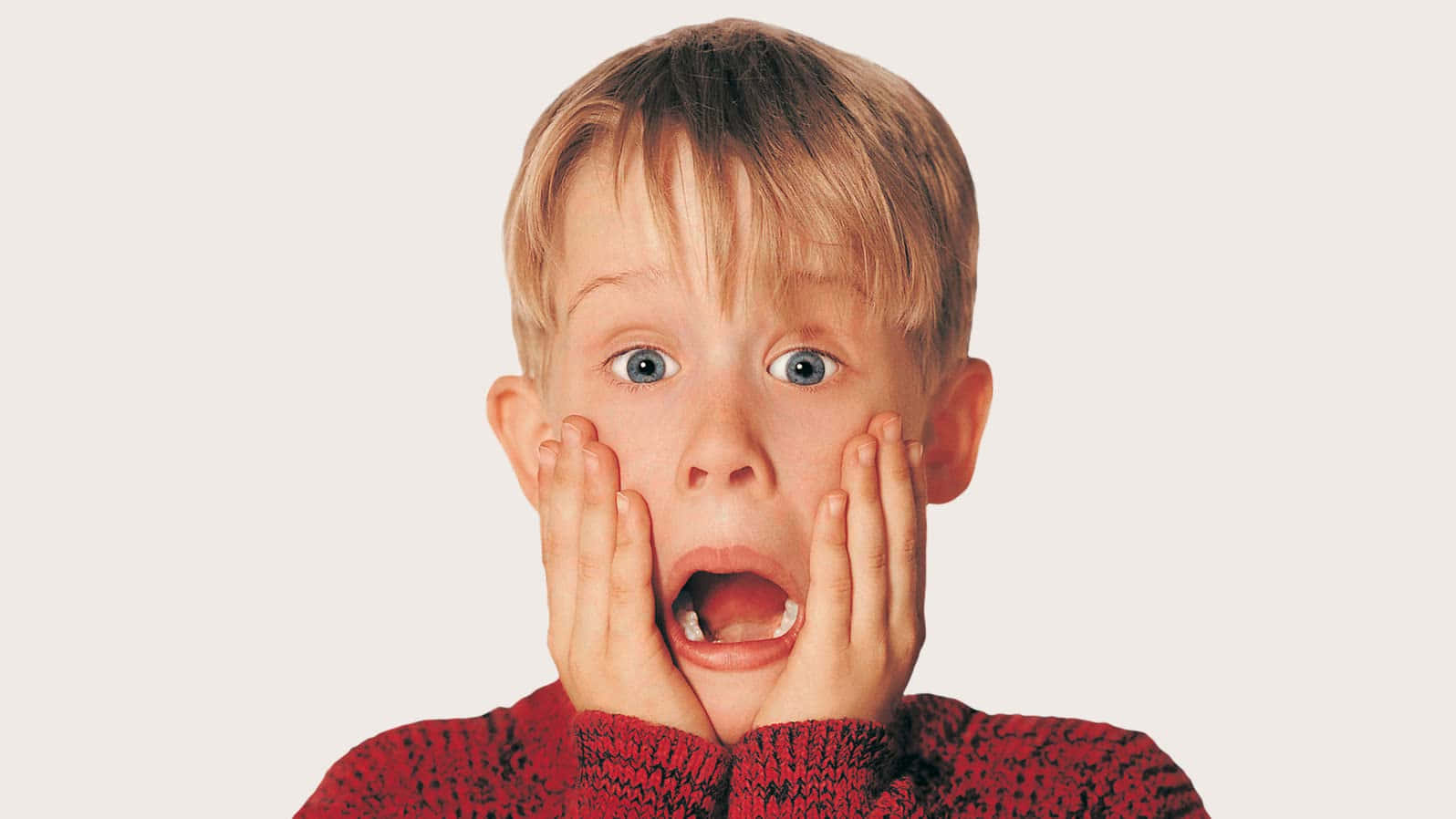
As long as the world continues to throw curveballs at us—be they triumphs, tragedies, or the simply bizarre—we will continue to reach for the shocked face. It is the digital reflection of our collective humanity: wide-eyed, slightly overwhelmed, and constantly searching for a way to tell our neighbors, "Can you believe this?"


 Ammar Sabilarrohman
 Nana Wu