



 Neng Nana
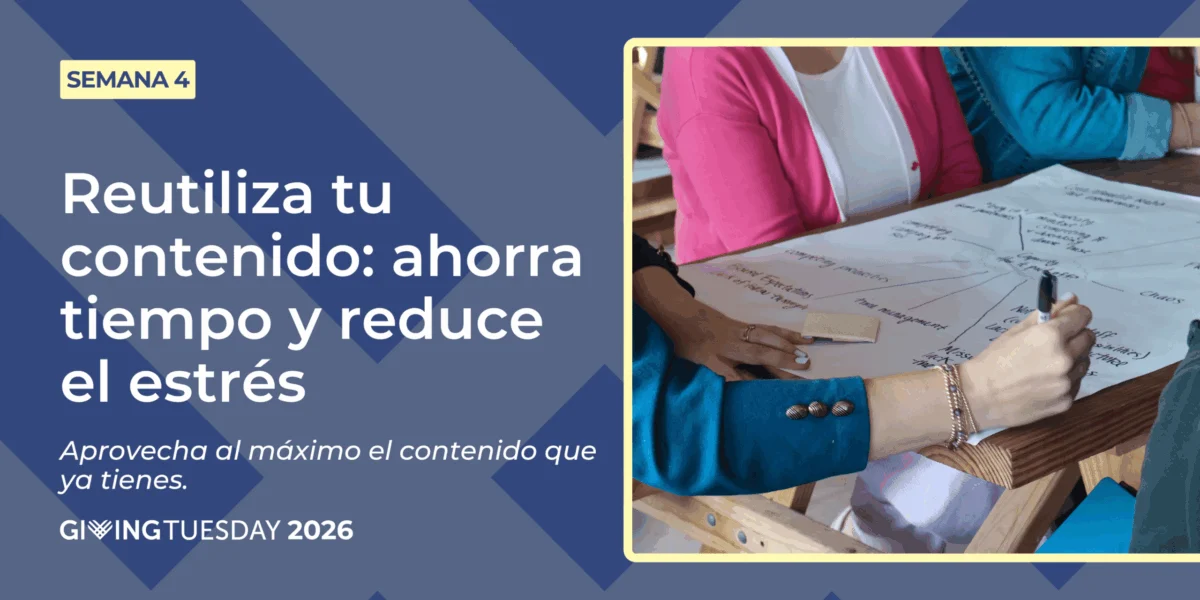
As #GivingTuesday approaches on December 1, 2026, organizations worldwide are preparing for the year’s most significant day of generosity. With only eight weeks remaining, the pressure to produce a high-impact campaign is mounting. However, the secret to success does not lie in an endless production of new content, but in the intelligent application of "divisible content"—a strategy that transforms a single, powerful narrative into a comprehensive, multi-channel movement.
For many non-profit teams, especially those operating with lean staffs or as solo practitioners, the "content treadmill" is a source of constant anxiety. The assumption that one needs a dedicated creative department to make a splash on GivingTuesday is a myth that often leads to burnout. In reality, your organization already possesses the most important asset: a compelling story.
The Strategy: Mastering Content Divisibility
At its core, divisible content is the art of taking a singular "pillar" piece—such as a deep-dive blog post, a comprehensive impact report, or a heartfelt video documentary—and deconstructing it into smaller, digestible fragments tailored for specific platforms.
How to Practice Content Divisibility
The strategy requires you to build your "pillar" content with the future in mind. Instead of writing a generic appeal, craft a story about a beneficiary or a specific success case. From that single asset, you can derive:
- Short-form video clips (Reels/TikToks) highlighting the emotional climax of the story.
- Carousel graphics for Instagram that break down the "how-to" of your impact.
- Email snippets that provide a "teaser" of the full story, driving traffic to your landing page.
- Infographics that translate the qualitative story into quantitative success metrics.
By approaching your content this way, you create a library of resources from a single source, ensuring consistency across all channels without the need to start from scratch every day.
Chronology: A Roadmap to December 1
To avoid the last-minute scramble, organizations should adopt a phased approach to their content deployment.
Phase 1: The Foundation (Weeks 8–6)
Focus on identifying your strongest stories. Ask yourself: Who are our donors? What motivates them? What assets—photos, raw testimonials, or mobile-recorded videos—do we already have? This is the time to build your primary "pillar" stories.
Phase 2: The Anticipation (Weeks 5–3)
Begin teasing your campaign. Don’t ask for money yet; instead, share the "why." Introduce the people you serve and the impact you generate. This builds emotional familiarity, which is the precursor to trust.
Phase 3: The Call to Action (Weeks 2–1)
Shift the tone toward urgency. Use the assets you have already created to remind your audience of the upcoming date. The repetition of your message across different formats (email, social media, peer-to-peer sharing) reinforces the commitment.
Phase 4: The Big Day (December 1)
Execute your final push. Leverage your existing volunteer network to amplify your message, ensuring that the day is characterized by high engagement and clear, frictionless donation pathways.
Supporting Data: Why GivingTuesday Works
The efficacy of GivingTuesday is not just anecdotal; the numbers demonstrate a global phenomenon that continues to break records. In 2025 alone, GivingTuesday generated $4 billion in the United States, with 38.1 million participants. Since its inception in 2012, the movement has fueled more than $22.5 billion in total giving.
International trends are equally compelling. The Online Giving Radar study indicates that for Latin America, the transaction volume on GivingTuesday is five times higher than on a typical day, with overall activity levels soaring 40% above the daily average. This suggests that the movement acts as a catalyst, effectively "waking up" donors who might otherwise remain dormant.
Furthermore, the impact of the day extends beyond financial contributions. In 2025, over 11 million people in the U.S. volunteered their time, and nearly 21 million used their voices on social media to advocate for causes. For organizations, the data is clear: those who participate in structured, community-based GivingTuesday campaigns raise 90% more money and see an 85% increase in donors per capita compared to those who do not.
Official Perspectives: The Power of Collective Action
GivingTuesday leaders emphasize that the day is fundamentally about "generosity in motion." By taking control of their own narrative, organizations shift from passive observers to active participants in a global movement.
"The goal is not to chase trends, but to ground your appeal in authentic human experience," says an expert in the field. When an organization shares the story of a volunteer helping a neighbor or a child receiving a life-changing resource, they are not just asking for a donation; they are inviting the donor to become a protagonist in that story.
The "Online Giving Radar" and other sector-specific studies reiterate that while organizations often fear "noise," the reality is that opting out simply means being absent from the conversation. Participation is the only way to ensure your cause remains top-of-mind for the world’s most generous individuals.
Implications: Building Long-Term Trust
While the primary goal of GivingTuesday is often defined by immediate fundraising targets, the long-term implications for organizational health are more profound.
Repetition as Trust
Few donors give upon the first request. The "rule of seven"—the marketing principle that a prospect needs to see a message seven times before taking action—applies to non-profits as much as it does to commercial brands. By repurposing content, you ensure your message appears in different contexts, creating the familiarity necessary to build trust.
Data-Driven Evolution
Post-December 1, it is vital to block time for an "after-action review." By evaluating which pieces of content resonated, where the audience dropped off, and which channels remained silent, organizations can create a roadmap for future campaigns.
The metrics of success are twofold:
- Quantitative: Dollars raised, number of new donors, and conversion rates.
- Qualitative: The strengthening of your community, the depth of your storytelling library, and the increased visibility of your mission.
Do not be discouraged by what you cannot measure immediately. Building a brand that inspires generosity is a "slow-burn" process. While you should certainly track the conversions, recognize that the investment in storytelling is building the foundation for donor retention throughout the entire following year.
The Final Takeaway
As you approach December 1, remember that your organization is not a content factory—it is a community builder. By leveraging the content you already have, focusing on the human elements of your mission, and systematically moving your audience toward a clear call to action, you can maximize your impact without sacrificing your team’s well-being.
GivingTuesday is not just a date on the calendar; it is a catalyst for your organization’s annual narrative. Start with your story, ensure your audience knows the "who" and the "why," and trust that the "how" will follow. By being intentional, consistent, and authentic, you will ensure that your organization doesn’t just participate in the movement—it leads it.

 Suro Senen
 Nila Kartika Wati






