


 Nana Wu
Introduction: The Pragmatic Pivot
World Bank President Ajay Banga delivered a definitive message to the global financial community on Friday during the organization’s annual meeting in Bangkok: the path to global decarbonization is neither linear nor singular. In a strategic policy articulation that has drawn both praise from energy-dependent developing nations and sharp rebukes from environmental advocates, Banga confirmed that the World Bank will continue to integrate natural gas projects into its lending portfolio.
This decision, framed as a "balanced" approach to development, places the institution at the center of an increasingly polarized debate over the speed and nature of the global energy transition. As the bank navigates a complex geopolitical landscape—characterized by shifting U.S. administrative priorities and urgent climate imperatives—Banga’s remarks underscore the tension between the immediate need for baseload power in emerging economies and the long-term goal of net-zero emissions.
The Core Mandate: Balancing Reliability and Sustainability
Addressing delegates in Bangkok, Banga emphasized that the World Bank’s mission is fundamentally rooted in poverty reduction and economic stability. For these goals to be met, he argued, developing nations require a stable, high-capacity energy foundation that renewables alone—at their current level of technological maturity—cannot always guarantee.
"Homes, mines, factories, farms, and growing cities—what do they need? Reliable, affordable baseload power," Banga stated. He described the bank’s philosophy as "balanced by design," asserting that a pragmatic energy mix must include renewables, hydropower, nuclear energy where feasible, and natural gas where it serves as a bridge or a necessary supplement.
For Banga, the inclusion of gas is not an ideological endorsement of fossil fuels, but a practical response to the realities of industrialization. In many developing regions, particularly across Sub-Saharan Africa and Southeast Asia, the intermittent nature of wind and solar power remains a hurdle for heavy industrial activity. By providing financing for gas, the bank aims to prevent the "energy poverty" that could stall economic growth.
A Chronology of Policy Shifts and Political Pressures
The trajectory of the World Bank’s climate policy has been anything but steady over the past decade. To understand the significance of Banga’s Friday announcement, one must examine the institutional evolution of the bank’s lending strategies.
The Historical Context: The Shift Away from Fossil Fuels
Under the leadership of former President Jim Yong Kim and later David Malpass, the World Bank began a systematic withdrawal from coal-fired power projects, aligning its internal mandates with the Paris Agreement. By the late 2010s, the institution had effectively ceased direct financing for coal, pivoting heavily toward solar, wind, and transmission infrastructure.
The 2025 Transition: A New Political Reality
The landscape shifted dramatically following the 2025 U.S. presidential election. The re-election of Donald Trump signaled a departure from the climate-centric multilateralism favored by the previous administration. Under the new U.S. executive branch, there has been an explicit pivot toward "energy realism," with Washington exerting significant pressure on international financial institutions to prioritize natural gas—a commodity in which the U.S. is a leading exporter—as a means of ensuring global energy security.
The Bangkok Summit: The Collision Point
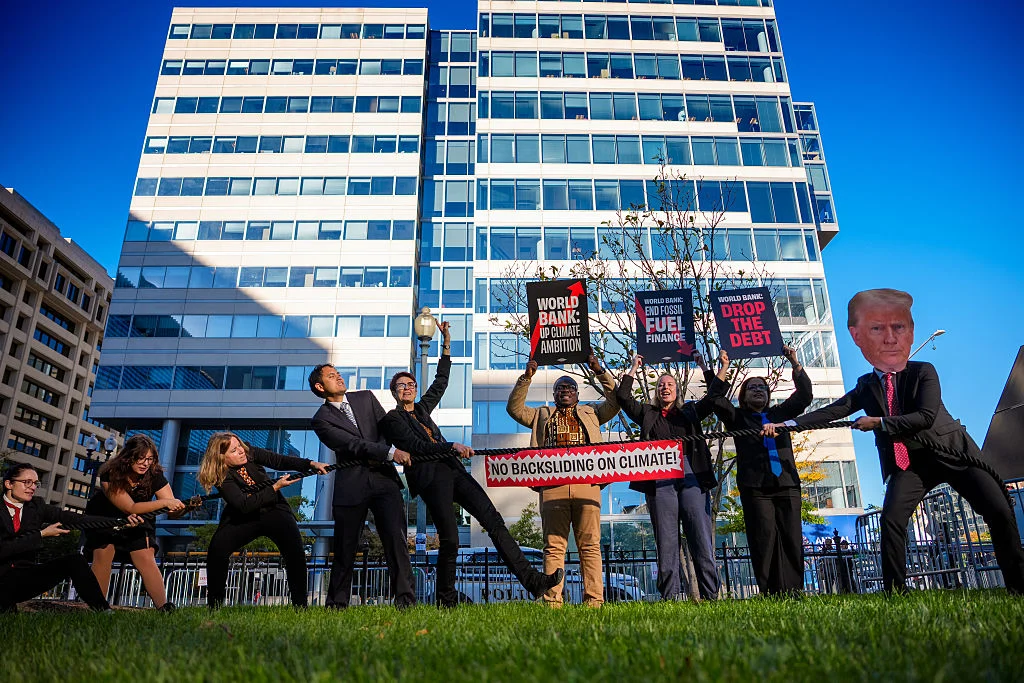
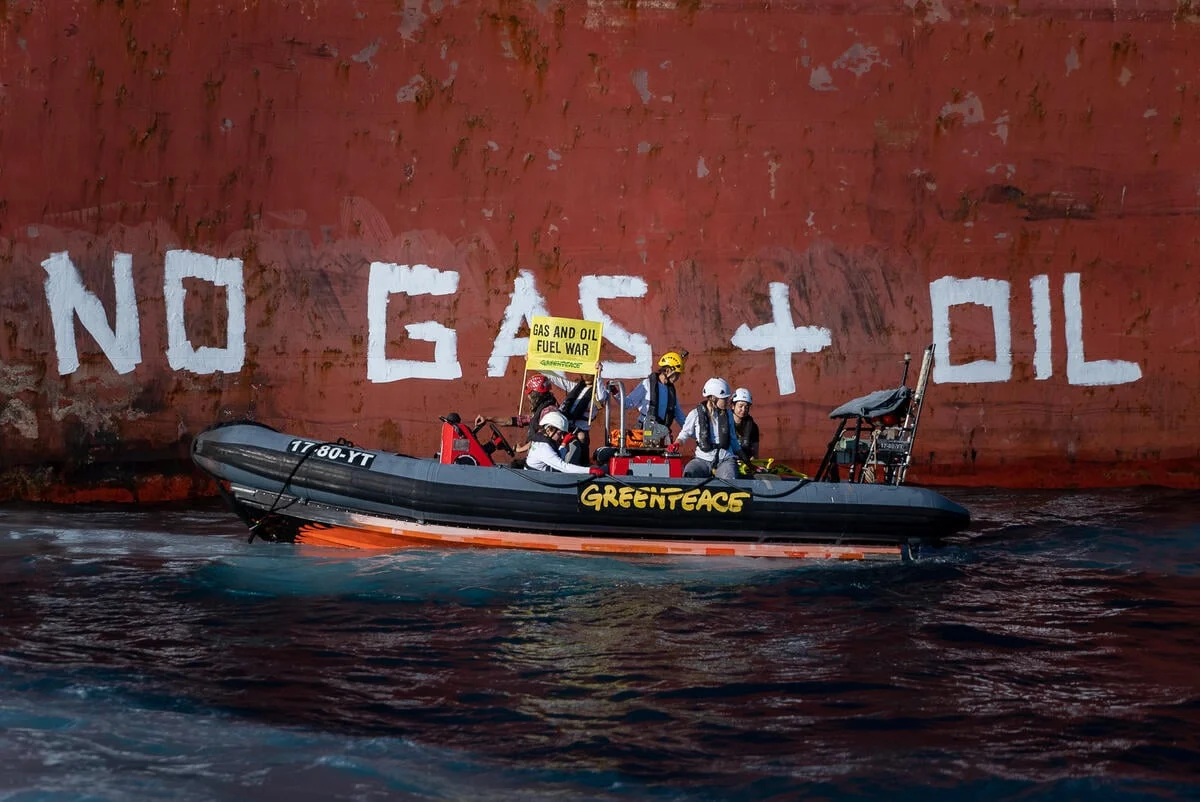
This week’s meeting in Bangkok served as a microcosm of the conflicting demands placed upon the bank. Throughout the week, Banga engaged in back-channel negotiations with U.S. officials advocating for the expansion of gas-related credit facilities, while simultaneously contending with high-profile protests from climate NGOs. The Friday announcement was the culmination of these pressures, representing an attempt to maintain a middle-ground policy that avoids alienating the bank’s largest shareholder while attempting to preserve the institution’s credibility as a climate-conscious lender.
Supporting Data: The Case for and Against Gas
The discourse surrounding the World Bank’s policy is supported by a volatile array of data points that reveal why the decision remains so contentious.
The Argument for Gas as a "Transition Fuel"
Proponents of the World Bank’s current strategy point to the following metrics:
- Energy Density: Natural gas emits approximately 40–50% less carbon dioxide than coal when used for electricity generation, providing a cleaner alternative for countries currently reliant on highly polluting solid fuels.
- Intermittency Buffering: According to the International Energy Agency (IEA), grid stability in emerging markets often requires "peaker plants" to compensate for the variability of renewable energy. Gas-fired plants can ramp up production within minutes, whereas solar and wind are dependent on weather patterns.
- Economic Viability: For many developing nations, the cost of battery storage required to make renewables a reliable baseload source remains prohibitively high. Gas infrastructure offers a more immediate, lower-capital-expenditure pathway to universal energy access.
The Environmentalist Counter-Argument
Climate advocates, represented by groups such as 350.org and various policy research institutes, cite the following risks:
- Methane Leakage: The climate impact of gas is often understated because of methane leaks during extraction and transport. Methane is a greenhouse gas significantly more potent than CO2 in the short term.
- Stranded Assets: Critics argue that by financing gas infrastructure today, the World Bank is locking developing nations into high-carbon assets that will become "stranded" (unprofitable and environmentally obsolete) before their expected lifespan ends, creating a long-term debt burden.
- Diverting Capital: Environmentalists contend that every dollar spent on gas infrastructure is a dollar not spent on scaling up grid-scale battery storage or green hydrogen, effectively slowing the inevitable transition to a fully renewable energy grid.
Official Responses and Stakeholder Perspectives
The fallout from Banga’s statement was immediate, reflecting the deep divide within the global community.
The U.S. Stance
U.S. officials have largely welcomed the "pragmatic" pivot. A spokesperson for the U.S. Treasury noted that the bank must remain "responsive to the energy needs of our global partners," emphasizing that energy security is a prerequisite for long-term economic development. The shift is seen by many in Washington as a necessary correction to policies that were perceived as overly idealistic.
Climate Advocacy and NGO Reaction
Environmental groups reacted with dismay. "The World Bank is choosing short-term convenience over the long-term survival of the planet," said a representative from a leading climate watchdog organization in Bangkok. "By providing legitimacy to fossil gas, the bank is signaling to the private sector that the era of fossil fuel finance is not yet over, which is a dangerous signal at a time when we have record-breaking temperatures globally."
Developing Nations’ Perspective
Many representatives from the Global South expressed a more nuanced view. For nations facing daily blackouts or those still attempting to electrify rural regions, the distinction between "clean" and "fossil" energy is secondary to the immediate need for reliable power. These nations often view the Western push for an immediate transition to 100% renewables as a "luxury policy" that could stifle their economic development.
Implications: A High-Stakes Balancing Act
The World Bank’s commitment to a "balanced" energy mix carries profound implications for the future of international development finance.
1. The Fragmentation of Climate Policy
By explicitly including gas, the World Bank is diverging from the stricter mandates of other development banks, such as the European Investment Bank (EIB), which has largely moved away from fossil fuel financing. This could lead to a fragmented international landscape where different financial institutions operate under contradictory climate standards.
2. The Future of Institutional Neutrality
The bank is currently testing its ability to remain a neutral arbiter of development. If it leans too heavily into U.S.-backed gas projects, it risks losing the trust of the European Union and other climate-focused donors. If it retreats from gas, it risks losing the support of the U.S. administration and alienating developing nations that rely on these projects for industrial growth.
3. Long-term Decarbonization Trajectory
The most significant implication is the potential impact on the 2050 net-zero targets. If the World Bank successfully integrates gas as a bridge to cleaner alternatives—ensuring that these projects are eventually decommissioned or retrofitted for hydrogen—it could provide a model for a "managed transition." However, if these projects result in long-term dependence on fossil fuels, the bank’s legacy will be scrutinized by future generations as a missed opportunity to lead a decisive transition to clean energy.
Conclusion: The Road Ahead
Ajay Banga’s tenure as World Bank President will likely be defined by how he navigates these competing interests. As he walks the tightrope between the geopolitical realities of Washington and the scientific realities of a warming planet, the decision to continue funding gas is a testament to the bank’s role as a pragmatic, rather than purely environmental, actor.
Whether this approach constitutes a necessary bridge or a detour on the road to a sustainable future remains to be seen. What is clear, however, is that the energy transition is no longer just a technical or environmental issue; it has become a central battleground for the future of international development and global influence. As the bank moves forward, the success of its "balanced" strategy will be measured not by the policy rhetoric of today, but by the tangible energy outcomes—and the carbon footprints—of the nations it serves in the decades to come.

 Laily UPN
 Lina Irawan