


 Siti Muinah
Introduction: The Day the Sky Turned Black
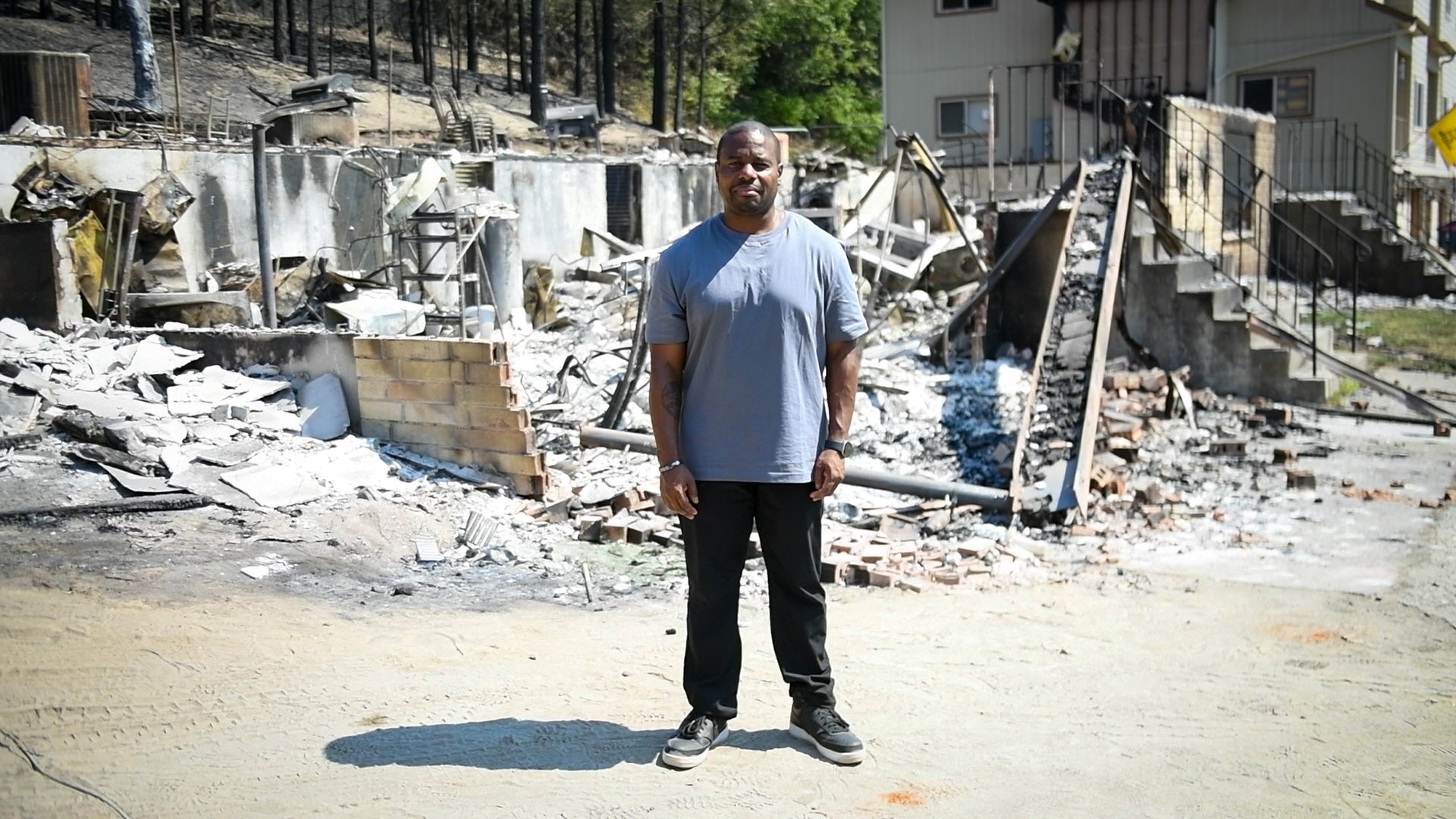
In August 2026, the city of Spokane, Washington, faced an unprecedented climate catastrophe. What began as a series of isolated blazes quickly morphed into a three-pronged wildfire event that Mayor Lisa Brown later characterized as the "worst natural disaster" in the region’s history. As flames raced across 10,000 acres, over 65,000 residents were thrust into a desperate struggle for survival. Among them was Devon Traylor, whose home was reduced to smoldering debris in a matter of minutes. His experience serves as a sobering microcosm of the thousands of families who, in a single afternoon, saw their lives irrevocably altered.
While the fires have been contained, the recovery process is only beginning. Through a strategic partnership between global humanitarian organization CARE and deeply rooted local advocates like the Shades of Motherhood Network (SOMN) and Partners INW, a new model of disaster response—centered on dignity, maternal health, and community belonging—is helping Spokane residents reclaim their future.
Chronology of the Disaster
The speed of the devastation left little room for preparation. For residents like Devon Traylor, the threat materialized with terrifying velocity.
"I was just taking a nap when the phone started ringing off the hook," Traylor recalls. "My son called, then my sister. She asked me if I knew what was happening. I looked outside and saw the fire across the street. Everything was on fire. I told them, ‘We have to go, now.’"
By the time Traylor received official word, the situation had escalated to a Level 3 evacuation alert—the highest level, indicating imminent danger to life and property. The ALERT Spokane notification system, usually a reliable tool for public safety, was pushed to its limits as smoke rendered visibility near zero.
"All of a sudden it went to Level 3 within minutes," Traylor said. "My neighbor is a single mom, so I didn’t think twice. I went to help her get out."
As they attempted to retreat, the wall of smoke became impenetrable, forcing them to abandon their efforts to save personal belongings. While the loss of property was catastrophic, the survival of families was the primary victory in the chaos. By the time the flames were suppressed, more than 850 structures had been destroyed, and an additional 2,500 were damaged. The rapid evacuation of 65,000 people remains one of the largest mass displacements in Washington state’s modern history.
Supporting Data: The Scale of Destruction
The physical and economic toll of the 2026 Spokane wildfires cannot be overstated.
- Acreage Burned: Approximately 10,000 acres of land were scorched, affecting both suburban residential zones and rural landscapes.
- Displacement: 65,000 individuals were forced to flee, many with only the clothes on their backs.
- Infrastructure Loss: 850 primary structures were leveled, with another 2,500 experiencing significant structural or smoke-related damage.
- Public Health Impact: Beyond the immediate danger of fire, the lingering air quality issues posed severe health risks, particularly to pregnant women, infants, and those with pre-existing respiratory conditions.
These figures represent more than just real estate; they quantify a sudden vacuum of basic human needs. With grocery stores closed, supply chains disrupted, and many homes rendered uninhabitable, the immediate demand for hygiene products, baby formula, diapers, and clean water became the new frontline of the emergency.
CARE’s Strategic Response: A Shift in Paradigm
When CARE’s U.S. Programs team arrived in Spokane, they did not come to impose an external solution. Instead, they recognized that the most effective way to help was to amplify the efforts of organizations already embedded in the community.
"By the time we arrived, the fires were mostly contained," says Brooks Lee, a CARE photographer who documented the recovery. "It was a rapid deployment to assist local partners who understand the nuances of the community. It wasn’t about reinventing the wheel; it was about accelerating their existing, critical work."
This approach focused on two key partners:
- Partners INW: A Spokane-based nonprofit specialized in connecting families with essential resources.
- Shades of Motherhood Network (SOMN): A pioneering Black maternal health organization that provided a vital lifeline to mothers and expectant parents during the displacement.
Maternal Health Amidst Catastrophe
The burden of displacement is rarely felt equally. Sarah Thompson, Vice President of CARE’s U.S. Programs, emphasizes that women and mothers often bear a "disproportionate amount of the burden." During the chaos of evacuation, the responsibility of maintaining household health while managing the trauma of uncertainty falls heavily on mothers.
Stephaine Courtney, Executive Director of SOMN, noted that in the immediate aftermath, the prevailing emotion among her clients was shock. "They were in this place where they were asking, ‘Where do we go from here?’" she explains.
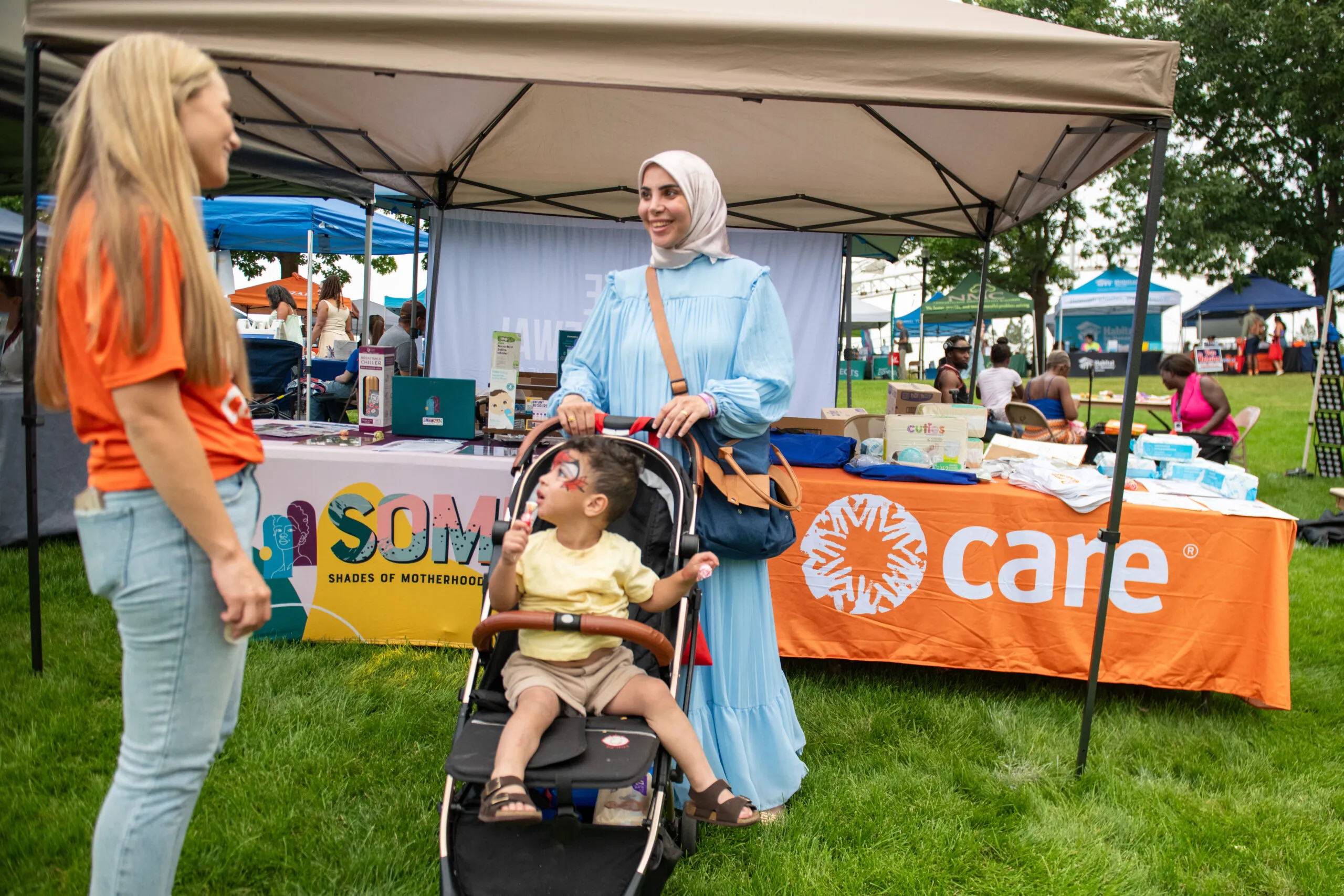
SOMN, with support from CARE, stepped in to provide more than just supplies. They provided psychological support, maternal counseling, and critical infant care items. CARE donated thousands of "CARE PACKAGE®" hygiene kits and mother-and-baby kits, which allowed SOMN to scale their outreach from 120 families to significantly more. By ensuring that babies had diapers and mothers had the dignity of basic hygiene supplies, these organizations allowed families to focus on the long-term work of rebuilding their lives rather than the daily panic of resource scarcity.
Official and Community Responses
The collaboration between international humanitarian aid and local grassroots organizations has been lauded as a template for future disaster resilience. Mayor Lisa Brown’s office has acknowledged the role of these organizations in stabilizing the city during its darkest hour.
However, the "superpower" of this response, as Stephaine Courtney describes it, is the human element. "Support is the new superpower," she says. "Community is the medicine."
This philosophy was visible in every aspect of the relief effort. Whether it was the logistical support of hauling heavy boxes of supplies or the simple act of listening to a displaced family, the partnership aimed to destigmatize the act of asking for help.
"I’m always the one that’s helping people," Devon Traylor admits, reflecting on his own experience as a recipient of aid. "Now, people have to help me, and that’s a little bit different."
The Long Road to Recovery: Implications for the Future
The implications of the 2026 Spokane wildfires extend far beyond the immediate cleanup. As the region grapples with the realities of climate change, the necessity for robust community-based emergency preparedness has become clear.
1. Re-defining ‘Home’
For survivors, the loss is multifaceted. As Traylor noted, "We’re going to miss a lot of things, but we still have a lot of memories. This is a physical structure. Home is still us." This sentiment highlights the resilience of the human spirit when faced with total material loss.
2. The Importance of Local Infrastructure
The success of the response highlights the importance of funding local, grassroots organizations before disasters occur. By supporting groups like SOMN, which are already trusted in their communities, aid organizations can ensure that resources reach the most vulnerable populations quickly and effectively.
3. Proactive Preparedness
In the wake of the fires, CARE has released resources for fire prevention and emergency planning. Being prepared—having an emergency "go-bag," a family communication plan, and a list of local resources—is no longer a luxury; it is a necessity for residents in fire-prone regions.
Conclusion: A City of Belonging
Spokane is often referred to as the "city of belonging," a moniker that has been put to the test in 2026. While the physical scars of the fire will remain on the landscape for years, the social fabric of the community has arguably been strengthened by the response.
The recovery is far from over. Families are still negotiating insurance, finding permanent housing, and processing the trauma of the event. But through the ongoing efforts of organizations like CARE, Partners INW, and the Shades of Motherhood Network, the message to the people of Spokane is clear: no one has to navigate the rebuilding process alone.
As Stephaine Courtney aptly put it, "Community is the medicine and the answer." By prioritizing the dignity of the individual and the power of local connection, Spokane is proving that even when everything is lost to the flames, a community can rise, rebuild, and belong together.

 Asro
 Lina Hope






