




 Nana
Introduction: A City Under Shadow
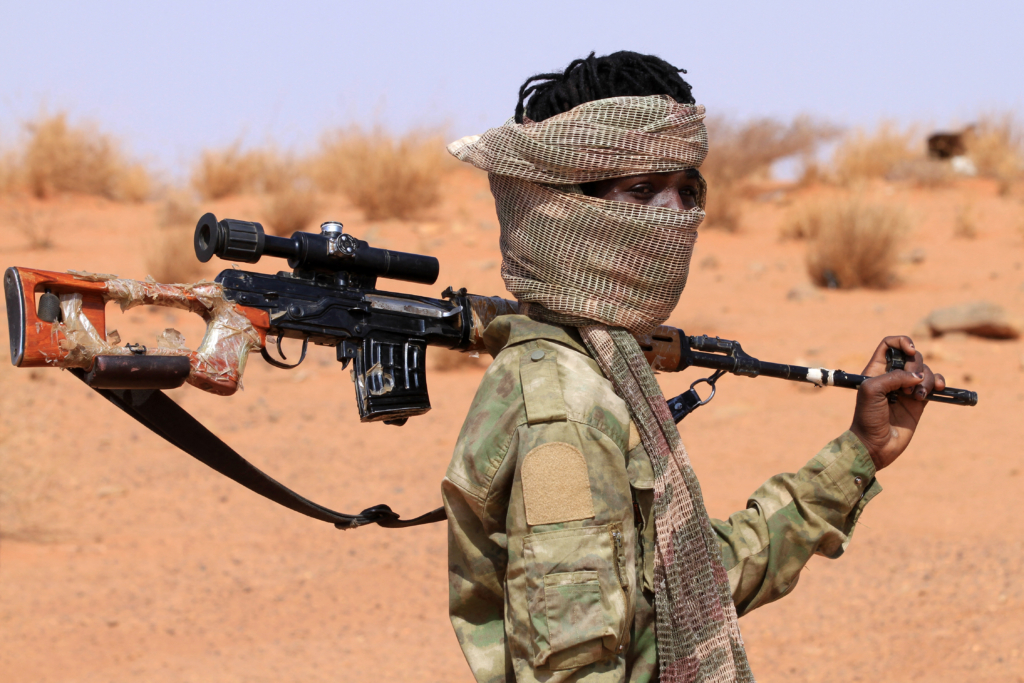
One year has passed since the Rapid Support Forces (RSF) consolidated their control over El Fasher, the capital of North Darfur, yet the city remains a landscape of profound suffering. What was once a thriving hub of over one million people has been reduced to a hollowed-out shell, with fewer than 70,000 residents remaining. According to a harrowing new investigation by Amnesty International, the city is defined not by the "safety" touted by the RSF, but by a pervasive, suffocating atmosphere of terror.
Civilians who managed to escape the city describe a regime of arbitrary detention, systemic torture, and near-total isolation from the outside world. Schools have been repurposed as makeshift prisons, public infrastructure lies in ruins, and the constant threat of unlawful execution hangs over the heads of the remaining population. As the international community remains largely paralyzed by diplomatic inertia, the people of El Fasher continue to face the grim reality of a conflict that has moved beyond open warfare into a sustained campaign of suppression and ethnic targeting.
Chronology of a Crisis
The descent of El Fasher into its current state of isolation began with the RSF’s aggressive campaign to seize the city, which culminated in widespread atrocities.
- Mid-2025: The RSF intensifies its military pressure on North Darfur, leading to a massive displacement of the local population.
- October 2025: A critical turning point in the occupation; the RSF begins systemic detention campaigns, notably at sites like the El Fasher Children’s Hospital and various local schools.
- Spring 2026: Residents who had fled attempt to return to retrieve personal belongings, only to be caught in a wave of arbitrary arrests, forced labor, and disappearances.
- July 2026: Amnesty International releases a landmark report documenting "crimes against humanity" and "ethnic cleansing" targeting groups such as the Zaghawa and Masalit.
- August – September 2026: A window of investigation where 25 survivors and humanitarian workers provide fresh testimony regarding the ongoing conditions of life under RSF rule.
- October 2026: Amnesty International formally addresses the RSF regarding these findings, receiving no response at the time of publication.
The Anatomy of Detention: Schools as Prisons
Perhaps the most chilling aspect of the occupation is the transformation of civilian infrastructure into centers of trauma. The RSF has utilized schools as de facto detention facilities, where women, children, and injured men are held in abysmal conditions.
Testimonies reveal a pattern of extreme malnutrition and lack of basic medical care. Hadia, a 30-year-old Gimir woman, described the horrors of being detained in a school with her children. She recounts that the lack of food was so severe that she was unable to produce breast milk for her 18-month-old child. Upon her escape to Tawila in August 2026, her children were diagnosed with severe malnutrition.
"My children were very skinny and weak," she told investigators. Another detainee, a 54-year-old Zaghawa woman named Aloya, described the atmosphere inside these schools as a daily tally of death: "Daily there were four to five people dying—mostly from lack of food."
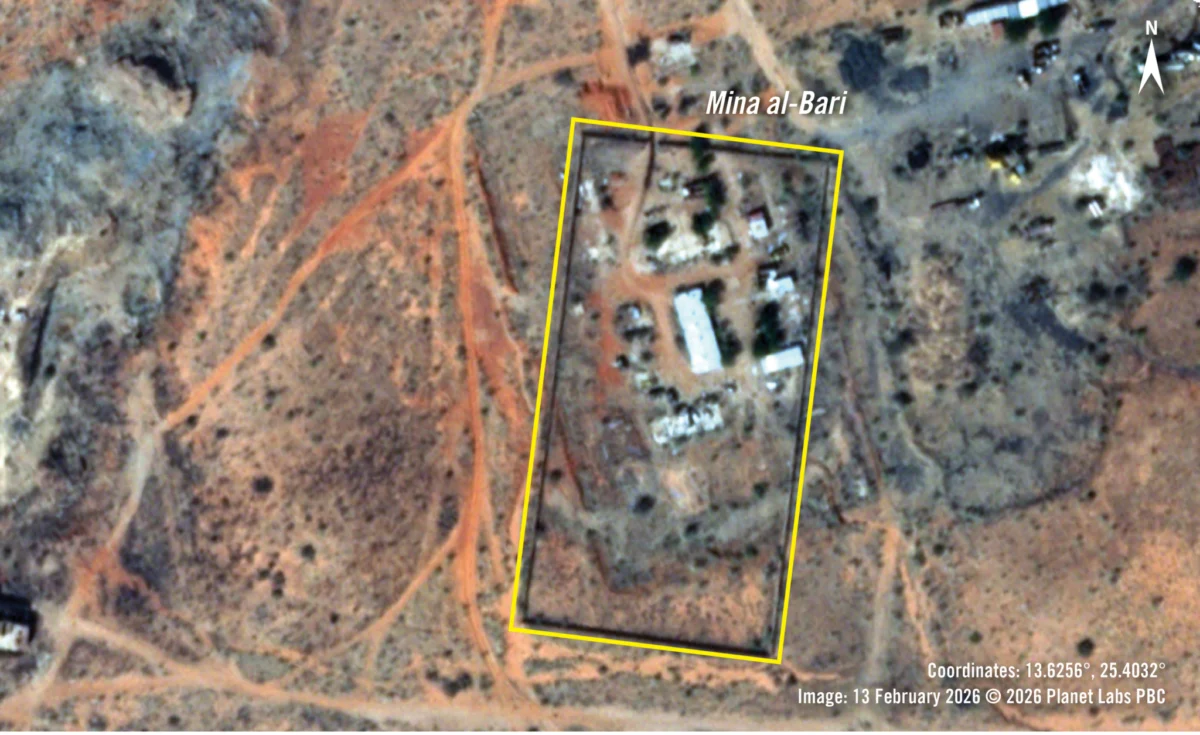
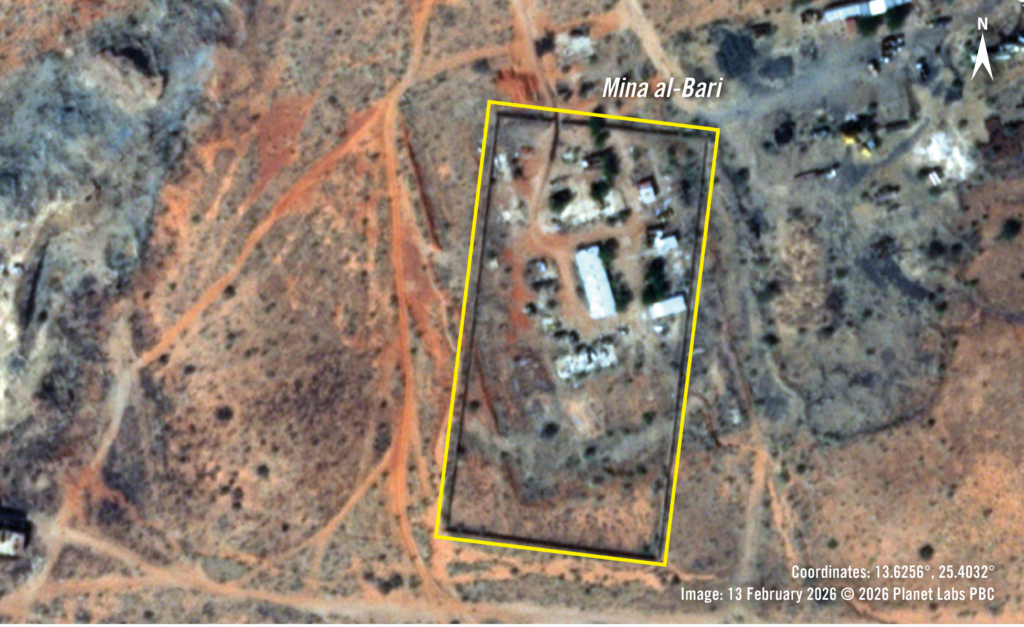
For men, the reality of detention is even more brutal. Shala prison and the Mina al-Bari detention center have become notorious sites of torture and execution. Men are routinely subjected to beatings, forced labor, and summary executions. Modathir, a 29-year-old Zaghawa man, recalled the constant fear of being "permanently rested" by his captors. "Torture is something which is permanent in any RSF detention," he stated. "They executed people who tried to look at them."
Supporting Data: The Humanitarian Vacuum
The demographic shift in El Fasher is staggering. With the population plummeting from one million to fewer than 70,000, the city has become a ghost of its former self. While a limited number of humanitarian organizations have gained a tenuous foothold, their presence is severely compromised.
Residents report that the RSF subjects humanitarian workers to constant surveillance, preventing any meaningful interaction with the local population. A resident who returned in June 2026 provided a haunting assessment: "The El Fasher I knew is gone, it is a completely destroyed city… Everything is watched very closely; they don’t give humanitarian workers any private space to talk. Everybody is terrorized."
Furthermore, the threat of famine is no longer a distant possibility; it is an imminent reality. Official assessments warn that the Integrated Food Security Phase Classification (IPC) Level 5 famine threshold—the highest level of food insecurity—is highly likely in North Darfur in the coming months. This is exacerbated by a poor harvest season and the RSF’s restriction of movement, which prevents the effective distribution of aid.
Forced Labor and Systematic Abuse
Beyond physical detention, the RSF has implemented a system of forced labor that treats the remaining population as disposable resources. Both men and women have been coerced into performing menial and dangerous tasks, such as cleaning up rubble, collecting corpses from the streets, and serving the RSF in domestic capacities.
Musa, a 23-year-old Zaghawa man, was forced to collect bodies alongside his father after being detained. He was also coerced into participating in propaganda videos designed to project a false image of normalcy in the city. "They paraded us inside the city and told us to talk about how El Fasher is good and safe," he revealed. This practice of forced compliance is a cornerstone of the RSF’s strategy to legitimize their presence on the international stage while simultaneously terrorizing the local population into submission.
Official Responses and Diplomatic Failures
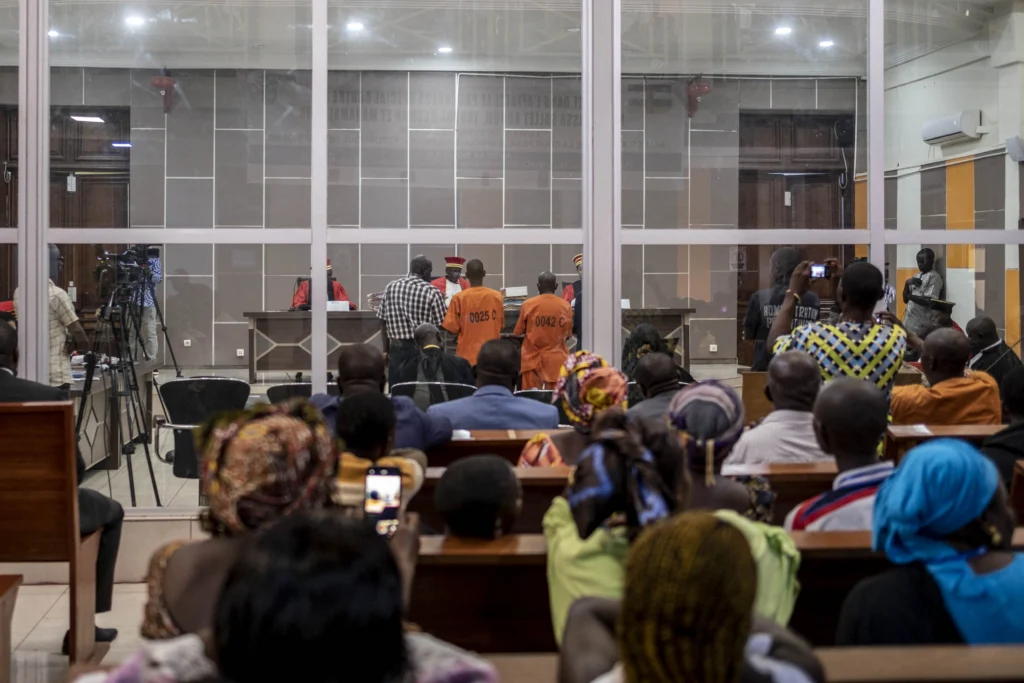
Agnès Callamard, Secretary General of Amnesty International, has been scathing in her critique of the international community’s response. She explicitly condemned the RSF’s narrative that El Fasher is "safe" for returnees, labeling it a complete fabrication.
"One year since El Fasher fell to the RSF, the international community has failed to take the necessary actions to address the desperate plight civilians face," Callamard stated. She highlighted the failure of diplomatic efforts to secure a meaningful ceasefire or establish an international protection force.
The report also pointed to the role of the United Arab Emirates (UAE) in fueling the conflict. Amnesty International asserts that the UAE continues to support the RSF, providing arms that facilitate these ongoing atrocities. The organization calls on the global community to stop arms transfers to the UAE until such support for the RSF ceases, and urges the UN Security Council to expand the existing arms embargo in Darfur to cover the entire country.
The Path Forward: Implications and Urgent Demands
The situation in El Fasher serves as a litmus test for the global commitment to human rights and the prevention of mass atrocities. The implications are clear: without an immediate, enforced ceasefire and an independent, international protection force, the cycle of violence will continue.
Amnesty International’s recommendations are categorical:
- Immediate Release: The RSF must release all arbitrarily detained civilians and cease all forms of torture, unlawful killing, and forced labor.
- Arms Embargo: A total cessation of arms transfers to both the RSF and the Sudanese Armed Forces (SAF) is required. The UN must expand the current Darfur arms embargo to the entire Sudanese territory.
- Diplomatic Accountability: Influential governments must publicly denounce the roles of regional actors fueling the conflict. The "military solution" being pursued by both the SAF and the RSF is not a solution at all, but a death sentence for the Sudanese people.
- Humanitarian Access: Unfettered and unmonitored access must be guaranteed to humanitarian organizations to prevent the impending famine from claiming thousands of additional lives.
The "pervasive pall of fear" hanging over El Fasher is not merely a local grievance; it is a profound failure of the international system to protect civilians in the face of brutal, state-sanctioned violence. As winter approaches and the food crisis deepens, the world’s silence risks becoming complicity in the destruction of one of Sudan’s most historic cities. Without decisive intervention, the atrocities witnessed over the last twelve months will continue to stain the conscience of humanity, leaving the survivors of El Fasher to navigate a future defined by the shadows of their past.

 Asro

 Lina Hope






