




 Ali Ikhwan
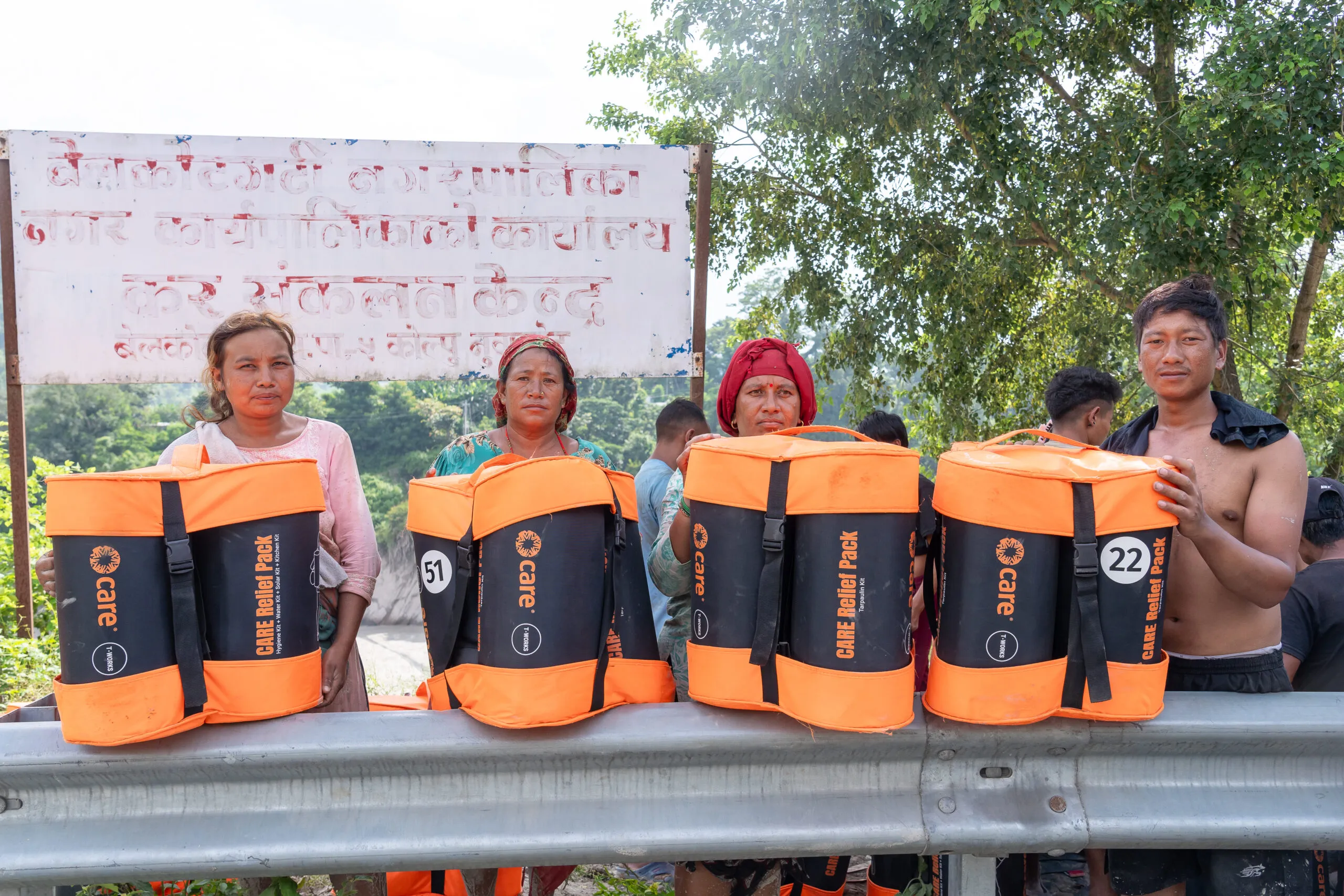
Introduction: A Nation Submerged
On August 26, 2026, the topography of Nepal was irrevocably altered. A series of devastating flash floods and landslides, triggered by relentless monsoon rains, tore through the heart of the country. For the residents of areas like Ward 8 in Belkotgadhi, the disaster was not merely a weather event; it was a total erasure of livelihoods. As of mid-September, the scale of the catastrophe remains staggering, with 1.6 million people directly impacted and thousands still missing.
In response to this humanitarian emergency, a unique coalition has emerged: the historic, decades-long humanitarian expertise of CARE Nepal is being bolstered by the massive digital reach of content creator MrBeast (Jimmy Donaldson) and his organization, Beast Philanthropy. This report examines the unfolding crisis, the immediate relief efforts, and the long-term implications for a nation grappling with the realities of environmental instability.
The Chronology of the Disaster
The timeline of the 2026 Nepal floods illustrates a rapid escalation from a severe weather warning to a national humanitarian emergency.
- August 26, 2026: Heavy rainfall triggered the initial surge of flooding in the Nuwakot and surrounding districts. The rapid inundation of farmland meant that families had virtually no time to secure assets, livestock, or grain stores.
- Late August – Early September: As waters receded, the secondary effects of the disaster became apparent: destroyed infrastructure, disconnected communication lines, and the total destruction of homes.
- September 1–14, 2026: Government reports confirmed that over 1.6 million people were impacted. Rescue operations faced significant logistical hurdles due to damaged roads and bridges, leaving remote communities isolated.
- Mid-September: Official data indicated that over 5,000 individuals remained out of contact. The focus of the government and international NGOs shifted from urgent search-and-rescue to the stabilization of 33 holding centers, which are currently sheltering over 2,500 displaced persons.
The Human Cost: Stories from the Ground
For individuals like Sita, a resident of Ward 8 in Belkotgadhi, the flood was the culmination of years of labor lost in a single afternoon. Her farmland—the source of her family’s maize and rice—was swept away, leaving her and her family to seek shelter with acquaintances on higher ground.
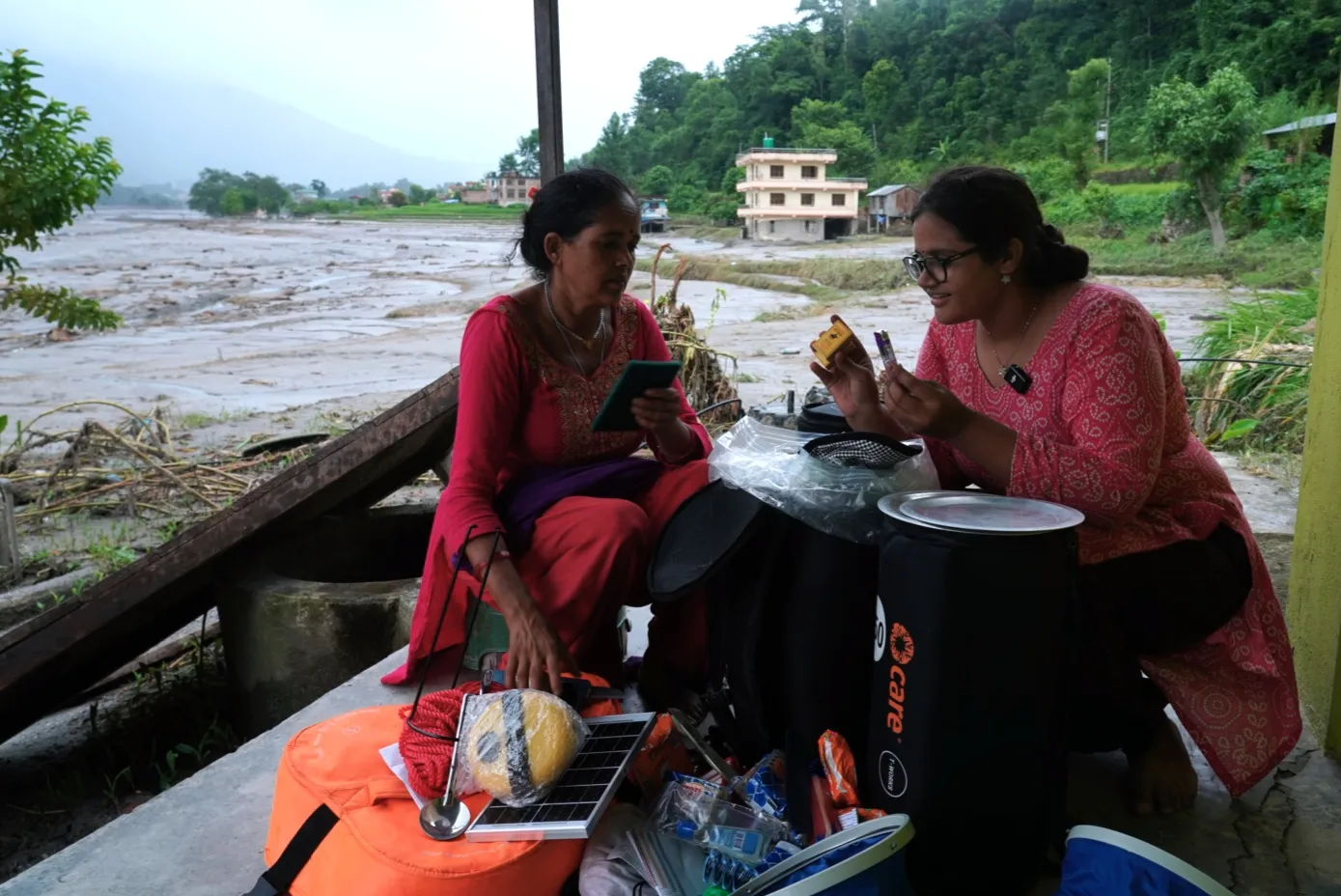
Similarly, Namrata, a local government public employee in Ward 7, found herself on the other side of the aid equation. After the floodwaters breached her home, she was forced into a state-run holding center. Her experience highlights the psychological toll of such disasters; it is not just the loss of property, but the loss of certainty.
"Many people don’t even think to include the basics," Namrata noted, referring to the contents of the CARE PACKAGE for Emergencies. "Toothpaste, a lighter, matchsticks—these aren’t just items; they are a bridge back to a sense of normalcy."
Supporting Data: The Anatomy of a CARE Package
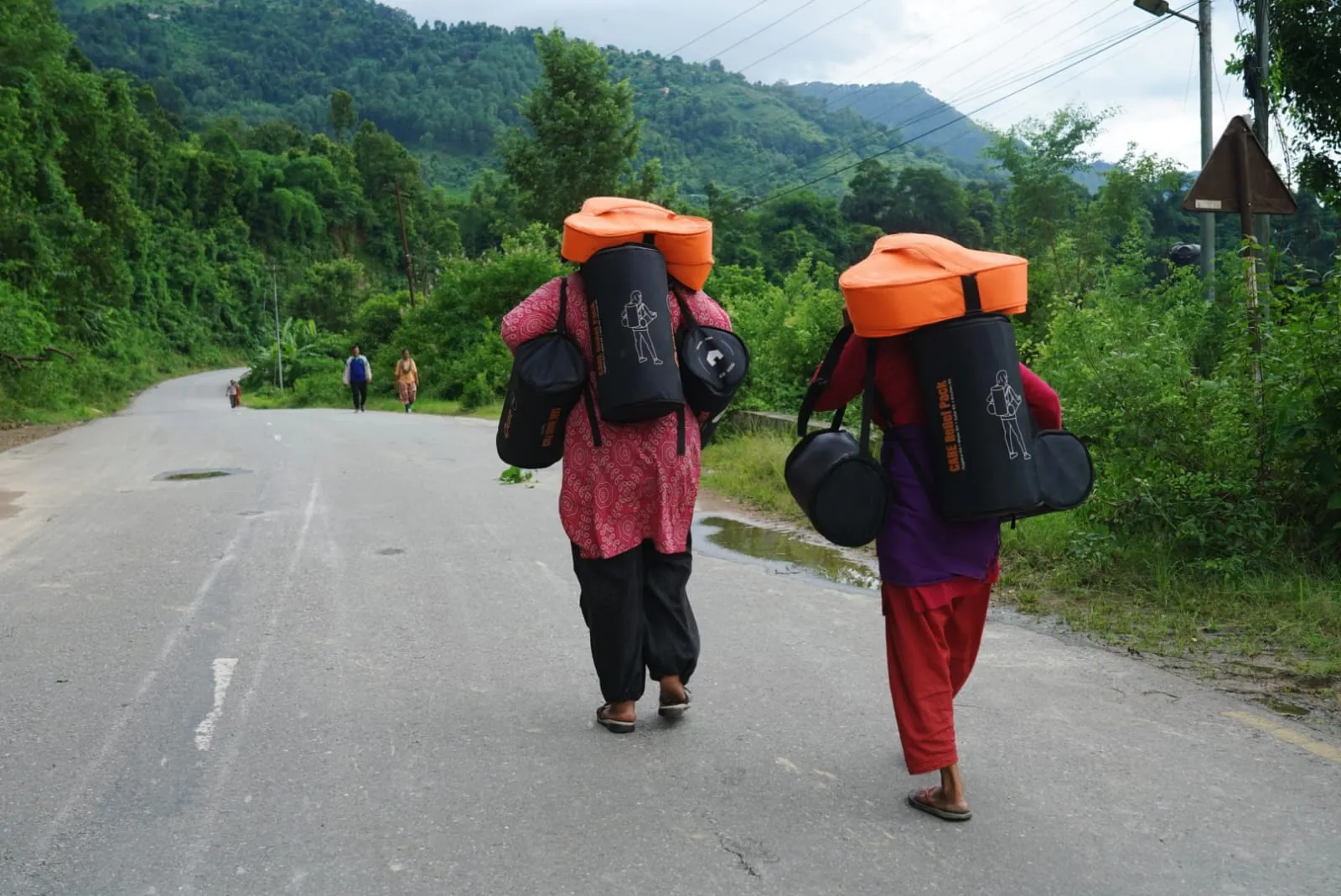
The CARE PACKAGE for Emergencies is a specialized, modular response tool. Each package is designed to support a family of four for an entire month, effectively acting as five distinct kits in one. The items are not chosen for their utility in the first few hours of a crisis, but for the sustained recovery phase that follows.
The package contains up to 40 essential items, ranging from:
- Hygiene and Sanitation: Critical for preventing the outbreaks of waterborne diseases common after flooding.
- Nutritional Support: Ready-to-eat meals and cooking implements to ensure families remain nourished when local supply chains are severed.
- Dignity Items: Often overlooked by donors, these items are essential for maintaining personal hygiene and mental well-being in overcrowded shelters.
- Light and Energy: Solar-powered lighting provides safety for women and children moving through dark, makeshift environments at night.
- Shelter Materials: Tarpaulins and tools allow families to create temporary, private living spaces while waiting for more permanent housing solutions.
Official Responses: A Strategic Partnership
The involvement of MrBeast and Beast Philanthropy represents a paradigm shift in how humanitarian aid is funded and publicized. In an era where digital platforms hold the power to mobilize millions in a matter of hours, this partnership serves as a blueprint for future disaster responses.
"For a disaster at this scale, giving MrBeast’s millions of followers the chance to help isn’t optional. It’s a must," stated a representative from the relief effort. The collaboration has already proven effective, with a $1 million fundraising milestone reached with the support of corporate partners like P&G.
This funding is being funneled directly into:
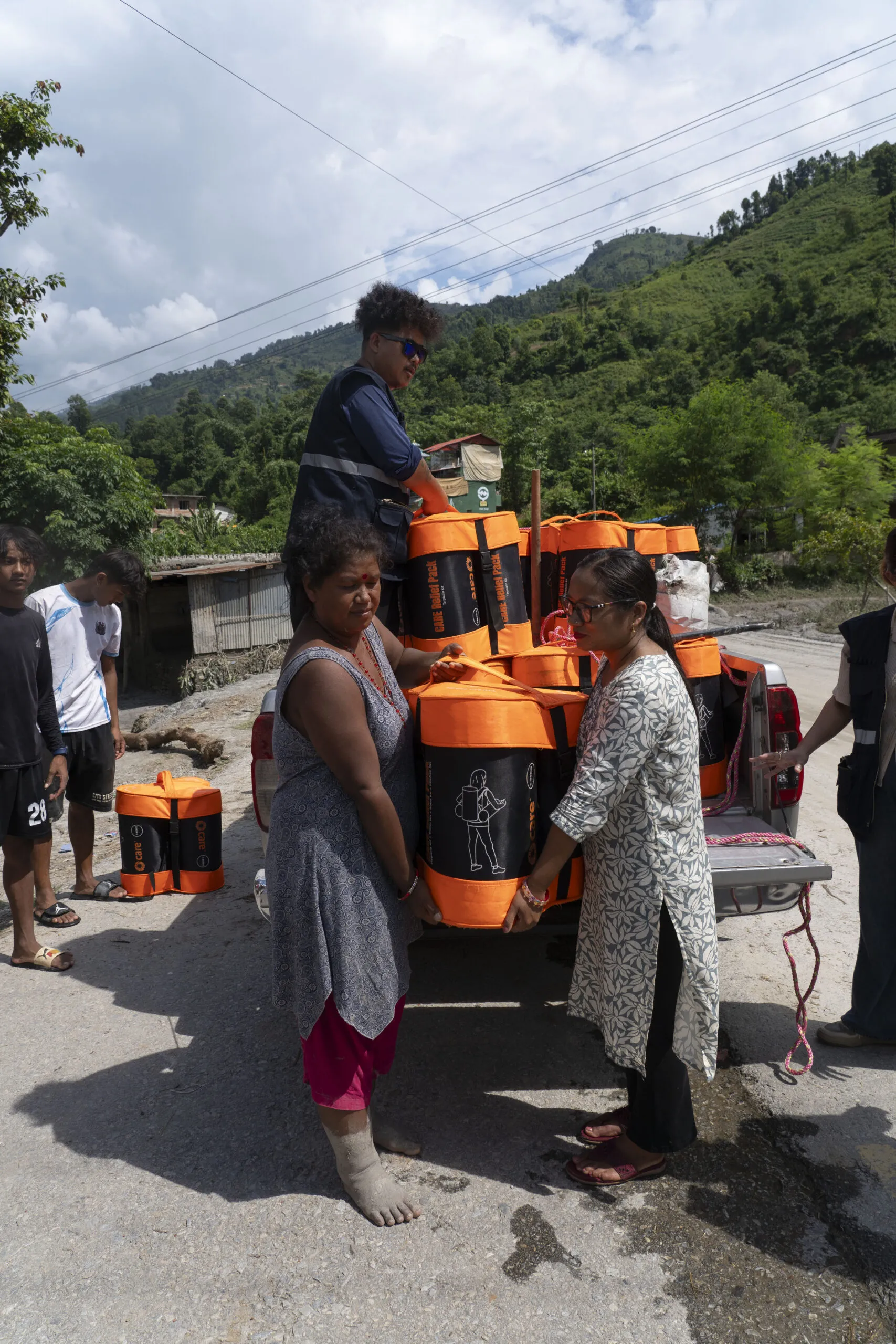
- Logistics: Overcoming the "last mile" problem by navigating damaged roads to deliver supplies.
- Direct Aid: The provision of food, clean water, and shelter for over 10,000 people.
- Transitional Housing: Constructing temporary homes for at least 100 families, providing a stable base from which they can rebuild their lives.
Mona Sherpa, Country Director of CARE Nepal, emphasized the strategic importance of this aid. "A solar light can mean a woman can safely walk to the washroom at night, while dignity items can meet needs that people may not feel able to ask for. A tarpaulin can give a family a temporary space of their own while they consider what comes next."
Implications: The Long Road to Recovery
The devastation in regions like Rasuwa, Nuwakot, and Dhading is not a short-term problem. The destruction of bridges and roads means that the economic recovery of these agricultural communities will take years, not months.
The Role of CARE Nepal
CARE has maintained a presence in Nepal since 1978. Their institutional knowledge is what allows them to act efficiently in the wake of the 2026 floods. Unlike emergency-only organizations, CARE works on the root causes of poverty, including issues related to caste, ethnicity, and geography. By integrating climate-resilient farming and disaster preparedness into their long-term programming, they hope to mitigate the impact of future monsoon events.
Environmental Volatility
The 2026 floods serve as a stark reminder of the increasing volatility of the Himalayan ecosystem. Climate change has intensified the monsoon cycle, making events that were once "once-in-a-century" occurrences far more frequent. This necessitates a shift in humanitarian policy: from reactive disaster relief to proactive, systemic resilience building.
How to Support the Ongoing Effort
The urgency of the situation in Nepal remains high. While the initial surge of public attention has been vital, the recovery phase is where the most significant long-term impact is made.
- Direct Contributions: Funding remains the most effective way to help. Donations to organizations like CARE facilitate the purchase of local goods, which in turn supports the local Nepalese economy.
- Awareness and Advocacy: Using social media to share verified updates—such as those from MrBeast’s channels or CARE’s official platforms—helps sustain global attention on the crisis.
- Long-term Engagement: The recovery will span into 2027 and beyond. Continuing to support organizations that have an established, long-term presence in the country is crucial for sustainable rebuilding.
Conclusion
The story of the 2026 Nepal floods is one of profound loss, but it is also a story of collective human resilience. From the local government workers like Namrata who are helping their neighbors, to the global audience of millions mobilized by digital philanthropy, the response is a testament to the idea that no community should be left to rebuild alone.
As the waters recede, the task at hand is to ensure that those who lost everything have the tools, the shelter, and the dignity to start again. With continued support, the rebuilding of these communities will not just restore what was lost, but provide a more resilient foundation for the future.
For more information on how to support the families of Nepal, please visit the official CARE Nepal donation portals or follow the latest updates via the Beast Philanthropy social media platforms.


 Reynand Wu
 Jia Lissa






