



 Azzam Bilal Chamdy
Introduction: The Hidden Barrier to Global Connection
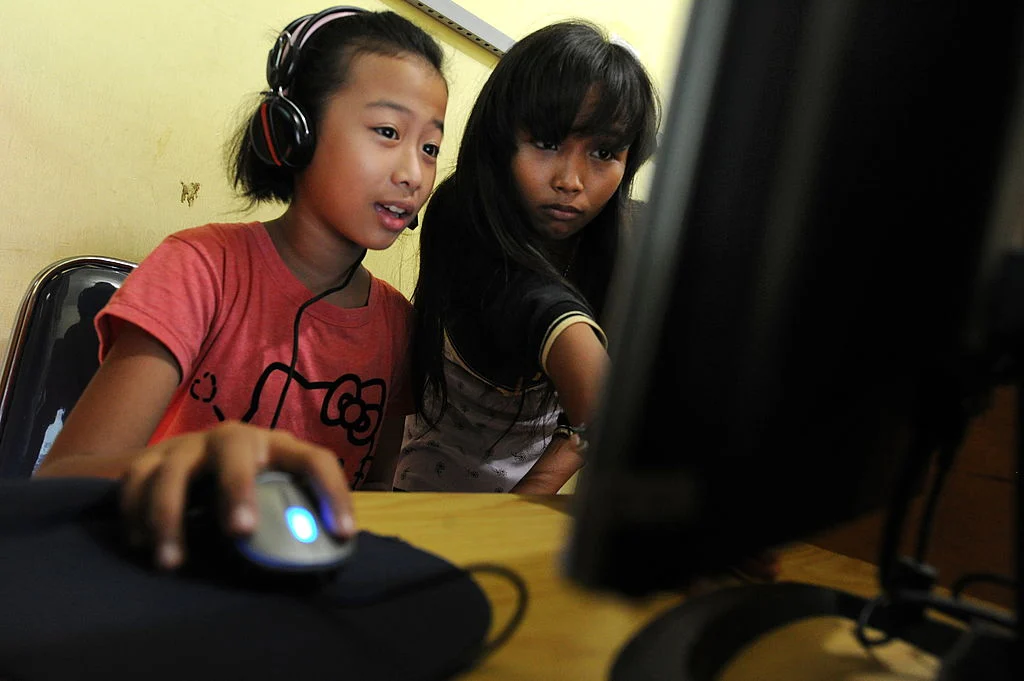
In the hyper-connected era of the 21st century, the digital revolution was promised as the great equalizer—a borderless landscape where a student in a rural village could access the same repository of human knowledge as a peer in a Silicon Valley suburb. However, for a group of students participating in a cross-continental collaboration between California and Sierra Leone, this promise collided with the harsh reality of "infrastructure poverty."
Last summer, a chapter of Girls Learn International embarked on an ambitious public speaking initiative alongside Sierra Leone Rising. The goal was simple: to empower forty young women in Sierra Leone to find their voices, refine their leadership skills, and advocate for the issues most pertinent to their lives. Yet, what began as a straightforward educational project quickly transformed into a stark lesson on the global digital divide. As the California-based students struggled to maintain a consistent connection with their counterparts, they were forced to confront a uncomfortable truth: equal opportunity is a hollow promise without the fundamental hardware and energy infrastructure required to access it.
Chronology of a Collaboration: From Ambition to Adaptation
The Initial Vision
The project was designed with the optimism typical of modern educational programming. The organizers envisioned a series of interactive, live-streamed webinars where students from two vastly different socio-economic environments could exchange ideas, practice public speaking, and build a global network of young activists. The organizers assumed a baseline level of connectivity—a mistake rooted in the privilege of well-resourced environments where high-speed, reliable internet is treated as a utility as constant as running water.
The Breakdown of Connectivity
As the project progressed, the "doable" nature of the collaboration began to unravel. Regularly scheduled webinars were derailed by erratic power outages in Sierra Leone and bandwidth limitations that rendered video conferencing impossible. The American students, who had built their curriculum around synchronous, real-time engagement, found their plans effectively paralyzed by the technological realities of their partners.
The Pivot
Recognizing that their current model was exclusionary, the team underwent a significant transition. They moved away from live sessions, opting instead for a decentralized, asynchronous model. This involved creating private YouTube tutorials, distributing tailored assignments through low-bandwidth messaging platforms, and shifting to chat-based communication. While these modifications allowed the project to continue, the participants noted that they were merely patches on a structural wound. The core issue—the lack of consistent access to power and the internet—remained unaddressed.
The Intersection of Energy and Empowerment
The most profound lesson of the collaboration did not come from the California students teaching the Sierra Leonean students; it came from the reverse. When the students in Sierra Leone were asked to apply their new public speaking skills to an advocacy project, they did not choose abstract themes. They chose to advocate for the very infrastructure that had hindered their own learning.
One student’s reflection captured the essence of the crisis: "My community is currently facing light issues, and I can say: Light is life."
This statement bridged the gap between digital theory and physical survival. For these students, the lack of electricity was not merely an inconvenience—it was a systemic barrier to education, economic mobility, and personal development. The "digital divide" is often discussed in terms of software or literacy, but for many, it begins with the physical absence of a power grid. Without electricity to charge a device, the world’s entire digital library becomes as inaccessible as a locked vault.
Supporting Data: The Magnitude of the Digital Exclusion
The disconnect experienced by these students is mirrored in global statistics that highlight a widening chasm between the Global North and the Global South.
The Global Connectivity Gap
According to the International Telecommunication Union (ITU), approximately 2.2 billion people remained entirely offline as of 2025. The disparity is stark: while 94 percent of the population in high-income nations enjoys regular internet access, that figure plummets to just 23 percent in low-income countries.

The Gendered Dimension
The divide is not merely geographic or economic; it is deeply gendered. A 2023 UNICEF analysis revealed a startling reality: 90 percent of adolescent girls and young women (ages 15–24) in low-income countries were effectively offline. By comparison, 78 percent of their male peers were in the same position. Furthermore, across 41 countries analyzed, young women were 13 percent less likely to own a mobile phone than their male counterparts within the same household, pointing to entrenched social and familial barriers that prioritize male access to technology.
The Economic Burden
The ability of developing nations to close this gap is hindered by a crippling debt cycle. Data from the Malala Fund indicates that in 2024, the ten countries facing the most severe obstacles to girls’ education were, on average, spending four times as much on external debt repayment as they were on their own educational infrastructure. This fiscal reality forces governments to choose between maintaining basic national functions and investing in the digital future.
Official Responses and Strategic Implications
The international community has begun to recognize that digital access is a fundamental component of gender equity. However, policy interventions have yet to match the scale of the crisis.
Addressing Structural Inequality
Advocates argue that providing hardware is insufficient if the accompanying social structures remain exclusionary. UNICEF has emphasized that addressing the gendered digital divide requires a multi-pronged approach:
- Infrastructure Investment: Governments must prioritize rural electrification and the expansion of broadband networks as public utilities.
- Combatting Stereotypes: Initiatives must address the cultural biases that prevent girls from accessing devices, often under the guise of "protection" or "prioritization" for boys.
- Digital Literacy: Providing technology without training is ineffective. Education systems must integrate digital literacy into their core curricula, ensuring that girls are not just consumers of technology, but creators and leaders within the digital space.
The Role of Nonprofits
While NGOs like Sierra Leone Rising provide essential stop-gap measures—such as the establishment of computer labs—these organizations are the first to admit that they cannot replace state responsibility. The sustainability of such projects depends on the political will of local and national governments to ensure that these labs are powered, maintained, and integrated into the broader education system.
Implications: A Call to Action
The 15th International Day of the Girl served as a focal point for this conversation, but the advocacy must continue year-round. The implications of leaving a generation of girls offline are dire. As the global economy increasingly demands digital proficiency, those without access are being systematically excluded from the modern workforce.
Furthermore, the lack of digital agency silences these young women in the public square. If girls cannot access the internet to share their experiences, advocate for their rights, or connect with global movements, their voices are effectively removed from the discourse on gender equality.
The Path Forward
To bridge this divide, global leaders must:
- Reframe Digital Access as a Human Right: Treat connectivity as an essential service for human development, similar to clean water or basic healthcare.
- Prioritize Debt Relief for Education: Support international policies that allow developing nations to reallocate funds from debt servicing to public infrastructure and education.
- Invest in Local Leadership: Instead of top-down technological interventions, donors should fund local, girl-led initiatives that identify the specific needs of their own communities.
Conclusion: Listening to the Future
The collaboration between the students in California and Sierra Leone yielded a profound, if painful, lesson: you cannot build a digital future on a foundation of crumbling infrastructure. The resilience and resourcefulness of the girls in Sierra Leone, who sought to use their voices to advocate for the very electricity that would enable their own empowerment, serves as a testament to their potential.
The question remains whether global policy leaders will match that drive with the necessary investment. We have the technology to connect the world; we now need the political and moral courage to ensure that the "digital revolution" includes the girls who currently stand in the dark, waiting for the power to lead.

 Reynand Wu

 Muslim